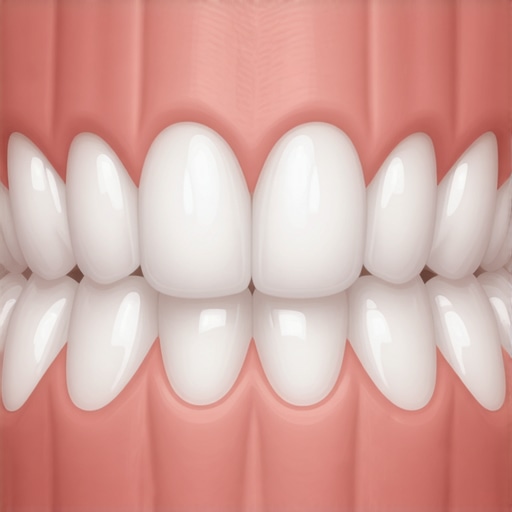
I remember staring at my mirror one morning, frustration bubbling up as I noticed those stubborn white spots mocking my smile. No matter how much I brushed or flossed, they stayed put—like uninvited guests refusing to leave. It hit me then, in that quiet, honest moment, that I’d been missing something crucial about my oral health. That lightbulb moment wasn’t about just superficial cleaning; it was about understanding what those white spots really mean—and how they can tell a story about my teeth’s inner health.
Getting to the Root of White Spots—Why It’s More Than Just Cosmetical
White spots on teeth aren’t just pesky blemishes ruining your perfect smile; they’re often clues to underlying issues that could impact your dental longevity. I used to think they were just superficial stains or minor flaws that would fade away with better brushing. Big mistake. Early on, I made the mistake of ignoring their significance, believing whitening toothpaste was enough. But the truth is more nuanced. Sometimes, these spots signal demineralization, the initial stage of decay, or even a sign of enamel hypoplasia—conditions that, if left unmanaged, can compromise your tooth’s strength.
Understanding what causes these spots is essential. Could they be signs of poor mineralization, or are they the remnants of past damage? The answer lies in a deeper look at your oral health routine and dietary habits. Did you know that poor nutrition and inadequate oral hygiene can accelerate enamel loss? According to recent studies, neglecting early signs of demineralization can lead to more serious decay, potentially requiring crowns or other restorative treatments. You can find more expert advice on strengthening your smile daily at [oral health routines](https://periodontistcare.com/oral-health-routine-strengthening-your-smile-every-day).
If you’ve ever faced these stubborn white spots and wondered whether they’re harmless or warning signs, you’re not alone. Many people brush off these spots as just an aesthetic issue, not realizing they’re actual signals telling you to take action. I learned this the hard way, and my mistake was dismissing the importance of professional insight early on.
So, how do you tell whether those spots are benign or something more serious? That’s what we’ll explore next—arming you with the knowledge to evaluate and address this common dental concern effectively.
Start with a Thorough Oral Hygiene Routine
First, ensure your daily habits are on point. Brush at least twice a day with a soft-bristled brush, focusing on gentle, circular motions to avoid enamel damage. Use fluoride toothpaste to help remineralize spots and strengthen enamel. Incorporate flossing and an antimicrobial mouthwash into your routine to reduce plaque buildup, which can contribute to white spots. Remember, consistency is key; making this a daily habit can prevent spots from worsening. I once neglected my routine during a busy week, which led to more noticeable spots, prompting me to revisit my daily habits. Now, I swear by a strict routine, which significantly improved my oral health.
Adjust Your Diet to Support Enamel Repair
Moderate your intake of sugary and acidic foods that can accelerate demineralization. Include foods rich in calcium, phosphate, and vitamin D—think dairy products, leafy greens, and nuts—to supply the minerals necessary for enamel rebuilding. Limit snacking between meals to reduce acid attacks on your teeth. Drinking plenty of water helps rinse away food particles and maintains a neutral oral pH. I started drinking more water and cutting back on sodas, and over a few weeks, I noticed my white spots becoming less prominent. These small diet changes act like fuel for your teeth’s natural repair mechanisms.
Visit Your Dentist for an Accurate Diagnosis
Assessing the true cause of white spots requires professional expertise. Schedule an appointment with a dentist who can perform a thorough examination and possibly take X-rays. They can determine if the spots are early signs of decay, demineralization, or other conditions. During my visit, my dentist explained that my spots resulted from initial enamel erosion, and recommended targeted treatments. Sometimes, superficial bleaching isn’t enough, especially if spots are due to deeper issues. Professional advice ensures you’re addressing the root cause, preventing future damage.
Consider Professional Treatments to Restore Your Smile
Several procedures can effectively improve or eliminate white spots. Microabrasion involves removing a thin layer of enamel to smooth out the surface, suitable for mild cases. For more stubborn spots, fluoride treatments can aid remineralization, making enamel stronger. If spots are extensive or due to enamel hypoplasia, your dentist might suggest fillings or resin applications. I had a microabrasion done after my dentist confirmed the spots weren’t due to decay, and the results were remarkable—my smile looked more uniform and vibrant.
Know When to Think About Restorative Options
If white spots are signs of more significant enamel loss or structural damage, restorative procedures like dental crowns may be necessary. Crowns act as a cap, covering the entire tooth to shield it from further decay and improve appearance. A crown can restore both function and aesthetics, especially for teeth that have become structurally weak or severely discolored. I researched how crowns could enhance my smile and learned they’re not as intimidating as I once thought. Visiting a family dentist can help determine whether crowns or other restorations are the best fit for your needs, especially if your spots are associated with weakening or damaged teeth.
Maintain Long-Term Results with Proper Care
Once your spots are treated, ongoing maintenance ensures they won’t return. Use sensitive toothpaste if you experience discomfort. Regular professional cleanings, ideally every six months, help monitor your progress and catch any issues early. Also, consider consulting your dentist about routine check-ups and advanced treatments like bonding or veneers if spots persist. I now follow a diligent schedule, combining good habits and professional care, which has helped keep my smile white and healthy. Remember, the key to lasting results is a proactive approach and consistent daily efforts.
When it comes to maintaining oral health, many believe that brushing twice a day and flossing are enough, but the truth is more nuanced. A common misconception is that more aggressive brushing leads to cleaner teeth; however, overbrushing with a hard-bristled brush can erode enamel and cause gum recession, ironically increasing your risk for decay and sensitivity. Moreover, some rely solely on fluoride toothpaste without considering the importance of remineralization through diet and routine professional cleanings. Experts warn that neglecting the subtle signs of early enamel demineralization can accelerate decay, emphasizing the need for knowledgeable intervention at family dentistry sessions—learn more about the importance of professional care at professional cleanings.
A major myth is that crowns and other restorations are permanent without maintenance. The truth is, without proper care, crowns can fail prematurely due to issues like cement washout, cement breakdown, or improper fit becoming a breeding ground for bacteria. Did you know that routine check-ups and proper hygiene practices are essential for crown longevity? For instance, using correct cleaning techniques can greatly extend their lifespan. This highlights an advanced mistake many make—believing that restorations don’t require ongoing attention, which can lead to unnecessary replacements or complications.
Another common oversight involves not understanding the nuanced differences in dental materials for crowns. Not all crowns respond equally to daily wear or whitening treatments. Zirconia crowns, for example, are durable and stain-resistant but may not match the translucency of porcelain or ceramic options, affecting aesthetic outcomes. An error here can be choosing a crown based solely on cost without understanding long-term appearance and functionality—see comparison of crown materials.
What about advanced questions? For example, are there situations where routine cleaning might inadvertently harm your crown or dental work? Absolutely. Aggressive polishing or using abrasive toothpaste can scratch or damage the surface of crowns, reducing their shine and increasing plaque accumulation. These subtle mistakes can undermine your investment in dental restorations. An article like maintenance tips can help you avoid such pitfalls.
In summary, understanding the hidden nuances—like material properties, maintenance routines, and recognizing early signs of wear—is crucial. If you want to ensure your smile remains both healthy and beautiful, it’s important to go beyond the basics and stay informed about the complexities of dental care. Have you ever fallen into this trap? Let me know in the comments.Maintaining healthy teeth and effective restorations requires more than just a good routine; it demands reliable tools and consistent practices. I personally rely on a high-quality electric toothbrush like the Philips Sonicare DiamondClean, which offers superior plaque removal and enamel protection compared to manual brushes. Its sonic technology creates micro-bubbles that reach into crevices, ensuring a thorough cleaning that I can’t achieve otherwise. Using an oscillating-rotating brush has noticeably reduced my white spots and prevented further enamel demineralization. For sensitive areas, I switch to a soft-bristled brush with a smaller head, allowing me to reach tricky spots around crowns and along gum lines with precision. Incorporating interdental brushes like the TePe interdental brush helps me maintain interdental spaces, essential for preventing plaque buildup beneath crowns or bridges, as detailed in professional dental studies.
In terms of flossing, I prefer dental water flossers such as Waterpik because they deliver pulsating water jets that dislodge debris from around crowns and in tight spaces, making daily cleaning more efficient and less abrasive. They are especially beneficial if you have sensitive gums or experiences discomfort with traditional floss. I also use fluoride mouth rinses post-cleaning, enhancing remineralization, especially around white spots where enamel is compromised.
For routine professional maintenance, I schedule biannual visits to my dentist, utilizing their expertise to perform deep cleanings and apply advanced treatments like fluoride varnishes or remineralization agents. I’ve noticed that following professional advice and maintaining a personalized kit of these tools significantly extends the lifespan of my crowns and diminishes the appearance of white spots.
Looking forward, the trend in oral care points toward smart tools that integrate with smartphone apps, offering real-time feedback on brushing and flossing habits. Devices equipped with AI can help identify early signs of demineralization or plaque accumulation, enabling preemptive action.
**How do I keep these tools performing at their best?** Regular replacement of brush heads every three months, proper cleaning of water flossers to prevent mold buildup, and storing tools in a dry, clean environment are my go-tos. Also, staying informed through professional resources like expert advice on cleanings ensures I’m following the latest best practices.
For anyone serious about long-term oral health and protecting valuable restorations, I highly recommend investing in a quality electric toothbrush and an interdental cleaning device. These tools, combined with consistent home routines, create a powerful defense against decay and other issues that can compromise crowns. Don’t forget—maintenance extends beyond tools; regular check-ups help identify potential problems early. Try integrating even one new tool today to see improvements in your smile’s health and appearance.
What I Wish I Knew Before Ignoring White Spots
One of the most profound lessons I learned was that white spots aren’t just surface blemishes but signals from your teeth about internal health. Ignoring them can lead to more serious issues, and recognizing early signs can save your smile and wallet.
Why Professional Insights Are Worth Their Weight in Gold
Initially, I relied solely on over-the-counter remedies, but consulting with a dentist revealed underlying causes that home routines couldn’t address. Professional guidance is essential for tailored solutions, especially when considering treatments like microabrasion or remineralization.
My Personal Strategy for Long-Term Dental Happiness
Combining high-quality tools, routine check-ups, and smart dietary choices transformed my oral health. Investing in a good electric toothbrush, interdental cleaners, and staying proactive made all the difference in preventing white spots from returning.
Curated Resources That Reshaped My Approach
Books like “The Oral Health Revolution” provided deep insights into enamel repair and preventive care. Reliable tools like the Philips Sonicare DiamondClean and Waterpik Water Flosser are game-changers I trust, making daily routines effective and enjoyable. Staying connected with expert advice through trusted websites kept me updated on best practices.
Your Smile’s Future Starts Today
Taking actionable steps now, like refining your oral hygiene routine and consulting professionals, can make lasting differences. Remember, each small effort compounds into a healthier, more confident you. What’s the first change you plan to make in your dental care today? Share below, and let’s support each other’s journey to better smiles.