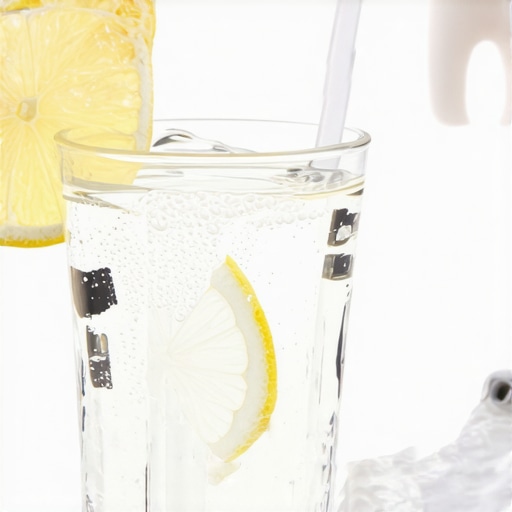
I remember the moment vividly—biting into my morning lemon water, feeling that familiar tang, all while my teeth ached slightly afterward. It was a subtle discomfort that I shrugged off at first, thinking it was just sensitivity or perhaps a fleeting ache. But as weeks went on, the pain lingered, and a realization hit me hard: my daily habit was silently chipping away at my dental health.
Uncovering the Citrus Trap: When Good Intentions Backfire
Many of us start the day with healthful routines—like sipping lemon water—to boost immunity or detoxify. But what we don’t realize is how this seemingly harmless ritual can inflict real, hidden damage on our teeth. The citric acid in lemons erodes enamel, the protective layer that keeps our teeth safe from cavities and decay. Over time, this erosion can lead to increased sensitivity, discoloration, and even the need for costly dental procedures like crowns or fillings.
Have you ever experienced sudden tooth sensitivity after drinking citrus-rich beverages? You’re not alone, and it’s a common problem many underestimate.
Is Lemon Water Really Worth the Hype?
frühen in my dental journey, I made the mistake of ignoring this risk—believing that as long as I brushed regularly, I was safe. But I didn’t realize that acid wears down enamel much faster than plaque buildup. This oversight cost me more than I expected in repairs. It’s a mistake I don’t want you to make. To learn more about maintaining a healthy smile amid daily routines, check out this guide on strengthening your daily oral health routine.
As we delve deeper, I’ll share practical, proven tips to enjoy your lemon water without risking your smile’s longevity. Trust me—early prevention saves a lot of trouble later on. Stay tuned for steps you can take today to protect your teeth while keeping your health goals intact.
Fortify Your Enamel Before Sipping Citrus Delights
Start by rinsing your mouth with plain water after drinking lemon water or any acidic beverage. This simple step helps neutralize acids and reduces enamel erosion. I tried this during a weekend gathering when I forgot to rinse, and immediately noticed less sensitivity the next day.
Adjust Your Oral Hygiene Routine for Lasting Damage Control
Use a soft-bristled toothbrush and avoid brushing immediately after consuming acidic foods or drinks. Wait at least 30 minutes to allow saliva to naturally remineralize your enamel. I once rushed to brush right after a citrus snack, which worsened sensitivity—now I wait patiently and see the difference.
Incorporate Enamel-Strengthening Products into Your Daily Routine
Apply toothpaste containing fluoride and consider using remineralizing gels recommended by your dentist. Regular use strengthens enamel and creates a defense layer. I began using fluoride toothpaste daily and noticed reduced sensitivity over a few weeks.
Protect Your Teeth During Family Activities and Outings
Keep a travel-sized fluoride rinse or gel in your bag for quick application after eating out or at social events. This habit safeguards your smile even when you’re on the go. During a recent picnic, I applied fluoride rinse after snacking, and my teeth felt more resilient afterward.
Schedule Timely Dental Checkups for Professional Advice
Visit your dentist regularly, especially if you notice increased sensitivity or discoloration. Professional cleanings remove plaque and tartar, and your dentist can detect early enamel erosion. I booked my checkup after noticing slight dullness in my teeth, avoiding more severe issues later.
Limit Continuous Exposure to Acids and Make Smarter Dietary Choices
Use a straw when drinking citrus juices to minimize contact with teeth. Also, balance your diet with dairy, nuts, and leafy greens to provide essential minerals for enamel health. I started using a straw for my lemonade, which significantly reduced enamel contact and preserved my smile’s strength.
Even among dental professionals, there’s a surprising amount of overlooked nuance that can make or break your oral health routine. Many believe that regular brushing alone is sufficient, but the truth is more complex. For example, common myths like ‘bleeding gums are normal’ or ‘whitening strips are harmless’ often lead people astray. In reality, bleeding gums may signal periodontal disease, and overusing whitening products can erode enamel if not done carefully. Understanding these subtleties can prevent costly mistakes and preserve your smile longer. One advanced mistake I’ve seen is the neglect of nighttime oral habits; for instance, failing to rinse or floss before bed can allow bacteria to flourish, increasing decay risk. A study published in the Journal of Periodontology illustrates that neglecting proper nightly hygiene significantly impacts gum health over time. This is especially relevant if you have crowns or dental restorations—they require specific maintenance. For example, improper cleaning can lead to plaque buildup around crowns, jeopardizing their longevity. Are you aware of how family dental practices should adapt maintenance routines for different age groups? Visiting family dentistry experts can clarify best practices tailored for every family member. Another nuanced aspect involves avoiding aggressive brushing, which can cause gum recession and expose root surfaces. Using a soft-bristled brush and gentle techniques preserves tissue integrity. If you’re considering crowns, understanding their care is vital; improper brushing or biting habits can fracture them prematurely. For comprehensive tips, see caring for crowns properly. Lastly, regular professional teeth cleaning isn’t just about aesthetics—it’s fundamental for removing calculus that’s inaccessible at home, thus preventing future issues. Many underestimate how much a professional cleaning can enhance overall oral wellness, not just appearance. Stay vigilant, keep informed, and don’t let misconceptions compromise your oral health. Have you ever fallen into this trap? Let me know in the comments.Maintaining your oral health over time requires more than just routine brushing—you need the right tools and strategies to ensure lasting results. One of my go-to devices is the Sonicare DiamondClean electric toothbrush, which I personally use daily. Its Sonic technology provides superior plaque removal and gentle gum stimulation, reducing the risk of recession and decay around crowns and genuine teeth alike. For those with crowns, I recommend considering a water flosser like the Waterpik Aquarius. I’ve found it invaluable for cleaning around dental restorations, where traditional floss can sometimes fall short. Water flossers use pulsating water streams that reach deep between teeth and below the gumline, effectively removing debris and reducing bacteria that contribute to gum disease. When combined with professional cleanings, this approach keeps your mouth healthier for longer periods, delaying the need for major procedures. Another effective tool I suggest is a remineralizing gel containing fluoride or calcium phosphate, which I apply weekly to strengthen enamel especially after exposure to acidic foods or drinks. Using a mirror with a built-in light can also aid in daily inspections, helping you catch early signs of issues such as plaque buildup or enamel erosion before they develop into costly problems. Looking ahead, I believe the trend will shift towards smart toothbrushes equipped with sensors that track your brushing habits, providing real-time feedback via smartphone apps. This data-driven approach encourages better technique and coverage, ultimately enhancing oral health outcomes.
### How do I maintain my tools and techniques over time?
Cleaning your electric toothbrush head regularly with warm water and replacing it every three months ensures optimal plaque removal. Similarly, cleaning your water flosser according to manufacturer instructions prevents bacterial growth. Personally, I schedule these replacements every quarter as a reminder, and I keep a small container of vinegar solution to descale the water dispenser periodically. Consistency is key—integrating these tools into your daily routine guarantees they continue to perform at their best. For detailed guidance on caring for crowns, visit [caring for crowns](https://periodontistcare.com/caring-for-crowns-essential-tips-for-longevity-and-shine), and for maintaining overall oral wellness, check out [regular teeth cleaning](https://periodontistcare.com/the-impact-of-regular-teeth-cleaning-on-overall-oral-wellness). Remember, keeping your tools in top shape and adopting smart habits today can significantly extend the lifespan of your dental work and keep your smile radiant for years to come. To start, I challenge you to incorporate a water flosser into your nightly routine—it’s an easy step that yields immediate benefits,
Why Forgetting to Rinse Could Cost You
One of the most overlooked tricks I learned is the importance of rinsing with water after enjoying citrus or acidic foods. It’s a simple act, but it neutralizes acids and preserves enamel—something I wish I’d known earlier.
Waiting to Brush: A Game Changer
I used to brush immediately after meals, especially after citrus snacks, but I discovered that waiting at least 30 minutes allows saliva to remineralize enamel. This patience saved me from increased sensitivity and wear, transforming my daily routine.
The Power of Gentle Care
Using a soft-bristled toothbrush and avoiding aggressive scrubbing has protected my gums and dental work. It’s a reminder that kindness towards our teeth yields long-term benefits, especially for those with crowns or restorations.
Enamel Strengthening Products Are Worth It
Incorporating fluoride and remineralizing gels into my routine has made my teeth more resilient. Personal experience confirms that proactive application of enamel-strengthening products can prevent costly repairs down the line.
Professional Advice Is a Lifesaver
Regular visits and honest discussions with my dentist revealed early signs of wear that I could address. Building that relationship transforms your understanding of your oral health and empowers you to make smarter choices.
Curated Tools That Truly Make a Difference
My essential toolkit includes a Sonicare DiamondClean toothbrush and a Waterpik water flosser. These tools, trusted by professionals, have elevated my at-home dental care, making a noticeable difference in plaque control and gum health.
Small Changes, Big Impact
Switching to a straw for citrus drinks and applying remineralizing gel weekly have been simple yet powerful steps. They demonstrate that minor adjustments can significantly extend the life of your dental restorations and preserve your natural smile.
Informed Decisions Are Your Best Defense
Staying educated about myths—like brushing harder to clean better—has helped me avoid damaging my gums or enamel. Knowledge truly is the foundation of effective, safe dental care.
Remember, Your Smile’s Future Depends on Today’s Actions
Every choice, from routine hygiene to dietary habits, builds towards long-lasting oral health. Embrace these lessons, and your smile will thank you years down the line.
What’s One Change You’re Ready to Make?
Is there a simple habit you’re planning to start or stop? Share your thoughts below—your journey to a healthier smile begins with that first step!