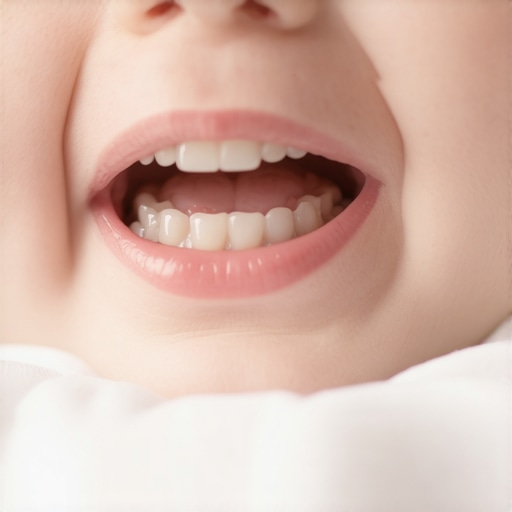
I remember the exact moment I realized I had overlooked the significance of my baby’s first tooth. It was during a routine cleanings appointment when my child’s tiny, newly erupted tooth caused my dentist to pause, frown, and then explain that early dental health sets the foundation for a lifetime of smiles. That lightbulb moment made me question everything I thought I knew about baby teeth.
The Hidden Power of That Tiny Tooth
For most parents, the first eruption of a baby’s tooth is cute and fleeting—another milestone to capture and celebrate. But what if I told you that ignoring that small, fragile tooth could lead to bigger issues down the road? Poor early dental care doesn’t just affect aesthetics; it impacts your child’s overall health, their confidence, and even their future relationship with dental treatments like crowns and fillings. The good news? Small changes now can make a huge difference. We’ll explore exactly why that first tooth deserves your attention and how you can lay the groundwork for a healthier, brighter smile.
Is the First Tooth Really as Critical as They Say?
Early on, I thought my focus could be on teaching my child to brush and avoid cavities later. Turns out, I made a common mistake—thinking that baby teeth are temporary and therefore less important. In reality, neglecting that tiny tooth can cause premature decay, pain, and even misaligned permanent teeth. Studies suggest that untreated cavities in primary teeth can lead to infections that spread and affect your child’s overall health (source: Impact of Regular Teeth Cleaning). So, how do we ensure we’re doing right by our little ones right from the start? The answer lies in understanding the significance of that first tooth and implementing simple, effective routines to protect it. Let’s dive into the foundational steps that every parent should know, starting with recognizing the true importance of that first precious smile.
Mastering Daily Dental Care for Your Little One
Start with a soft-bristled toothbrush designed for infants, using a tiny dab of fluoride toothpaste. Gently massage your child’s gums and brush their emerging teeth twice daily, emphasizing the chewing surfaces. I once struggled with my toddler refusing brushing, but I turned it into a game—making it playful helped them tolerate it. Consistency is key: set a routine that your child can associate with bonding time, making oral hygiene a positive experience. For deeper cleaning, introduce age-appropriate flossing once teeth touch, handling it with care and patience.
Establishing Routine Dental Checkups
Book your child’s first dental visit by their first birthday, treating it as a routine check-up rather than a treatment. During the appointment, the dentist will examine teeth, gums, and bite, providing tailored advice. I remember nervously watching my kid’s first visit, but when the dentist explained that early detection prevents future problems, I realized it was worth the effort. Regular visits (every six months) serve as a preventative measure, catching issues early before they escalate.
Deciphering the Role of Professional Cleanings and Sealants
Professional cleanings remove plaque and tartar inaccessible at home, crucial for preventing cavities. Imagine it as a detailed spring cleaning for your child’s mouth—something that cannot be achieved with a toothbrush alone. The dentist may also apply dental sealants—thin protective coatings on molars that act as a barrier against decay. My child’s sealant application was quick, and it provided peace of mind knowing their teeth had an extra layer of defense. Keep up with these visits to ensure your child’s oral hygiene stays optimal. Learn more about oral health tips for families.
Easy At-Home Techniques for Better Results
Supplement professional care with effective home practices. Use an electric toothbrush for thorough cleaning, especially in hard-to-reach areas—think of it as being a miniature dental hygienist. Encourage your child to rinse with a fluoride mouthwash suitable for their age; it helps strengthen enamel, making their teeth more resistant to decay. Regularly inspecting their mouth for early signs of issues, like discoloration or loose teeth, can prevent bigger problems. My son once had a small white spot on his molar, which I caught early and discussed with our dentist. Prompt action avoided costly treatments later. For ongoing success, refer to effective home practices for family dental health.Many people believe that regular brushing and occasional flossing are enough for optimal oral health, but the truth is more nuanced. A widespread misconception is that professional cleanings are solely for stain removal; in reality, they play a crucial role in preventing periodontal disease and systemic health issues, as highlighted in recent studies by dental experts. Another myth is that dental crowns are just cosmetic fixes; however, when properly integrated, crowns can restore function and prevent further decay, especially if you follow tips from caring for crowns. One common trap to avoid is neglecting family dental visits, which can lead to missed early signs of cavities or misaligned teeth that might require complex intervention later. It’s essential to understand that oral health isn’t isolated—issues like gum disease have links to heart health, making prevention even more vital.
How can advanced techniques improve your family’s oral care routine?
Modern dentistry employs methods such as digital X-rays and laser treatments that minimize discomfort and enhance detection of problems before they become severe. For example, laser therapy for gum disease not only reduces healing time but also improves long-term outcomes, as documented in oral wellness studies. Additionally, understanding the importance of personalized preventative plans—tailored after comprehensive assessments—can significantly boost the effectiveness of your dental care. Don’t fall prey to the myth that after a certain age, dental issues are inevitable; with proper maintenance and advanced options like crowns and restorations, you can preserve your smile well into later years. Remember, consistent, informed actions are key. Have you ever fallen into this trap? Let me know in the comments.Maintaining excellent oral health over time requires the right tools and a strategic approach. Personally, I recommend investing in a high-quality electric toothbrush like the **Philips Sonicare DiamondClean** because of its superior plaque removal capabilities and customizable settings that adapt to different sensitivities. Its sonic technology not only cleans more thoroughly than manual brushes but also stimulates gums, promoting better circulation and health. I also incorporate a water flosser such as the **Waterpik Aquarius** into my routine. Unlike traditional floss, this device uses pressurized water to dislodge debris from hard-to-reach areas, which is especially beneficial for patients with crowns or implants, as detailed in expert advice on crowns and long-term cleaning. For tracking oral health progress, I utilize dental health apps like **SmileDirectClub’s app** that remind me of routine checkups and provide personalized tips. As technology advances, I predict that integrated AI-powered devices will soon analyze plaque levels in real-time, offering immediate feedback and tailored cleaning routines. This proactive approach can significantly reduce the risk of cavities and gum disease, preserving your smile for decades.
How do I maintain my dental tools over time?
Proper cleaning and storage of your toothbrush and water flosser are crucial for longevity and effectiveness. Rinse devices thoroughly after each use and replace toothbrush heads every three months or sooner if bristles wear out. Keep your water flosser’s water reservoir clean and dry when not in use to prevent mold. Regularly check your devices for any signs of damage or wear, as AADT (American Association of Dental Therapists) recommends, to prevent bacterial buildup and ensure optimal performance. Don’t forget to schedule routine professional cleanings, which provide a deeper clean that at-home tools can’t replicate, as emphasized in the importance of regular cleanings. Incorporating these tools into your daily routine can drastically improve your oral health outcomes. So, why not try upgrading to a sonic toothbrush and integrating a water flosser into your regimen today? Small changes can lead to big, lasting improvements in your smile’s health and brightness.
Lessons That Changed My Perspective on Family Dentistry
One of the biggest revelations was realizing that early dental care isn’t just about avoiding cavities—it’s about fostering lifelong habits and confidence. The moment I understood that neglecting a single tiny tooth could lead to complex—and costly—issues was eye-opening. It taught me that proactive steps taken today can prevent a cascade of problems tomorrow.
I also learned that regular visits to the dentist serve as an investment, not just a check-up. These appointments uncover hidden issues before they escalate, making treatment simpler and less invasive. Embracing advanced techniques like digital X-rays and sealants has been a game-changer in maintaining my family’s oral health effortlessly.
Finally, I discovered that creating a positive and routine-driven environment around dental care shapes children’s perceptions and habits. Turning brushing and flossing into engaging activities fosters cooperation and turns compliance into a family tradition, rather than a chore.
My Essential Tools for Lasting Family Smiles
Swapping out my old manual toothbrush for a sonic model like the Philips Sonicare DiamondClean revolutionized our routine. Coupled with a Waterpik water flosser, these tools have helped us stay ahead of plaque and tartar buildup. I trust these because they’ve been proven to improve oral hygiene noticeably.
Educational resources like family-friendly dental tips and the latest advice from dental professionals keep me informed and confident in our routine. Combining proper tools with trusted information ensures our family maintains healthy, bright smiles for years to come.
Take Action for a Brighter Future
Your family’s oral health is an ongoing journey, not a one-time effort. Prioritizing early dental visits, leveraging modern technology, and fostering positive habits can create a foundation of health and happiness that lasts a lifetime. Remember, the choices you make now influence how confidently your loved ones will smile as they grow older.
Have you experienced a turning point in your approach to family dental care? Share your story below—your insights might inspire someone to take that first proactive step today.