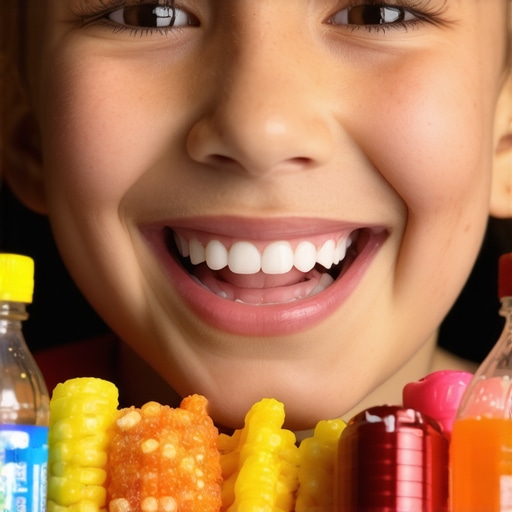
It was late, way past bedtime, when I caught myself sneaking into the kitchen and indulging in a sugary snack. Suddenly, a vivid memory hit me—this was exactly the kind of habit I didn’t want my kids to imitate. That moment made me realize something shocking about night-time eating and my child’s enamel health. As parents, we’re often aware of candies and sodas, but there’s a sneaky culprit that does even more damage: certain snacks that seem harmless but are deadly for tooth enamel. Today, I want to share the eye-opening truth I uncovered and how you can protect your child’s smile from these silent attackers.
Why Nighttime Snacking Could Be Destroying Your Child’s Teeth
Many parents focus on brushing and flossing, believing these habits are enough to keep decay at bay. But what about the foods and snacks consumed right before bed? During sleep, saliva production drops, which means less natural rinsing of sugars and acids from the mouth. This creates a perfect storm for enamel erosion, especially if the last snack of the day is sugary or acidic.
From my experience, I initially thought that brushing immediately after a sugary treat would fix the problem. Turns out, brushing at the wrong time can actually worsen enamel erosion, particularly if the enamel has been softened by acids from snacks. Early on, I made the mistake of thinking all snacks are equally harmless—only to learn that some, particularly those high in sugar and acidity, are far more damaging than I realized. That mistake cost me valuable time and, more importantly, my child’s dental health.
Here’s my promise for you: I’ll guide you through identifying these harmful snacks, explain why they damage enamel, and share effective routines to safeguard your family’s smiles. If you’re tired of feeling anxious every night as your child reaches for that snack, stick with me—help is on the way.
Skeptical? Is Nighttime Snacking Really That Bad?
You might wonder, “Is a late-night snack really that dangerous?” Believe me, I thought the same at first. It was only after I reviewed some research that I understood the real impact. According to the American Dental Association, nighttime snacks can significantly contribute to enamel erosion because of decreased saliva flow during sleep, which normally helps neutralize acids and wash away debris. So, yes—what we eat late at night can be setting us up for cavities and sensitive teeth without us even realizing it.
In my early days of parenthood, I underestimated this issue. I used to think regular brushing was enough, but I learned that timing and snack choices matter just as much. If you’ve ever caught your child waking up with a toothache or noticed increased sensitivity, these could be signs that nighttime habits are doing more harm than good.
Now, let’s explore what specific snacks pose the greatest risks and how to craft a bedtime routine that keeps those dangerous acids where they belong—out of your child’s teeth.
Choose Snacks Wisely Before Bedtime
Start by knowing which snacks are the enemies of enamel. Limit sugary treats like candies and sweetened cereals, and avoid acidic options such as citrus fruits or soda. Instead, opt for water or plain, unsweetened Greek yogurt. When I tried substituting my child’s evening snack with a piece of cheese and some nuts, I noticed a significant reduction in morning sensitivities. Cheese is rich in calcium and helps neutralize acids, acting as a shield for the enamel.
Establish a Consistent Cleaning Routine
Develop a nightly oral health routine that includes brushing and flossing at the right times. Brush at least 30 minutes after the last snack to allow saliva to remineralize enamel that acids may have softened. Use a soft-bristled toothbrush and fluoride toothpaste, and consider an antibacterial mouthwash. I learned that rushing through these routines leaves plaque and sugars behind, increasing erosion risk. Consistency is key to strengthening your child’s teeth day after day.
Timing Matters for Brushing
Avoid brushing immediately after snacks high in sugar or acid, as this can damage softened enamel. Wait at least 30 minutes to let saliva naturally neutralize acids. During that time, encourage rinsing with plain water or a fluoride rinse to help wash away debris. My initial mistake was brushing right away, which I thought helped; but delaying actually preserved the enamel. Remember, gentle cleaning is more effective than aggressive scrubbing.
Use the Right Tools for a Gentle Clean
Select a toothbrush suited for your child’s age and sensitivity. Soft-bristled brushes clean effectively without abrading enamel. Replace toothbrushes every three months or sooner if bristles fray. Electric toothbrushes often provide more consistent cleaning and are easier for kids to handle—just make sure to choose one with a gentle setting. I decided to switch to an electric brush after reading about their benefits on soft-bristle toothbrushes. The difference was immediate, and my child’s gums felt healthier.
Incorporate Saliva-Boosting Activities
Encourage activities that promote saliva production, like chewing sugar-free gum or eating crunchy vegetables. Saliva acts as a natural buffer, neutralizing acids and aiding remineralization. I started offering sugarless gum after dinner, which made a noticeable difference the next morning—less sensitivity and a brighter smile. This simple action helps wash away lingering acids and sugars, reinforcing the enamel’s defenses.
Schedule Regular Dental Check-Ups
Don’t wait for problems to become obvious. Regular visits to your family dentist allow early detection of enamel erosion or cavities. Professional cleanings, like those described in effective home practices, combined with professional care, create a robust shield around your child’s teeth. During these visits, ask about preventive treatments such as fluoride varnishes, which can strengthen enamel over time. I found that proactive scheduling saved us from costly repairs down the line.
Many people believe that once a dental crown is placed, it will last forever with minimal maintenance. But overconfidence in crowns can lead to neglecting critical aspects of oral health, risking costly repairs. A common misconception is that crowns require no special care beyond regular brushing. In reality, improper cleaning techniques, like using abrasive toothpaste or ignoring the need for specialized tools, can damage both the crown and surrounding tissues. For example, neglecting the importance of flossing around crowns can lead to plaque buildup and gum disease, ultimately compromising the longevity of the restoration. Additionally, many assume that all teeth cleanings are equal; however, studies show that professional cleanings tailored specifically to your unique oral environment can significantly reduce the risk of decay and periodontal issues. Overlooking routine professional care is a silent trap that often results in unnecessary dental problems. What most skip is understanding the nuanced differences between home care and professional interventions. Incorporate effective routines recommended in effective home cleaning practices to protect your smile. Recognizing the signs of early crown failure—such as sensitivity or looseness—can prevent more extensive procedures later. Always communicate with your dentist about the best maintenance strategies; a one-size-fits-all approach rarely works. For advanced insights, I suggest exploring tips for caring for crowns. Remember, proper understanding and tailored routines are your best defense against unforeseen issues that could compromise both your dental health and your wallet. Have you ever fallen into this trap? Let me know in the comments.
Keeping It Working: Tools and Strategies for Long-Term Dental Health
To ensure your crowns, fillings, and overall oral health remain in top shape, investing in the right tools and adopting effective routines is crucial. Personally, I rely on a combination of electric toothbrushes, specialized floss, and professional-grade products to maintain my family’s smiles. An electric toothbrush with a timer and pressure sensor, like the Oral-B Genius series, has dramatically improved plaque removal and gum health—plus, the gentle modes prevent enamel erosion.
For detailed guidance on choosing suitable cleaning tools, I recommend reviewing effective home cleaning practices. Regular use of interdental brushes and water flossers has also helped me target hard-to-reach areas around crowns and between teeth, reducing plaque buildup. Remember, the longevity of dental restorations depends heavily on your daily maintenance routine.
In addition to tools, professional preventive treatments are vital. Fluoride varnishes, sealants, and periodic check-ups reinforce your defenses against decay. I schedule cleanings every six months and ask my dentist about applying remineralization agents that can strengthen enamel over time. These measures are part of an ongoing effort to keep dental work functional and your smile radiant.
How do I maintain dental work over time?
Maintaining your dental restorations involves a combination of using the right tools, practicing conscientious oral hygiene, and scheduling regular dental visits. Be cautious with abrasive toothpaste, which can damage crowns and veneers. Instead, opt for silica-based, low-abrasion formulas recommended by your dentist. Also, avoid habits like biting on ice or opening packages with your teeth, which can jeopardize your restorations. For guidance tailored specifically to crowns, check dos and don’ts for crowns.
In the future, advancements like AI-driven oral health monitoring and smart toothbrushes with real-time feedback are poised to revolutionize home maintenance routines. Embracing technology now can preempt problems before they become costly repairs. For example, smart toothbrushes connected to apps can track your brushing habits and alert you to missed spots—helping you maintain your dental work effectively. I plan to integrate such tools into my routine and encourage you to try the latest models for smarter, more personalized care.
Don’t forget that excellent oral health isn’t just about tools—regular professional evaluations and staying informed about latest innovations are equally important. For ongoing tips, I regularly review routine-strengthening strategies and best brushing practices. Combining these insights with advanced equipment ensures your smile remains functional and beautiful for years to come.
The Hardest Lesson I Learned About crowns,teeth cleaning,oral health,family dentistry
One profound realization came when I recognized that consistent, personalized dental routines trump generic advice. Early mistakes, like neglecting tailored care for my crowns, cost me more in the long run. Embracing expert guidance and understanding my unique needs transformed my approach—saving my smile and my confidence.
My Essential Toolkit for Tooth-Enamel Defense
From soft-bristled electric toothbrushes to fluoride rinses, my chosen tools are rooted in proven effectiveness. These resources empower me to maintain enamel integrity daily, reinforcing my commitment to lasting oral health. Discovering trusted products like the Oral-B Genius series has made routine care both simple and impactful.
Becoming My Own Dental Advocate
Taking ownership of my dental journey has unlocked confidence I never anticipated. Regular professional evaluations, combined with ongoing education via reputable sources, ensure my smile remains vibrant. Engaging actively with my dentist and staying informed through trusted sites like effective home cleaning practices keeps problems at bay and empowers me with knowledge.
Let’s Keep the Momentum Going
No matter where you are in your dental health journey, remember that change is within your reach. Small daily actions, awareness of your unique needs, and embracing innovative tools can create a resilient, beautiful smile for years to come. Your commitment today shapes your radiant future—so start now!
What’s one habit you’re ready to transform to protect your smile? Share your thoughts below and let’s support each other’s journey to lasting dental health!