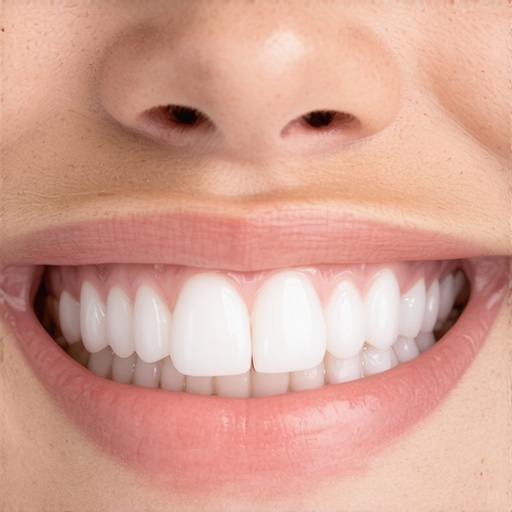
One morning, I caught a glimpse of my reflection and did a double take. There they were—stubborn, yellowish coffee stains spotlighting my smile. It hit me hard: I love my morning brew, but I don’t want to compromise my dental health in the process. That lightbulb moment made me realize how many of us grapple with stained teeth yet shy away from aggressive whitening treatments that can harm delicate surfaces. If you’re like me, you’ve probably tried everything—whitening strips, abrasive toothpaste, or even home remedies with dubious results—and still found stains lingering stubbornly.
Why Coffee Stains Are More Than Just Aesthetic Nuisances
Coffee and tea are some of the most consumed beverages worldwide, and their dark pigments attach easily to the enamel’s porous surface. Over time, these stains can deepen, making your smile look dull and aged. But beyond vanity, discoloration can be an indicator of enamel erosion, and poor stain removal methods might even weaken your teeth further. The key is understanding how to clean these stains effectively without risking damage to your protective surface.
Are you tired of trying whitening products that leave your teeth sensitive or look worse? Trust me, you’re not alone. Early mistakes like overusing abrasive products can scratch the enamel, leading to increased sensitivity and even more staining down the line. I learned this the hard way after scrubbing my teeth vigorously with baking soda, which initially seemed to help but later caused irreversible damage.
According to recent research, improperly performed whitening can cause pulp irritation and enamel thinning, which underscores the importance of knowing the right approach (source: https://periodontistcare.com/expert-advice-on-crowns-and-teeth-cleaning-for-lasting-results). That’s why today, I want to share effective, safe tips I’ve adopted from my own experience and trusted dental advice, ensuring your smile stays bright and healthy.
Before diving into the practical steps, let’s address one common skepticism:
Is Your Natural Tooth Enamel Really Safe From Whitening Techniques?
Many fear that whitening treatments will weaken their teeth permanently. Early on, I thought that any whitening method was risky, which made me hesitant to take action. But I discovered that with proper technique and professional guidance, you can preserve your enamel while removing stains. It’s all about choosing methods that are gentle yet effective.
If you’ve faced the frustration of coffee stains that just won’t budge despite using every over-the-counter product, you’re in the right place. I’ve been there, and I assure you, there are safe, doable ways to enhance your smile without damaging your precious surface. Keep reading, and I’ll show you how to keep your teeth white and healthy for years to come.
Start with Proper Oral Hygiene Practices
Establish a daily routine of brushing twice with a soft-bristled toothbrush, focusing on all surfaces of your teeth. I once struggled with aggressive brushing, which caused gum recession; switching to gentle circular motions protected my gums and enamel. Remember, over-brushing can wear down your enamel, making stains more noticeable. Integrate flossing into your routine daily to remove plaque and prevent staining from build-up, ensuring your whitening efforts are not undermined by overlooked debris.
Choose Gentle Whitening Methods
Use Whitening Pastes Strategically
Opt for non-abrasive whitening toothpastes containing gentle polishing agents. I experimented with a natural-looking paste, which gradually lifted surface stains without causing sensitivity. The key is consistency; don’t expect instant results and avoid overusing abrasive products, which can scratch enamel—a mistake I made early on. Remember, these pastes work best for superficial stains and should be complemented by other methods for deeper discoloration.
Consider Professional, Minimal-Invasion Treatments
Professional dental cleaning is a safe, effective way to remove surface stains and tartar. During my appointment, the hygienist used ultrasonics to break down hardened plaque, restoring whiter-looking teeth. These cleanings don’t harm your protective enamel—they actually protect it by preventing stain buildup. For deeper stains, inquire about non-invasive whitening options that your dentist can recommend, ensuring safety and efficacy.
Adjust Your Diet and Habits
Limit intake of staining foods and beverages like coffee, red wine, and dark berries. I found that using a metal straw minimized contact with my front teeth, reducing stain transfer. Rinse your mouth with water after consuming stain-producing substances; I kept a bottle handy during coffee breaks. Additionally, avoid smoking or using tobacco products, which significantly accelerate staining and discoloration.
Enhance Outcomes with Regular Professional Maintenance
Schedule routine dental check-ups and cleanings every six months. I committed to this schedule, which not only maintained my whitening results but also prevented plaque accumulation. Regular visits allow your dentist to monitor enamel integrity and recommend personalized at-home care routines to keep your teeth bright and healthy. This approach is more effective than attempting to DIY-whiten or scrape stains at home, risking damage or sensitivity.
Implement At-Home Supported Techniques
Use baking soda occasionally as a gentle, natural abrasive—careful not to overdo it, as I learned the hard way causing minor enamel wear. Mix a small amount with water to create a paste and brush lightly for a minute or two. Also, consider oil pulling with coconut oil, which I tried to reduce biofilm and surface stains; while results vary, this practice supports overall oral health when combined with proper brushing. Always verify these methods with your dentist to avoid unintended damage.

Visual guide illustrating proper brushing and flossing techniques to prevent stain accumulation and enamel wear.
Seek Professional Advice for Persistent Stains
If stubborn stains persist despite your diligent efforts, consult a dental professional. I personally contacted my dentist via this link to discuss personalized options. Professionals can evaluate your enamel status and recommend safe whitening treatments tailored to your needs. Remember, attempting aggressive whitening at home can cause irreversible damage, so professional guidance ensures your smile remains both bright and strong.
Many people believe that brushing more aggressively will speed up stain removal or cavity prevention, but in reality, this common misconception can lead to enamel erosion and gum recession. Overzealous brushing, especially with hard-bristled toothbrushes, damages the protective layer of your teeth, exposing dentin and increasing sensitivity. Additionally, a prevalent myth suggests that frequent professional cleanings weaken enamel; however, expert dental advice confirms that regular cleanings actually strengthen your oral health, preventing more severe issues downstream. One critical nuance often overlooked is that dental plaque isn’t just a surface concern—it’s a biofilm resistant to brushing alone, which is why professional cleanings are irreplaceable. Did you know that neglecting the connection between gum health and systemic conditions like heart disease can be a costly oversight? Studies show that gum inflammation is linked to cardiovascular risks, emphasizing the importance of comprehensive family dentistry. Avoid falling into the trap of thinking that DIY remedies or over-the-counter products can substitute routine professional care—this can exacerbate problems rather than solve them. Want to ensure your family’s oral health is truly optimized? Regular visits to a trusted dental professional who understands the subtle complexities can make a significant difference. If you’re unsure about how often to schedule check-ups or have doubts about specific treatments like crowns or deep cleanings, consult an expert; they can tailor advice to your unique needs. Remember, proactive care and correcting misconceptions about what truly benefits your dental health are vital steps toward maintaining a radiant smile. For advanced insights, explore how professional crowns can enhance both function and aesthetics, and discover the importance of tailored oral hygiene routines at https://periodontistcare.com/expert-advice-on-crowns-and-teeth-cleaning-for-lasting-results. Have you ever fallen into this trap? Let me know in the comments.Maintaining your dental work and ensuring long-term oral health requires more than just good habits; it demands the right tools and consistent care. I personally swear by electric toothbrushes with pressure sensors, like the Oral-B Genius series, because they provide gentle yet thorough cleaning, especially around crowns and veneers, preventing plaque buildup that can cause decay or discoloration. Additionally, a water flosser such as the Waterpik Aquarius has transformed my flossing routine by effectively removing debris without damaging sensitive gums or delicate restorations, unlike traditional floss that can sometimes be too abrasive. Choosing the right toothbrush and interdental cleaner is crucial for preventing staining and preserving the integrity of crowns.
Investing in clinically proven whitening pens like Crest 3D White apply precisely to problem areas, offering controlled application without the overuse that can harm sensitive restorations. For thick plaque removal, an ultrasonic scaler used by professionals is irreplaceable, but at-home ultrasonic devices are emerging, and I’m curious about how they will improve maintenance routines in the future.
Regularly using fluoride-based mouth rinses strengthens enamel, especially around restorations, while avoiding acidic drinks maintains their shine and bond integrity. To seamlessly integrate these tools into my routine, I schedule professional cleanings aligned with their use, ensuring my crowns and natural teeth are equally protected. It’s exciting to see innovations heading toward AI-powered brushes and smart sensors that monitor cleaning habits and provide personalized feedback, promising a future where maintaining dental work becomes even more precise and effortless.
**How do I maintain my dental tools over time?** Proper storage, regular replacement of brush heads, and adhering to manufacturer instructions extend their effectiveness. Cleaning your electric toothbrush heads weekly with hydrogen peroxide and replacing them every three months prevents bacterial buildup. Similarly, replacing flossers and mouth rinses periodically ensures optimal hygiene.
By investing in these targeted tools and staying consistent, I’ve seen significant improvements in the longevity of my crowns and overall oral health. If you’re ready to upgrade your routine, consider trying an ultrasonic device or a high-quality water flosser to elevate your maintenance game. Always remember, professional guidance from your dentist can help tailor the most effective combination of tools for your unique needs. To explore advanced options for preserving your crowns, visit https://periodontistcare.com/caring-for-crowns-essential-tips-for-longevity-and-shine.
The Hardest Lesson I Learned About oral health,crowns,teeth cleaning,family dentistry
One thing that truly struck me was how easily I overlooked the subtle signs of enamel wear, thinking that regular brushing was enough. A lightbulb moment happened when I realized that aggressive brushing wasn’t protecting my teeth but damaging them. Sometimes, the hardest lessons come from quiet mistakes I only notice when it’s almost too late, like neglecting the importance of gentle techniques and professional guidance in maintaining a healthy smile.
My Essential Toolkit for Long-Term Dental Happiness
Over the years, I’ve discovered that investing in quality tools like electric toothbrushes with pressure sensors and water flossers made a huge difference. I trust brands like Oral-B for their reliability and features that protect my enamel while cleaning thoroughly. These tools, combined with professional cleanings, have become the backbone of my oral health routine, ensuring my crowns and natural teeth stay vibrant and strong.
Your Turn to Make a Change
Taking care of your smile isn’t just about quick fixes; it requires conscious choices and reliable guidance. If you’re ready to embrace a smarter, safer approach to your dental health, start with small adjustments today. Remember, your smile is an invaluable asset—treat it with the care it deserves. How will you prioritize your oral health this week? Share your plan below and let’s motivate each other to smile brighter!