
I remember the moment vividly. Sitting in the dental chair, I felt that uncomfortable, gritty sensation on my teeth after neglecting my routine cleaning for months. That lightbulb moment hit me hard — skipping those scheduled cleanings wasn’t just about saving time or money; it was silently setting me up for a much bigger, more expensive problem. Have you ever brushed off a dental appointment, thinking it’s just a quick visit and won’t make much difference? Trust me, I used to think the same way. But experience taught me otherwise.
The Cost of Ignoring Routine Cleanings
Is Neglecting Your Dental Hygiene Worth the Risk?
Early in my career, I made the mistake of skipping my regular professional teeth cleanings because I thought I was doing a good job at home. Turns out, my diligent brushing and flossing missed some stubborn plaque and tartar buildup hidden in hard-to-reach spots. This led to more serious issues that eventually required costly treatments like deep cleanings, crowns, and even root canals. Studies indicate that patients who neglect routine cleanings are five times more likely to develop periodontal disease, which can lead to tooth loss and other health problems. Ignoring basic maintenance may seem harmless at first, but over time, it accumulates into expensive repairs and health risks.
Personally, I learned the hard way that preventive care isn’t just about preventing cavities; it’s a shield against complex and costly dental procedures. Skipping cleaning appointments might save a few dollars upfront but could lead to hundreds, even thousands, of dollars in future treatments. Plus, the discomfort and inconvenience far outweigh the short-term savings.
If you’re like me, wondering whether the occasional missed cleaning is really a big deal, I encourage you to read more about how
Establish a Daily Oral Hygiene Routine
Start with brushing twice daily using a soft-bristled toothbrush, focusing on all surfaces of each tooth. Personally, I once rushed through my morning brush, only to find stubborn plaque lingering in hidden spots. Later, I learned to dedicate at least two minutes per session, ensuring every nook and cranny is cleaned effectively. Using fluoride toothpaste strengthens enamel and fights decay.
Master Proper Brushing Techniques
Use gentle, circular motions rather than aggressive scrubbing, which can damage gums and enamel. For example, I once applied too much pressure, causing gum recession. Now, I gently brush in small circles, mimicking the action of polishing a delicate piece of furniture—effective without harm. Don’t forget to replace your brush every three months or sooner if bristles fray.
Incorporate Flossing Into Your Routine
Floss once a day to remove plaque and food particles from between teeth and along the gum line. I struggled initially, often skipping this step. However, I found that using floss picks made the process easier and less awkward. Carefully slide floss between teeth, hugging each side of the tooth to dislodge debris, which a toothbrush can’t reach. Regular flossing prevents tartar buildup and gum disease.
Use Effective Flossing Techniques
Curl the floss into a C-shape around each tooth and glide gently beneath the gum line. I once snapped floss due to improper technique, causing discomfort. Now, I take my time, moving smoothly, and avoiding snap or force. This meticulous approach prevents bleeding and protects gum health.
Schedule Regular Professional Cleanings
Attend dental checkups and cleanings every six months. In my case, skipping an appointment led to a surprise cavity that could have been prevented. Professional cleanings remove stubborn plaque and tartar, especially in spots hard to reach at home. Moreover, your dentist can identify early signs of decay or gum issues, saving you from extensive procedures later.
Choose a Family Dentist for Ongoing Care
A family dentist familiar with your history simplifies maintaining oral health. They can tailor cleaning frequency and advise on specific concerns like sensitive teeth or crowns. I established a trusting relationship with my dentist, which made future visits less stressful and more productive.
Strengthen Teeth with Proper Diet and Habits
Limit sugary and acidic foods that erode enamel. Instead, consume a balanced diet rich in calcium, vitamin D, and water. I noticed my teeth felt stronger when I reduced soda and increased dairy intake. Chewing sugarless gum after meals also stimulates saliva production, naturally cleansing teeth and neutralizing acids.
Avoid Habits That Damage Teeth
Refrain from habits like nail-biting, using teeth as tools, or grinding. During stressful times, I started using a mouthguard recommended by my dentist, which helped prevent future wear and cracks. Being mindful of these habits protects crowns and natural teeth alike.
Stay Informed with Knowledge and Routine Checks
Regularly consult trusted sources for tips, like oral health tips. I make it a point to review my routines periodically. Additionally, noticing early signs of issues, such as sensitivity or bleeding, prompts timely visits, preventing minor issues from escalating.
Many people believe that dental health is simply about brushing regularly and visiting the dentist when something hurts, but there are nuanced aspects often overlooked. For instance, a prevalent myth is that all dental crowns are the same; in reality, materials like zirconia offer superior strength and aesthetics compared to traditional porcelain-fused-to-metal options. Understanding these differences can significantly impact the longevity of your restorations. Moreover, some assume that professional cleanings are solely for removing plaque; however, they also serve as early detection points for oral and systemic health issues, as emphasized by leading dental experts.
Another common mistake is underestimating the importance of advanced plaque removal techniques. Modern dental tools like ultrasonic scalers reach areas manual floss and brushes cannot, making routine cleanings more effective at preventing periodontal disease. Missing out on such procedures can allow bacteria to hide in hidden spots, leading to inflammation and bone loss over time. Interestingly, many patients overlook the significance of regular maintenance for dental restorations, like crowns. Without proper aftercare—avoiding excessive force, maintaining impeccable oral hygiene, and scheduling routine checkups—these restorations can fail prematurely, necessitating costly replacements.
Why Do Some Patients Still Suffer from Recurring Oral Problems Despite Good Hygiene?
This often stems from overlooked factors such as saliva composition, bite alignment, or even underlying medical conditions. For example, after a crown placement, neglecting to avoid certain foods can lead to chipping or decay beneath the restoration. Additionally, many assume that natural teeth are inherently stronger than crowns, but in reality, crowns protect weakened teeth from fracture and deterioration, especially when combined with a proper oral health routine. Experts from this resource recommend tailored maintenance plans to ensure long-term success of dental restorations.
It’s also crucial to recognize the nuance that not all teeth require the same cleaning approach. For example, areas with gingival recession may need more gentle techniques to avoid further damage. Failing to adapt your routine can unintentionally accelerate gum recession or wear down sensitive roots. As studies show, personalized hygiene strategies dramatically improve outcomes and patient satisfaction. Have you ever fallen into this trap? Let me know in the comments.
Keeping It Working: Tools I Recommend for Long-Term Oral Health
Ensuring your oral health remains optimal over time requires more than just regular visits to the dentist; it demands the right tools and techniques to maintain your progress. I personally advocate for high-quality equipment and modern methods that have proven effective in my practice and daily routine. Investing in these tools can significantly extend the lifespan of crowns, prevent plaque buildup, and support overall dental wellness.
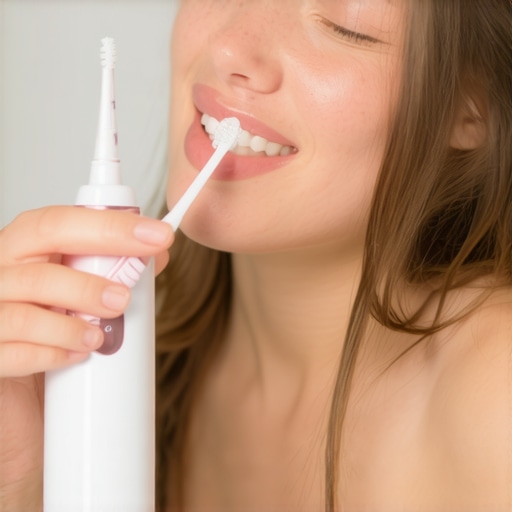
One device I swear by is the **Philips Sonicare ProtectiveClean 6100** electric toothbrush. Its ultrasonic technology gently and thoroughly removes plaque from hard-to-reach areas, especially around crowns and restorations. The gentle yet effective action prevents common issues like staining or tartar buildup that can compromise dental work over time. Unlike manual brushing, which might miss plaque hidden in tight spots, this device ensures every surface is addressed, supporting healthier gums and prolonging the life of dental restorations.
Another essential tool is a **water flosser**, specifically the **Waterpik Aquarius Water Flosser**. I recommend this to patients and family members because it reduces the effort needed for effective interdental cleaning, particularly for those with crowns or fixed bridges. The pulsating water reaches areas that traditional floss might miss, dislodging bacteria and food particles, which prevents decay under crowns and along the gum line. Regular use can decrease inflammation and enhance tissue health, ultimately lowering the risk of periodontal disease.
To monitor your oral health proactively, I also suggest using an **ultraviolet (UV) light plaque detector** like the **Plaque HD** device. This handheld gadget illuminates areas of plaque accumulation, offering visual feedback that guides your brushing and flossing efforts. By identifying neglected spots, you learn precisely where to focus your efforts and develop better habits. Incorporating this digital check-in into your routine has transformed how I approach daily hygiene.
What’s Next for Oral Maintenance?
Looking ahead, I believe technology will integrate more AI-driven diagnostics and personalized tools into our routine at-home care. Devices that analyze your plaque composition or detect early signs of decay could soon be mainstream, making preventive dentistry more accessible and effective outside the clinic. Staying updated with these innovations can help you maintain your dental work longer and prevent costly repairs.
How do I maintain my crowns and restorations over time?
Consistent maintenance is key. Besides using advanced tools like electric toothbrushes and water flossers, scheduling regular professional cleanings every six months is crucial. Additionally, avoiding overly abrasive toothpaste and being mindful of dietary habits can help preserve your restorations. For example, limiting acidic drinks and hard foods minimizes wear and potential chipping.
Another tip is to always follow your dentist’s specific advice on caring for crowns and bridges. Many experts recommend avoiding sticky candies and hard nuts that could dislodge or fracture your dental work. Regular checkups allow your dentist to assess the integrity of your restorations and perform maintenance techniques like professional polishing or re-cementation if necessary.
For patients with crowns, a useful technique is the application of **desensitizing agents** post-cleaning to prevent sensitivity. Moreover, I advise monitoring your bite alignment periodically, as misalignments can put undue stress on restorations, leading to premature failure.
For further insights into extending the longevity of your dental crowns, I recommend reviewing this resource: Caring for Your Crowns. In your routine, try incorporating one of these advanced tools, such as the UV plaque detector, to gain real-time feedback on your oral hygiene practices and make adjustments accordingly. Consistent, informed care keeps your smile shining brightly for years to come.
The Hard-Won Wisdom from My Dental Journey
One of the most profound lessons I learned is that consistent, proactive dental care prevents small issues from snowballing into costly problems. Missing a cleaning might seem harmless in the moment, but it often costs more in the long run—both financially and health-wise. Additionally, I discovered that understanding the nuanced differences in dental materials and techniques can help extend the lifespan of crowns and restorations, saving you money and discomfort. Lastly, I realized that embracing innovative tools and education empowers you to take charge of your oral health, turning routine maintenance into an ongoing adventure rather than a chore.
The Must-Have Resources That Transformed My Routine
My trusted toolkit includes the Teeth Cleaning Secrets Resource, which offers expert advice on effective home practices; the Caring for Crowns guide that highlights maintenance tips; and the Family Oral Health Tips for creating a comprehensive prevention strategy. These sources helped me make informed decisions that keep my smile healthy and bright.
Ignite Your Passion for a Healthy Smile
Taking control of your dental destiny is within your reach—small, consistent actions compound into long-term success. Remember, a healthy smile isn’t just about aesthetics, but about wielding the confidence and vitality that come with good oral health. Whatever stage you’re at, embracing this ongoing journey ensures your teeth remain strong and resilient for years to come. Don’t wait for problems to arise—start today, and let your smile tell your story of self-care and commitment.
What is the one dental habit you’ve been meaning to improve? Share your thoughts below and let’s encourage each other to maintain radiant, healthy smiles!