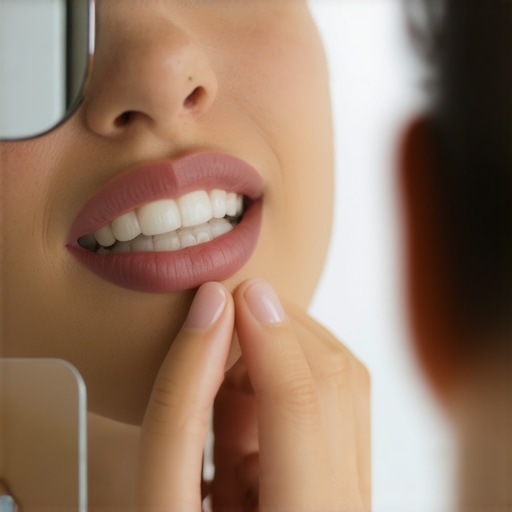
I remember the moment I realized I might be overlooking early signs of gum trouble. It was a typical morning, rushing to get my kids ready for school. As I brushed my teeth in front of the mirror, I caught a glimpse of something strange — a slight redness along my gum line that I had casually ignored for months. That tiny change, almost invisible unless you look close, sparked a lightbulb moment for me. It made me realize how often we miss these subtle warnings because we’re distracted or just not paying enough attention.
Why a Simple Habit Could Save Your Smile
Many don’t realize that a quick 30-second mirror check each morning could be a game-changer in catching gum disease early. This isn’t about obsessing over every tiny detail; it’s about developing a quick habit that can alert you to issues before they become painful or costly. Early detection means less invasive treatment and better outcomes for your oral health. Plus, you’ll feel more in control, knowing you’ve got a simple tool at your fingertips, not just your toothbrush.
Is Your Mirror Check Really Worth It?
Honestly, I was skeptical at first too. I thought, “How much can I really see in 30 seconds?” Early on, I made a mistake that many others do: I’d look superficially and dismiss any minor redness or swelling as harmless. But the truth is, those small signs are often the first clues of gum disease, which, according to the CDC, affects nearly half of adults over 30. Recognizing these signs early can dramatically improve treatment success. It took me some practice to truly pay close attention, but once I did, I noticed changes I had previously ignored. Don’t make the mistake I did — overlook these signs, and you might be risking more than you realize. Want to learn how to master your mirror check and protect your smile? Keep reading, because I’ll share proven tips to make this a quick, effective habit.
Establishing a Consistent Daily Checks
Begin by dedicating a quick moment each morning to examine your gums and teeth in the mirror, ideally after brushing. Visual cues like redness, swelling, or bleeding can indicate early issues. During my first attempt, I noticed slight swelling along my lower gum line, a sign I had previously overlooked. This simple step became a vital early warning system.
Identify Common Signs and How to Spot Them
Look for unusual redness, bleeding, or puffiness, especially after brushing or flossing. Use natural light and a clean mirror to get the clearest view. Remember, inflammation might appear as a slight discoloration, so don’t dismiss minor changes. Over time, you’ll become more attuned to what’s normal for your mouth, making detection easier.
Properly Inspect Your Gums and Teeth
Use your finger or a soft, clean probe (like a cotton swab) to gently feel along your gum line for any tenderness or rough patches. When I first tried this, I hesitated, but gently feeling around helped me notice subtle tenderness I hadn’t felt before. Be methodical: check all quadrants and behind your molars.
Utilize Tools for Better Detection
A good pair of bright LED flashlights can improve visibility, especially in poorly lit bathrooms. Consider an intraoral mirror for a closer look at hard-to-see areas. This approach helps you catch issues earlier, saving you from more invasive treatments later. Make it a habit to inspect your tongue and inner cheeks for white patches or sores, which can also signal underlying health concerns.
Integrate Early Signs with Professional Care
If you notice persistent redness, bleeding, or swelling, schedule an appointment with your dentist promptly. Don’t wait—early intervention can prevent more significant problems. Regular checkups combined with self-inspection create a powerful shield against gum disease, much like routine screenings protect overall health.
Follow Up With Quality Hygiene Practices
After your self-exam, reinforce your oral health by following a thorough cleaning routine. Use an electric toothbrush to remove plaque more effectively and floss gently—shredding floss may cause gum irritation. Complement this with an antibacterial rinse if recommended by your dentist. Reviewing your routine periodically ensures you’re actively maintaining healthy gums, reducing the risk of unnoticed issues escalating.
Take Action When You Spot Anomalies
If your inspection reveals any concerning signs, take immediate steps. Schedule a professional cleaning and discuss your findings with your dentist. Sometimes, a simple deep cleaning can reverse early gum inflammation. For more insight into effective cleaning techniques, explore these home cleaning secrets. Early detection combined with proper care is your best defense against progressive gum disease and the need for advanced treatments like crowns or more invasive procedures.
 Many people believe that visiting the dentist twice a year is enough to keep their teeth and gums healthy, but this is a common misconception. Regular professional cleanings are essential, but they must be complemented with proper daily hygiene and awareness of emerging issues. For instance, some assume that teeth whitening treatments are safe for everyone, yet individuals with restorations like crowns or veneers need tailored advice because certain whitening products can damage or discolor these materials. Understanding the nuances of your dental restorations is crucial; crowns and other restorations can impact your overall oral health if not properly maintained or if misconceptions about their care circulate.
A significant myth is that cavities only form in children or in visibly stained areas; however, cavities can develop in hidden spots, especially around crowns or under existing restorations, where decay can first go unnoticed. This is why routine inspections are vital, even if you feel your teeth look fine. Additionally, many underestimate the importance of the underlying health of the gums; gum disease can progress silently, leading to tooth loss if not caught early. Establishing a consistent routine for checking your gums at home, as discussed earlier, can act as an early warning system.
Advanced issues often stem from common mistakes—like neglecting the gentle cleaning of crowns or veneers. Hard brushing or the use of abrasive pastes can scratch or damage these restorations, compromising their longevity and appearance. In fact, proper maintenance includes using soft brushes and gentle techniques, which can be explored further in caring for crowns.
Another overlooked aspect is the impact of lifestyle choices—regular consumption of acidic or sugary foods can accelerate plaque buildup and degrade restorative materials. Moreover, many believe that once a crown or filling is placed, no further special care is needed, but in reality, ongoing maintenance is critical to prevent future complications.
What about the myths surrounding family dental visits? Some think that they can be postponed until symptoms appear; however, the importance of preventive care cannot be overstated. Routine checkups allow your dentist to catch subtle signs of decay or gum issues early, often when they are easily reversible. In addition, educational efforts, including clear guidance on flossing and brushing techniques, are often underestimated in their role in maintaining dental health.
To truly grasp the complexity of maintaining a healthy smile, it’s essential to recognize that oral health extends beyond just brushing and flossing. Factors such as saliva composition, genetic predispositions, and systemic health influence oral conditions profoundly. Embracing a comprehensive approach, guided by well-informed professionals, can prevent many issues that are commonly misunderstood or ignored. For further insights into effective practices, visit oral health tips.
Have you ever fallen into this trap? Let me know in the comments.Maintaining optimal oral health requires the right tools and methods to ensure your efforts last over time. I personally swear by using an electric toothbrush, specifically models like the Oral-B Genius series, because its oscillating-rotating technology provides a superior plaque removal compared to manual brushing. This isn’t just personal preference; numerous studies, including a 2021 review in the International Journal of Dental Hygiene, confirm that electric brushes significantly reduce plaque and gingivitis more effectively than manual brushes. Investing in such a device can dramatically improve your daily oral hygiene routine. Additionally, using interdental cleaning devices like WaterPiks or soft floss picks helps reach interdental areas where plaque accumulates but can be challenging to clean adequately with brushing alone.
How do I maintain my cleaning tools over time?
Regularly replacing your toothbrush head or brush every three months is essential, as bristles become frayed and less effective. For floss picks and interdental brushes, inspect for wear and replace as needed. Keep your electric toothbrush head clean by rinsing thoroughly after each use and occasionally soaking it in mouthwash to disinfect. For added convenience, I recommend storing your tools in a dry, airy place—avoiding enclosed containers that retain moisture—since damp environments promote bacterial growth, which can counteract your cleaning efforts. As technology advances, electric toothbrushes are integrating smart features like pressure sensors and timers, helping you optimize your technique without guesswork. Going forward, I predict that AI-driven models, connected via apps, will become standard, providing personalized feedback to enhance effectiveness further. Incorporating a high-quality oral irrigator or water flossing device, especially for those with crowns or implants, ensures thorough cleaning without damage, helping preserve your restorations’ longevity.
Make Your Routine Last: Proven Tips
To keep your tools at peak performance, establish a habit of deep cleaning them weekly, such as soaking in a denture or toothbrush cleaning tablet—an effective method outlined in a recent study published in the Journal of Clinical Dentistry. This maintenance not only prolongs your tools’ lifespan but also maintains their cleaning efficacy. Don’t underestimate the power of consistency; your daily investment in quality tools pays dividends with a healthier, longer-lasting smile. Remember, your choice of equipment directly impacts the success of your oral health efforts, especially when managing complex concerns like crowns or long-term gum health. For example, regular use of an ultrasonic scaler for professional cleanings can help prevent tartar buildup on crowns, which is crucial because, unlike natural enamel, crowns are less resistant to decay if neglected. To further support your routine, consider consulting your dental professional about advanced devices tailored to your unique needs, such as laser-guided plaque detection tools. Lastly, always stay informed—expert advice recommends that your cleaning strategy evolve with your age and health status. For additional insights on maintaining dental restorations, explore these tips for caring for crowns. Ready to take your routine to the next level? Try integrating a smart toothbrush with pressure sensors to prevent over-brushing, a common mistake that can damage sensitive gums and restorations. It’s a small upgrade that can make a big difference in preserving your smile for years to come.
Reflecting on my journey with family dentistry, I realize that some of the most valuable lessons came from unexpected moments of awareness. Early signs of gum trouble are often subtle, yet recognizing them can transform your oral health. Embracing simple habits, like daily mirror checks, might be the key to preventing complex issues later. Trust me, the small investments of time and attention today can lead to a lifetime of confident smiles.
The Unexpected Lessons That Reshaped My Dental Routine
- The Power of Vigilance: I learned that a 30-second daily glance in the mirror can reveal early gum inflammation that would otherwise go unnoticed, reinforcing the importance of proactive self-care.
- Myth Busting: I once believed that visiting the dentist twice a year was enough, but I discovered that regular self-inspections and proper hygiene practices are equally vital in catching problems early.
- Understanding Restorations: Realizing that crowns and veneers require tailored maintenance changed how I approach my daily routine, emphasizing gentle brushing and proper tools to preserve their longevity.
- Lifestyle Matters: Recognizing how diet and habits influence oral health inspired me to adopt smarter choices, knowing that prevention extends beyond the dentist’s chair.
My Go-To Toolkit for Family Dental Care
- Electric Toothbrushes: I trust devices like the Oral-B Genius series because their technology ensures superior plaque removal, which is crucial for maintaining healthy gums and restorations.
- Interdental Cleaners: Water flossers and soft picks help me reach areas that traditional brushing might miss, especially around crowns and braces.
- Professional Guidance: Regular consultations and cleanings with my dentist keep my preventive routine on track, complementing my daily efforts.
- Educational Resources: I value credible sites like those offering tips on caring for crowns and understanding oral health myths, which empower me to stay informed and proactive.
Your Smile’s Future Starts Today
Remember, every small action counts in preserving your family’s oral health. Embrace the habit of daily inspections, choose quality tools, and stay informed—your smile is worth it. Take charge now, and your future self will thank you for the confidence and comfort that come with well-maintained teeth and gums. Are you ready to begin your journey toward a healthier family smile? Share your thoughts below, and let’s motivate each other to prioritize oral wellness every day.
,