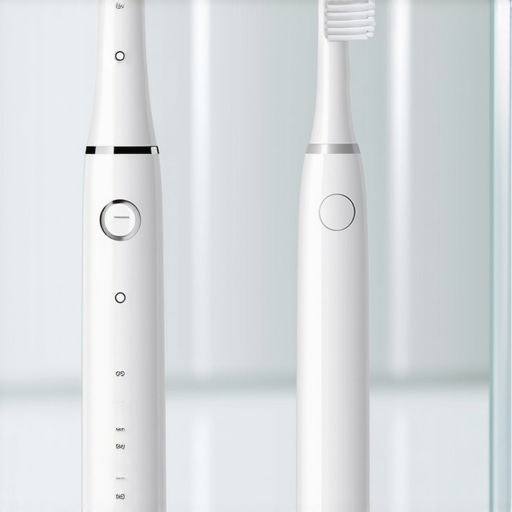
It was a typical morning, and I looked in the mirror, noticing how my smile seemed duller than it used to be. As I brushed my teeth, I suddenly realized I was rushing through the process, unsure if I was doing enough to keep my teeth genuinely clean. That feeling of uncertainty hit me hard—I had neglected the importance of effective brushing methods for years. Have you ever felt the same, wondering if your daily routine is really enough?
The Lightbulb Moment That Changed My Oral Care Routine
One day, after a routine check-up with my dentist, I learned that despite twice-daily brushing, plaque was still hiding in places I couldn’t reach—particularly around the gum line and behind my molars. My dentist pointed out that manual brushing has its limits, especially when we’re trying to reach every nook and cranny. I started digging into the research and discovered that electric toothbrushes can significantly improve plaque removal compared to manual ones. In fact, a study published in the Journal of Clinical Periodontology found that electric toothbrush users experienced 21% better plaque control and 11% less gingivitis over six weeks (source: this research).
My lightbulb moment wasn’t just about convenience; it was about making a meaningful change in my oral health. I realized that many adults, perhaps like you, might be underestimating how much a better toothbrush could impact their long-term dental health. So, I decided to switch—and honestly, it was one of the best decisions I’ve made for my smile.
But here’s the thing: I know skepticism is natural. Will an electric toothbrush really make that much of a difference? Can it fit into my busy life? And most importantly, is it worth the investment? To answer these questions, I want to share what I’ve learned, along with practical tips, so you can decide whether you should make the switch too.
Let’s start with addressing the biggest concern many people have: “Are electric toothbrushes really worth the hype?”.
Develop a Consistent Brushing Technique
Start by choosing a toothbrush with soft bristles to protect your gums. Position the brush at a 45-degree angle to your gum line, mimicking the way a paintbrush gently hits a wall. Use small circular motions—think of it as polishing your teeth like a fine gem—covering all surfaces, including the fronts, backs, and chewing surfaces. I once tried to rush through mine, but that only led to missed spots and a sore gum area for days. Taking this small step improved my overall cleanliness because no plaque escaped unnoticed.
Utilize Proper Flossing Methods
Flossing reaches where your toothbrush can’t—between teeth and under the gum line. Take about 18 inches of floss, wrapping most of it around your middle fingers and leaving a few inches taut. Gently slide it between your teeth, curving it into a C-shape around each tooth and moving it up and down. I remember forcing floss too aggressively, which caused gum bleeding. When I gently moved it, I avoided injury and dislodged trapped food and plaque that toothbrushes missed—saving my gums from irritation and decay.
Master the Art of Tongue Cleaning
Your tongue can harbor bacteria that contribute to bad breath. Gently scrape it from back to front with a tongue cleaner or your toothbrush. This action is like scraping off the fog from a mirror—revealing a cleaner, healthier surface. I added this step after noticing my morning breath persisted despite brushing. It took just a minute, but the fresh feeling extended throughout the day and reduced bacteria build-up.
Select the Right Oral Care Products
Use toothpaste with fluoride to strengthen enamel, and consider mouthwash to reach areas brushing alone can’t. Avoid abrasive whitening products that can erode enamel. I once tried a harsh whitening strip, which caused sensitivity. After switching to a milder, fluoride-rich paste, my teeth felt stronger and less sensitive. This step ensures your routine is effective without causing damage.
Pay Attention to Timing and Frequency
Brush at least twice a day for two minutes each time—imagine humming your favorite song twice over—it’s a small investment of time for long-term benefits. Don’t rush; thoroughness is key. I once saved a few seconds and missed cleaning behind my molars, which led to a cavity. Taking the extra minute made all the difference in maintaining my oral health.
Incorporate Professional Care into Your Routine
Regular dental visits—typically every six months—are essential for deep cleaning and early detection of issues. During these visits, hygienists remove tartar buildup and evaluate your technique. I once skipped my appointment, which resulted in plaque accumulating unnoticed. Now, I consider these visits an integral part of my daily routine, helping me sustain a healthy smile over time.
Be Mindful of Diet and Lifestyle Factors
Limit sugary snacks and drinks that feed bacteria. Rinse with water after consuming acidic foods to prevent enamel erosion. Avoid tobacco and excessive alcohol, which can stain teeth and weaken gums. I adopted healthier eating habits, replacing candies with crunchy vegetables, which naturally clean teeth and promote saliva production—a natural defender against cavity-causing bacteria. This holistic approach strengthens what you do during brushing and flossing, leading to better overall oral health.
 Many people believe that brushing once a day suffices or that all dental procedures are equally routine. However, these misconceptions can mask nuanced realities that impact your long-term oral health. For instance, the notion that manual brushing is just as effective as using an electric toothbrush is a myth; recent research indicates electric brushes can remove up to 21% more plaque when used correctly, especially around hard-to-reach areas. Yet, some still underestimate their importance, risking persistent plaque buildup that can lead to gum disease.
An often-overlooked trap is over-flossing or using improper techniques, which can do more harm than good by damaging gum tissue. Proper flossing involves gentle, C-shaped motions to dislodge debris without injury; aggressive flossing can cause gum recession over time. For advanced enthusiasts, understanding the role of interdental cleaning devices like water flossers reveals that they can be more effective than traditional floss for certain individuals, especially those with dental implants or braces.
A critical nuance in family dentistry is the timing of children’s first dental visits. Many parents wait until teeth erupt fully, but early visits—even before the first birthday—can catch early signs of decay and habits like thumb-sucking that may affect bite development. Interestingly, habits like thumb-sucking or prolonged pacifier use aren’t just behavioral issues—they influence the oral cavity’s anatomy, possibly leading to malocclusion. For example, a study in the Journal of Pediatric Dentistry highlights how early intervention can correct such habits before they cause significant dental malformations, avoiding complex treatments later.
When it comes to crowns, there’s a false belief that all crowns are alike in durability. In reality, materials like zirconia offer superior strength for grinding teeth, whereas porcelain fused to metal might wear down opposing teeth faster. Choosing the right crown material depends on your bite force, aesthetic preferences, and the location of the tooth. Additionally, a hidden nuance is how improper cementation or neglecting post-placement care can lead to crown failure or secondary decay beneath the restoration.
A warning to beware of DIY teeth straightening kits, which are often marketed as affordable solutions. These kits can cause more damage than good, especially if used without professional supervision—they risk misaligning your bite or damaging enamel. The American Association of Orthodontists warns that improper use may lead to issues requiring costly corrections later. Proper orthodontic treatment ensures not only aesthetic improvement but also functional harmony, which is vital for long-term oral health.
In conclusion, the field of dentistry continually evolves, revealing that many common beliefs are oversimplifications or myths. Deepening your understanding of these nuances can prevent problems and save you money. Have you ever fallen into this trap? Let me know in the comments, and stay vigilant about your oral health—sometimes, what’s evident isn’t the full story.
Investing in the Right Tools Pays Off
Maintaining excellent oral health over time requires more than just good habits; it hinges on using the right tools. As someone deeply passionate about family dentistry and long-term results, I personally rely on specific equipment that ensures consistent, effective cleaning. For instance, I prefer the Oral-B Genius X Electric Toothbrush because its oscillating-rotating technology effectively disrupts plaque, especially in hard-to-reach areas like behind molars and along the gum line. This not only saves me time but also guarantees a thorough clean, making my daily routine more efficient.
Moreover, I use a Waterpik Water Flosser tailored with 1200 psi pressure setting for sensitive gums. Regular flossing can be challenging and sometimes ineffective, especially for those with braces or dental implants. Water flossers like Waterpik provide superior interdental cleaning by removing debris and bacteria from spaces where traditional floss might miss. I include this in my routine because studies, such as those published in the Journal of Clinical Dentistry, highlight its efficacy in reducing plaque buildup and gingivitis. Deep cleaning with professional tools, combined with these at-home devices, creates a synergy that keeps my mouth healthy.
Another essential tool is a tongue scraper, which I use every morning. Bacteria thrive on the tongue’s surface, contributing to bad breath and plaque formation. A metal tongue cleaner gently removes this buildup, enhancing freshness and overall hygiene. Over time, I’ve noticed that integrating this step reduces the need for frequent professional cleanings, as it lowers bacterial loads from the source.
Future Trends in Oral Tool Technology
I predict that we’ll see more smart dental devices that sync with smartphone apps, providing real-time feedback and personalized tips. Devices will likely incorporate AI to analyze brushing and flossing patterns, recommending adjustments for better results. As technology advances, tools will become more intuitive, making preventive care more accessible and effective for everyone, not just dental professionals.
How do I maintain my tools over time?
Proper maintenance of your oral hygiene tools ensures their longevity and effectiveness. For example, I regularly replace brush heads on my electric toothbrush every three months, following the manufacturer’s advice. I also sanitize my water flosser tips weekly with vinegar solution to prevent bacteria buildup, extending their lifespan. Cleaning and storing your tools in dry, hygienic conditions prevent mold and microbial growth, ensuring each use delivers optimal cleaning power.
If you haven’t already, I highly recommend trying an advanced technique like switching to a water flosser and integrating tongue scraping into your routine. This small change has made a significant difference in my oral health, reducing plaque and bacteria buildup. Remember, even the most effective tools need proper care to work their best—so stay vigilant in maintaining them!
Lessons That Transformed My Smile Journey
One of the biggest surprises was realizing that consistency beats intensity. I used to think occasional deep cleans were enough, but I learned that daily habits build a foundation for long-term health. Another insight was understanding that small adjustments, like gently scraping my tongue, had a surprisingly big impact on fresh breath and bacteria control. The lightbulb moment about investing in quality tools, such as an electric toothbrush with AI features, showed me that technology can empower even the busiest lives to maintain stellar oral hygiene. Lastly, I discovered that patience and attention to detail—like thoroughly cleaning behind molars—are what separate good results from great ones. These lessons remind me that embracing smarter habits and tools is the key to lasting confidence in my smile.
Tools That Changed My Perspective on Family Dentistry
My essential toolkit now includes an oscillating-rotating electric toothbrush, trusted for its plaque removal efficacy. A Waterpik water flosser has become indispensable, especially for reaching those tricky interdental spaces. I recommend water flossers for their superior cleaning ability, which complements traditional flossing. For oral freshness, a metal tongue scraper is a game-changer—definitely worth adding to your routine. Also, I keep a high-quality fluoride toothpaste and maintain regular visits with my dentist, knowing that professional care uncovers hidden issues and keeps everything in check. Trustworthy resources like industry insights help me stay informed and confident that I’m making the best choices for my family’s dental health.
Choose Your Carpe Diem: Act for a Healthier Smile Today
Your oral health is a reflection of your daily choices—embrace the opportunity to improve it now. Remember, a small investment in quality tools and attentive routines can save you from bigger problems down the line. Whether it’s perfecting your brushing technique, integrating professional care, or exploring innovative gadgets, each step moves you closer to a vibrant, confident smile. Don’t wait for issues to arise; take charge today and discover how joyful and rewarding optimal oral health can truly be. Your future self will thank you for it, so start now and let that brighter, healthier smile be your daily inspiration.
What’s one change you’re excited to make in your oral care routine? Share your thoughts below—I’d love to hear your journey towards a healthier smile.
**