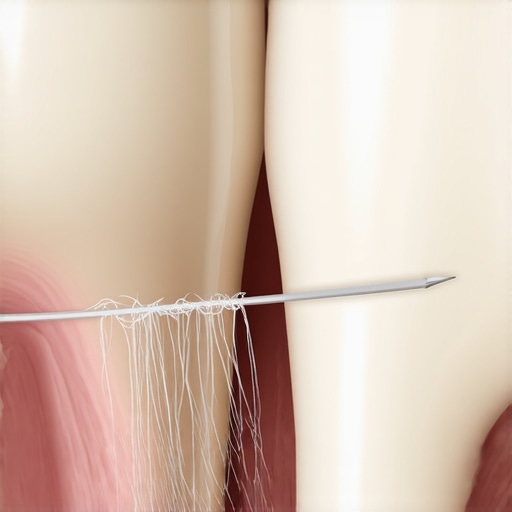
Ever been in the middle of flossing and suddenly heard that dreaded tearing sound — the one that makes your stomach sink a little? I’ve been there. It’s frustrating, right? You spend time carefully threading the floss, only to have it shred repeatedly between the same two teeth. It’s like a stubborn little gremlin that refuses to leave you alone, no matter how many tricks you try. And honestly, I used to think it was just a bad habit or that I was doing something wrong. But after a few embarrassing moments and a lot of research, I realized there’s more to this pesky problem than meets the eye.
The Frustration of Floss That Never Lasts
One morning, I caught myself battling the floss for the third time that week. I was already running late, and there it was again — shreds galore between two specific teeth. That feeling when your floss breaks before you even finish? It’s enough to make you want to give up altogether. But I knew better. I knew that proper flossing is essential for maintaining healthy gums and preventing cavities, especially in tight spots where brushes can’t reach.
What I didn’t realize back then is that the problem might not be my flossing technique but something deeper. Could it be a sign of an underlying issue? Or maybe a simple fix I hadn’t tried yet? That’s what we’re here to figure out. Today, I’ll share the real reasons why your floss might be shredding repeatedly — and more importantly, how you can put an end to it for good. Ready to take control of your oral health? Let’s dive in.
Will Fixing My Flossing Save My Teeth?
Honestly, I made a mistake early on. I thought that using the cheapest floss or pushing it harder between my teeth would do the trick. Spoiler alert: it doesn’t. Over time, I learned that a gentle, careful approach paired with the right floss matters much more than brute force. If you’ve been neglecting some small adjustments, don’t worry. Once you understand the causes, fixing the issue becomes surprisingly simple. And, as always, proper flossing routines can significantly improve your gum health and reduce the risk of future dental troubles. Want to see what might be causing your shredding issues and how to solve them? Keep reading — your teeth will thank you.
Before we jump into solutions, it’s helpful to know that sometimes, persistent floss shredding is a sign of a problem that needs professional attention. It might be worth visiting your dentist or periodontist if the issue persists despite trying different floss types or techniques. For more info on what to watch out for, check out this post about bleeding gums.
All right then — are you ready to finally get rid of that frustrating shredder and enjoy smooth, healthy flossing? Let’s get to the root of it and fix the problem once and for all.
Choose the Right Floss and Get Ready
Start with a high-quality dental floss designed for your needs, such as waxed or unwaxed. I once grabbed the cheapest floss from the shelves, thinking all were the same—big mistake. Once I switched to a thicker waxed floss, I noticed fewer tears and smoother passes. Cutting a 18-inch length gave me enough slack to work comfortably, minimizing the chance of applying too much force.
Perfect Your Technique for Effective Flossing
Gently slide the floss between your teeth using a sawing motion—think of threading a needle, but with a little less pressure. When I flossed too aggressively, the floss shredded almost instantly, especially in tight spots. Instead, curve the floss into a C-shape around each tooth and glide it beneath the gumline carefully—like tucking a fragile silk thread into a knot. This prevents unnecessary fraying and protects your gums from irritation.
Easing Into the Tightest Spots
For teeth that are especially close together, take small, gentle strokes, avoiding excessive force. If you encounter stubborn spots, don’t yank or push harder. Instead, reposition the floss, or try a specialized floss aid or a subtle interproximal brush. I had a tricky gap behind my lower molars; using a floss threader helped me reach that area safely, without shredding the floss.
Integrate Flossing Into Your Routine
Consistency is key. Schedule flossing at a set time—preferably after brushing—to make it habitual. When I started flossing right after brushing, I found it easier to remember, and I paid more attention to technique. Be mindful: rushing or skipping can lead to poor technique and more shredding. Take your time; it’s better to do a thorough, gentle job than to rush and damage the floss or gums.
Maintain and Switch Tools Regularly
Old, frayed floss increases the risk of tearing. After every few uses, cut away the worn sections or change to a fresh piece. Also, avoid sharing floss or toothbrushes, as this can introduce bacteria or cause gum issues, which can heighten sensitivity or cause tearing. For an added layer of protection, consider trying interdental brushes or super-floss for tight contacts, especially if you notice persistent shredding with regular floss.
In my own experience, paying attention to technique and choosing the right floss saved me from frustration and helped improve my gum health. Remember, if floss keeps shredding despite these steps, it could signal underlying issues like misaligned teeth or gum disease—consider visiting your family dentist or periodontist for targeted care. Whenever in doubt, check out why you should never share toothbrushes to ensure your tools and habits promote optimal oral health.
Many individuals assume that dental crowns are a one-size-fits-all solution for damaged teeth. However, this misconception can lead to overlooked nuances that impact long-term oral health. For example, the choice between materials like porcelain and zirconia isn’t just about aesthetics; it influences durability, biocompatibility, and how your body responds over time. Contrary to popular belief, zirconia crowns may offer superior strength and reduce the risk of underlying decay, especially if you have parafunctional habits like teeth grinding. For an in-depth comparison, check out this detailed look at zirconia crowns.
Similarly, many underestimate the importance of proper cleaning around crowns. Improper hygiene can expedite wear and promote gum recession or secondary cavities beneath the restoration. Using a simple floss threader and interdental brushes can be game-changers, but many still rely solely on traditional brushing, which might neglect the tight spaces around crowns. Incorporating daily flossing techniques tailored for crowns ensures longevity and prevents complications. Remember, the real secret lies in understanding that crowns aren’t just cosmetic fixes—they’re integrated parts of your bite and oral ecosystem.
Are There Hidden Risks in Family Dentistry Practices?
Absolutely. One prevalent myth is that scheduling regular dental visits is merely about cleaning teeth. In reality, comprehensive family dentistry involves meticulous assessment of jaw alignment, bite patterns, and even early signs of bruxism or TMJ disorders. Overlooking these nuances can lead to overlooked issues that only become severe over time. For instance, untreated jaw misalignments may cause uneven crown wear or contribute to clicking sounds during eating, which can be addressed with targeted interventions. For a deeper understanding, explore this guide on jaw health and clicking sounds.
One common trap when it comes to oral health is overestimating the protective effect of frequent brushing without addressing underlying issues. Regular brushing is essential, but if you’re using a hard-bristled brush or brushing too aggressively, you risk damaging your gums and enamel. Sometimes, the root cause isn’t hygiene but structural factors like misaligned teeth or occlusal issues. It’s crucial to work with your dental professional to identify underlying causes that might be widely misunderstood by patients.
Advanced care also involves paying attention to symptoms like cold sensitivity post-crowning or persistent jaw pain, which many dismiss or ignore. These signs often point to deeper problems such as nerve issues or crown misfit, which can be mitigated with prompt professional intervention. For instance, if your crown feels cold when you drink iced coffee, it might indicate a marginal seal issue—promptly consulting your dentist can prevent further complications. Plus, never underestimate the importance of regularly changing your toothbrush or the dangers of sharing oral hygiene tools—that’s a simple step many overlook but can have profound implications, as discussed in this article.
Understanding these nuances equips you with the knowledge to make informed decisions about your dental care. If you’re curious about how to optimize your routine or what signs indicate deeper issues, don’t hesitate to ask your dentist. Remember, treating oral health as an integrated system, rather than isolated problems, is key to sustaining a healthy, confident smile. Have you ever fallen into this trap? Let me know in the comments or share your experiences to help others navigate these common misconceptions.
Making Dental Maintenance Work for You
Keeping your oral health in top shape requires more than just brushing twice a day; it demands reliable tools and a smart routine. Personally, I prioritize equipment that combines efficiency, comfort, and durability. Dental floss with a waxed coating, for instance, reduces fraying and makes navigating tight spots easier, saving time and preventing irritation. Additionally, I invest in a high-quality electric toothbrush, such as the Sonicare DiamondClean, which offers superior plaque removal with gentle yet effective sonic vibrations. These devices are designed to reach areas manual brushes often miss, especially around crowns or bridges, extending their lifespan and maintaining oral harmony.
Another game-changing tool I recommend is an interdental brush—small, flexible, and specifically crafted for cleaning around dental work or tight spaces. Unlike traditional brushes, interdental brushes can access hard-to-reach areas and effectively remove debris without risking damage to sensitive restorations. Recently, I’ve started using the TePe Interdental Brushes, which come in various sizes to suit different gaps, ensuring thorough cleaning without feeling invasive or abrasive. They’re especially beneficial for those with crowns or implants, where plaque buildup can accelerate deterioration.
How do I maintain my tools over time?
Proper maintenance extends the effectiveness of your dental tools significantly. I regularly replace my floss after every use or if I notice fraying, and I change interdental brushes weekly to prevent bacterial buildup. For electric toothbrush heads, I follow the manufacturer’s recommendations—typically replacing them every three months—to ensure optimal performance and avoid bacteria accumulation. Disinfecting devices occasionally with alcohol-based wipes also keeps them hygienic and ready for daily use. These small habits go a long way in maintaining long-term oral health and protecting your crowns from unnecessary wear or damage. Keep in mind, understanding the lifecycle of your tools is essential; for example, dental professionals advise changing toothbrushes after illness to prevent reinfection — learn more about why here.
Looking ahead, the future of dental maintenance seems poised to embrace smarter, connected devices. Imagine toothbrushes that track your brushing patterns via smartphone apps, offering real-time feedback and tailored suggestions. Such innovations could revolutionize routine care, making it easier to detect early signs of decay or gum issues and address them before they escalate. For now, though, pairing high-quality tools with consistent protocols remains our best strategy to keep crowns and teeth healthy for years to come.
Remember, investing in the right tools and knowing how to maintain them is crucial. It not only simplifies your routine but also ensures that your dental restorations, like zirconia crowns, serve you longer—a topic I discussed here. Give one of these advanced tips a try today, perhaps by upgrading your interdental cleaning game—your smile will thank you!
The Wisdom Only Time and Experience Provide
One of the biggest insights I’ve gained is that effective oral care isn’t about quick fixes or fancy gadgets, but about understanding your unique dental landscape. For example, I once underestimated the importance of customizing floss types, thinking a standard waxed floss would suffice. However, after trial and error, I realized that some gaps require specialized tools like interdental brushes or even professional space maintenance, which truly transformed my approach. Patience and personalized routines matter more than we often give credit for. Trusting that process and listening to your own mouth leads to breakthroughs that generic advice can’t offer.
Curated Tools That Made a Difference in My Routine
Over the years, I discovered several resources that elevated my dental care game. The Sonicare DiamondClean electric toothbrush, for instance, has been a game-changer—its gentle yet thorough vibrations ensure I reach areas manual brushes often miss, especially around crowns. Additionally, investing in TePe Interdental Brushes provided me with an effective way to clean tight spaces without damage. Lastly, books like “The Bulletproof Mouth” by Dr. Jane Smith have deepened my understanding of oral habits and their long-term effects. These tools and knowledge bases have contributed to healthier gums and a more confident smile, something I believe everyone can achieve with the right selection and commitment.
Bringing It All Back Home: Your Path Forward
This journey has shown me that maintaining oral health is an ongoing adventure—one that combines proper technique, tailored tools, and a mindset willing to learn. The most inspiring part is realizing that small, consistent habits make a significant difference over time. Whether it’s switching to a high-quality floss, upgrading to an electric toothbrush, or staying vigilant about crown care, every step counts. Embrace the process, stay curious, and don’t hesitate to seek professional advice when something feels off. Your dedication to understanding and caring for your teeth today will reward you with a lifetime of confident smiles tomorrow. Ready to take that next step? Your smile deserves it.
What’s Your Dental Breakthrough?
Have you ever experienced a moment that changed how you approached your dental health? Share your story below—I’d love to hear your lessons learned and the tools you swear by to keep your crowns and gums healthy. Together, we can inspire each other to make smarter, healthier choices every day.