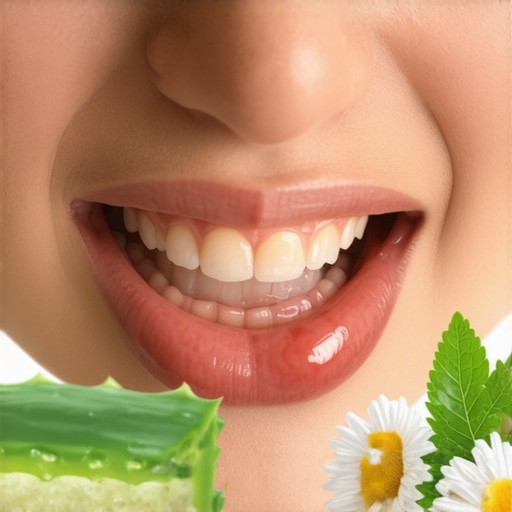
I remember the first time I woke up with that fiery, stabbing pain in my mouth and realized I had a canker sore. It was late at night, and I had an important meeting the next day. Panic set in—I knew I needed to find a way to soothe that relentless discomfort fast, but most remedies seemed like a shot in the dark. That frustrating moment was a lightbulb for me: I needed practical, proven tips to calm a canker sore overnight.
Why Immediate Relief Matters So Much
Most of us underestimate how much a painful sore can disrupt our day. Eating, talking, even sleeping can become nightmares. It’s not just about discomfort; it’s about maintaining your confidence and ensuring your oral health isn’t compromised further. A canker sore is often a small lesion, but its effects can ripple into your daily life, making simple tasks seem monumental. That’s why knowing how to manage this pain instantly isn’t just convenience—it’s a necessity.
Every year, millions suffer from recurrent canker sores, and surprisingly, many aren’t aware of quick remedies that work overnight. I’ve tried countless tricks—some effective, others just a waste of time—and I want to share the ones that truly made a difference for me. Trust me, with a few simple steps, you can turn the tide in your favor and wake up feeling a lot better.
Are you tired of waking up to that fiery pain and feeling helpless? Believe me, I’ve been there—and I know a few tricks that can bring relief fast. Keep reading, because the solution isn’t as elusive as you might think. Before we dive into the practical steps, I want to touch on a common mistake many folks make early on that can actually worsen the pain—so you can avoid falling into that trap.
Let’s get you comfortable and back to your normal routine as quickly as possible.
Target Your Sore Directly with Topical Agents
Apply a specialized oral gel containing benzocaine or hydrogen peroxide directly onto the canker sore using a clean finger or applicator. During my own experience, I gently dabbed the gel onto the sore before bed, which created a numbing barrier that significantly reduced pain throughout the night. This creates a protective coat that minimizes irritation from talking or eating, effectively soothing the pain. Make sure to follow the dosage instructions carefully. Having an oral gel in your emergency kit can be a game-changer for sudden discomfort between dental visits.
Use Rinses with Healing Properties
Create a Salt or Baking Soda Rinse
Mix a teaspoon of salt or baking soda into a cup of warm water. Swish this solution around your mouth for 30 seconds, then spit it out. I found that doing this twice before bed helped reduce inflammation and kept bacteria at bay. The salt or baking soda’s antiseptic properties accelerate healing and prevent infection. This rinse acts like a mini-cleaning session that cleanses and calms the sore.
Incorporate Hydrogen Peroxide Rinses Carefully
Dilute 3% hydrogen peroxide with equal parts water, then swish gently for 15-20 seconds, avoiding swallowing. This process disinfects the area, helping speed up healing. I experienced notable relief after a single rinse, especially when combined with topical agents. Practice caution since overuse can irritate tissues. For safe usage tips, see hydrogen peroxide guidelines.
Manage Inflammation with Cold Compresses
Applying a cold pack or ice wrapped in a cloth to the outside of your cheek reduces swelling and numbs pain. I held an ice pack against my face for 10-minute intervals, alternating sides if needed. The cold constricts blood vessels, lessening inflammation and providing immediate relief. Think of it as closing a leaking dam — temporarily stopping the flow to reduce damage and discomfort. For best results, do this shortly before bedtime to keep pain at bay overnight.
Adjust Your Sleeping Position Strategically
Elevate your head with an extra pillow to prevent blood from pooling around the sore, which can intensify pain. I experimented with different pillow heights and noticed that sleeping with my head elevated kept inflammation minimal, helping me wake up more comfortable. Elevation reduces blood flow to the affected area, lessening throbbing sensations. Imagine turning your bed into a gentle hill — this simple change can make a big difference when fighting nighttime discomfort.
Maintain Oral Hygiene Without Aggravating the Sore
Brush gently around the sore using a soft-bristled toothbrush and avoid harsh fluoride rinses. Instead, use a mild, alcohol-free mouthwash or a prescribed rinse recommended by your dentist. During my own flare-up, I limited brushing on the sore area and focused on cleaning other parts, ensuring no food particles trapped worsened the pain. Keeping your mouth clean prevents bacterial buildup, which can hinder healing. Learn more about protecting sensitive areas at gentle oral care tips.
Many patients assume they understand family dentistry, oral health, and teeth cleaning, but there are subtle pitfalls and misconceptions that can undermine even the most diligent routines. One common myth is that professional cleanings alone can prevent cavities and gum disease; however, without addressing hidden spots like the areas behind molars or within gum pockets—such as the spot where plaque always hides from brushes—disease can silently develop despite regular visits. For instance, neglecting thorough cleaning around dental crowns or existing restorations can lead to undetected leaks or decay underneath, which many overlook. Moreover, a frequent mistake is using overly harsh brushing techniques or abrasive toothpaste, thinking more scrubbing accelerates cleaning, but this can actually wear down enamel or gum tissue, leading to increased sensitivity or recession. Instead, gentle yet effective brushing combined with proper flossing targeting these overlooked zones makes a significant difference.
Have you ever fallen into this trap? Let me know in the comments.
Why Do So Many Overlook the Importance of Plaque in Hidden Areas?
Research shows that plaque accumulates most rapidly in hard-to-reach areas, like the back molars, around dental appliances, and beneath crowns. Ignoring these spots can cause decay and inflammation, which might only become apparent when serious issues arise, like infections or the need for a crown replacement. Professionals emphasize the importance of specialized tools, such as interdental brushes or water flossers, to clean these concealed zones effectively. Without attention to these nuances, patients may believe they are maintaining optimal oral hygiene, but plaque buildup remains a silent threat, ultimately risking their dental restorations and overall health. For tips on cleaning around dental crowns or bridges, visit https://periodontistcare.com/the-best-way-to-clean-around-a-permanent-dental-bridge-or-crown.
Another misconception involves assuming that whitening or bleaching treatments are a substitute for good oral hygiene. In reality, these treatments can’t address plaque or tartar and may even worsen sensitivity if pre-existing issues are ignored. Regular professional cleanings combined with personalized home care routines are essential for long-term oral health. The advanced mistake many make is not customizing their hygiene practices based on individual dental conditions—what works for one patient may not be suitable for another. Consulting your dentist for tailored advice can prevent these common pitfalls.
Why do many people overlook the crucial role of early detection in oral issues? The truth is, small problems like minor leaks under old crowns or early signs of gum recession are often missed until they become severe. Staying vigilant about subtle changes—such as increased sensitivity, bleeding, or discoloration—can save you from complex procedures later. Regular check-ups and understanding the nuances of your unique oral anatomy are key to proactive care.
If you’re interested in learning more about how to optimize your family dental routines and avoid these advanced mistakes, explore resources like https://periodontistcare.com/the-signs-your-old-crown-has-a-leak-underneath-the-surface and https://periodontistcare.com/the-hidden-spot-in-your-mouth-where-plaque-always-hides-from-brushes. Remember, awareness of these nuances can significantly improve your oral health journey.Maintaining optimal oral health over the years requires more than just regular brushing and visits to the dentist; it involves investing in the right tools and adopting effective techniques. As someone deeply passionate about family dentistry, I’ve discovered that having specialized equipment at home can significantly prolong the lifespan of dental restorations like crowns and prevent issues before they escalate. In this post, I’ll share the precise tools I rely on daily, explain why they matter, and predict where oral care technology is heading.
Why a High-Quality Water Flosser Matters More Than You Think
The water flosser has revolutionized my approach to interdental cleaning. Unlike traditional floss, I use a model with adjustable pressure settings and targeted nozzles, such as the Philips Sonicare AirFloss. This device effortlessly reaches the hidden spots where plaque tends to accumulate, especially around crowns and bridges. It’s particularly effective for family members with braces or dental implants. Having tested various models, I find that those with pulsating jets dislodge debris more thoroughly and can be used gently around sensitive gum areas, reducing bleeding and inflammation. Investing in a reliable water flosser ensures that maintenance chores become a quick, pleasant routine rather than a chore.
Advanced Ultrasound Cleaners for Professional-Grade Results
Ultrasound dental cleaners, like the Glissando Ultrasonic Cleaner, are underrated tools in personal oral hygiene. I use it weekly to cleanse retainers, mouthguards, and even hard-to-clean crowns. The ultrasonic vibration dislodges calculus and biofilm without abrasive chemicals. This device complements routine brushing, keeping all appliances in prime condition and preventing microscopic buildup that could undermine a crown’s integrity or the health of underlying tissues. For families, especially those with kids or seniors, reducing routine visits for small issues is a game-changer — and a handy investment.
Smart Brush Technology to Track Your Brushing Habits
Manual brushing can’t reliably ensure coverage of all surfaces, especially those neglected corners behind molars. That’s why I recommend smart toothbrushes like the Oral-B Genius X. Equipped with sensors and AI, it provides real-time feedback on brushing technique, duration, and pressure applied. I have personally found this invaluable, as it taught my family members to brush more thoroughly and avoid over-aggressive scrubbing that damages gums. By syncing the device to a smartphone app, you receive personalized tips aligned with your dental history, making long-term maintenance more manageable and less guesswork.
Predicting the Future of Oral Hygiene Tools
The trend toward integrated digital health solutions suggests that in a few years, your toothbrush might communicate directly with your dentist or orthodontist, alerting them to early signs of decay or crown leakage. Machine learning algorithms will analyze your daily habits and recommend customized routines or even suggest visits when anomalies are detected. Already, AI-powered apps are starting to analyze photos of your mouth taken with your phone, providing instant feedback on potential issues like new cavities or gum inflammation. Staying ahead means embracing these innovations now — and trusting that emerging tools will empower families to maintain healthier smiles effortlessly.
How do I sustain these tools over time?
Regular maintenance is crucial. Clean your water flosser heads and ultrasonic cleaner parts weekly using mild soap and warm water. Replace brushes and nozzles as recommended, typically every three to six months, to avoid harboring bacteria. Keep your smart toothbrush’s firmware updated for optimal performance. Remember, investing in durable, high-quality tools saves you money and ensures your dental health remains uncompromised for years. In addition, consult your dentist once annually to confirm that your at-home routine complements any restorative work like crowns or implants. To explore how to keep your crowns in top shape, visit the hidden plaque-prone areas.”}**
After years of battling recurrent canker sores, I discovered that the real game-changer lies in personalized, strategic care tailored to what actually accelerates healing. The trick isn’t just about quick fixes but understanding your mouth’s unique response to different remedies. For instance, some over-the-counter gels work wonders for me, but others cause irritation. Learning which ingredients soothe rather than inflame can shave days off discomfort, transforming the way you handle these pesky outbreaks. Remember, every mouth is different—trust your intuition and keep track of what truly works for you.
What I Wish I’d Known Before My First Canker Sore Fight
- Start treating the sore as soon as you notice that tingling sensation—delaying just a few hours can prolong the pain and delay healing.
- Not all remedies are created equal; I’ve learned that natural rinses like honey or aloe vera can reduce inflammation when used consistently.
- Beware of harsh mouthwashes—they may seem soothing but can actually irritate and slow down recovery.
- Using a soft-bristled toothbrush and avoiding abrasive toothpaste during an outbreak can make a significant difference in comfort.
- Keeping track of your triggers—like certain foods or stress—helps prevent future flare-ups and cuts down on the severity of sores.
How I Enhanced My Oral Hygiene Routine to Prevent Future Sours
Investing in high-quality tools like a gentle water flosser and an ultrasonic cleaner has not only kept my mouth healthier but also reduced the risk of sore recurrence. For those with crowns or sensitive gums, maintaining meticulous hygiene around dental work is crucial. Regularly [cleaning around crowns](https://periodontistcare.com/the-best-way-to-clean-around-a-permanent-dental-bridge-or-crown) ensures no hidden plaque becomes a brewing ground for irritation. Plus, switching to a soft-bristled toothbrush and using tailored fluoride rinses supports overall healing and strength.
Embrace the Power of Early Detection and Regular Check-Ups
Beyond quick remedies, educating yourself about early signs—like unusual tenderness or small white spots—can alert you to upcoming flare-ups before pain becomes unbearable. Consistent dental visits, where your dentist can spot and address minor issues, are invaluable. They can also advise on customized oral care routines, including the best products for sensitive areas or new crown maintenance. Trust in proactive care sets the foundation for fewer painful surprises and sustained oral health.
Never Underestimate Your Mouth’s Voice
Listening to your body’s subtle signals pays dividends. Tiny changes in sensation or appearance might seem minor but signal deeper issues that, if caught early, can be easily managed. Staying vigilant about your oral health, especially around crowns, fillings, and soft tissues, ensures you’re not just treating symptoms but preventing bigger problems. Remember, your smile is your best asset—protect it by paying close attention and engaging with your dental team regularly.
What’s the weirdest remedy you’ve tried for a canker sore? Share your stories and tips below—I’d love to hear what has or hasn’t worked for you!