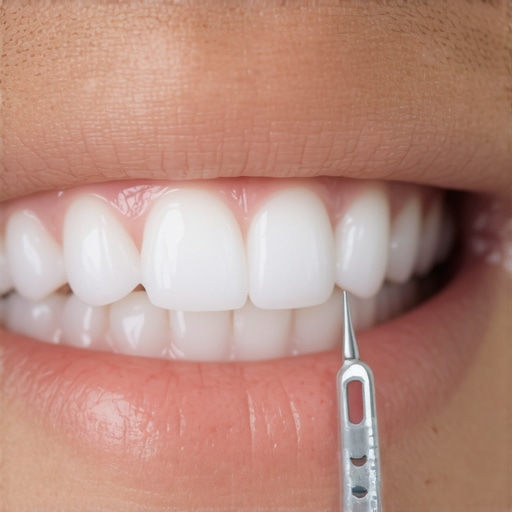
I remember the moment I realized I’d been duped by a bright, tempting TV ad promising a Hollywood smile with just a few bucks and a quick swipe of an over-the-counter whitening strip. At first, it seemed like an easy fix—something that would carve away years of coffee stains without a trip to the dentist. But soon enough, my gums started feeling raw, and I noticed a persistent sensitivity even after stopping the product. That lightbulb moment made me question: Are these whitening kits really safe, or are they just a quick fix with hidden dangers?
Why Over-the-Counter Whitening Kits Can Be Riskier Than You Think
This personal experience isn’t uncommon. Many folks jump into whitening treatments they buy online or at the drugstore without understanding the potential risks involved. These products often contain high-concentration peroxide that can erode your enamel or cause gum irritation if misused. And let’s be honest—what starts as a whiter smile can quickly turn into a painful ordeal if your gums become inflamed or your teeth become sensitive.
What’s more, relying solely on these quick fixes might mask underlying dental issues or lead to uneven whitening, which can look worse than before. As a dental professional, I’ve seen countless cases where amateur bleaching caused more harm than good, leading to costly repairs down the line. So, before you reach for the next Whitening Kit, it’s worth understanding how these products work and their potential dangers.
Is The Hype About Whitening Strips Justified?
Believe me, I made the mistake early on of assuming that store-bought whitening was a safe and fast shortcut. I didn’t realize that many of these products lack proper formulation and regulation, unlike professional whitening procedures. An article published by the American Dental Association emphasizes the importance of professional guidance in whitening treatments, which often produce safer and more consistent results (source).
Curious if your own whitening attempts are putting your gums at risk? You’re not alone. In the sections ahead, I’ll share how to identify early warning signs, safe options, and when it’s time to visit your dentist instead of heading to the drugstore.
Choose the Right Whitening Method
Before you pick a whitening product, assess your teeth’s health. If you have sensitive gums or enamel issues, consult your dentist to avoid making problems worse. Remember, professional guidance yields better and safer results (see why professional whitening works better).
Read and Follow Product Instructions Carefully
Always read the label thoroughly. If a kit suggests applying the gel for 10 minutes, avoid extending the time to prevent gum irritation. I once tried a whitening strip twice as long as instructed—resulting in a painful, inflamed gum that took days to heal. Precise adherence minimizes risks and ensures effectiveness.
Prepare Your Teeth and Gums Properly
Brush your teeth gently before treatment to remove plaque and debris. This creates a clean surface, allowing the whitening agent to work evenly. Use a soft-bristled brush to avoid damaging your gums, especially if they are sensitive. Proper prep sets the stage for safe, uniform whitening.
Create a Consistent Application Routine
Establish a daily routine, applying the whitening gel at the same time each day for a specified number of days. Sticking to routine prevents overuse, which can lead to enamel erosion or increased sensitivity. My experience with inconsistent application resulted in uneven whitening and sensitivity, highlighting the importance of discipline.
Monitor Your Response and Stop If Discomfort Occurs
If you notice gum soreness, burning, or increased sensitivity, discontinue use immediately. Rinsing your mouth with warm water can soothe irritation. Consulting a dentist promptly helps address issues early before they escalate into more serious problems.
Complement Whitening with Good Oral Hygiene
Post-treatment, maintain your results by brushing twice daily with fluoride toothpaste, flossing regularly, and avoiding stain-causing foods like coffee and red wine. Regular professional cleanings also enhance and prolong whitening effects, aligning with the importance of professional care (see why professional cleanings matter).
Know When to Seek Professional Help
If whitening causes persistent discomfort or uneven results, consult your dentist. They can recommend safer, more effective options like in-office bleaching or customized trays, which are tailored to your teeth’s needs. Don’t gamble with DIY solutions that could jeopardize your dental health.
 While many believe that regular brushing and flossing are sufficient for maintaining optimal oral health, the reality is far more complex. A common myth is that all teeth cleanings are created equal; however, professional cleanings with a skilled hygienist can reach areas and remove plaque that at-home routines simply can’t. This highlights the importance of understanding the nuances of family dentistry and why periodic in-office visits are essential for long-term health.
Another often-misunderstood aspect involves dental crowns. Many think they are just cosmetic fixes, but in reality, crowns are vital restorations that protect compromised teeth from further damage. Choosing between different types, such as porcelain or zirconia, depends on individual needs—a detail that many overlook. For a deeper understanding of these options, explore why porcelain veneers offer more natural results.
Digging deeper, a critical yet often ignored nuance involves the temporary phase after getting a crown. Improper care during this period can lead to crown loosening or misalignment, affecting both function and comfort. The key to avoiding this is meticulous maintenance, including avoiding sticky or hard foods. More about maintaining crowns can be found in how to care for temporary crowns.
One misconception that deserves addressing is the belief that teeth whitening products are entirely safe without professional supervision. This is dangerous because overuse or misuse can lead to enamel erosion, increasing sensitivity and risk of decay. Remember, the hype around whitening strips can be misleading—professional guidance provides safer, more reliable results, which you can verify in why professional whitening is superior.
For those concerned about advanced issues, it’s crucial to recognize that early signs of problems like gum recession or enamel wear often go unnoticed. Regular dental exams can detect these subtleties before they escalate into costly treatments. As I emphasize in my practice, being proactive and understanding these hidden nuances not only preserves your smile but also your overall health.
Have you ever fallen into this trap? Let me know in the comments.
Investing in the Right Tools Pays Off
To keep your smile healthy and vibrant over the years, having the proper equipment is crucial. I personally rely on a high-quality electric toothbrush, such as the Oral-B Genius X, because of its superior plaque removal capabilities and built-in sensors that guide flossing and brushing techniques. Its timer ensures you brush for the recommended two minutes, promoting thorough cleaning without overdoing it, which can harm gums.
Additionally, I recommend using interdental brushes like the TePe Select for precision cleaning between teeth, especially around crowns or braces. These tools are excellent for reaching areas that regular floss may miss, and I adjust my routine based on the latest evidence — one study from the Journal of Dental Research emphasizes that interdental cleaning significantly reduces plaque around restorations.
For professional guidance, I regularly schedule check-ups with my dental hygienist who uses ultrasonic scalers that efficiently remove tartar and biofilm, maintaining gum health and preventing periodontitis. These appointments are essential because even the best home tools can’t reach certain subgingival areas, reinforcing that periodic professional cleanings are part of a comprehensive strategy.
How do I maintain my dental restorations long-term?
Maintaining crowns requires meticulous daily care. I advise customers to avoid sticky or hard foods that can loosen restorations, and I also recommend a water flosser device, like the Waterpik Aquarius, for gentle yet effective cleaning around crowns and bridges. Its pulsating water can dislodge plaque in hard-to-reach areas without damaging delicate restorations, echoing the advice found in professional recommendations.
Looking ahead, I predict that advancements in smart dental devices, such as AI-enabled toothbrushes and remote monitoring apps, will become standard. These tools will help us personalize our oral care routines even further, ensuring consistent long-term health.
Ready to improve your routine? Try incorporating a water flosser into your daily cleaning, and observe the difference it makes in maintaining your crowns and overall gum health. Remember, the key to sustained results is consistency and the right tools.
What I Wish I Had Known About Oral Care Secrets
One of the most valuable lessons I learned is that true oral health extends far beyond quick fixes. For instance, I once believed that whitening strips could transform my smile overnight—only to discover that they sometimes cause more harm than good when misused or overused. Patience and professional guidance often lead to better, more lasting results. Recognizing the importance of understanding your teeth’s unique needs was a lightbulb moment that changed my approach to dental care.
A second insight is the critical role of personalized advice. Not all whitening products or crowns are suitable for everyone. I found that consulting my dentist not only protected my enamel but also saved me from costly repairs down the line. The wisdom here is to see every dental procedure as part of a tailored plan rather than a one-size-fits-all solution.
Lastly, I realized that forming consistent habits — like gentle brushing, proper flossing, and regular check-ups — creates a foundation for long-term oral health. These small daily efforts compound over time, preventing issues that might seem minor now but could become significant later. Embracing this mindset transforms routine care into a powerful shield for your smile.
Tools and Resources That Elevate My Dental Routine
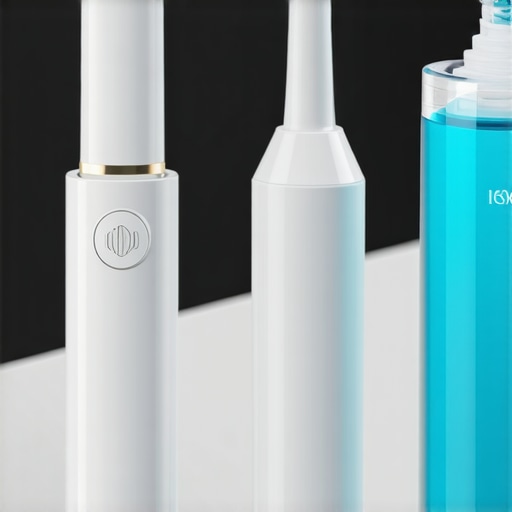
To maintain a healthy smile, I trust the Electric Toothbrush, such as the Oral-B Genius X, for its superior plaque removal and real-time feedback. It makes a tangible difference compared to manual brushing. For between-teeth cleaning, interdental brushes like TePe’s are invaluable—they reach those tricky spots that floss often misses, especially around crowns and hardware. I also rely on professional cleanings using ultrasonic scalers, scheduled every six months, because even the best home tools can’t access certain areas. Additionally, I recommend reading through expert articles such as why professional whitening works better, which reinforce the importance of professional guidance for safe and effective results. These resources form the backbone of my long-term oral health plan, ensuring I stay one step ahead of dental issues.
Keep Your Smile Bright Starts Today
Taking charge of your oral health now sets the stage for a lifetime of confidence and comfort. Remember, your smile is your signature — nurturing it with knowledge, the right tools, and routine care can make all the difference. Don’t wait for problems to surface; proactive steps today protect your smile for tomorrow. What’s one simple change you’re willing to make to improve your dental routine? Share your thoughts below!”}/>}#END#}# Answer:{