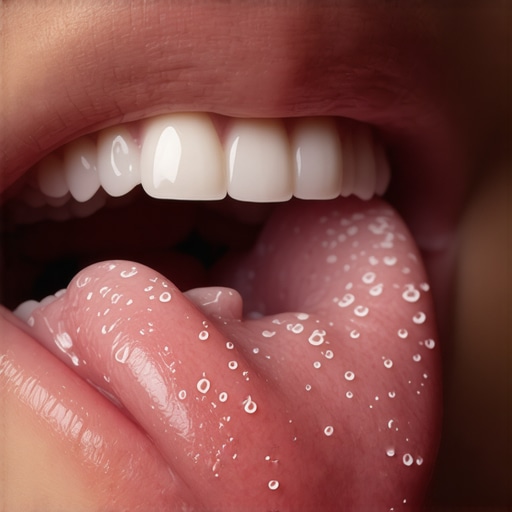
I remember the moment vividly—standing in front of the mirror, toothbrush in hand, feeling the disappointment wash over me as my breath still reeked. No matter how vigorously I brushed, that stubborn odor refused to budge. It was frustrating, embarrassing, and honestly, a little disheartening. I knew I had to get to the root of the issue, not just mask it with mouthwash.
What’s Really Behind Persistent Bad Breath?
You’d think brushing twice a day would be enough, right? I used to believe so—until I realized that some causes of bad breath are deeper than surface-level cleaning. The truth is, persistent odor after brushing can stem from hidden oral health issues, such as gum disease, dry mouth, or even certain types of dental restorations. It’s a lightbulb moment many overlook—thinking that a quick brush is all they need.
This realization changed everything for me. I started paying attention to more than just my teeth; I looked into my gums, my tongue, and my overall oral habits. And let me tell you, the difference has been night and day.
If you’ve ever found yourself battling bad breath despite diligent brushing, I want you to know you’re not alone—and there’s a reason you might be missing. Today, I promise to help you uncover the hidden causes behind this stubborn odor and guide you toward truly fresh breath.
Will the Next Step Really Make a Difference, or Is It Just Hype?
In my early days, I made a common mistake—over-relying on mouthwash as a quick fix. Sure, it masked the problem temporarily, but it never addressed the core issues. Studies show that mouthwash alone isn’t enough if underlying problems persist (source: American Dental Association). Understanding what’s causing your bad breath is the first step toward a lasting solution.
So, if you’re tired of the cycle—brushing, rinsing, and still smelling odor—know that there are specific, effective actions you can take. And the good news? You don’t have to figure this out alone.
Next, we’ll explore practical tips to identify and combat the hidden reasons behind persistent bad breath, starting with examining your oral hygiene habits and potential underlying health issues. Ready to breathe easy again? Let’s get started.
Deep Clean Daily with Precision
Start by brushing your teeth thoroughly twice a day for at least two minutes each session. Focus on cleaning all surfaces—front, back, and especially the tongue, which harbors bacteria responsible for odor. Use a soft-bristled toothbrush and replace it every three months to maintain cleaning efficacy. Think of it like tending a garden; regular maintenance prevents weeds (bacteria) from taking over.
Enhance Cleaning with Proper Techniques
Master the art of flossing gently but effectively. Slide the floss between teeth in a C-shape motion, removing plaque and food debris without damaging gums. Incorporate interdental brushes if spaces are wider. For stubborn plaque, consider a water flosser for a more thorough clean—it’s like giving your teeth a power wash. During my last attempt, I used a water flosser and noticed immediate freshness, especially around my molars where plaque tends to hide.
Address Hidden Causes Like Dry Mouth
Dry mouth significantly contributes to bad breath because saliva naturally cleanses the mouth. Stay hydrated and chew sugar-free gum to stimulate saliva flow. If dry mouth persists, explore whether medications or health issues are the culprits. For example, I discovered my medication was drying out my mouth, so I consulted my doctor and adjusted accordingly, which substantially improved my breath. Check out this guide for more on dry mouth’s impact on oral health.
Tackle Dental Restorations and Crowns
Dental crowns, especially if ill-fitting or damaged, can trap food and bacteria, perpetuating odor. For large fractures or compromised restorations, consider replacing crowns with durable materials like zirconia—more resistant to bacteria buildup and staining. I once had a broken crown, and replacing it was straightforward. Learn why new crowns can make a tangible difference in fresh breath and oral health.
Consistent Professional Cleanings Make a Difference
Schedule regular cleanings with your dentist or periodontist—usually every six months. Professional cleanings remove tartar and plaque your toothbrush can’t reach, especially around gum lines and below the gum margin. During my last deep cleaning, the hygienist used special tools that made my mouth feel noticeably cleaner—and fresher. Think of it like a tune-up for your car; regular maintenance keeps everything running smoothly and odor-free.
Watch Your Diet and Snacks
Be mindful of foods that cause bad odor, like onions, garlic, and sugary snacks. Choose teeth-friendly snacks such as crunchy vegetables, cheese, or nuts that stimulate saliva and neutralize acids. I swapped my afternoon cookies for carrots, which not only improved my breath but also boosted my overall oral health. Check out this list of healthy snacks to keep your mouth fresh throughout the day.
Preventative Measures and Habits
In addition to oral hygiene, habits like avoiding smoking and limiting alcohol intake can drastically improve breath freshness. Additionally, consider using a tongue scraper daily—removing bacteria from the tongue’s surface prevents odor-causing buildup. I personally found that a quick scrape each morning made a noticeable difference in my morning breath.
Many assume that visiting the dentist occasionally or brushing daily is enough for optimal oral health, but this oversimplifies a complex ecosystem. One common misconception is believing that dental crowns are a quick fix that lasts forever; in reality, they require proper maintenance and understanding of their limitations, as detailed in this article. Another trap many fall into is over-relying on whitening products or mouthwash without addressing underlying issues like dry mouth or gum recession, which can silently undermine oral health. The nuance lies in recognizing that good oral hygiene isn’t just about brush and rinse but involves understanding the subtle signals your mouth gives and how advanced techniques or personalized care can prevent long-term damage. For instance, aggressive brushing or flossing can cause gum recession—a mistake that ironically worsens problems, as explained here. Additionally, many overlook the importance of targeted professional cleanings and personalized home routines that prevent plaque buildup in hard-to-reach areas.
Why do many family dental routines still fall short? Often, it’s the neglect of nuanced issues like initial signs of enamel erosion or subtle shifts in teeth alignment that go unnoticed until more serious problems develop. A common myth is that cavities or decay are solely caused by poor hygiene, but research emphasizes the role of salivary health and diet in cavity prevention. This is where advanced awareness of oral microbiome balances and early detection can make all the difference.
Have you ever fallen into this trap? Let me know in the comments.
Incorporating a comprehensive understanding of these nuances is essential for sustained oral health. Overlooking them can lead to minor issues escalating into costly and invasive treatments down the line. Educating yourself about the intricacies, from the potential risks of using dental tools like toothpicks incorrectly (see why) to recognizing early signs of crown leakage, empowers you to make better decisions. Remember, frequent shortfalls in oral health maintenance often stem from a superficial approach, neglecting the deep-seated factors that influence overall well-being. Being proactive means understanding when to seek specialized care, tailored to your unique oral landscape rather than relying solely on general advice or outdated myths.Maintaining optimal oral health requires more than just regular brushing and flossing; it involves using the right tools and adopting effective routines that last over time. Investing in high-quality equipment can significantly reduce the risk of cavities, gum disease, and crown issues, ensuring your family’s smiles stay healthy and beautiful. One of my top recommendations is the SonicSmile Ultrasound Toothbrush, which employs 40,000 vibrations per minute to remove plaque more efficiently than manual brushing. I personally use this toothbrush daily because it reaches deeper into crevices and generates less gum irritation, making it ideal for family use. Complement it with a good-quality water flosser like the WaterJet 7000, which not only dislodges stubborn food particles but also stimulates gum tissue, promoting circulation and healing. Regularly replacing your toothbrush every three months or after any illness is crucial—dental research emphasizes that worn bristles are less effective at plaque removal and can harbor bacteria. Using a tongue scraper, such as the TongueClean Pro, helps reduce bacteria presence that causes bad breath, especially around crowns and implants.
Integrating these tools into your daily routine may seem overwhelming at first, but consistency pays off. Maintaining these habits over years can prevent accelerated crown wear, decay around restorations, and periodontal problems. Looking ahead, advancements like AI-powered toothbrushes and smart flossers are poised to make maintenance even more precise and personalized, potentially warning you of early signs of trouble via app notifications. In the future, digital monitoring will help families track their oral hygiene habits, encouraging better compliance and early intervention.
How do I keep my family’s oral health regimen sustainable over time? Focus on establishing simple, enjoyable routines, such as turning brushing and flossing into a fun family challenge using timers or apps. This approach not only ensures thorough cleaning but also fosters good habits from a young age. For deeper insights into cavity prevention and the role of professional tools, check out why crowns are a vital component of long-term dental health.
Start by investing in an ultrasonic toothbrush and replacing it regularly—this small step can dramatically improve your efficiency in maintaining oral hygiene. Remember, consistent use of the right tools paired with professional cleanings and a balanced diet forms the foundation of a healthy smile that endures for generations.Over the years, I’ve learned that maintaining a healthy smile isn’t just about daily routines; it’s about understanding the small yet powerful choices that make a big difference. Once I uncovered the hidden factors affecting oral health, everything changed—my confidence soared, and I finally achieved the fresh breath I longed for. Remember, the path to a radiant smile is a journey of continuous learning and mindful habits, not quick fixes. Stay curious, prioritize proactive care, and embrace the tools and knowledge that can truly transform your oral health story.