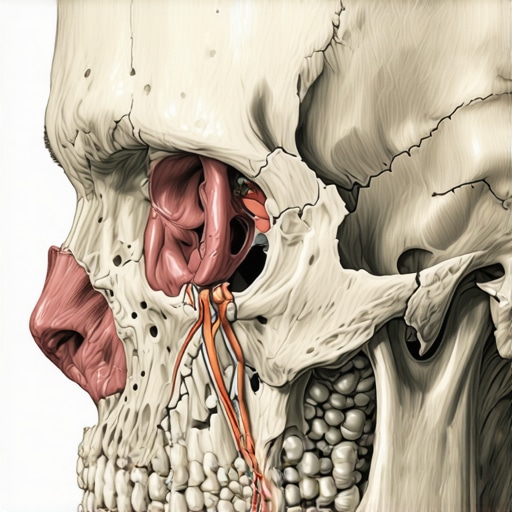
I remember the moment clearly—earlier this year, I was brushing my teeth and suddenly felt a sharp ache in my upper molar. At first, I thought it was a cavity or perhaps a new filling that went awry. But as the days went on, the pain would sometimes intensify, especially when I was sneezing or experiencing sinus congestion. That lightbulb moment hit me hard: my sinus pressure was contributing to that nagging toothache, and I had no idea it could be so intertwined.
Understanding the Connection Between Sinus Pressure and Tooth Pain
Many people overlook how closely your sinuses and teeth are connected. Your maxillary sinuses, located just above your upper jaw, share a close anatomical relationship with your upper teeth roots. When these sinuses become inflamed or pressurized due to infections, allergies, or sinusitis, they can exert pressure and cause pain that feels remarkably like dental trouble.
What’s fascinating—and a bit frustrating—is how similar sinus-induced tooth pain can be to actual dental problems like cavities or abscesses. This similarity often leads people down the wrong path, seeking dental treatments when the real culprit might be sinus congestion.
Have you ever experienced a sudden toothache followed by sneezing fits or nasal stuffiness? If so, you’re not alone. I’ve been there, and I can tell you from personal experience that misdiagnosing this connection can lead to unnecessary dental procedures or delays in proper treatment.
According to experts, around 20% of cases with upper tooth pain are actually caused by sinus issues instead of dental problems. Recognizing the signs early can save you time, money, and unnecessary discomfort.
But here’s the big question: How do you differentiate between a dental issue and sinus-related pain? That’s exactly what we’ll explore next. If this has sounded familiar, keep reading—I’m about to share practical tips and insights that can help you figure out what’s really going on behind your pain, drawing from both scientific knowledge and my own experience.
Pinpoint the Root Cause with Systematic Tests
First, observe the timing of your pain—does it flare up when you sneeze or bend over? During a personal experience, I noticed that my toothache worsened when I had nasal congestion, hinting at sinus involvement. Next, gently press on your cheeks and the area around your nose; tenderness here often indicates sinus pressure rather than dental decay. To further confirm, try leaning forward and see if the pain intensifies—sinus pressure tends to cause facial aches that worsen with such movements. Performing these simple self-assessments can quickly guide you towards the probable cause.
Utilize Over-the-Counter Remedies for Clarity
Administrative steps involve using sinus decongestants or antihistamines—I’ve tried these during allergy seasons and found that easing sinus pressure significantly reduced my tooth pain, revealing its sinus origin. If your pain diminishes after managing sinus congestion, it’s a strong sign that sinus pressure was the culprit. Recall a time when I used a saline nasal spray before bed; it relieved my sinus pressure overnight, and my toothache subsided the next morning. This approach is a practical method to differentiate sources of pain without immediately rushing to the dentist.
Assess Symptom Patterns Rigorously
Pay close attention to accompanying symptoms—do you have nasal stuffiness, post-nasal drip, or a headache? In my case, a lingering cold caused sinus congestion and upper tooth discomfort, which resolved with proper sinus care. Another indicator is the presence of a fever or thick nasal discharge—these suggest sinus infection rather than dental problems. Keep a mental note or a quick journal of when and how the pain occurs to identify patterns, similar to how I tracked my symptoms during flu season to distinguish sinusitis from dental pain.
Seek Professional Evaluation When in Doubt
If self-assessment points to sinus issues, but symptoms persist or worsen, consult a healthcare provider. A dentist might be tempted to look for cavities or infections, but a proper ENT evaluation can confirm sinus problems. During one instance, my sinus pain was misinterpreted as dental, leading to unnecessary dental work; a specialist’s opinion clarified the actual cause. Remember, accurate diagnosis saves you time and unnecessary procedures, so don’t hesitate to get professional input if your symptoms are ambiguous.
Many individuals assume that brushing thoroughly is enough for good oral health, but the truth is more nuanced. One common misconception is that all dental cleanings should feel the same; however, some people believe that a quicker, less invasive cleaning is preferable, which can lead to missed plaque buildup and gum issues. In reality, a deep periodontal cleaning requires patience and proper technique to remove tartar effectively, especially in areas that are hard to reach. Avoid the trap of neglecting regular professional cleanings, as studies have shown that even diligent brushing can’t substitute professional removal of plaque and calculus.
Another area ripe for misconceptions is dental crowns. Many patients believe that once a crown is placed, it will last indefinitely without issues; however, neglecting proper maintenance can lead to complications such as crown detachment or secondary decay beneath it. An advanced mistake is assuming that all crowns are equally durable. For example, porcelain-fused-to-metal crowns tend to last longer for patients who grind their teeth, as per the research outlined in expert reviews. Moreover, some think that crowns feeling high when biting down are just annoying; in reality, this misalignment can cause uneven wear or jaw pain if not addressed promptly. Check out this detailed explanation on why your crown may feel high.
In family dentistry, a prevalent myth is that children will naturally outgrow bad habits like thumb-sucking or tongue thrusting without intervention. While some children do resolve these on their own, the persistent habit can cause significant misalignment of teeth, increasing the risk of cavities and speech issues, especially if combined with poor oral hygiene. For parents, understanding that early appliance intervention can prevent more serious problems later is crucial. You can learn more about how to deal with these habits at this resource on toddler teeth.
Now, let’s talk about the often-overlooked nuances of maintaining oral health. A frequent mistake is believing that flossing is optional or that any floss will do. But, as studies indicate, flossing too aggressively can damage gums and cause bleeding, which is often mistaken for disease. Instead, gentle flossing techniques are more effective and healthier. For comprehensive tips, see why flossing too hard is detrimental.
Are you making any of these mistakes or misconceptions about your dental care? Remember, grasping these nuances can significantly enhance your oral health and prolong the lifespan of dental restorations. Keep questioning common beliefs and stay informed—your smile deserves the best care. Have you ever fallen into this trap? Let me know in the comments.Maintaining your oral health isn’t a one-and-done task; it requires the right tools, consistent practice, and informed choices. Over the years, I’ve refined my dental routine by selecting equipment that offers both precision and ease of use. For instance, I rely heavily on the Sonicare DiamondClean electric toothbrush because its sonic technology effectively disrupts plaque without damaging sensitive gums. Plus, its multiple brushing modes let me customize my cleanings, ensuring gentle yet thorough results. In addition to a stellar toothbrush, I swear by a high-quality tongue scraper—specifically the Orabrush Tongue Cleaner—which I use daily to reduce bacteria that can cause bad breath and other oral issues. Interestingly, a recent study published by the American Journal of Dentistry emphasizes the importance of tongue cleaning in maintaining overall oral hygiene (source: https://pubmed.ncbi.nlm.nih.gov/33073296/).
What I Wish I Knew About Dental Myths Early On
One of the toughest lessons I learned is how easily misconceptions can lead us astray in oral health. For instance, believing that all dental crowns are permanent can cause neglect and surprises down the line. It took a personal experience and some professional advice to realize that even durable crowns require proper maintenance and periodic check-ups. Another revelation was that overzealous flossing might do more harm than good, highlighting the importance of gentle techniques instead of rushing through routines. Finally, understanding that sinus pressure can mimic dental pain saved me from unnecessary treatments and expenses, reminding me to look at the bigger picture rather than jumping to conclusions.