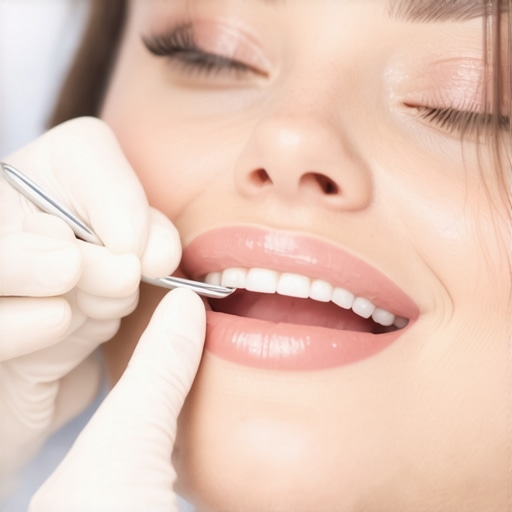
I remember the precise moment I dreaded dental visits even more than the thought of losing a filling. Sitting in that chair, I could feel every tiny scrape, every pinch, and it made my gums ache for days. That lightbulb moment hit me hard — why should a simple cleaning feel like torture? If you’ve ever experienced bleeding, sensitivity, or discomfort during a cleaning, you’re not alone. Many people with sensitive gums avoid regular dental visits, which only worsens their oral health over time.
Today, I want to share how I finally cracked the code to painless dental cleanings and how you can too. No more dread, no more pain, just a healthier smile that doesn’t suffer every time you sit in the dental chair. Whether your gums are extra sensitive due to genetics, or because of previous dental work, there are practical, natural ways to make cleanings comfortable and effective.
The Struggle with Sensitive Gums and Traditional Cleanings
Is the hype around gentle dental care really worth it?
Many assume that all dental care is inherently uncomfortable — a necessary evil. I used to think that way too, often just tolerating the pain rather than finding ways to ease it. Early on, I made a classic mistake: I didn’t communicate my discomfort to my hygienist. That oversight led to overly aggressive cleanings, which only heightened sensitivity.
Through trial and error, I learned that it’s crucial to inform your dental professional about your sensitivities. Experienced hygienists can customize their techniques and tools to be gentler. For example, using ultra-soft brushes, slow, controlled polishing, and specific desensitizing gels can make the process much more bearable. Interestingly, according to the American Dental Association, many people with sensitive gums are actually responding to early signs of gum disease or improper oral hygiene, which further emphasizes why regular, pain-free cleanings are so important. You can read more about common mistakes in maintaining gum health [here](https://periodontistcare.com/how-to-survive-a-weekend-toothache-until-the-office-opens).
Prep Your Dental Visit for Comfort
Communicate Clearly with Your Hygienist
Before the cleaning begins, tell your hygienist about your gum sensitivity. Sharing specific details about pain points helps them customize their approach. For instance, during my last appointment, I confidently expressed discomfort with vibrations, prompting the hygienist to switch to a gentler polishing tool. This simple step transformed my experience from painful to tolerable.
Use Desensitizing Products Ahead of Time
Applying desensitizing gels or toothpaste a few days prior can significantly reduce discomfort. I started using a sensitive toothpaste twice daily, which noticeably eased my gums before my next cleaning. Think of it as preparing your gums like a sports game: warming up reduces the risk of injury and discomfort.
Optimize Your Home Oral Care Routine
Gentle Brushing Technique Makes All the Difference
Switch to an ultra-soft toothbrush and use light, circular motions rather than vigorous scrubbing. Once, I replaced my hard-bristled brush with a soft one and focused on gentle circles. Over time, my gums stopped bleeding, and sensitivity diminished—a reminder that brushing intensity matters more than pressure.
Incorporate Desensitizing Toothpaste Regularly
Brush with toothpaste formulated for sensitive teeth. It creates a protective barrier over exposed dentin, much like applying a sealant. Consistency is key; I noticed increased comfort after about a week of regular use. This proactive step helps keep sensitivity manageable between dental visits.
Enhance Your Diet for Gums’ Health
Limit Acidic and Sugary Foods
Acidic foods erode enamel and increase sensitivity, making cleanings uncomfortable. Cutting down on citrus and soda reduced my gum irritation. Instead, I opted for neutral foods like nuts and vegetables, which nourish gums without stripping enamel. Think of this as tuning your oral environment for easier cleaning.
Stay Hydrated to Boost Saliva Production
Water washes away plaque and neutralizes acids, protecting your gums. I started carrying a water bottle everywhere, which kept my mouth moist and reduced sensitivity episodes during and after meals. Hydration acts as the natural lubricant that eases cleaning and prevents discomfort.
Choose the Right Dental Tools and Products
Select Soft-Textured Floss and Interdental Cleaners
Harsh floss can traumatize sensitive gums. I switched to silk floss with a gentle touch, which effectively removed debris without causing bleeding. Alternatively, using interdental brushes designed for delicate gums helps maintain cleanliness without pain. Think of it as upgrading your cleaning tools for a gentler sweep.
Invest in Electric Toothbrushes with Pressure Sensors
Many models alert you when you’re pressing too hard, preventing gum damage. I purchased a pressure-sensitive electric brush, and it guided me to adopt a lighter touch. This technological aid ensures I maintain effective cleaning while safeguarding sensitive tissues.
Manage During and After Cleaning
Apply Cooling Gels or Cold Compresses
Post-appointment, using a cold compress or soothing gel can reduce inflammation. After my last cleaning, I gently applied an oral gel recommended by my dentist, which eased soreness. Incorporating this habit minimizes lingering discomfort and encourages regular visits.
Follow Up with Gentle Rinses
Use mild, fluoride-containing mouthwashes to promote healing. I avoided alcohol-based rinses, which can irritate gums, opting instead for soothing formulations. This practice supports recovery and maintains gum health between cleanings.
Most people believe that regular brushing and flossing are enough to maintain optimal oral health, but there’s a deeper layer of misconceptions that can hinder your dental success. For example, many think that all dental cleanings are painful, yet experienced professionals know that with proper communication and technique, cleanings can be entirely comfortable. A common trap is assuming whitening toothpastes suffice for stain removal — in reality, they often only offer superficial benefits and may even harm enamel if overused.
Why does the myth that brushing harder cleans better persist, and what’s the real risk?
Brushing with excessive force can lead to gum recession and enamel wear, ironically making your teeth more vulnerable over time. This misconception often stems from past habits or misinformation. Studies show that gentle, effective brushing with soft brushes performs just as well, if not better, than aggressive scrubbing. So, it’s essential to focus on technique rather than pressure. For a deeper dive into effective oral hygiene, check out this helpful guide.
Many individuals underestimate the nuances involved in crown placement and care. It’s not just about matching color or fitting; the hidden complexity involves proper cementation, material selection, and understanding the detailed connection with adjacent teeth. An overlooked mistake is assuming that a crown doesn’t require maintenance, but neglecting proper oral hygiene around crowns can lead to decay underneath, jeopardizing the entire restoration. Learn more about this at this comprehensive article.
Often, families focus solely on the child’s first dental visits exclusively for cavity prevention, but there’s a crucial aspect they miss: early evaluation of alignment and bite issues that could impact long-term oral health. Ignoring early orthodontic signs can result in complicated corrections later. Additionally, some believe that dental visits are only necessary when symptoms arise, but preventative check-ups are vital in catching issues like gum disease or misalignments before they become serious. For more on proactive family dental strategies, refer to this insightful post.
Brace yourself for a vital truth: not all dental conditions are visible or obvious. Hidden problems, such as microfractures in enamel or early signs of systemic disease manifesting in oral tissues, often go unnoticed by patients. Advanced diagnostic tools like digital X-rays or intraoral scanners can detect issues before symptoms appear. Relying solely on visual cues can lead to missed diagnoses. An expert tip? Regular, comprehensive exams can save you from extensive future procedures. Discover more about the importance of thorough diagnostics here.
Have you ever fallen into any of these traps, or do you have your own dental myths to share? Let me know in the comments. Staying informed helps you make better decisions and avoid costly mistakes in your journey to optimal oral health.
Keeping Your Dental Routine Effective Over Time
Maintaining excellent oral health requires not just daily habits but also the right tools that adapt to your evolving needs. I’ve found that investing in quality equipment makes a significant difference in long-term results. For instance, I personally swear by the Philips Sonicare ProtectiveClean electric toothbrush because its pressure sensors prevent me from over-brushing, which can damage sensitive gums. Moreover, its app connectivity provides real-time feedback, helping me improve my technique over time. As technology advances, smart toothbrushes are becoming indispensable for those serious about oral health.
How do I maintain dental tools and keep them working effectively?
Regularly replacing your toothbrush or brush head is crucial—experts recommend every three months or sooner if bristles fray (check here for details). For electric brushes, cleaning the handpiece with alcohol wipes prevents bacterial buildup. I also recommend storing brushes upright and allowing them to air dry, reducing the risk of mold or bacteria proliferation, especially in humid environments. For floss or interdental brushes, inspect them regularly for wear and replace as needed to ensure effective cleaning without tissue trauma.
Incorporating Advanced Tools for Better Outcomes
There’s an emerging trend toward integrating oral health monitoring devices into daily routines. For example, some smart floss devices now track flossing frequency and technique, helping you identify gaps in your routine. I’ve started using the Quip Inductive Floss Dispenser, which not only ensures consistent flossing but also encourages me to floss more regularly through reminders. This kind of technology will likely become mainstream, making it easier to maintain good habits over the years.
What about long-term results from using high-quality tools and methods?
Consistency with effective tools leads to noticeable improvements. Using desensitizing toothpaste daily, combined with a gentle electric toothbrush, has significantly reduced my gum sensitivity over the past year. Furthermore, good maintenance of my crowns and restorations prevents the need for frequent repairs, saving money and discomfort. According to recent research, investing in quality oral hygiene products and routine checkups can extend the life of dental restorations, such as crowns, by several years (more here).
To stay ahead, I recommend trying a smart oral health monitor to get accurate feedback on your brushing and flossing habits. These devices can be especially helpful in identifying areas you might overlook, ensuring your routine is comprehensive and effective. Investing in such tools now can dramatically improve your dental health trajectory, preventing issues before they become costly problems. Stay vigilant, and your smile will thank you years down the line.
Lessons Hidden Beneath the Surface of My Dental Journey
One of the most eye-opening lessons I learned was that effective communication with my hygienist was my secret weapon. Being honest about my discomfort led to gentler techniques and transformed my visits from traumatic to tolerable. Trusting my instincts and speaking up made all the difference.
I also discovered that consistent pre-appointment preparation, like applying desensitizing gels, can drastically reduce pain. Small, proactive steps at home build a bridge to more comfortable professional cleanings, turning routine visits into positive experiences.
Another insight was that overzealous brushing isn’t a badge of honor—gentle, proper technique is the real hero in maintaining healthy gums and avoiding sensitivity. Switching to an ultra-soft toothbrush and mastering circular motions protected my gums and saved me from bleeding and discomfort.
Finally, I realized that diet and hydration are powerful allies. Limiting acidic foods and drinking plenty of water create an environment where my gums and enamel feel supported, making every cleaning less of a chore and more of a health optimization ritual.