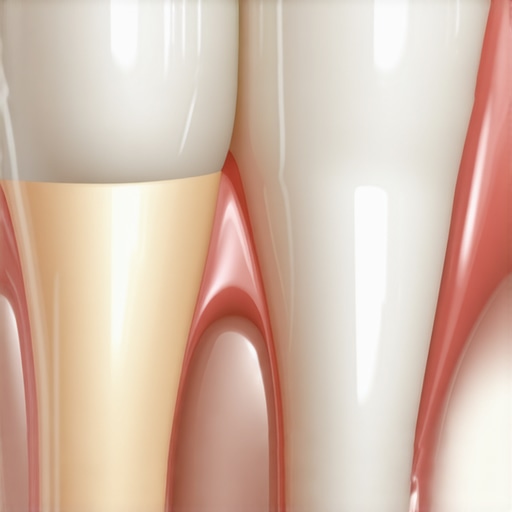
I remember the day I cracked a back molar during what seemed like an innocent snack. The sharp pain was a wake-up call—I’d neglected the subtle signs of wear and tear for too long. That moment made me realize how crucial the right dental solution really is, especially when it comes to restoring those hard-to-see, yet essential, teeth at the back of our mouths. If you’ve ever experienced the discomfort of a chipped or sensitive molar, you know how it can interfere with eating, speaking, and even your confidence.
Choosing the Best Restoration for Your Molars Matters More Than You Think
Back molars endure a tremendous amount of pressure. When it comes to repairing them, many people shy away from discussing their options—often due to misconceptions or simply not knowing what’s best. I used to believe that any crown would do the trick—until I learned that not all crowns are created equal in durability, appearance, and overall health impact. This realization sparked a little journey into understanding why ceramic crowns—particularly zirconia—are proving to be superior choices over traditional metal-fused crowns.
Is the Hype Around Ceramic Crowns Just Marketing?
Early in my research, I made the mistake of dismissing the importance of material choice, thinking that a shiny crown was all I should focus on. But as I delved deeper, I discovered how much the material’s composition affects everything from natural look to long-term health. Did you know that metal-fused crowns can sometimes cause wear on neighboring teeth and even lead to gum darkening over time? That was a real eye-opener for me. If you’re skeptical, you’re not alone. And that’s why I want to help you navigate through these common concerns.
Understanding the differences between crown materials can seem daunting, but the impact on your oral health and confidence is well worth the effort. Have you ever faced a situation where your dental work felt more like an inconvenience than a solution? You’re not alone, and the good news is that a well-chosen crown can make all the difference. To get started, let’s explore why ceramic crowns are gaining such popularity and how they could be the right choice for you.
Prepare for Your Dental Restoration
Start by scheduling a comprehensive dental exam to assess the damage and discuss material options. Bring any questions about crown durability or appearance. When I went through my own crown replacement, I made a checklist of concerns to address with my dentist, ensuring I understood each step.
Ensure Effective Cleanup Before Crown Placement
Prior to the procedure, maintain excellent oral hygiene with gentle brushing and flossing. Your dentist will clean the tooth thoroughly to remove plaque and decay. During my appointment, I watched the hygienist carefully scrub around my tooth, which helped the new crown fit snugly and last longer.
Address Tooth Sensitivity
If you experience high sensitivity, consider using desensitizing toothpaste. This step can make the procedure more comfortable. I applied a sensitivity gel a week before my appointment, reducing discomfort during the cleaning process.
Get Accurate Tooth Impressions
The dentist will take precise impressions of your molar using dental putty or digital scanning. Imagine capturing a mold that’s as specific as a fingerprint—this ensures your crown fits perfectly. During my own treatment, I watched as the technician carefully scanned my mouth, which felt like a high-tech selfie for my teeth.
Choose the Right Crown Material
Discuss options like zirconia with your dentist. Zirconia crowns are renowned for strength and a natural look. My dentist explained that zirconia is the new standard, especially for back teeth that endure heavy chewing—see the article on why zirconia crowns are the new standard.
Schedule the Crown Fabrication Process
Once impressions are taken, the lab crafts your crown, which typically takes one to two weeks. During this time, your dentist may provide a temporary crown. When I received mine, I was advised to avoid sticky or hard foods and to maintain impeccable hygiene to prevent loosening or damage.
Wear and Care for Your New Crown
After placement, avoid grinding or chewing on hard objects. Regular brushing and flossing are essential. I learned that proper maintenance extends crown lifespan—checking out how to maintain your white smile offers valuable tips.
Monitor and Follow Up
Attend follow-up appointments to ensure the crown fits well and reminds you to report any discomfort or unusual sensations. During my last visit, my dentist adjusted the bite to eliminate high spots, making chewing comfortable again.
Many people believe that brushing harder means a cleaner mouth, but in reality, aggressive brushing can erode enamel and cause gum recession—compromising your oral health over time. A widespread misconception is that professional cleanings are only necessary when staining becomes obvious; however, regular visits help prevent tartar buildup and detect issues early, saving you from more extensive treatments down the line. Contrary to popular belief, whitening strips often don’t achieve the same results as professional whitening, especially for stubborn stains—see how professional whitening can make a difference.
A nuanced point many overlook is the importance of precise crown placement. An improperly fitted crown not only feels bulky but can also cause bite issues and wear down adjacent teeth—learn more about how to fix crown fit. Too often, patients rush into crowns without understanding the influence of material choice on durability and aesthetics. For example, zirconia crowns are now regarded as the gold standard for back teeth due to their strength and natural appearance.
A critical but overlooked aspect of oral health is the silent impact of overlooked habits. For instance, frequent use of over-the-counter whitening kits can lead to enamel erosion, especially if used improperly—review the dangers at DIY whitening risks. Another myth is that once sensitive teeth are numbed or desensitized temporarily, they are fully healthy; in reality, persistent sensitivity often signals underlying issues such as enamel loss or cavities that require professional intervention.
In my experience, many underestimate the significance of maintaining good oral habits beyond brushing and flossing. Factors like diet, hydration, and even stress influence oral health in subtle but meaningful ways. For example, dry mouth significantly increases the risk of cavities and gum disease—see the connection at dry mouth and gum health. So, ask yourself: are you truly addressing the nuances of your oral health or just going through the motions?
**How can understanding these hidden nuances improve your dental care?** Being aware of advanced myths and mistakes enables you to make informed decisions and avoid common pitfalls that can undermine your oral health. For instance, knowing that aggressive brushing can be harmful prompts more effective and gentle techniques, possibly with the aid of an electric toothbrush guided by your dentist. Additionally, understanding the importance of structural fit and material choice in crowns empowers you to seek treatments that last longer and look more natural.
Have you ever fallen into this trap? Let me know in the comments. The key takeaway is that dental health is complex and nuanced—what seems small or insignificant can have a big impact in the long run. Staying educated and questioning common beliefs helps you take charge of your oral wellbeing, ensuring a healthier, brighter smile for years to come.
Keep Your Dental Equipment in Top Shape
Investing in high-quality dental tools makes a significant difference in your oral care routine. Personally, I rely on an electric toothbrush with a timer feature—specifically the Oral-B Genius Pro 8000—because it ensures I brush for a full two minutes, covering all surfaces thoroughly. Regularly replacing the brush head every three months is essential; I set a reminder on my phone to avoid the common mistake of using worn-out bristles that lose their effectiveness.
In addition, using interdental brushes like the TePe Superior Visual Tip, which I prefer for its comfortable grip and effective plaque removal, helps maintain optimal cleaning between teeth. To keep these tools functioning properly, rinsing them thoroughly after each use and storing them upright in a ventilated container prevents bacterial buildup. This simple practice prolongs their lifespan and ensures each use is hygienic.
How do I maintain my oral health over time?
Beyond tools, I incorporate professional-grade whitening pens, such as the AuraGlow Personal Whitening Pen, to touch up stains at home—these are especially useful if professional whitening fails to sustain my bright smile. The trend points toward personalized, at-home maintenance routines combined with regular dental visits, which I believe will become even more tailored with advances in biomaterials and smart technology. For instance, digital mouth scanners now trace plaque buildup with unprecedented accuracy, helping me target problem areas more effectively.
In my experience, staying consistent with maintenance routines, like flossing with the Waterpik Water Flosser Ultra, helps prevent long-term issues such as gum recession or tartar buildup. Regularly scheduled check-ups are vital; I schedule them six months apart and ensure to inform my dentist of any discomfort, no matter how minor—early detection is key, and the earlier you address an issue, the better your long-term oral health outcomes.
If you’re serious about preserving your dental tools and health, try the tip of replacing your brush head on schedule and using interdental brushes for hard-to-reach spots. I personally notice a visible difference in my oral hygiene when I adhere strictly to these practices. Remember, your tools are only as good as how well you maintain them, so invest a few minutes each week in their care. This proactive approach will pay off with healthier gums, fewer cavities, and a brighter smile over the years.
,
Four Surprising Truths That Changed How I Care for My Teeth
Over years of navigating dental treatments, I realized that there are hidden facets of oral health many professionals overlook. For example, the importance of choosing the right crown material isn’t just about aesthetics—it impacts long-term durability and how your teeth and gums respond. I once believed that any crown would suffice, but discovering that zirconia crowns offer unmatched strength for back molars was a game-changer. Moreover, I learned that proper maintenance of my tools, like replacing my electric toothbrush head regularly, supercharged my routine.
Another lightbulb moment was understanding that not all sensitivities are routine—persistent cold sensitivity can signal underlying issues, prompting me to seek professional advice sooner rather than later. This personal journey has taught me the value of being proactive, informed, and meticulous beyond just brushing and flossing. By embracing these lessons, I’ve significantly improved my oral health, confidence, and overall well-being.
My Handy Arsenal for a Healthier Smile
To truly take charge of my dental health, I rely on an electric toothbrush like the Oral-B Genius Pro 8000, which ensures thorough cleaning. I also incorporate interdental brushes, such as the TePe Superior Visual Tip, for hard-to-reach spaces—an underrated step that prevents plaque buildup. Additionally, professional whitening pens like AuraGlow help me maintain a bright smile between dental visits. I trust these tools because they’re backed by research and have proven effective in my daily routine. Regular check-ups are essential too—my dentist and I work together to monitor my crown fit and address any issues early, helping my restorations last longer.
Your Turn to Shine: Embrace the Power of Knowledge
Remember, your smile is a reflection of your overall health, and understanding the nuances of dental care can illuminate your path to smarter choices. From selecting the right crown material to maintaining oral hygiene tools, small adjustments can have profound impacts. So I challenge you to evaluate your habits today—are they setting you up for a lifetime of confident smiles? Share your experiences below, and let’s keep the conversation going about secrets that can transform your dental health journey.