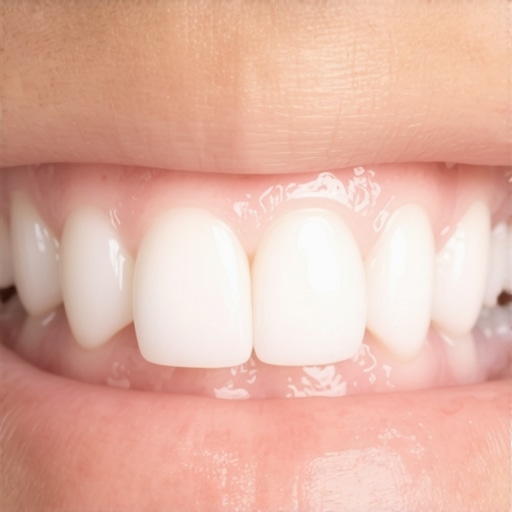
Have you ever finished brushing your teeth, only to feel that irritating sensation of stickiness lingering? It’s happened to me more times than I can count, and let me tell you, it’s incredibly frustrating. You think you’ve done a thorough job cleaning, yet that tacky feeling refuses to go away — it’s like your mouth is still coated in a thin film of residue. That lightbulb moment when I realized this isn’t just about poor brushing techniques but a sign that something deeper might be going on. This common yet perplexing issue can stem from various factors, and understanding them is the first step toward a healthier, fresher mouth.
Why Your Teeth Still Feel Sticky After Brushing
Could Bacteria and Plaque Be the Culprits?
One major reason your teeth might feel sticky even after brushing is the presence of bacteria and plaque. Plaque is a sticky film loaded with bacteria, sugars, and food particles. When you brush, the goal is to remove this film, but sometimes it’s stubborn or accumulates faster than you realize. If you’re not brushing effectively or missing spots, plaque can remain, leaving that disconcerting residue. Interestingly, studies show that plaque buildup begins within hours of professional cleaning, which makes diligent daily oral hygiene crucial. If you suspect plaque might be the issue, consider revisiting your brushing technique and perhaps consulting your dentist for a professional cleaning.
If you want to explore more about maintaining clean gums and teeth, check out why flossing shenanigans can do more harm than good.
Are Your Dental Products Contributing to the Problem?
Sometimes, the toothpaste or mouthwash you use might be part of the problem. Certain products contain ingredients that can leave a film or cause dryness, which paradoxically makes your mouth feel dirtier. For example, some whitening toothpastes can strip enamel, making your teeth feel rough or sticky if overused. I once fell for the hype and over-whitened my teeth — turns out, I was making my problem worse! That’s why it’s vital to choose dental products wisely and use them as directed. Not all formulas are created equal, so when in doubt, ask your dentist about the best products for your needs.
For instance, if you’re concerned about enamel erosion, this guide on preserving enamel during your morning routines might prove helpful.
But before diving into treatments or switching products, it’s important to consider whether your brushing habits are actually effective or if you’re making common mistakes. I’ll be sharing some practical tips on this next. And if you’ve faced this sticky situation, you’re not alone — understanding the root cause can make all the difference in finally feeling that clean, fresh sensation in your mouth.
Master Your Brushing Technique for a Truly Clean Mouth
Start by selecting a soft-bristled toothbrush, much like choosing a gentle sweep rather than a harsh scrub. Position it at a 45-degree angle to your gums and use small, circular motions to target plaque without damaging your enamel. I recall the first time I switched to this method — my gums felt healthier, and the sticky feeling vanished faster. Brush for at least two minutes, ensuring you reach the tricky areas behind molars and along the gumline. Don’t rush; quality over speed is key.
Double-Check for Missed Spots
After your initial brush, use a mirror and a floss pick to spot any remaining debris. imagine you’re an artist checking your work; do a thorough visual inspection. Focus on the back molars and between teeth, where plaque tends to hide. Moving the floss gently between teeth, create a ‘C’ shape to hug each tooth, removing lingering particles. I once skipped this step and felt the residual stickiness persist — now, I never skip flossing after brushing.
Use an Antimicrobial Rinse to Finish Strong
Finish with a mouthwash that contains active ingredients like chlorhexidine or essential oils, which help kill bacteria and reduce plaque. Swish for 30 seconds, focusing on all quadrants. This step acts like a final security check, ensuring no bacteria remain that could cause that sticky film. Remember, overusing alcohol-based rinses can cause dryness, which ironically makes your mouth feel dirtier. For a gentler option, try a alcohol-free antimicrobial rinse — your mouth’s comfort matters.
Replace Your Toothbrush Regularly and Inspect Your Dental Work
Swap your toothbrush every three to four months — old bristles are less effective at cleaning and can harbor bacteria. Visualize a worn brush as a tired broom that just pushes dirt around instead of sweeping it away. Also, examine your dental crowns and fillings periodically; look for signs like rough edges or discoloration that indicate buildup or damage. Regular check-ups with your dentist ensure these areas are cleaned properly and maintained, preventing that lingering residue. If you’re unsure about your dental restorations, consult your dentist about the fitness of crowns or the health of your implants, like in this guide on crown fit.
Incorporate These Practices Into Your Routine
Consistency is vital. Make these steps part of your daily routine; over time, the stubborn plaque and residual film will be a thing of the past. Remember, a clean mouth not only feels better but also prevents future dental issues like cavities and gum disease. When in doubt, consult your dentist for tailored advice or professional cleaning strategies. Taking these concrete actions finally helped me leave behind the sticky, unclean sensation and enjoy that refreshing, smooth feeling after brushing.
Many individuals believe that brushing harder removes more plaque, but in reality, this can cause gum recession and enamel erosion, leading to increased sensitivity and damage. The truth is, effective cleaning relies on proper technique rather than brute force. Furthermore, many assume that persistent bad breath always indicates poor hygiene, but underlying issues like dry mouth or even certain dental materials can also contribute. It’s a misconception that all dental restorations, such as crowns, are the same; choosing the right material and fit is crucial for long-term health. Did you know that some people think flossing isn’t necessary if they brush thoroughly, yet flossing targets areas brushing misses, preventing plaque accumulation between teeth? Advanced practitioners understand that improper flossing can damage delicate gum tissue if done forcefully or incorrectly; gentle, correct flossing is key.
Can neglecting the nuances of dental materials impact your oral health in unexpected ways?
For example, some crowns, especially older metal ones, may cause a metallic taste or accelerate corrosion if not properly maintained, as explained in this article on fixing metallic tastes from dental work. Additionally, many overlook the importance of regular checkups to monitor crown integrity or detect early signs of enamel cracking, which can be subtle but critical. Recent studies, like one published in the Journal of Dental Research, emphasize that understanding the specific properties of crown materials—zirconia, porcelain, or metal—can influence decisions about repair or replacement, ultimately protecting your investment and health. Always remember that practicing good habits isn’t just about brushing and flossing; it’s about understanding the materials, techniques, and nuances that keep your mouth healthy in the long run. Have you ever fallen into this trap? Let me know in the comments.
Keep Your Smile Healthy with the Right Tools
Maintaining excellent oral health over time isn’t just about brushing and flossing daily; it requires investing in precise, reliable tools that support your routine. As someone passionate about long-term dental wellness, I’ve tested various devices and methods to find what truly works. The first essential piece in my arsenal is an electric toothbrush with oscillating-rotating technology. I personally prefer the Oral-B Genius X because its smart sensors ensure I don’t miss spots, and its timer encourages the full two-minute brushing session recommended by dentists.
Using a quality electric toothbrush significantly enhances plaque removal, especially around crowns and bridges where manual brushing can fall short. For hard-to-reach areas, I rely on a water flosser like the Waterpik Aquarius. It’s gentle on gums yet powerful enough to dislodge debris embedded between teeth and around dental restorations, helping to prevent that persistent feeling of residue. This simple habit of thorough interdental cleaning complements the water flosser brilliantly.
In addition to physical tools, incorporating anti-plaque mouthwashes containing chlorhexidine can bolster my defense against bacterial buildup. I prefer the alcohol-free formulations, such as CloSYS Unscented, because they eliminate dryness without compromising oral comfort. Remember that overuse may lead to staining or taste alterations, so I recommend consulting your dentist for guidance.
How do I maintain my tools over time?
Regular replacement and cleaning are key. I change my toothbrush heads every three months and ensure my water flosser nozzles are disinfected weekly with a solution of hydrogen peroxide. Keeping tools in a dry, clean environment prevents bacteria growth and optimizes their lifespan. Advanced users may consider ultrasonic cleaner devices that sterilize dental tools more thoroughly, similar to those used in professional settings. As dental technology evolves, I predict that smart, AI-integrated oral care devices will become commonplace, offering personalized feedback and real-time monitoring—making maintenance even easier and more effective.
If you’re serious about sustaining your oral health long-term, I encourage you to try upgrading your brushing routine with a high-quality electric brush and pairing it with a reliable water flosser. Proper maintenance of your tools ensures they serve you well for years to come, much like how regular professional checkups support your dental health. Remember, investing in the right equipment today can save you from costly dental procedures tomorrow.
Lessons That Changed My Approach to Oral Care
One powerful lesson I learned—often through trial and error—is that consistency beats intensity. Brushing harder doesn’t clean better; it can actually harm your gums and enamel, making your sticky feeling worse over time.
Another insight—flossing correctly is more important than how often you do it. Gently hugging each tooth with proper technique prevents damage and ensures plaque doesn’t hide where brushes can’t reach, which was a game-changer for me.
Then there’s the realization that not all dental products are created equal. I used to chase the latest whitening trend, only to find that some formulas caused more dryness and a lingering film, which ironically made my mouth feel dirtier. Choosing tailored, gentle products made a noticeable difference.
Lastly, regular dental visits are crucial—not just for cleaning, but for catching issues early, especially with crowns or fillings that can develop hidden problems. I found that proactive care saves both discomfort and cost in the long run.