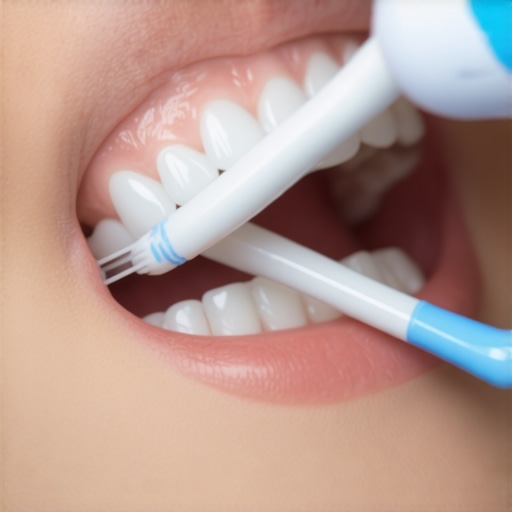
I’ll never forget the morning I looked into the mirror and realized I had been neglecting the area around my new crown. A tiny, uncomfortable sensation had become a nagging persistent ache, and it hit me—I’d been overlooking something crucial in my daily routine. Is there anyone else who has found themselves in this exact spot, feeling lost about how to properly maintain their dental work without risking damage or discomfort?
Why Proper Cleaning of Dental Crowns and Bridges Matters More Than You Think
When you get a crown or a bridge, it’s not just about restoring your smile—it’s also about keeping your overall oral health intact. These dental prosthetics are durable, yes, but they’re not invincible. Food particles and plaque can stubbornly hide around these restorations, leading to decay or gum disease if not cleaned properly. And believe me, early mistakes—like using the wrong tools or techniques—can turn simple maintenance into a nightmare that causes sensibility or even the need for costly replacements. I learned this the hard way, once using a toothpick improperly and irritating my gum tissue, which could have led to a much bigger problem. To avoid that, I dove into research and discovered some effective, easy methods you can adopt starting today.
Is Over-Hyped Cleaning Advice Really Worth Your Time?
Honestly, I used to think that simply brushing and flossing like I did before was enough once I upgraded to a crown. It turns out, I couldn’t have been more mistaken. I came across a common mistake early on—skipping the use of specific tools and techniques designed for prosthetic dental work—that can make all the difference. For example, regular floss isn’t enough. Specialized floss or interdental brushes are your best friends in reaching those tricky spots around crowns, especially if you’re worried about damaging the restoration. For more insights, I recommend checking out the article on how to clean a dental crown without scratching the porcelain. This way, you protect your investment and keep your smile shining brightest.
Mastering Daily Oral Hygiene for Dental Restorations
Start by gently brushing around your crowns and bridges using a soft-bristled toothbrush. Imagine trying to clean delicate jewelry; harsh scrubbing can cause damage. I once used a stiff brush and noticed tiny scratches on my porcelain crown, which led me to switch to a softer brush—it’s a simple change that preserves your restoration’s appearance and integrity.
Use Appropriate Tools
Incorporate interdental brushes or floss designed for bridges, such as floss with stiffened ends. These tools are like tiny bridges themselves, reaching into the narrow spaces where plaque hides. I remember struggling to clean between my molars until I found interdental brushes; now, my cleaning is more thorough, and I avoid gum irritation.
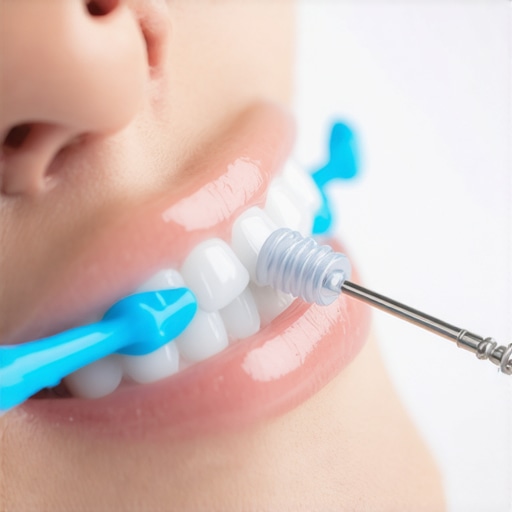
Implementing Effective Cleaning Techniques
Position your floss correctly by curving it into a C-shape around each tooth or crown. Think of it as hugging your tooth, ensuring a snug fit that removes debris efficiently. A personal tip: I tie a small knot in my floss to prevent it from shredding, which kept my gums healthy and my restorations untouched.
Pay Attention to Contact Points
Focus on the areas where your natural teeth meet your crowns. These contact points are like doorways for plaque; if neglected, they become breeding grounds for bacteria. During my routine, I spend extra time here, gently cleaning to prevent decay or gum disease that could threaten your restoration.
Many people believe they understand the basics of family dentistry, but in reality, there are subtle misconceptions that can jeopardize oral health. A familiar myth is that brushing harder cleans teeth better; however, aggressive brushing can damage enamel and gum tissue, leading to sensitivity and recession. Experts advocate gentle, circular motions, emphasizing that technique outweighs force. Additionally, there’s a misconception that teeth whitening products are universally safe; in truth, some over-the-counter kits contain abrasives or chemicals that may harm enamel or irritate gums, especially if misused. For advanced users, understanding the difference between surface whiteners and penetrative bleaching is crucial. Moreover, many overlook the importance of properly fitting crowns and restorations. Poorly fitted crowns not only cause discomfort but can lead to secondary decay or gum disease beneath the restoration, which is why choosing durable, well-fitted materials like zirconia can make a significant difference. Did you know that certain common mistakes, like neglecting interdental cleaning, can be more damaging than skipping brushing altogether? Studies show that even meticulous brushing can’t reach between teeth, highlighting the necessity of flossing or interdental brushes. An overlooked nuance is the risk of avoiding routine dental check-ups; many assume that if there’s no pain, everything’s fine, but issues like microleakage in crowns or early cavities often develop silently. To prevent these, regular professional evaluations are essential. A particularly insidious trap involves misunderstanding oral hygiene signals. For example, persistent bad breath may be dismissed as an isolated issue, but it can be linked to deeper problems like gum disease or cavities. Addressing such signs promptly can prevent costly interventions later. And finally, advanced techniques in family dentistry consider saliva composition; a study published in the Journal of Dental Research indicates that saliva’s pH and flow rate significantly influence caries risk and can vary based on diet, medications, or systemic health. Considering these nuances can elevate your home care from basic to expert level. Have you ever fallen into this trap of underestimating oral care complexities? Let me know in the comments and share your experience. For more in-depth insights, consider exploring [how to tell if that white spot on your tooth is a cavity](https://periodontistcare.com/how-to-tell-if-that-white-spot-on-your-tooth-is-a-cavity) or learning about the durability of crown materials to make informed choices for your restorations.
Keeping It Working: Essential Tools for Lifelong Oral Health
Maintaining your oral health beyond routine brushing and flossing is about investing in the right tools. Personally, I rely on a combination of high-quality equipment and smart techniques to ensure my family’s smiles stay healthy for years to come. One game-changer for me has been using an electric toothbrush like the Oral-B Genius X, which offers superior plaque removal thanks to its oscillating-rotating technology. The built-in timers also help ensure I brush for the optimal two minutes, which is critical when caring for crowns and restorations. Additionally, investing in interdental brushes, such as TePe’s FlexiFit, allows me to reach those tricky contact points that are prone to plaque buildup. Regular use of these brushes significantly reduces the risk of decay beneath crowns or bridges, aligning with advice from dental professionals to extend their lifespan.
To complement physical tools, I use a water flosser like the Waterpik Ultra, which is particularly effective around dental work. Water flossers can dislodge food particles and plaque without applying harsh forces that might damage delicate restorations. This is especially helpful for family members with braces or extensive crowns, as traditional floss can sometimes be too cumbersome or risky. I personally find that incorporating water flossing into my nightly routine has cut down on gum inflammation and kept my breath fresh. When selecting floss, I prefer waxed, shred-resistant varieties such as Glide, because they glide smoothly and minimize gum irritation—again, crucial for the longevity of crowns and fillings.
What tools do I see making a real difference in the future?
Looking ahead, I predict advancements in smart dental devices—like AI-enabled flossers and toothbrushes—that track your technique and provide real-time feedback. Manufacturers are already exploring sensors that monitor plaque levels and remind users when to replace brush heads, helping maintain optimal cleaning effectiveness. These innovations will empower families to take better proactive steps and reduce costly visits due to avoidable issues. Staying ahead with technology isn’t just about convenience; it’s a strategic move to keep your oral appliances functioning properly long-term.
How do I maintain my dental tools over time?
Proper maintenance of your dental equipment is vital for continued effectiveness. Regularly replace toothbrush heads every three months or sooner if frayed, as worn bristles diminish cleaning power. Rinse water flossers thoroughly after each use and replace their reservoirs weekly to prevent bacterial growth. For interdental brushes, it’s important to inspect for damage and discard if the bristles are bent or frayed. Cleaning these tools ensures they remain hygienic and effective. Experts recommend storing devices in a dry area to minimize mold buildup. Maintaining your tools not only protects your investments but also ensures each session contributes meaningfully to your oral health goals. For more detailed guidance, check out how to clean a dental crown without scratching the porcelain to prevent accidental damage during home maintenance. Finally, establish a routine—for example, every Sunday night—to inspect and deep-clean your devices, building good habits that support your family’s smiles for years to come. Remember, the right tools used properly are your best defense against long-term dental issues like decay or crown failure.
The Hidden Lessons I Learned About Family Dentistry and Permanent Restorations
One of the most profound realizations I’ve had is that maintaining dental crowns isn’t just about regular brushing; it’s about understanding the delicate intricacies of each restoration. For example, I once thought that using any floss would do, but I discovered that specialized floss for crowns can prevent microtears and prolong the life of the restoration. If I had known earlier how much the contact points matter, I would’ve paid closer attention to cleaning between my crowns and natural teeth. These small, often overlooked details can drastically improve the longevity of your dental work and overall oral health.
Tools and Resources That Changed My Approach to Oral Care
Over the years, I’ve come to trust specific tools that align with my commitment to dental health. The electric toothbrush from Oral-B has been a game-changer, especially for those with crowns, because it offers gentle yet thorough cleaning without risking damage. I also swear by interdental brushes like TePe’s FlexiFit, which reach those tricky spots between teeth and crowns, reducing plaque buildup significantly. For professional-grade cleaning at home, a water flosser like the Waterpik Ultra adds another layer of protection, especially for family members with braces or multiple restorations. Lastly, educating myself through trusted sources, like the comprehensive guides on dental health and crown care, has empowered me to make smarter choices and avoid costly dental mishaps.
Keep Your Confidence and Smile Bright for Years to Come
Your dental health journey is a continuous process, but each small effort you make compounds into lifelong benefits. Remember, thorough cleaning, the right tools, and staying vigilant about signs of wear or discomfort can help you avoid surprises like loose crowns or gum irritation. Don’t wait until issues become visible—they often sneak in silently. Investing time in your oral health today ensures that your smile remains radiant and confident tomorrow, inspiring those around you to do the same. Your family, and your future self, will thank you for taking proactive steps now.