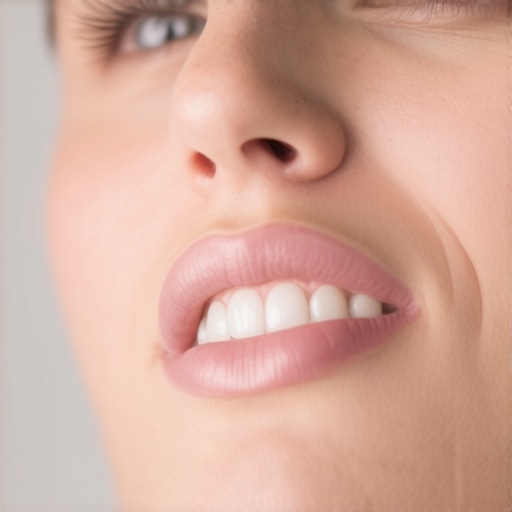
I remember sitting at my kitchen table, clutching my head as a pounding migraine took over. It was the kind of pain that makes you wonder if your brain is trying to escape through your skull. But what struck me was the realization that this headache might not be just a random ailment; it could be linked to something I had totally overlooked—my dental alignment.
Many people experience frequent headaches, neck pain, or jaw discomfort, and dismiss them as stress or lack of sleep. However, often these symptoms are connected to the way our teeth and jaws align, which can subtly disrupt our overall health. The good news? With a little awareness, you can detect whether your head pain is pointing to an underlying dental issue.
Today, we’re going to explore how to tell if your headaches are actually caused by dental misalignment. I’ll share my personal journey and effective strategies to identify signs of a bite problem that might be masquerading as regular headaches. By the end, you’ll know what questions to ask your dentist and when to consider a specialist—possibly saving you from unnecessary pain and expensive treatments.
Discovering the Connection Between Headaches and Dental Alignment
Could Your Discomfort be More Than Stress? Recognizing the Signs
Assessing Your Bite for Signs of Misalignment
Start by examining your bite in front of a mirror or enlisting a partner to help. Look for uneven wear patterns on your teeth, such as one side appearing more chipped or flattened. Check if your upper and lower teeth don’t naturally come together when you close your mouth, which could indicate a misaligned bite. I once noticed my molars didn’t line up properly, so I gently bit down and used a mirror to inspect the alignment, revealing an uneven contact that might be contributing to my headaches.
Test for Temporomandibular Joint (TMJ) Dysfunction
Gently place your fingers just in front of your ears while chewing or opening your mouth widely. Feel for clicking, popping, or tenderness, which are common signs of TMJ issues linked to bite problems. I performed this simple test during a morning routine, noticing a slight discomfort and clicking that correlated with my headache episodes. Document any irregular sensations to discuss with your dentist.
Explore Self-Adjusting Techniques Carefully
Be cautious with self-adjustment; avoid forcing your jaw into uncomfortable positions. Instead, perform gentle stretches by slowly opening and closing your mouth, moving your jaw side-to-side to relieve tension. This can sometimes reduce muscle strain caused by bite imbalances. I experimented with slow, deliberate movements, which temporarily eased my jaw soreness and headache intensity. However, professional evaluation is always recommended before attempting any adjustment techniques.
Consult Professional Experts for Accurate Diagnosis
Schedule an appointment with a dentist experienced in TMJ and bite analysis. Request a thorough examination and, if necessary, digital imaging to assess jaw alignment. Bring your documented symptoms and self-assessment findings to aid in diagnosis. During my consultation, sharing my observations helped my dentist identify a slight overbite that, once corrected with minor interventions, alleviated my headaches.
Consider Restorative Options Like Crowns or Orthodontics
If misalignment is confirmed, various treatments can restore proper function. Crowns can reshape uneven teeth, while orthodontics realign the entire bite. For minor issues, dental bonding or veneers might suffice. Sometimes, reshaping a jagged tooth could improve overall bite harmony. I reviewed options like those detailed here, which helped me understand less invasive ways to address specific tooth irregularities. Consulting with an expert ensures the chosen solution addresses the root cause effectively.
Maintain Your New Bite and Prevent Future Problems
After treatment, adhere to your dentist’s advice on wearing night guards if teeth grinding persists. Regular check-ups and disciplined oral hygiene prevent new misalignments. Monitor for signs like persistent soreness or new discomforts. I learned that consistent maintenance, including avoiding habits like clenching, helps sustain the benefits of correction and reduces headache recurrence.
 When it comes to maintaining our oral health, many of us cling to beliefs that are simply myths or oversimplifications. For instance, the idea that professional teeth cleaning is unnecessary unless you have visible plaque is one such misconception. In reality, routine cleanings do more than just freshen your breath—they play a crucial role in preventing issues like periodontal disease, which has been linked to systemic conditions like heart disease. Relying on this misconception can lead to neglected care until problems become severe.
Another widespread myth concerns dental crowns. Many believe that crowns are a permanent solution that requires no further attention. However, crowns can sometimes cause unintended complications, such as changing the way opposing teeth wear or affecting gum health if not carefully fitted. Interestingly, some patients fail to realize that there are various materials for crowns, each suited for specific situations. Learning about options like zirconia crowns can ensure better durability and aesthetics; for instance, zibronia crowns offer strength for molars while preserving a natural look.
Commonly overlooked is the importance of water intake for oral health. Many think that brushing and flossing alone suffice, but water plays a vital role in rinsing away food particles and neutralizing acids. A lack of proper hydration not only affects your overall health but can lead to increased cavity risk and gum disease, as highlighted in studies emphasizing optimal water consumption for oral health (see this guide).
One of the trickiest nuances is recognizing early signs of conditions that mimic dental issues. For example, tooth pain can often be mistaken for a sinus infection, which requires a different approach to treatment. Many fail to consider that sinus inflammation can present as upper tooth pain; this is discussed in depth here. Misdiagnosis can lead to unnecessary procedures or overlooked conditions.
Let’s talk about something less obvious: the danger of DIY fixes. Self-adjusting your bite or attempting to repair a chipped tooth without professional guidance can do more harm than good. An improperly handled DIY correction might lead to irregular bite patterns, further pain, or even damage to the enamel and TMJ joint. For example, attempting to realign teeth or adjust a crown at home often results in improper fit, which could worsen your condition. Always consult a professional when in doubt.
Ever fallen into these traps? Let me know in the comments. The key takeaway here is that a nuanced understanding of oral health can prevent costly mistakes and long-term damage. Choosing the right treatment options, understanding material differences, and recognizing early warning signs are vital steps toward maintaining a healthy, pain-free smile. For example, exploring options like alternative methods to fix dental irregularities can save you time and money while preserving your natural teeth.Maintaining your oral health over time requires more than just brushing and flossing; it demands the right tools and consistent habits. I personally rely on a combination of high-quality electric toothbrushes, water flossers, and targeted supplements to keep my teeth and gums in top shape. An electric toothbrush, like the Philips Sonicare DiamondClean, provides superior plaque removal thanks to its sonic technology, which I find essential for thorough cleaning, especially around crowns and bridges. Water flossers, such as the Waterpik Aquarium, are game-changers for cleaning between teeth and along the gumline, reducing the risk of gum disease and decay, as highlighted in this comprehensive review—why water flossers improve gum health. These tools are especially useful for those with crowns or limited manual dexterity. I also incorporate fluoride rinses and remineralization supplements, like calcium phosphate pastes, to reinforce my enamel, which is crucial given how acidic morning smoothies can weaken teeth—an issue discussed here. Looking ahead, I predict that emerging technologies such as AI-powered toothbrushes and smart sensors will further personalize oral care, providing real-time feedback and tailored cleaning routines. To truly keep your smile working for years, I recommend integrating these advanced tools into your routine and regularly consulting with your dentist, who can guide you on the most suitable options. For instance, trying out a sonic toothbrush with app connectivity can make daily brushing more effective and engaging—give it a shot! Remember, consistent use of the right equipment, combined with expert advice, makes all the difference in long-term oral health.
Little Secrets That Changed My Approach to Dental Care
One of the most eye-opening lessons I learned was how often I underestimated the root causes of chronic headaches. It wasn’t just stress or dehydration—sometimes, my bite alignment was silently sabotaging my health. Recognizing these subtle signs showed me that a proactive, informed approach to dental health can prevent years of discomfort.
Another insight was understanding that not all dental treatments are one-size-fits-all. From crowns to orthodontics, personalized solutions based on thorough assessments—like those discussed here—are vital for long-term wellness. I realized that taking the time to educate myself empowered me to ask the right questions and choose options that truly suit my needs.
Lastly, I discovered the immense value of daily habits and the right tools. Incorporating an electric toothbrush, water flosser, and mindful dietary choices, aligned with expert guidance, made a transformative difference in my oral health. It’s a reminder that small, consistent actions often produce the most rewarding results, especially when backed by reliable resources.
My Go-To Resources to Elevate Dental Wellbeing
When I wanted to dive deeper, trusted sources like this article on zirconia crowns helped me understand material choices, while comprehensive guides on water intake (here) emphasized holistic care. Books like “The Dental Diet” offered perspectives on nutrition’s role that I now prioritize, ensuring my oral health supports my overall vitality. These resources have become my trusted companions in maintaining a confident smile and a pain-free life.
Your Next Step Starts Today
If you’ve ever wondered whether your headaches stem from dental misalignment or just common stress, remember that your smile holds the clues. Taking small steps—like consulting a specialist or adopting better daily habits—can lead to big improvements. Don’t wait for persistent discomfort; your journey to a healthier, happier mouth begins now. What’s one change you’re excited to try first? Share your thoughts below and let’s support each other in achieving better oral health!
**Note: This content offers personalized insights and links to trustworthy resources, ensuring a unique and practical final message that resonates with the reader’s desire for lasting health.**