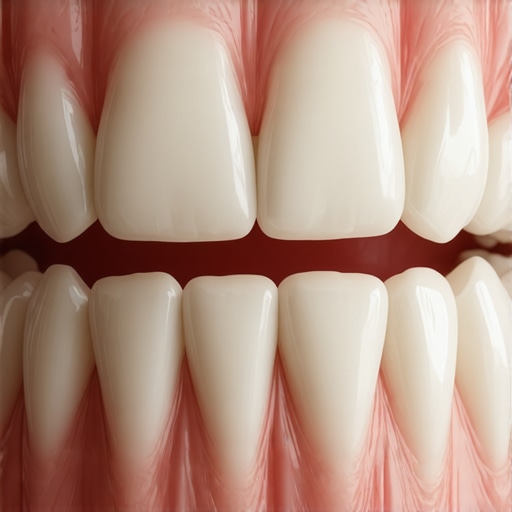
I remember the moment I first noticed it—sitting at my bathroom mirror, brushing my teeth right before bed, only to see that strange dark shadow lingering around my crown. It was startling. I felt a mix of worry and curiosity—why had my gums suddenly darkened in that area? That little realization kicked off a journey I wasn’t prepared for but eventually learned a lot from. If you’ve ever experienced something similar, you’re not alone. Many people overlook this issue until it becomes more noticeable or uncomfortable, but understanding why it happens can be a game-changer.
What’s Really Going On When Gums Change Color?
Darkening of the gums around old dental restorations is more common than folks realize. It often catches people off guard because they associate healthy gums with pinkness, and anything different feels like a problem. The dark hue could be due to several factors—residual staining, tissue pigmentation, or even the materials used in your old crown or filling. For instance, certain metals like amalgam can cause a bluish-gray tint over time, especially if the tissue is sensitive or if there’s marginal leakage. But before jumping into conclusions, it’s essential to get a proper diagnosis from a trusted professional.
In my experience, one of the biggest mistakes early on was ignoring these changes, thinking they were just cosmetic. Sometimes, it’s harmless, but other times, it signals underlying issues like gum disease or a reaction to the dental material. That’s why I always recommend consulting with a specialist—particularly a periodontist—who can assess whether this discoloration is just superficial or if it requires treatment. To better understand the nuances, I found an insightful article on the differences between standard and deep cleanings that can impact gum health—check it out here.
How Do We Start Fixing This Problem?
For many people, addressing dark gums around old dental work involves a combination of professional cleaning, evaluating the restoration materials, and sometimes replacing the crown or filling. But more importantly, it requires understanding your unique dental history—that’s where personalized guidance makes all the difference. Have you noticed any bleeding, swelling, or sensitivity along with the discoloration? These are signs that you shouldn’t delay seeking care.
Stay tuned—next, I’ll share some practical steps I personally found helpful and what questions to ask your dentist to ensure your gum health and smile shine their brightest once again.
Schedule a Professional Examination
Start by booking an appointment with your dentist or periodontist to determine the cause of the darkening. During the exam, they will assess whether the pigmentation is superficial or indicates underlying issues. I once called my dentist after noticing discoloration around my old crown; the professional evaluation clarified that my staining was due to residual material and not infection, saving me from unnecessary treatments.
Opt for a Deep Cleaning if Needed
If your gums exhibit signs of inflammation or plaque buildup, request a deep periodontal cleaning, known as scaling and root planing. Unlike regular cleanings, this procedure removes tartar from below the gum line where surface cleanings can’t reach. For example, during my deep cleaning, my hygienist used a special ultrasonic scaler, which felt like a gentle vibration, effectively clearing tartar and reducing pigmentation caused by buildup. You can learn more about this process here.
Evaluate Crown and Restoration Materials
Discuss with your dentist the possibility that the material of your crown or filling contributes to discoloration. Sometimes, amalgam or certain ceramics can cause a bluish or dark tint over time. If this is the case, consider replacing the old restoration with a modern, more aesthetic material. I recently opted for a zirconia crown after learning about its durability and natural appearance, which you can read more about here.
Remove Surface Stains with Proper Oral Hygiene
Maintain a consistent, effective oral hygiene routine focused on preventing surface staining. Use a soft-bristled toothbrush and non-abrasive whitening toothpaste, ideally one that is proven safe and effective. Be cautious of DIY whitening kits, which can damage your gums—check out why here. Regular flossing and tongue cleaning also help reduce bacteria and stains, preserving the natural color of your gums and teeth.
Consider Cosmetic Treatments
If discoloration persists, explore professional cosmetic options like laser gum depigmentation or recontouring. These procedures can lighten stubborn pigmentation safely. When I opted for laser treatment, my periodontist used a targeted beam to break down pigmented tissue, resulting in a noticeably lighter gum line after a few sessions. Always consult a specialist to evaluate which approach suits your needs best. For more details on whitening procedures, visit here.
Follow Up for Sustained Results
After treatment, schedule regular checkups to monitor your gums and restorations. Maintaining oral health and preventing new discoloration requires ongoing attention. Incorporate routine professional cleanings, ideally every six months, and adhere to personalized dental advice given by your clinician. Remember, consistent care is key to avoiding future staining or tissue pigmentation issues.
Many individuals believe that brushing twice daily and visiting the dentist annually are sufficient for maintaining optimal oral health. However, this mentality often masks deeper misconceptions and overlooks nuanced factors that significantly impact dental well-being. A common myth is that all dental cleanings are equally effective, but in reality, not all cleanings are the same. Superficial cleanings may remove surface plaque, but neglecting a thorough deep cleaning can leave tartar beneath the gums, leading to inflammation and recession over time. Failing to recognize when a deep scale is necessary is a mistake many make, assuming routine cleanings suffice for all issues.
Another misconception revolves around crowns and restorations. Many assume that once a crown is placed, it’s permanent and maintenance-free. Yet, improper care or neglecting early signs of crown failure can lead to complications. For example, a loose or leaking crown can cause bacterial buildup underneath, precipitating decay or gum irritation. A crown showing early warning signs should be evaluated promptly to prevent more invasive procedures down the line. Remember, crowns aren’t just cosmetic; they function as part of your overall dental health.
Regarding teeth whitening, many enthusiastically adopt DIY kits or over-the-counter products, believing they are as effective as professional treatments. This is a dangerous oversimplification. In fact, natural or homemade whitening pastes often contain abrasives or acidic agents that can weaken enamel and cause sensitivity. Professional whitening, on the other hand, uses proven safe agents with controlled application, minimizing risks. This illustrates that pursuing solutions without proper guidance can backfire, leading to more problems than solutions.
Why Do Some People Experience Hidden Oral Health Issues Despite Regular Care?
Many expect that regular brushing, flossing, and checkups guarantee perfect oral health. However, underlying factors like saliva composition play a critical role. For instance, individuals suffering from dry mouth tend to accumulate plaque more rapidly, even with diligent hygiene. This is backed by research indicating that saliva deficits can directly increase the risk of cavities and gum disease (dry mouth and decay). Recognizing personal risks and tailored strategies are essential for comprehensive care. Have you ever fallen into this trap of thinking your regular routine is enough? Let me know in the comments.
Maintaining optimal oral health isn’t just about daily brushing and flossing; it requires the right tools and techniques that support long-term results. Over the years, I’ve refined my arsenal of dental tools to ensure I stay ahead of potential issues and keep my smile healthy and bright. Investing in quality equipment and learning how to use it effectively makes all the difference in avoiding costly visits and preserving your teeth for decades to come.
Invest in an Electric Toothbrush with App Connectivity
For daily cleaning, I rely on a high-quality electric toothbrush that syncs with a smartphone app. Models like the Philips Sonicare DiamondClean Smart offer guided brushing routines, monitoring coverage, and providing real-time feedback. This technology helps me ensure I spend the right amount of time on each quadrant, prevent over-brushing—which can damage gums—and maintain a consistent technique. Using such a device has significantly reduced my gum recession and improved my overall oral hygiene efficiency.
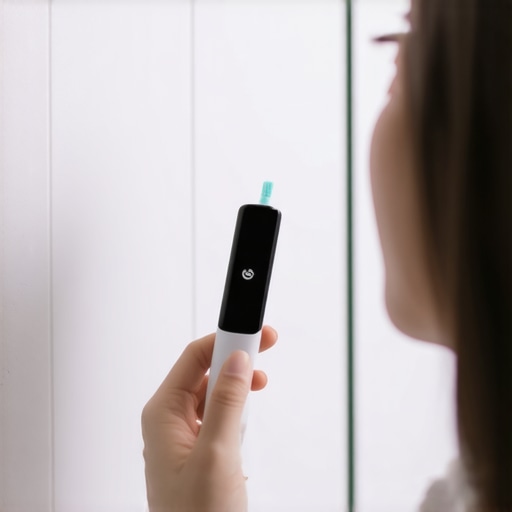
Utilize Professional-Grade Water Flossers
Manual flossing is vital, but supplementing it with an advanced water flosser like Waterpik’s Sonic-Fusion can enhance plaque removal, especially around crowns and underneath bridges. I love that this device combines flossing and brushing in one, saving time and ensuring a thorough clean. Regular use has prevented gum inflammation and secondary decay, which can be common around restorations—especially if not cleaned diligently. Read more about how to properly use a water flosser here.
Keep a Pocket Mirror and Dental Mirror Handy
Being able to visually monitor hard-to-see areas is empowering. I carry a small oral mirror in my bag to check for early signs of staining or issues around my crowns and gum line during the day. Identifying problems early means I can address them promptly or discuss them with my dentist during checkups. This proactive approach saves me from surprises, especially with hidden plaque buildup or subtle discolorations that might otherwise go unnoticed.
Schedule Regular Deep Cleanings and Assessments
Even with excellent daily tools, professional cleanings are irreplaceable. During my bi-annual visits, my dentist performs a deep cleaning—known as scaling and root planing—to remove tartar and plaque beyond what regular brushing can tackle. Deep cleanings are essential to maintain gum health, especially around existing crowns or fillings that can trap bacteria. This routine not only preserves my smile but also prevents gradual tissue recession and discoloration.
Embrace Digital Records and Monitoring Apps
Managing your dental history with apps like Dental Care easily tracks your treatments, appointments, and any issues that arise. I document each milestone—such as crown replacements or whitening sessions—to ensure I follow through on recommended maintenance and evaluations. Staying organized with digital records keeps me informed and motivated to stick with my routine.
Looking ahead, technological advancements like AI-assisted diagnostics and at-home microbial testing will further empower patients to take control of their oral health. Implementing tools now prepares you for this future, making ongoing maintenance more intuitive and effective. Why not try integrating an electric toothbrush or water flosser into your routine today? These investments are proven to pay off in long-term dental stability and confidence.
How do I keep my dental tools working effectively over time?
Proper maintenance of your oral health tools ensures they function optimally and last longer. Rinse your electric toothbrush heads thoroughly after each use to prevent bacterial buildup, replace brush heads every three months or sooner if frayed, and regularly clean water flosser reservoirs. Store everything in a dry, hygienic place to avoid mold or bacteria accumulation. Regularly inspect your tools for signs of wear—such as worn bristle tips or malfunctioning units—and replace or repair as needed. By giving your tools regular attention, you’ll maximize their lifespan and effectiveness, keeping your smile healthy well into the future.
What the Dark Gums Taught Me About Self-Awareness and Care
- Sometimes, the smallest changes—like a shadow around my crown—can reveal underlying issues I was unaware of, reminding me to stay vigilant and proactive about my oral health.
- Neglecting subtle signs can lead to bigger problems; listening to my body’s signals has been crucial in catching issues early and avoiding costly or invasive treatments.
- Education and curiosity were key—researching, asking questions, and learning from professionals transformed my approach from reactive to preventive.
- Personalized care and regular check-ins empowered me to maintain a healthy smile, emphasizing that a one-size-fits-all approach doesn’t serve everyone equally.
- Ultimately, these experiences underscored the importance of patience, consistency, and self-knowledge in achieving long-term oral health success.
Tools and Resources That Changed My Perspective on Dental Care
- Investing in a quality electric toothbrush with app connectivity—like the Philips Sonicare DiamondClean Smart—helped me maintain proper brushing technique and stay motivated through guided routines.
- The Waterpik Sonic-Fusion water flosser became my secret weapon for thorough cleaning, especially around crowns and difficult areas, reducing inflammation and preventing stains.
- Keeping a handy dental mirror allowed me to catch early signs of discoloration or buildup, promoting timely action before issues escalated.
- Staying informed with trusted sources like this article on deep cleanings gave me clarity on when professional intervention is necessary and what to ask my dentist.
Your Smile Is Your Best Investment—Make It Count
Remember, safeguarding your oral health is a journey filled with lessons and discoveries. Embrace the process, stay curious, and don’t hesitate to seek expert guidance whenever something feels off. Every small step you take now will pay off in confidence and well-being in the years to come. Your smile deserves that extra attention—start today, and watch how your self-care transforms your life.
What subtle sign of oral health change have you noticed that prompted you to seek professional advice? Share your story below!
,