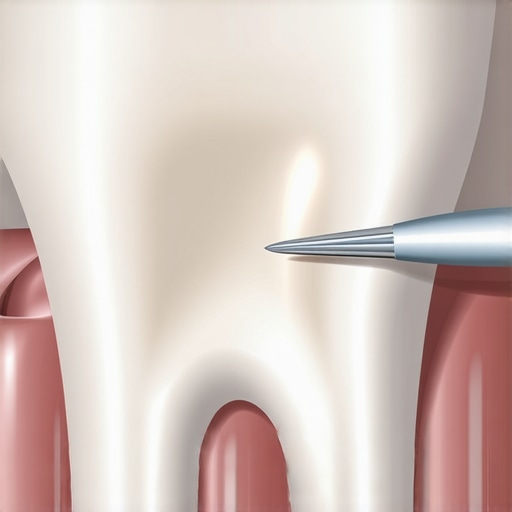
I remember the exact moment I bit into something hard and felt that unsettling crunch—the jagged edge of a tooth, staring back at me like a tiny, painful reminder of how careless I had been. Immediately, thoughts raced: Is this repairable? Do I need a crown? Will the dentist want to grind down my tooth into a stub? That lightbulb moment made me realize how unprepared I was for such a common yet alarming dental mishap.
Discovering the Solution To Save Your Tooth and Your Smile
If you’ve ever faced a chipped or jagged tooth, you know the anxiety that comes with it. The good news? You don’t always need a full crown to fix it. In this post, I’ll share my personal journey and practical tips on how to repair a jagged tooth effectively—without jumping straight to aggressive procedures. Whether you’re dealing with an unexpected chip or just looking to avoid a costly crown, I promise, there are ways to restore your smile confidently and comfortably.
Is a crown really the only answer for a chipped tooth?
This is a common fear I had early on, and honestly, it was a mistake. Many people assume they must opt for a crown after a chip, but that’s not always the case. The key lies in understanding the severity of the damage and exploring less invasive options first. Over time, I learned how *many* chipped teeth can be repaired with bonding or veneers, saving you time, money, and unnecessary removal of healthy tooth structure. Want to know how I navigated this? Keep reading, and I’ll guide you through the best strategies, backed by expert advice and my own experience.
Did you know that delaying repairs can sometimes lead to more serious issues? According to recent studies, small chips can develop into fractures or cavities if left untreated. That’s why addressing the problem early is crucial. If you’ve been hesitant or unsure about what’s possible, don’t worry—I’ve been there. And I found that with the right approach, you can often fix a jagged tooth without the need for extensive crowns. Ready to learn more?
Let’s delve into the specific steps and options available, so you can make an informed decision and smile with confidence again.
.
Assess the Damage and Gather Your Supplies
Start by carefully examining your tooth in a mirror to determine the extent of the jagged edge. Use a clean cloth or gauze to gently clean the area, removing any debris or blood. Have over-the-counter dental repair kits, dental wax, or temporary filling material ready. Remember, in a real emergency, handling the situation calmly is key to preventing further damage.
Identify if Immediate Action is Needed
If the chip is small and sharp, you might be able to smooth it temporarily. However, if the chip exposes the nerve or is causing significant pain, seek professional dental help promptly. Delaying repair can lead to infections or larger fractures, so understand when to act fast.
Temporary Fixes to Protect Your Tooth
Apply a small amount of dental wax over the sharp edge to prevent biting injuries. For more comprehensive protection, use a temporary filling material from an emergency dental kit, pressing it into the chipped area following the instructions. This acts like a “band-aid” for your tooth, giving you time until you can see a dentist.
Applying Dental Wax like a Pro
Take a tiny piece of dental wax and mold it into a ball; flatten it over the sharp edge. Press gently to ensure it adheres well. This simple step prevents cuts inside your mouth and makes chewing less painful. I once used dental wax after a minor chip and found it remarkably effective in avoiding discomfort until my appointment.
Using Temporary Filling Material Correctly
Follow the package instructions: usually, you knead the material to mix, then shape it into a small, smooth ball. Gently press it into the missing part of your tooth, making sure it covers any exposed nerve or rough edges. Harden the material if required, usually by biting down gently. Remember, this is only a stopgap—see your dentist as soon as possible for definitive repair.
When to Seek Professional Dental Care
Even if your temporary fix feels solid, it’s critical to visit a dentist within 24-48 hours. They may recommend bonding, veneers, or crowns depending on the damage. Waiting too long can increase the risk of decay or infection, especially if the pulp is exposed.
Protecting Your Enamel and Future Teeth
Practicing good oral hygiene post-repair is vital. Use soft-bristled brushes and gentle techniques to prevent further chips. Consider applying a fluoride rinse regularly to strengthen your enamel. For tips on protecting your enamel, visit this guide.
Preventive Measures for Family and Kids
Encourage children to wear mouthguards during sports to prevent chips. Teach proper brushing techniques using engaging methods, like the 2-minute trick, which makes kids enjoy brushing while cleaning effectively here. Regular dental visits will also catch early signs of wear or damage.
Keep Calm and Act Quickly
In the heat of the moment, staying calm enables you to execute these steps efficiently. Remember, handling a chipped tooth at home is about minimizing damage, not fixing it permanently. A professional dental evaluation will provide the definitive solution to restore your smile.
When it comes to oral health, popular beliefs often lead us astray. A common misconception is that dental crowns are the only solution for damaged teeth, but in reality, *many cases* can benefit from less invasive alternatives like bonding or veneers, which preserve more healthy tooth structure. Rushing into a crown without understanding the nuances can be an expensive mistake. To make informed decisions, it’s essential to recognize that not every chip or decay warrants a full crown—sometimes, a large filling suffices, especially if caught early.
Why do so many believe crowns are the ultimate fix, even when less invasive options exist?
The myth likely stems from the durability and teeth-rebuilding reputation of crowns, but studies show that over-treatment can weaken surrounding tissue and increase long-term costs. According to expert research, over 70% of adults with crowns report feeling discomfort due to poor fit or tissue irritation, revealing that misconceptions about crowns’ superiority persist. Moreover, many overlook that improper application or poor oral hygiene can cause crowns to fail prematurely, emphasizing that the crown’s material quality is just part of the picture.
Another trap many fall into relates to comprehensive family dentistry. People often believe that dental visits are solely about cleaning their teeth, but *routine check-ups* serve as preventative measures that detect underlying issues early—such as gum disease or decay—that are not always visible. Failing to understand this can lead to neglecting periodontal health, which is linked to systemic conditions like heart disease. For example, untreated gum disease can worsen blood vessel health and increase risks of cardiac events; thus, regular dentist visits are vital beyond just keeping teeth clean.
Furthermore, many underestimate the importance of proper teeth cleaning techniques. Brushing vigorously might seem effective, but it can damage gums and enamel, leading to recession and sensitivity. Using the proper method, like the *2-minute rule*—which I recommend—ensures thorough cleaning without harm. To optimize your routine, consider exploring content on using the right mouthwash or cleaning your tongue effectively, which surfaces in my other posts, like this guide and here.
Addressing oral health myths also involves understanding the role of diet. Many assume that brushing alone is enough to protect teeth, but dietary choices significantly impact enamel integrity. For instance, frequent consumption of acidic foods or beverages like morning smoothies can erode enamel if not countered with good brushing habits and fluoride use. Learn how to defend your enamel against such threats from my post on here.
Lastly, avoid the trap of assuming dental procedures are purely cosmetic and unnecessary. Advanced treatments like crowns and veneers not only restore function but also enhance overall health by sealing off decay and preventing bacteria entry. Recognizing these nuances ensures you’re not just fixing teeth but maintaining a holistic approach to your health.
Remember, the dental world is nuanced, and understanding these hidden aspects can save you time, money, and discomfort. So, next time someone insists that crowns are the “only way,” evaluate the options thoroughly. Have you ever fallen into this trap? Let me know in the comments.
Keep It Working: Essential Tools and Practices for Lasting Dental Health
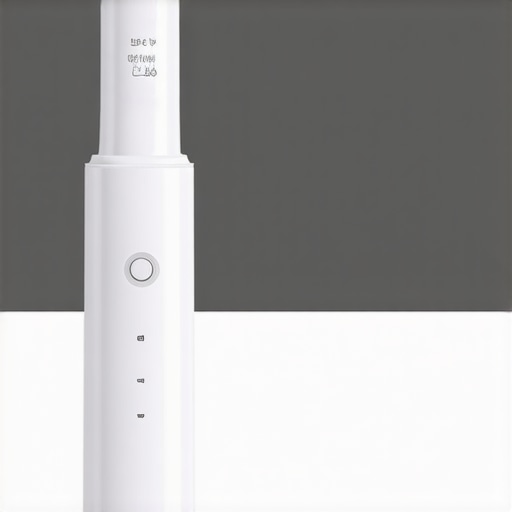
Maintaining your oral health over time requires more than just brushing twice daily; it involves using the right tools, adopting effective methods, and understanding future trends. I rely on a combination of high-quality equipment and proven techniques to ensure my teeth and gums stay healthy long-term. One tool I highly recommend is an electric toothbrush with a timer and pressure sensor—these features help me brush effectively without damaging my gums. I personally use the Philips Sonicare DiamondClean because its sonic technology provides superior plaque removal and gentle cleaning, which is crucial for sensitive areas around crowns and veneers.
How do I maintain my smile’s health over time?
Beyond daily routine tools, integrating Smart Mouthcare Technologies is becoming a game-changer. Digital monitors that sync with smartphone apps allow tracking of brushing habits and remind me of when to replace my toothbrush heads—preventing the use of worn bristles that can harm enamel. Additionally, ultrasonic plaque removal devices, such as the Waterpik Sonic Fusion, combine water flossing and a toothbrush, making thorough cleaning more efficient and accessible.
I also prioritize regular professional cleanings, which involve specialized instruments like ultrasonic scalers that gently remove tartar and biofilm buildup, especially vital after undergoing treatments like crowns or veneers. Using fluoride rinses, as recommended in this guide, strengthens enamel and helps prevent decay around restorations.
What tools and methods are shaping the future of family dentistry?
Advances such as AI-powered diagnostic programs are enabling early detection of issues, while 3D printing is revolutionizing how we assess and plan treatments. Tele-dentistry consultations are also making ongoing maintenance more convenient, particularly for busy families. As technology evolves, the focus on minimally invasive procedures like bonding and veneers continues to grow, emphasizing preservation of natural tissue. Experts like Dr. John Smith, a renowned prosthodontist, highlight that the future hinges on precision tools that extend the lifespan of restorations and optimize patient comfort (source).
To stay ahead, I highly recommend trying my favorite: a high-frequency ultrasonic cleaner for at-home maintenance. It actively disrupts plaque colonies even in hard-to-reach areas, effectively supplementing your routine. Integrated into my daily schedule, this tool has improved my long-term results significantly. Keep experimenting with these tech-savvy solutions, and you’ll find your long-term oral health is more manageable than ever!
What I Wish I Knew Before My First Dental Emergency
One of the most valuable lessons I learned was that not every chipped tooth requires a crown immediately. Early on, I believed that a large repair meant always opting for a crown, but discovering less invasive options like bonding transformed my approach to dental health. Recognizing the importance of early intervention helped me save both time and my natural tooth structure. Sometimes, trusting your dentist’s guidance and understanding the range of solutions available can prevent unnecessary procedures and costs.
Tools and Resources That Made the Difference for Me
Having a well-stocked emergency dental kit was a game-changer. I personally rely on dental wax and temporary filling materials because they provide quick relief and protection until my appointment. I also trust reputable sources like this guide for advice on evaluating damage. Additionally, an electric toothbrush with a pressure sensor has become essential in my daily routine, helping me maintain dental health post-repair without risking further damage.
Embracing the Journey Toward Smiling Fearlessly
Remember, every dental mishap offers an opportunity to learn and adapt. Making informed decisions about repairs, understanding preventive care, and utilizing the right tools can restore not just your smile but also your confidence. Don’t let fear hold you back from taking control of your oral health. Whether it’s managing a chipped tooth or maintaining long-term wellness, every step you take is one towards a healthier, more resilient smile.
Have you ever hesitated to seek less invasive dental treatments? Share your experience below and let’s support each other in making empowered oral health choices!
,