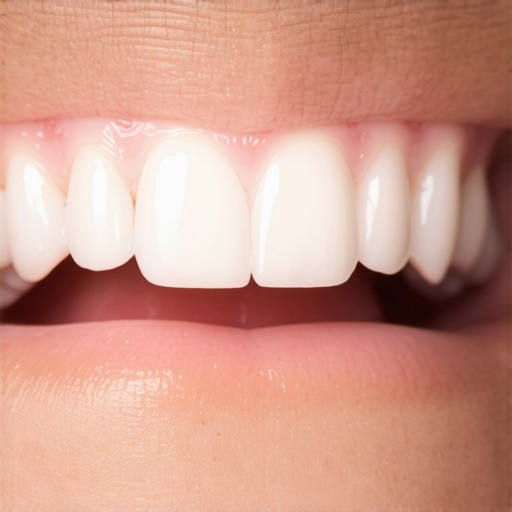
Ever experienced that awkward moment after a dental crown placement where every time you bite, it feels like your tooth is protesting? I remember the exact feeling—like I’d suddenly gained a new set of uneven teeth overnight. It was a lightbulb moment for me, realizing that not only was this uncomfortable, but it also signaled something that needed attention. That sensation of a high crown can be surprisingly common, but many folks just accept it as normal or worry about whether it indicates a more serious problem.
Understanding the Discomfort: Why Does a Crown Feel High?
When my dentist first explained it, I learned that a crown that feels high is often due to minor adjustments needed to perfect the bite. Sometimes, during the fitting process, the crown is slightly thicker or not perfectly aligned with the rest of your teeth. That tiny mismatch can cause discomfort or even contribute to uneven wear over time. It’s a common issue—so common, in fact, that before I knew better, I thought it was just a part of the process or something I had to live with. I even made the mistake early on of using excessive force to ‘break in’ the crown, which only made things worse. Don’t make that mistake yourself! Proper bite adjustment is key, and luckily, it’s usually simple to correct. Today, we’ll explore what you can do if your crown feels high and how to address it effectively.
Is a High Crown Actually Worth the Hype
One fear I faced early on was whether ignoring a high crown could damage my teeth or cause long-term issues. It’s understandable to feel concerned—after all, a crown isn’t cheap, and nobody wants to think they’re damaging their teeth by mistake. Early on, I overlooked the importance of minor adjustments, which led to discomfort and even jaw pain in some cases. Recognizing the importance of professional help can save you from unnecessary pain or costly repairs later. Also, if you’re curious about how so many dental issues connect to your overall health, check out how gum health impacts your heart health—it’s fascinating how interconnected these things are! Remember, a well-fitted crown is not just about comfort; it’s about protecting your oral health in the long run. Now that we’ve established why a high crown matters, let’s move on to practical steps to fix it without stress.
Assess the Situation Accurately
First, determine if your crown truly feels high or if it’s a perception. Gently bite down on a mirror to see if one side feels more prominent. I vividly recall pressing my tongue against the crown, noticing an uneven surface. If discomfort persists, avoid trying to compensate yourself; instead, note the specific areas causing discomfort.
Schedule a Professional Evaluation
Contact your dentist for an appointment. Dentists have specialized tools that can precisely measure the height of your crown against neighboring teeth. During my visit, the dentist used a dental probe to identify that my crown was slightly too high, which is a common correction. Remember, attempting to fix this at home can lead to damage or improper bite alignment.
Professional Adjustment Makes the Difference
The dentist will typically use a fine dental bur to carefully grind down the excess material on the crown. Think of it like sanding down a rough edge on a piece of wood; precision is key. I watched my dentist work patiently, removing tiny layers and constantly checking for fit and comfort. This process ensures the crown aligns perfectly with your bite, preventing issues like jaw pain or uneven wear.
Feature the Correct Adjustment Strategy
The goal is to make slight, incremental adjustments. Over-grinding can expose the underlying tooth or weaken the crown, which is why a professional is essential. If you experience any sharp edges after the adjustment, mention it immediately so your dentist can smooth them out. Trusting their expertise ensures long-term comfort and function.
Post-Adjustment Care to Maintain Oral Health
After the adjustment, avoid eating overly sticky or hard foods for at least 24 hours. I found that sticking to soft foods like yogurt and mashed potatoes helped my crown settle properly without discomfort. Regular cleaning around the crown also prevents plaque buildup that can lead to decay. Remember, maintaining good oral hygiene—like daily flossing and brushing—is crucial, especially around dental restorations. For tips on maintaining your crowns and overall oral health, see this resource on keeping your teeth white while consuming staining beverages. Managing your bite is an ongoing process that benefits from professional monitoring at regular dental check-ups.
Why Believing Everything You Hear About Teeth Can Be Dangerous
Many people assume that brushing vigorously, avoiding sugar entirely, or using DIY whitening remedies are always good for their teeth. However, these misconceptions can lead to long-term damage rather than improvement. For instance, overbrushing can cause gum recession, exposing roots and increasing sensitivity—a fact that surprises many. Instead of blindly following popular advice, understanding the nuances of proper oral care is essential for maintaining a healthy smile.
What Advanced Mistakes Do People Often Make Without Realizing?
A common oversight is neglecting the subtle signs of early dental issues. For example, many think that small white spots or slight sensitivity are harmless—they often aren’t. These could be early indicators of enamel erosion or decay that requires professional attention. Additionally, some believe that crowns and fillings last forever. But, in reality, all restorations wear out over time, and ignoring signs like high spots or discomfort can accelerate underlying issues. Recognizing these nuanced signs can prevent expensive repairs later. For instance, if you notice persistent discomfort after a crown placement, it might be a sign that your bite isn’t perfectly aligned—something easily overlooked but critical for longevity. To dive deeper into maintaining your restorations, visit our resource on how to improve crown fit and function.
Another misconception involves the use of DIY whitening kits. Many assume these are safe because they’re over-the-counter, but improper use can damage gum tissue or thin enamel. It’s safer to consult with a professional or use products backed by scientific research. As highlighted by experts, overuse of whitening agents can lead to increased sensitivity or even permanent erosion, which is why moderation and professional supervision are advised. For more on safe whitening options, check out why fluoride is still beneficial for adults.
Avoiding the ‘Oops’ Trap: When to Seek Professional Care
Many overlook subtle changes, assuming they’re insignificant. For example, a minor crack or a faint discoloration isn’t urgent—until it becomes a major problem. Regular dental check-ups are the best way to catch these issues early, but understanding what to look for can save you from painful complications. Remember, maintaining excellent oral hygiene is just one piece of the puzzle; recognizing when something isn’t quite right is equally important.
Stay vigilant about your oral health. If you find yourself questioning whether a symptom warrants a dental visit, it probably does. Ignoring early signs can lead to root canals, extractions, or even systemic health problems linked to oral infections. For instance, a persistent dry mouth can accelerate decay—learn more about managing dry mouth at this helpful guide.
By understanding these hidden nuances and avoiding common myths, you’re better equipped to care for your teeth proactively. Remember, a healthy smile is not just about aesthetics but about your overall health and well-being. Have you ever fallen into this trap? Let me know in the comments!
Maintaining a healthy smile over the years requires more than just regular brushing and flossing; it involves using the right tools and adopting effective methods that ensure durability and long-term results. One device I personally swear by is the *Philips Sonicare DiamondClean Electric Toothbrush*. Its superior plaque removal, especially around crowns and bridges, has significantly improved my oral hygiene. The gentle yet thorough brush strokes help prevent plaque buildup without damaging delicate restorations.
How do I maintain my dental tools for longevity?
To keep my electric toothbrush functioning optimally, I routinely replace the brush heads every three months and rinse the handle thoroughly after each use. Proper maintenance prevents bacteria buildup and ensures consistent performance. For those who prefer manual brushing, investing in a high-quality, soft-bristled toothbrush like the *Oral-B Pro 1000* makes a noticeable difference, especially for sensitive areas around crowns and implants.
Why I recommend water flossers over traditional floss
Water flossers like the *Hydro Floss* have become essential in my daily routine. They effectively clean between teeth and along gum lines, reducing inflammation and preventing decay—particularly important for those with crowns or extensive restorations. The pulsating action reaches areas that traditional floss often misses, making maintenance easier and more thorough.
Next-level tool: Use of aids for dry mouth management
Since dry mouth can accelerate decay, I use saliva substitutes such as *Biotène Silent Night* spray, which I find incredibly soothing and effective. Regularly addressing dry mouth not only enhances comfort but also preserves enamel and prevents cavities, especially around crowns and fillings. For a comprehensive approach, I also employ *Xylitol-based gum* to stimulate saliva production naturally.
Looking ahead: The future of dental tools and tech
The trend towards smart dental devices, like app-connected toothbrushes that track brushing quality, is exciting. These innovations promise personalized feedback and reminders to ensure no area is neglected, making long-term maintenance more manageable than ever. Predicting where this technology will go, I believe integration with AI will enable even smarter, adaptive cleaning routines tailored specifically to your oral health profile. If you’re serious about maintaining your restorations and preventing future issues, I highly recommend adopting some of these tools into your routine. Why not start today with a high-quality electric toothbrush or a water flosser? Your smile deserves it, after all, and these tools make a tangible difference in long-term results. Remember, consistent care today prevents costly repairs tomorrow, including issues like the discomfort from a high crown or unforeseen dental decay. Want to learn more? Check out how proper maintenance routines can extend the lifespan of your dental work and keep your smile vibrant for years to come.
Lessons Only the Curious Discover About Oral Health
- One of the biggest lightbulb moments was realizing that a high crown isn’t a sign of failure but a common tweak in the process, teaching me patience and trust in dental professionals.
- I learned that obsessively trying to ‘break in’ a crown can cause more harm than good; gentle adjustments and professional help are the keys to comfort.
- Understanding that many myths, like DIY whitening kits or avoiding all sugars, can actually hurt my oral health, shifted my approach from fear to informed confidence.
Tools and Resources That Changed My Routine
- Philips Sonicare DiamondClean Electric Toothbrush: Its precision and gentle cleaning around crowns make it my top recommendation—trust me, it feels like a spa treatment for your teeth.
- Water Flossers like Hydro Floss: They reached spots traditional floss often misses, especially around restorations, and made routine maintenance easier and more thorough.
- Biotène and Xylitol Gums: Managing dry mouth is crucial, and these natural aids help protect my enamel and prevent decay—simple yet effective.
- Remaining Ahead with Smart Tech: App-connected toothbrushes are an exciting future, providing personalized care that keeps my smile in check tailor-made for my needs.
Embrace Your Dental Journey Today
Remember, each step you take towards understanding and caring for your oral health builds a foundation for a vibrant smile that lasts a lifetime. Prioritize regular check-ups, choose effective tools, and stay curious about your options. Your smile deserves this proactive approach—why not start with that high crown today and give your teeth the attention they truly need? What’s one curiosity you’ve had about your dental health that you’re ready to explore? Share below and let’s learn together!