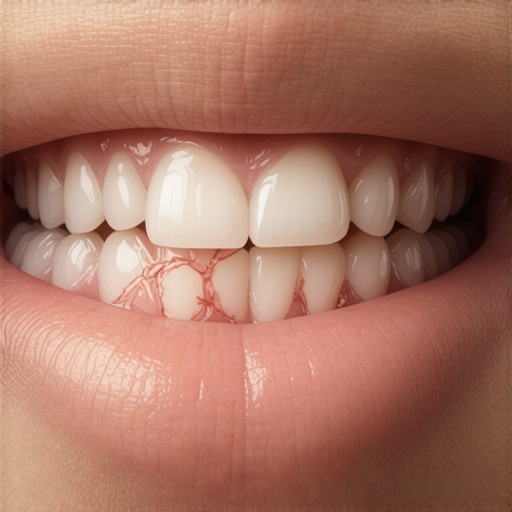
I remember the moment clearly—sitting in the dentist’s chair, feeling that strange, dry sensation creeping over my tongue, only to hear the shocking news: my teeth were decaying faster than ever. It hit me like a punch to the gut. How could something as simple as dry mouth lead to such rapid deterioration? At first, I thought it was just a fleeting issue, but it turned out to be a deeper problem I had overlooked for years.
This experience was a wake-up call. If you’ve ever experienced persistent dry mouth, you might notice your teeth feeling fuzzy or your breath smelling off. What I didn’t realize back then was that dry mouth isn’t just a nuisance—it can be a silent culprit behind swift and stealthy tooth decay. Today, I want to share what I learned about this connection and how you can safeguard your smile.
Why Dry Mouth Can Accelerate Tooth Decay
Dry mouth, medically known as xerostomia, occurs when your salivary glands don’t produce enough saliva. Saliva is crucial—it neutralizes acids, washes away food particles, and provides disease-fighting substances throughout your mouth. When saliva flow drops, these protective functions weaken, leaving your teeth vulnerable to decay. As I discovered, without sufficient saliva, plaque and bacteria can cling to teeth longer, increasing the risk of cavities, especially on surfaces that are hard to clean.
Early on, I made the mistake of dismissing my dry mouth as a minor issue. But neglecting it allowed harmful bacteria to flourish, speeding up decay. Trust me—it’s a mistake to ignore persistent dry mouth. To better understand why regular dental checkups are vital, check out [why a professional teeth cleaning is better than any DIY hack](https://periodontistcare.com/why-a-professional-teeth-cleaning-is-better-than-any-diy-hack).
Have you struggled with dry mouth and noticed your teeth feel more sensitive or fuzzy at the end of the day? You’re not alone, and recognizing the signs early can make a huge difference.
Is This Myth or Reality? The Truth About Dry Mouth and Tooth Decay
There’s a common misconception that dry mouth is only a minor discomfort. However, recent studies show that xerostomia can increase the risk of cavities by up to 30%, especially when it persists over time (source: NIH). I once thought saliva was just about tasting good, but it turns out, it’s your body’s natural defense against cavities. My early mistake was assuming good brushing was enough—I didn’t realize that without enough saliva, even the best brushing can’t do the job alone.
Recognizing this reality is the first step toward preventing further damage. In the upcoming sections, I’ll walk you through practical strategies to manage dry mouth and keep decay at bay, so stick around. Together, we can protect that beautiful smile of yours from unseen threats hiding in plain sight.
Start with Professional Cleanings
My first move was booking a thorough professional dental cleaning, since over-the-counter tips can’t replace a hygienist’s expertise. Regular cleanings remove stubborn plaque buildup that promotes bacteria, which thrive when saliva is low. During my appointment, I asked my dentist about dry mouth, confirming that professional care helps neutralize acids and clear debris that accelerate decay. Don’t skip routine visits; every six months, these cleanings act like a locksmith, unlocking your mouth’s defenses against decay.
Utilize Targeted Oral Hygiene Practices
Brush Smartly and Regularly
I switched to an electric toothbrush with soft bristles, which is less abrasive and better for sensitive gums, especially when dry mouth causes discomfort. Brush twice daily for two minutes, aiming for clean surfaces and gentle gum stimulation. Alongside, I learned to clean my tongue daily with a tongue scraper; this reduces bacteria that worsen dry mouth effects and helps improve breath. Remember, diligent brushing is like sweeping away debris—necessary but not enough alone.
Floss Carefully and Consistently
Proper flossing dislodges food particles lodged between teeth, preventing bacteria accumulation. I found that using a water flosser reduced irritation and reached areas that traditional floss missed. Regular flossing keeps plaque from hardening into tartar, just as a gardener rakes leaves to prevent rot. This step is crucial to compensate for saliva’s diminished washing action.
Adjust Your Diet to Support Saliva Production
Chewing sugar-free gum with xylitol became my go-to strategy to stimulate saliva flow mentally akin to watering a garden to keep plants healthy. I avoided sugary snacks and acidic drinks, which exacerbate decay in dry environments. Instead, I incorporated crunchy vegetables like carrots and celery—acting like natural toothbrushes that scrub plaque and boost moisture in your mouth.
Stay Hydrated and Use Mouth Rinses Wisely
I made it a habit to sip water regularly throughout the day, keeping my mouth moist, much like a humidifier in a dry room. To reinforce this, I chose alcohol-free, fluoride-containing mouthwashes proven to protect teeth without further drying the mouth. Rinsing adds a layer of defense, akin to applying a sealant to prevent moisture loss and strengthen enamel.
Control Underlying Causes and Medications
My doctor reviewed my medication list, as some drugs dry out the mouth significantly. Adjustments there helped restore natural saliva levels. Identifying and managing illnesses like Sjögren’s syndrome or diabetes similarly reduces dry mouth symptoms and supports oral health. Think of this as fixing the root problem rather than just treating the surface symptoms.
Consider Restorative Measures for Decayed Teeth
Despite preventative efforts, some teeth needed reinforcement. I discussed options like crowns, which act as snug caps, protecting weakened teeth from further damage—much like a protective helmet. Choosing the right material, such as porcelain or zirconia, depends on factors like aesthetics and durability. The key is a precise fit, ensuring no gaps where bacteria can hide, preserving your smile’s integrity.
 Many believe that maintaining good oral health simply involves brushing twice a day and visiting the dentist occasionally. However, this oversimplification overlooks several critical nuances. Against common belief, not all toothbrushes are created equal—particularly when it comes to alleviate gum recession or prevent enamel erosion. For instance, using a hard-bristled brush can actually harm your gums and wear down enamel faster, despite the misconception that firmer bristles clean better. Instead, opt for soft bristles and gentle brushing techniques, especially if you notice bleeding gums, which can be a sign of gum disease that often goes untreated due to underestimating its severity.
Are Dental Crowns Always the Last Resort or Can They Serve a Preventative Role?
It’s widely assumed that crowns are only necessary when teeth are badly damaged or decayed. In reality, modern crown placement can serve as a preventative measure against further decay, especially for teeth compromised by large cavities that cannot be adequately filled. Choosing the right crown material is vital; porcelain crowns offer aesthetic advantages, but materials like zirconia provide greater durability. Learn more about selecting the best crown for your needs at this resource.
Many also underestimate the importance of professional teeth cleanings. A common myth suggests that DIY whitening or brushing longer can replace biannual cleanings, but studies show that professional cleanings remove tartar buildup that regular brushing can’t reach. Skipping these appointments can lead to silent progression of periodontal disease, which is linked to heart health, as detailed in recent research from the CDC.
Have you ever fallen into this trap? Let me know in the comments.
Maintaining your oral health over time isn’t just about daily habits; it also involves ensuring that your dental tools and equipment are up to the task. One of my favorite investments has been into a high-quality ultrasonic cleaner, which I use weekly to sterilize my toothbrush heads, flossers, and mouthguards. This device uses sonic vibrations to remove plaque and bacteria build-up thoroughly, surpassing what manual cleaning can achieve, and this extra layer of hygiene makes a noticeable difference in reducing plaque formation and preventing decay. Additionally, I rely on a digital plaque disclosing tablet before my nightly brush—these small tablets stain areas where plaque remains, guiding me to improve my technique and cover spots I might otherwise miss. For dental crowns, I prefer a soft, non-abrasive polishing paste, specifically formulated to preserve porcelain’s integrity, which I apply with an electric polishing tool designed for delicate surfaces. Using a soft-bristled electric toothbrush (like the Philips Sonicare FlexCare) ensures effective cleaning without damaging sensitive receding gums, especially critical when long-term maintenance is the goal.
The Surprising Lessons My Dental Journey Taught Me
One of the most eye-opening realizations was how much neglecting minor issues like dry mouth can snowball into significant damage. I used to think that if my teeth looked fine, I was healthy—until I learned that beneath the surface, silent decay was accelerating. So, my first lesson: never dismiss recurring dryness or sensitivity as trivial; they might be signs of deeper problems.
Second, I discovered the power of combining professional care with daily habits tailored to my unique needs. Investing in regular cleanings and personalized hygiene routines—not just DIY hacks—made a huge difference in preventing costly restorative work later.
Lastly, understanding that preservation is better than repair truly transformed my approach. Instead of waiting until a tooth hurts or a crown feels odd, proactive measures preserve natural structures and save money in the long run.
Curated Gems for a Bright Smile
To deepen my knowledge, I turned to trusted tools and resources. The [CDC’s guidelines on periodontal health](https://periodontistcare.com/the-hidden-cost-of-skipping-your-six-month-cleaning) are invaluable for understanding the importance of routine visits and their impact on overall health. For choosing durable restorations, [this article](https://periodontistcare.com/how-to-choose-the-right-crown-material-for-a-front-tooth-smile) offers expert insights that helped me select the right crown material. I also rely on my ultrasonic cleaner for maintaining hygiene, ensuring every tool I use is free from bacteria, which you can explore more about in [this guide](https://periodontistcare.com/why-your-gums-only-bleed-when-you-brush-too-fast). These resources have empowered me to take control of my oral health with confidence.
Join Me in Making a Change—Your Future Smile Awaits
The journey toward optimal oral health isn’t a one-time effort; it’s a lifelong commitment. Small, consistent steps—like better hydration, targeted hygiene, and regular professional care—can profoundly impact your smile’s longevity and beauty. Remember, your smile is a reflection of your overall well-being, so nurture it with kindness and knowledge. Ready to take the next step? Share your experiences or ask questions below—let’s build healthier smiles together!