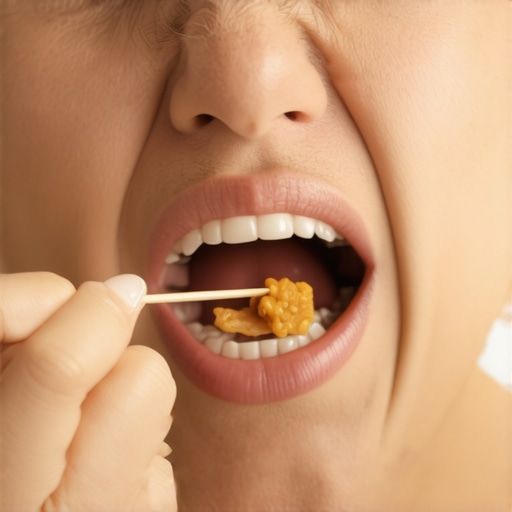
I vividly remember the moment it hit me—while trying to retrieve a stubborn piece of popcorn stuck between my teeth with a toothpick, I suddenly felt a sharp jolt in one of my teeth. My eyes widened as I realized I’d just risked damaging my smile over a few seconds of convenience. That lightbulb moment made me question: Is this tiny wooden stick truly safe?
Why I Almost Didn’t Think Twice About Using Toothpicks
For years, I believed that toothpicks were the perfect solution to pesky food particles. They’re handy, cheap, and seem harmless—until you experience the pain of a chipped or irritated gum line. I learned the hard way that misusing a toothpick can lead to unintended injuries and even long-term dental issues. That’s why I want to share my experience and help you avoid the same mistake.
Today, we’ll explore the risks tied to using toothpicks improperly, how to recognize when your dental tools are doing more harm than good, and safer alternatives to keep your smile healthy. If you’ve ever battled with that dilemma—should I use a toothpick or not?—this guide is for you.
Is a Toothpick Really Worth the Hype or Just a Hidden Risk?
Early in my own dental journey, I made the mistake of dismissing advice from friends who warned me about the dangers of toothpick misuse. I thought, “It’s just a little stick; how bad can it be?” Sadly, I learned that even minor accidents can cause cracks, gum injury, or dislodged crowns. According to dental experts, improper toothpick use can push food particles deeper and damage delicate tissues or enamel.
So, if you’re wondering whether to banish toothpicks from your routine, know that cautious use or alternative methods are far safer. Curious about the best ways to keep your teeth clean without risking damage? Check out how to properly clean your tongue without gagging, or discover other effective techniques for maintaining oral hygiene.
Now that I’ve shared my misstep, let’s dive into proven strategies you can adopt today to keep your smile safe while getting rid of stubborn food debris. Trust me—your teeth will thank you for it!
Master the Art of Gentle Flossing
Start by choosing a soft, waxed dental floss to glide smoothly between your teeth. Use a gentle sawing motion, avoiding snap or force—the goal is to clean, not to hurt. I once tried to floss aggressively after a heavy meal, which caused gum bleeding; switching to a gentle technique not only stopped the bleeding but improved my gum health over time.
Use the Correct Toothbrush Technique
Hold your toothbrush at a 45-degree angle to your gums. Make small, circular motions to effectively remove plaque without damaging your gums or enamel. I remember the first time I learned this technique from my dentist—it felt unnatural at first, but after a week, I noticed less gum sensitivity and whiter teeth.
Clean Your Crowns Properly
Careful cleaning of crowns is essential to prolong their lifespan and avoid leakage. Use a non-abrasive, soft-bristled toothbrush with fluoride toothpaste. Pay special attention to the margins where plaque can collect. I experienced a small leak under my crown last year; thorough, gentle cleaning helped prevent further issues. For longevity, consider materials like all-porcelain or ceramic crowns, which are durable and natural-looking. Learn more about durable crown materials.
Incorporate Interdental Cleaners
Interdental brushes or soft picks can reach places floss may miss, especially around implants or bridges. Use them carefully and follow your dentist’s advice. Once, I used a silicone interdental brush on a bridge and removed food debris gently, preventing irritation. Remember, avoid sharp or rigid tools that can damage tissues.
Limit Harmful Habits
Avoid using your teeth as tools—opening packages or biting nails can chip or crack teeth and damage crowns. I learned this lesson the hard way when I tried to peel a sticker with my teeth, resulting in a small chip. Always opt for scissors or pliers instead. Also, avoid aggressive teeth whitening; opt for professional treatments to prevent sensitivity or enamel erosion. Discover safe whitening options at professional whitening solutions.
Maintain Regular Dental Visits
Schedule checkups and professional cleanings every six months. A dentist can spot early signs of decay or crown issues before they worsen. I once ignored a small discoloration around my crown; a quick professional cleaning and inspection prevented a more serious problem. Routine visits are your best defense against extensive dental repairs.
Many people assume that regular brushing and flossing are enough to maintain optimal oral health, but the reality is more complex than that. A widespread misconception is that all dental products are equally effective, leading many to rely solely on over-the-counter solutions without understanding their limitations. For instance, while whitening toothpastes may seem beneficial, they often contain abrasive agents that can wear down enamel if used excessively, especially on sensitive teeth. According to a study published in the Journal of Dentistry, overuse of abrasive whitening agents can lead to increased tooth sensitivity and enamel erosion.
Why Do So Many Still Fall for Old Oral Health Myths?
One common myth is that if your teeth look white, they are healthy. However, cosmetic appearance doesn’t always reflect underlying issues like cavities or gum disease. In fact, some whitening procedures can mask problems without addressing the root causes. An advanced mistake many overlook is neglecting the importance of crown maintenance. Crowns aren’t just about looks; they can develop leaks or decay underneath if not properly cared for, which can lead to further complications like infections or even crown failure. Regular inspections by a dental professional are vital, as they can detect early signs of crown deterioration that untrained eyes might miss. To learn about the durability of different crown materials, check out this resource about the most durable crown materials.
Another nuanced aspect is the proper cleaning technique for crowns and bridges. Many assume that brushing and flossing around these restorations require no special attention; however, improper cleaning can lead to plaque buildup, causing gum inflammation or decay at the margins. Using gentle, well-directed cleaning methods can extend the lifespan of your restorations and prevent costly repairs. Avoid the trap of aggressive scrubbing, which can damage the porcelain veneer or dislodge the crown. Instead, consider learning the best practices for cleaning crowns with proper cleaning techniques.
Advanced questions, like understanding the material science behind crowns, can help you make informed decisions. For example, why are all-ceramic crowns considered more natural-looking but sometimes less durable than porcelain-fused-to-metal options? Experts explain that the composition and layering techniques affect strength and aesthetics differently. Selecting the right crown depends on your specific needs—whether aesthetics, durability, or a balance of both. For more insights, visit the page on comparing crown types.
Ultimately, the key takeaway is that a nuanced understanding of oral health and dental procedures prevents you from falling into easy traps and ensures the longevity of your smile. Remember, regular professional checkups and tailored care are your best defense against overlooked issues and advanced pitfalls. Have you ever fallen into this trap? Let me know in the comments.
Maintaining excellent oral health requires the right tools coupled with consistent habits. Personally, my recommendation starts with investing in an **electric toothbrush** like the Sonicare DiamondClean. Its oscillating-rotating technology efficiently disrupts plaque and reduces gingivitis when used correctly, especially around crowns and sensitive areas. I prefer the timer feature as it ensures I brush for the recommended two minutes, preventing over- or under-brushing. Regular replacement of brush heads every three months is crucial for optimal cleaning, as worn bristles lose effectiveness. To keep my tongue fresh and free from bacteria, I incorporate a tongue scraper like the Orabrush, accessible and gentle but highly effective, especially when combined with an antibacterial rinse.
For interproximal cleaning, I favor soft silicone picks such as Plackers Micro Mint, because I find they are gentle on crowns and gums yet proficient at removing debris. They’re particularly useful for bridges or implants where flossing can be tricky. Personally, I avoid traditional flossers with rigid plastic handles as they can sometimes damage delicate restorations if not used carefully. Regular dental checkups, at least twice a year, are essential; my dentist often recommends an intraoral camera to catch issues early, such as minor leaks beneath crowns, which I monitor with home care tools. Choosing durable crown materials complements good maintenance, extending their lifespan considerably.
In the coming years, I predict that AI-powered oral health devices will become commonplace, providing personalized care tips based on individual brushing habits and detecting early signs of issues like enamel erosion or plaque buildup. Imagine a smart mirror that reminds you to replace your toothbrush or alerts you to signs of gum inflammation—this is where the trend is heading.
How do I maintain my dental tools and ensure long-term results?
Routine cleaning of your toothbrush and accessories is non-negotiable. Rinse your electric toothbrush head thoroughly after each use and store it vertically to air dry, which minimizes bacterial growth. Replacing your toothbrush head on schedule, typically every three months, is vital to prevent reintroducing bacteria into your mouth. For interdental cleaners, wash them with warm water and store in a dry environment to prevent mold or bacteria. Regular professional cleanings are a must; even with top-notch tools, plaque can hide in hard-to-reach places, especially under crowns or bridges. Professional cleaning removes tartar buildup and inspects your restorations for early signs of wear or leaks, such as the dark line you might see indicating a crown’s deterioration. Learn how to recognize these issues at this resource.
Remember, equipped with the right tools and routine maintenance, you can significantly extend the lifespan of your crowns and restorations, preserving the investment you’ve made in your smile. For example, recent research shows that materials like zirconia crowns resist staining and fractures better over time, but only if you care for them appropriately; see this article for more details.
What I Wish Someone Told Me About Crowns and Proper Care
Early on, I underestimated how vital gentle cleaning around crowns was, assuming routine brushing sufficed. It took a few costly mishaps to realize that specific care techniques could dramatically extend the life of dental restorations.
Another lesson was the importance of understanding crown materials—some are more resilient but require tailored maintenance. Over time, learning which tools and habits benefit my unique dental setup helped me avoid unnecessary repairs and discomfort.
Lastly, I discovered that regular communication with my dentist—asking questions and understanding signs of wear—empowered me to catch issues early before they escalated into bigger problems.
Tools and Tips I Trust for Lasting Oral Health
For durable crowns, I recommend exploring the most durable crown materials, which have greatly increased my crowns’ longevity. Investing in a quality electric toothbrush, like the Sonicare DiamondClean, ensures gentle yet effective cleaning, especially around delicate restorations.
Discovering interdental cleaners such as soft silicone picks has transformed my approach, allowing me to clean tight spaces without damaging the gums or crowns. Combining these with professional cleanings every six months keeps my smile in prime condition.
Staying informed through authoritative resources and maintaining open conversations with my dental team has been instrumental—knowledge truly is power when it comes to oral health.
Join Me in Making the Next Move
Your smile is your best accessory—taking proactive steps today can save you from costly repairs tomorrow. Have you ever felt unsure about the right technique to clean your crowns or used a tool that didn’t work as expected? Share your experiences or ask questions below—let’s learn and grow together in making our smiles stronger and healthier!