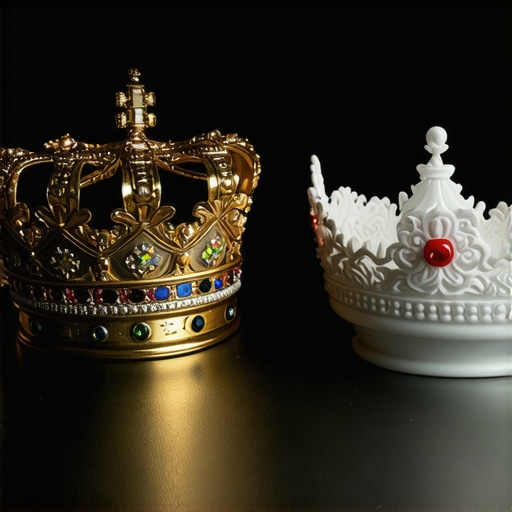
I remember the moment vividly—looking in the mirror after a routine dental check-up, and noticing that my carefully placed crown felt oddly loose when I bit into my morning toast. It was a lightbulb moment that made me question everything I thought I knew about dental crowns. For years, I had assumed that all crowns were created equal, just different materials. But then, I started digging deeper, and what I uncovered surprised me.
Today, I want to share what I’ve learned about the ongoing debate between gold and ceramic crowns. If you’ve ever wondered which material truly stands the test of time—or if you’re about to get a crown yourself—this post is for you. We’ll explore the durability factors and bust some myths along the way, so you can make a confident decision about your dental health.
The Durability Battle: Gold vs Ceramic
Is One Material Actually Better for Longevity?
When it comes to longevity, many people assume that gold crowns are unbeatable. That’s partly true. Gold is a metal that’s been used in dentistry for centuries, renowned for its malleability and resistance to wear and corrosion. Gold crowns can last anywhere from 20 to 30 years, sometimes even longer, with proper care. On the other hand, ceramic crowns, while aesthetically pleasing—especially for front teeth—tend to have a shorter lifespan, typically around 10 to 15 years. They are more prone to chipping or cracking, especially if you have a habit of grinding your teeth.
Back when I first looked into this, I made the mistake of assuming that ceramic crowns were less durable, simply because they’re porcelain. But as I discovered more, I learned that recent advancements—like peptide-infused bonding agents—have significantly improved the durability of ceramic crowns, making them more competitive with gold.
If you’re curious about how modern materials are changing the game, check out [this article](https://periodontistcare.com/why-2026-dental-crowns-now-use-peptide-infused-bonding-agents-2) for a detailed look at the latest innovations.
But durability isn’t just about material; it’s also about how the crown is bonded and cared for. Sometimes, a crown’s longevity depends more on the technique and materials used at the time of placement than on the material itself.
Have you faced the dilemma of choosing between gold and ceramic for your crown? Or experienced a crown failing sooner than expected? Sharing your experience can help others make better-informed choices.
As we move forward, we’ll delve into the factors that influence crown longevity and how you can maximize the life of your dental restorations. Stay tuned for practical tips that will help your crown stand the test of time.
Master the Daily Care Routine
Start with a consistent brushing and flossing schedule, using a soft-bristled toothbrush and fluoride toothpaste. I once noticed my crown feeling loose after ignoring my routine for a few days; once I got back on track, the sensitivity decreased, and the crown felt secure again. Regular removal of plaque prevents decay at the crown margins, which is critical because bacteria can sneak in, causing issues similar to when food gets stuck around a stubborn stuck piece of gum. Consider using an interdental brush or water flosser to clean hard-to-reach spots, especially around crowns, ensuring no debris is left behind that could harbor bacteria. For those resistant spots, a thorough cleaning test can reveal hidden buildup.
Be Mindful of Your Diet and Habits
Limit acidic and sugary foods that can erode enamel and weaken your crown’s integrity. For example, I minimized my morning citrus smoothies, replacing them with less acidic alternatives, which helped maintain my enamel and prevent sensitivity over time. Avoid biting on hard objects like ice, nuts, or pens; my accidental crunch on an ice cube once chipped a porcelain crown, reinforcing the importance of mindful chewing—think of your teeth like glassware that needs careful handling. If you notice your crown feels tight or that chewing has become uncomfortable, it may indicate a minor issue that could escalate if ignored, similar to a small crack in ceramic that can worsen with stress. Regularly check your bite and consult your dentist if you experience discomfort.
Schedule Regular Professional Check-ups
Visit your family dentist at least twice a year for professional cleaning and examination. During these visits, tell your dentist if your crown feels different or if you experience sensitivity—these could be warning signs of underlying problems. I once skipped my appointments, and a small minor decay went unnoticed until it caused significant discomfort, prompting a more invasive procedure. Routine exams also include assessing the bonding material; modern peptide-infused bonding agents improve longevity, but only if checked periodically. Your dentist can identify early signs of wear or minor chips before they develop into costly repairs.
Protect Your Crown During Activities
Wearing a mouthguard during sports or heavy grinding nights prevents undue stress on your crown. I made a simple custom-fit mouthguard for my nightly teeth grinding, which not only protected the crown but also relieved jaw tension. Consider avoiding using your teeth as tools to open packages, which can exert excessive force, risking dislodging or cracking your crown. If you notice your crown feeling loose or if food gets stuck often, consult your dentist promptly — early intervention preserves the restoration’s integrity and saves you more in the long run.
Handle Minor Issues Swiftly
If your crown feels loose or your bite feels uneven, don’t delay. Temporarily, you can use over-the-counter dental repair kits, but scheduling an appointment quickly is essential to prevent decay or further damage. One time, cinnamon gum got lodged beneath my crown, causing discomfort; removing it gently and scheduling a quick check prevented a potential crown re-cementing. Remember, early detection and maintenance are your best strategies to keep your crown functioning for many years.
Many people believe that brushing twice a day guarantees healthy teeth, but in my experience, this is a simplification that overlooks critical nuances. For example, brushing too hard can cause enamel erosion and gum recession, contrary to popular belief that scrubbing cleans better. Instead, gentle, thorough brushing using soft-bristled brushes is more effective and safer, especially for preserving delicate structures like crowns and fillings. Also, many assume that all dental cleanings remove plaque completely, but recent studies show that even professional cleanings sometimes miss biofilm in hard-to-reach areas, which can lead to persistent inflammation and decay. An article on biofilm removal techniques highlights advanced methods that target these stubborn spots. Furthermore, a common myth is that family dentistry procedures are painful or invasive; however, advancements in painless technology and no-numbing methods have transformed routine visits into comfortable experiences. For instance, newer local anesthesia techniques eliminate the discomfort once associated with procedures like sealant applications or minor restorations. When it comes to crowns, many believe they are merely cosmetic, but their real challenge is longevity. Modern research indicates that peptide-infused bonding significantly enhances crown durability by promoting better integration with the tooth. Make no mistake—overlooking these subtle factors can lead to premature crown failure or unresolved oral issues. So, what about misconceptions that might be sabotaging your oral health? One trap is the idea that mouthwash alone can cover poor brushing habits. But studies demonstrate that mouthwash is only supplementary; it cannot replace proper mechanical cleaning, especially around crowns and interdental spaces. Incorporating dental sealants in children’s molars can also dramatically reduce cavity risk, yet many overlook this simple preventive step; learn more about the benefits of sealants here. Advanced readers may wonder: How do oral care nuances affect systemic health? Emerging research links periodontal inflammation with cardiovascular risks, emphasizing the importance of meticulous hygiene routines. So, are you managing your oral health with the latest insights? Or falling for common myths that undermine your efforts? Let’s keep this conversation going—share your experiences or questions in the comments! Remember, small adjustments in your daily routine can have profound impacts on your dental longevity and overall wellness.Maintaining your oral health and ensuring your dental restorations last requires more than just good brushing habits; it demands the right tools and techniques. Personally, I rely on a few specialized items that have made a significant difference in my routine. An electric toothbrush with a pressure sensor is a game-changer. It prevents me from brushing too hard, which can cause gum recession and damage restorative materials like crowns. I recommend the Oral-B Genius X because it provides real-time feedback and alerts me when I’m applying excessive force, aligning with the latest research on effective plaque removal without damaging the enamel or restorations. 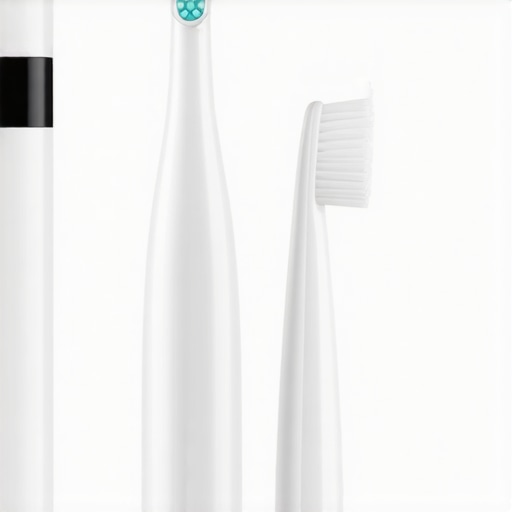
Another indispensable tool is a water flosser. Traditional flossing can be challenging, especially around crowns and bridges, but a water flosser effortlessly dislodges debris and bacteria from hard-to-reach areas. I personally use the Waterpik Sonic-Fusion because it integrates flossing and brushing, allowing me to target plaque buildup precisely where it accumulates. Regular use of such devices helps extend the lifespan of your crowns and prevent secondary decay, which is pivotal for long-term oral health.
For cleaning your crowns without scratching the surface, I turn to specialized interdental brushes and ultra-soft microbrushes. Choosing the right size ensures deep cleaning without risking damage. Additionally, I apply a gentle, non-abrasive paste like MI Paste Plus periodically, which supplies calcium and phosphate ions to reinforce enamel and cementum around crowns, especially if you’re prone to sensitivity or decay.
Investing in quality tools paired with proper technique is vital. As dental technology advances, so do the methods to preserve our restorations. Dental practices are gradually adopting peptide-infused bonding agents, highly effective for enhancing crown durability over time. In fact, recent studies indicate that the incorporation of peptides in bonding agents can prolong crown life by reducing microleakage and bacterial colonization.
How do I maintain my dental tools over time? Regularly rinsing, replacing brush heads every three months, and descaling water flosser tips keep these devices performing optimally. Periodic sterilization of interdental brushes and microbrushes prevents bacteria buildup, protecting your investment and your health.
Looking ahead, I predict that smart, AI-enabled oral care devices will become standard, providing tailored feedback to improve technique and detect early signs of emerging issues. This evolution promises even better long-term outcomes for maintaining restorations like crowns and ensuring family-wide dental health.
If you want to take your home care to the next level, try incorporating an electric toothbrush with a pressure sensor and a water flosser into your routine. These tools not only improve cleaning efficiency but also reduce the risk of damaging your restorations over time. Remember, consistency combined with the right equipment can make all the difference in keeping your dental work functioning flawlessly for years to come.
Lessons No One Tells You About Longevity and Maintenance
- I’ve learned that smooth, gentle brushing around crowns isn’t just polite—it directly impacts how long they last. Overly aggressive scrubbing might seem effective, but it can actually cause wear and microcracks over time, a revelation that changed my daily routine.
- Most people underestimate the importance of choosing the right tools. Investing in an electric toothbrush with pressure sensors and a reliable water flosser transformed my oral health, and I believe it’s a game-changer for preserving crowns and preventing secondary decay.
- Waiting too long between dental check-ups is a trap I fell into. Regular professional exams, including assessments of bonding agents—especially with recent advances like peptide-infused technology—are crucial for catching issues early and extending crown lifespan.
- Dietary habits dramatically influence crown durability. Limiting acidic foods and being mindful of habits like opening packages with teeth saved me from premature damage—a simple change with big rewards.
My Go-To Resources for Cutting-Edge Dental Insights
- Peptide-Infused Bonding Research: The latest studies on peptide technology in bonding agents have revolutionized my understanding of crown longevity. I recommend reading this detailed article to see how science is improving dental restorations.
- Dental Care Tools: My trusted electric toothbrush, the Oral-B Genius X, and Waterpik water flosser have significantly extended the life of my crowns.
- Preventive Techniques: Resources on proper cleaning, like biofilm removal methods, have helped me maintain healthier gums and reduce crown-related issues.
Seize Your Smile—Your Future Self Will Thank You
“Maintaining dental health, especially when you have crowns, is an ongoing journey. Small daily habits—like mindful brushing, using effective tools, and regular check-ups—can transform your results and ensure your smile remains confident and strong for years to come. Don’t wait for problems to appear; take action today to extend your crowns’ lifespan and protect your overall oral health.”}So, what habits have you found most effective in prolonging the life of your dental restorations? Share your tips below!**