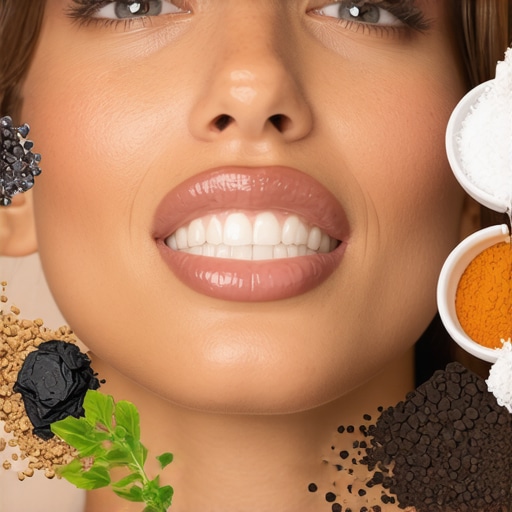
It was one of those mornings I won’t forget—half-asleep, rushing through my routine, I grabbed what I thought was a safe, natural whitening toothpaste. Little did I know, that tube would become the catalyst for a series of dental surprises and frustrations. I used it diligently, hopeful for brighter teeth, only to find my gums irritated and my enamel feeling more fragile than ever. That was my lightbulb moment—that behind the promises of ‘natural’ products, there’s often more than meets the eye. If you’ve ever experienced a sudden tooth sensitivity or wondered whether those herbal toothpastes are genuinely safe, you’re not alone. Today, we’re going to shed light on the gritty truth about ‘natural’ whitening toothpastes and uncover what really works—and what doesn’t—in your quest for a brighter smile.
Why the Hype Around Natural Whitening Toothpastes Is Sometimes Misleading
Have You Been Duped by the ‘Natural’ Label?
I’ve learned through my personal dental journey that many so-called natural products often contain ingredients that can do more harm than good. Early on, I made the mistake of assuming that ‘natural’ meant safer or more effective. It was only after experiencing gum irritation that I started digging into the ingredients, discovering that some herbal compounds and abrasive agents can erode enamel or cause sensitivity. According to a 2022 study by the American Dental Association, some natural teeth whiteners contain abrasives that can weaken enamel if used excessively, counteracting any whitening benefits. If you’ve faced similar doubts or unexpected side effects, you know how confusing it can be to navigate these claims.
But here’s the thing—there is genuine value in understanding what ingredients to look for and what to avoid. That’s where I can help you make informed choices—to protect your dental health while still achieving that brighter smile. Now, let’s explore the common pitfalls and how to identify truly safe options. Are you tired of wasting money on products that promise the moon but deliver discomfort or no results? If so, keep reading—you’re about to get some honest answers that can save your teeth from unnecessary harm.
Start with Consistent Oral Hygiene Routine
Master the Art of Brushing Properly
Recall the time I noticed my gums bleeding after rushing through a quick brush—an indicator I was doing it wrong. To avoid this, use a soft-bristled electric toothbrush, which provides consistent brushing pressure and efficiency. Position the brush at a 45-degree angle to your gums, gently moving in circular motions for at least two minutes, covering all surfaces of each tooth. This technique ensures plaque removal and prevents gum irritation, much like a gardener gently tending to delicate plants to prevent damage.
Incorporate Flossing Every Day
One morning, I skipped flossing and felt a strange roughness between my teeth. That prompted me to learn proper flossing—slide the floss gently between teeth, curving it into a C-shape against each tooth and moving it up and down to dislodge debris. Consistent flossing reaches areas your toothbrush can’t, reducing the risk of cavities and gum disease. Remember, just like cleaning behind a faucet handles, attention to detail makes a difference.
Choose the Right Oral Care Products Wisely
Select a Mouthwash That Supports Enamel Strength
After reviewing several options, I found that some mouthwashes can harm enamel—particularly those with high alcohol content or acidic ingredients. Opt for neutral pH mouthwashes infused with gentle anti-bacterial agents, like peptides, which can strengthen teeth and gums. Check product labels carefully, and avoid those that could accelerate enamel erosion—similar to choosing the right fertilizer to nurture delicate plants.
Utilize ADA-Approved Toothpastes
Not all whitening toothpastes are created equal. Look for brands that have the American Dental Association (ADA) Seal of Acceptance. These products are tested for safety, especially for sensitive teeth and enamel preservation. For example, I started using a toothpaste fortified with potassium nitrate to reduce sensitivity, which made a noticeable difference without compromising whiteness—like upgrading from regular paint to a protective coating that enhances durability.
Integrate Professional Dental Care into Your Routine
Schedule Regular Check-Ups and Cleanings
Just as a car needs regular servicing, your teeth benefit from professional attention. I set reminders every six months, ensuring my dentist removes stubborn biofilm and detects early signs of issues like cavities or gum disease. During cleanings, they use specialized tools to eliminate plaque and tartar inaccessible to home care, much like a gardener pruning hard-to-reach branches to maintain plant health.
Address Dental Problems Promptly
When I noticed a slight shift in my crown, I immediately visited the dentist, preventing more serious complications. Quick action can mean the difference between minor repairs and extensive procedures. If you suspect a loose crown or any discomfort, consult your dentist promptly—think of it as tending a small crack before it spreads, safeguarding your long-term oral health.
Avoid Common Mistakes That Damage Teeth
Resist the Temptation of Using Teeth as Tools
I once tried to open a stubborn package with my teeth. The sharp tear was a mistake; it could have caused chips or cracks. Always use scissors or other tools for such tasks, protecting your teeth—like how you wouldn’t use a knife to tighten a screw. These simple precautions preserve your dental integrity and prevent costly repairs down the line.
Limit Acidic and Sugary Snacks
Snacking on acidic foods or drinks throughout the day can erode enamel—similar to how acid rain damages a sculpture over time. I replaced frequent soda sips with water infused with a slice of lemon, which is less harmful and helps wash away residual sugars. Also, rinse your mouth with water after consuming acidic foods to neutralize lingering acids, preserving your enamel’s strength, just as a gardener might rinse plants with water to dilute harsh chemicals.
Implement Daily Habits for Long-Term Success
Stay Hydrated and Chew Sugar-Free Gum
Drinking plenty of water stimulates saliva production, naturally cleansing your mouth and neutralizing acids—like a refreshing rain that soothes dry soil. Chewing sugar-free gum after meals also increases saliva flow, aiding in remineralization and plaque control, much like tending to soil helps plants thrive. These habits create a protective environment, making your oral ecosystem resilient against damage.
Limit Nighttime Snacking to Protect Teeth
Nighttime eating compounds the risk of decay, as saliva production decreases while you sleep. I adopted a habit of having a filling snack earlier in the evening and then rinsing my mouth with alkaline rinse before bed. This reduces acid levels and allows for better enamel recovery overnight, akin to giving your plants a rest period for healing and growth. Consistency with such routines will gradually improve your dental resilience over time.
When it comes to dental restorations, many assume that placing a crown is a straightforward solution. However, the nuances behind crowns and general dental care are often misunderstood or overlooked. For example, a common myth is that all crowns are created equal, but in reality, the materials, bonding techniques, and aftercare play crucial roles in their longevity. According to a recent study in the Journal of Prosthetic Dentistry, employing peptide-infused bonding agents can significantly extend the life of crowns, yet many practitioners still rely on outdated adhesive methods.
Similarly, in family dentistry, there’s a misconception that routine cleanings are merely about freshening breath or removing surface stains. But the truth is, professional cleanings target bacteria and biofilm in hard-to-reach areas, preventing disease and systemic health issues. Neglecting this deeper aspect can lead to premature tooth loss and even cardiovascular problems. It’s important to recognize that omission of advanced plaque removal techniques may cause residual biofilm to promote inflammation and gum disease—something that not every hygienist emphasizes.
One critical mistake many make with teeth cleaning is underestimating the importance of chemical balance in mouthwash. Many over-the-counter rinses contain acids or alcohol that can, over time, damage enamel—especially if used excessively. As highlighted in a 2023 review by dental experts, using alkalizing mouthwashes with smart enzymes can actively eat away plaque without harming enamel, but this nuance is often ignored by consumers unfamiliar with their choices.
Where things get even more complex is in understanding the signs of crown failure or looseness. Many assume a crown is either perfectly intact or completely detached, but in reality, a crown can be subtly loosening, causing bite issues and discomfort before falling off. The tapping test, detailed in The Tapping Test article, helps detect these early signs, emphasizing the importance of vigilance. Missing this nuance can result in more invasive procedures down the line, as small cracks or looseness often lead to decay underneath the crown.
What about oral health habits? A surprising mistake is neglecting the impact of nighttime acidity. Evening snacks and beverages can produce acid levels that weaken enamel over time, but many fail to rinse thoroughly or adjust their habits accordingly. Incorporating night rinses with neutral pH solutions, like alkaline rinses, can neutralize acids and protect your teeth—a simple yet overlooked step.
In my experience, understanding these subtle distinctions and avoiding common pitfalls can dramatically improve oral health outcomes. For example, choosing minimally invasive, peptide-bonded crowns enhances durability, while regular advanced cleanings remove hidden biofilm that home care can’t reach. Recognizing early signs of crown loosening allows for simple interventions before major damage occurs. And selecting mouthwashes carefully preserves enamel integrity. These are nuances that separate average results from exceptional dental health.
Have you ever fallen into this trap? Let me know in the comments. The key to lasting oral health is understanding these hidden factors—so your smile stays brighter, healthier, longer.
Keeping It Working: Tools and Techniques for Lasting Oral Health
Maintaining a healthy smile over the years requires more than just good brushing habits; it involves selecting the right tools and understanding how to use them effectively for long-term results. One of my personal go-to devices is the electric toothbrush. I’ve chosen a model with a timer and pressure sensor because it ensures I brush for the recommended two minutes without applying excessive force that could damage gums or enamel—an issue discussed in depth in this article. When paired with soft-bristled heads, it clean deeply without abrasion.
For interdental cleaning, I prefer water flossers with adjustable pressure settings, as they effectively remove plaque and debris from tight spaces, reducing the risk of cavities and periodontal issues. However, it’s essential to be aware, as explained here, that some users might experience gum discomfort if the pressure is too high. To address this, I gradually increase the power and monitor how my gums respond, ensuring ample cleaning without irritation.
Additionally, incorporating smart mouthwashes that support pH balance and inhibit biofilm formation is a game changer. A recent innovation now includes enzyme-based formulations that actively eat away at plaque—see this update on crown bonding, which reflects the trend towards bio-active dental products. I recommend trying one of these alkalizing rinses twice daily; it helps maintain a neutral oral environment, crucial for preventively combatting decay and enamel erosion.
To keep track of progress and detect early signs of issues, I use a small, handheld mirror for the tapping test and visual inspection. Regular self-examinations, combined with professional checkups, extend the lifespan of restorations and prevent minor problems from escalating. Investing in a good-quality mirror with a magnified section helps make these inspections more accurate.
Looking ahead, the future of dental maintenance seems poised to embrace digital integrated systems—for example, apps that sync with smart toothbrushes and flossers to analyze brushing patterns and suggest personalized routines. This tech-driven approach will further empower individuals to take control of their oral health, much like how wearables have revolutionized fitness. As these innovations become mainstream, I encourage you to click into your device’s app and explore your brushing habits—because understanding your own patterns is key to making meaningful improvements.
Finally, one small but powerful tip is to regularly replace your toothbrush head or water flosser tips—many forget that old tools harbor bacteria and reduce cleaning effectiveness. Set reminders or use subscription services to ensure your tools are always fresh. Remember, consistency and the right equipment are your allies in maintaining oral health long term. Give one of these tools a try today, and watch your smile stay vibrant for years to come!
,
What I Wish I Knew About Dental Wins and Pitfalls
- One major lesson was understanding that not all ‘natural’ products are safe or effective. I used herbal whiteners that caused sensitivity until I realized that some ingredients can weaken my enamel—an insight I discovered through ongoing research and personal experience, highlighting the importance of scrutinizing ingredient labels.
- I’ve learned the hard way that early detection of crown loosening saves time and money. Simple tests like gently tapping on the crown can reveal issues before they become painful or costly, emphasizing vigilance in daily self-exams.
- Consistency with tools like soft-bristled electric toothbrushes and powered water flossers makes a measurable difference. Investing in advanced, dentist-approved equipment and maintaining them properly has prolonged my restorations and minimized dental visits.
- Understanding the importance of professional cleanings beyond surface appearance has been a game-changer. Regular visits eliminate hidden biofilm that home care can’t reach, boosting long-term health and preventing systemic issues linked to gum disease.
- Waiting to react to dental discomfort can lead to bigger problems. Prompt consultation when noticing subtle changes—be it bite shifts or gum bleeding—can prevent major repairs, reinforcing the value of early intervention.
My Toolbox for a Resilient Smile
- ADA-Approved Toothpastes: I trust brands with the ADA Seal because they’ve undergone rigorous safety and efficacy testing, ensuring that whiteness doesn’t come at the expense of enamel health.
- Smart Oral Care Devices: Electric toothbrushes with timers and pressure sensors help me maintain optimal brushing habits, reducing undue gum stress and preserving my restorations.
- Specialized Mouthwashes: Alkaline, enzyme-infused rinses support pH balance and inhibit biofilm, which I personally find essential for long-term protection—more details on these innovations can be found here.
- Self-Check Instruments: A magnified mirror and simple tests like the tapping method help me catch early signs of crown issues or gum problems, enabling quick action before escalation.
- Educational Resources: Staying informed through trusted sites and expert articles ensures I keep up with the latest dental care practices, promoting proactive health management.
Keep Your Smile Fighting Fit: Your Next Move
Maintaining a healthy, bright smile is an ongoing journey that rewards with confidence and well-being. Embrace the tools, habits, and knowledge that empower you to face dental challenges head-on. Remember, your smile is your personal signature—invest in it wisely, and it will serve you beautifully for years to come. Want to share a recent dental victory or challenge? Drop your experiences below and join our community committed to lasting oral health!