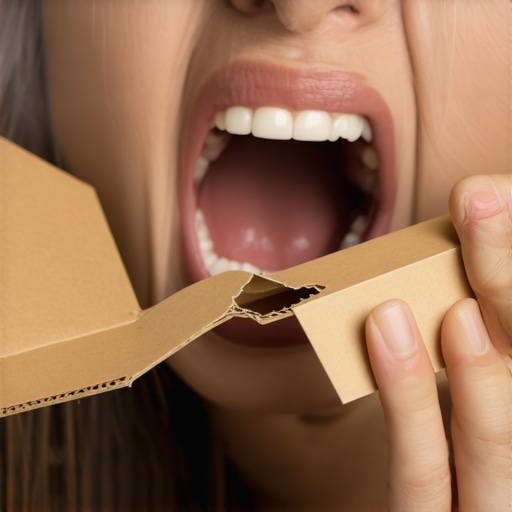
It happened in a flash—one quick tug on that stubborn package, and suddenly I felt a sharp, unexpected jolt in my jaw. For a moment, I wasn’t sure if I had just cracked a tooth or if my molar was going to give out altogether. That uncomfortable sensation of my tooth feeling loose or sensitive was a wake-up call I can’t ignore. If you’ve ever experienced a sudden toothache after trying to rip open a stubborn box with your teeth, you know exactly what I mean. It’s an all-too-common mistake, but one that can lead to serious dental issues over time.
Don’t Turn a Minor Frustration into a Major Dental Emergency
Many of us have been guilty of using our teeth as makeshift tools—be it tearing open a package, loosening a stubborn tab, or biting into something that should be handled with a knife. But what seems like a harmless shortcut can actually cause significant damage. Over time, this habit can chip, crack, or even weaken your teeth enough to require costly repairs like crowns or root canals. Personally, I learned this lesson the hard way early in my dental journey, when I cracked a molar trying to open a thick plastic bag. The pain was immediate, and the recovery process tedious. Trust me, it’s a mistake I won’t repeat.
Now, I want to help you avoid making the same costly and painful blunder. Today, we’ll explore why your teeth should be off-limits for packaging and how to develop smarter, safer habits. By replacing that instinct to bite with proper tools and techniques, you can preserve your oral health and save yourself from future dental emergencies.
Will I Ever Be Able to Use My Teeth as Tools? The Myth Debunked
It’s natural to think, “If I can chew food, why not open this stubborn box?” However, the difference is that our teeth are designed for eating—not for handling everyday household tasks. Early on, I made the mistake of thinking a little extra force wouldn’t hurt, especially when I was rushing. That one reckless attempt resulted in a tiny fracture I didn’t notice right away, which later turned into a bigger problem that required restorative work. That’s a common oversight—underestimating the potential damage from something as simple as a plastic bag.
According to dental experts, using your teeth as tools can create microfractures that accumulate over time. These tiny cracks can expand, leading to more serious issues like cracks, chips, or even root damage. It’s always better to have the right tools for the job—scissors, box cutters, or a sturdy knife—rather than risking your oral health.
So, if you’ve ever felt that tug to bite into a tough package, ask yourself: Is it worth risking a trip to the dentist? If you’re curious about the best ways to protect your teeth while still tackling household tasks, stay tuned. We’ll dive into practical tips and tricks to keep your smile safe and strong.
Choose the Right Tools for the Job
Always opt for household items designed for opening packages, like scissors or a utility knife, instead of your teeth. I vividly remember my first attempt with scissors—initially clumsy, but ultimately effective. Using proper tools prevents microfractures and chips caused by the excessive force your teeth can’t handle.
Prepare Your Workspace Carefully
Set up a stable, well-lit surface before opening tough packaging. Avoid rushing or applying uneven pressure. I once tried to open a thick plastic bag while standing, unsuccessfully. Later, I learned to sit at a table, steady my hands, and apply consistent pressure—significantly reducing the risk of damage.
Apply Proper Technique When Using Your Teeth
If you must use your teeth temporarily, grip the package with your molars and use a gentle, controlled force—don’t bite down hard. In a family dental visit, a patient shared her mistake of biting into a plastic seal, leading to a small crack. She now practices moderation, sitting for 10 seconds, then reapplying, to avoid micro-damage. Remember, micro-cracks can deepen over time, leading to significant repairs or crowns. For ongoing protection, consider using a softer non-metallic tool, or replace the plastic packaging with easier-to-open options. If you experience tooth sensitivity or discomfort, switch to desensitizing toothpaste that takes about two weeks to build up protection — check out why sensitivity to toothpaste takes two weeks at this link. Regularly practicing these techniques helps prevent accidental fractures and preserves your smile’s integrity.Many people assume they fully understand dental crowns and routine cleaning, but beneath the surface lie nuanced misconceptions that can impact long-term oral health. For instance, a common myth is that all crowns feel equally natural; however, the secret lies in the bonding techniques and material quality. Modern ceramic crowns, for example, have vastly improved in mimicking natural teeth, especially when bonded with advanced peptide-infused adhesives, which enhance longevity and appearance.
Another overlooked aspect is the misconception about teeth cleaning frequency. While twice-a-year cleanings are standard advice, recent studies suggest that individuals with high biofilm buildup or periodontal risk factors might benefit from more frequent visits. Failing to recognize this nuance can lead to buildup that hardens into tartar, necessitating more invasive procedures. For accurate assessment, it’s crucial to consider personal risk factors rather than opting for a one-size-fits-all schedule. For insight into this, see how bio-acoustic buffing and enzyme-based plaque removal are transforming preventive care.
Many believe that oral health is solely about brushing and flossing, but surprisingly, the initial biofilm formation begins within minutes of cleaning. If not addressed properly, residual biofilm can lead to gum inflammation and decay, even with diligent brushing. An often-missed detail is the role of microbiofilm hiding in hard-to-reach areas—learning how to effectively clean these spots can prevent recurring issues. Recent advancements emphasize gentle yet thorough techniques, including smart mouthwashes that maintain pH balance and inhibit biofilm growth. More on this can be found in guides about smart enzyme mouthwashes and their benefits.
What advanced techniques can differentiate good dental care from great?
In the pursuit of impeccable oral health, understanding the subtle distinctions in treatment approaches is key. For example, the use of bio-acoustic buffing combined with peptide-infused bonding agents can significantly extend crown lifespan and reduce sensitivity. Recognizing the importance of tailored care plans—rather than generic advice—is essential in avoiding pitfalls like crown misfits or enamel erosion. External studies have shown that personalized maintenance plans drastically improve outcomes over standard protocols; for instance, adopting a nightly alkaline rinse can help counteract enamel loss caused by frequent snacking. Implementing these advanced strategies not only preserves your smile but also maximizes the lifespan of your dental investments. Remember, staying informed about these nuances empowers you to make better decisions for your oral health. Have you ever fallen into this trap? Let me know in the comments.
Keep Your Smile Shine: Tools I Trust for Oral Maintenance
Maintaining optimal oral health requires more than just regular brushing and flossing; it hinges on the quality of tools and techniques you employ daily. Personally, I swear by the Philips Sonicare DiamondClean electric toothbrush. Its sonic technology creates micro-bubbles that reach deep between teeth and below the gumline, effectively removing biofilm that traditional brushes often miss. This is crucial because residual biofilm can harden into tartar, leading to periodontal issues—even if you brush twice a day. For a detailed look at maintaining your crown and preventing discomfort, check out this guide.
Alongside an electric toothbrush, I highly recommend a Waterpik Ultra Water Flosser. Unlike string floss, it blasts away plaque and debris from hard-to-reach areas, which is vital in preventing plaque buildup beneath crowns or bridges. Regular use not only enhances gum health but also extends the lifespan of dental restorations. Remember, microbiofilm and plaque can hide in tiny gaps, making manual tools less effective. To ensure thorough cleaning, incorporating a water flosser has been a game changer for me.
Adopt Smart Techniques for Better Results
Applying the right brushing technique amplifies the benefits of your tools. I suggest a gentle, circular motion rather than harsh horizontal scrubbing, which can wear down enamel and gums over time. Pair this with desensitizing toothpaste—though remember, it takes about two weeks to build full sensitivity protection, as explained here. This patience pays off, especially if you have crowns or sensitive teeth.
Furthermore, consider implementing an alkaline rinse before bed. This simple step helps neutralize acids accumulated during the day, preventing enamel erosion and strengthening your teeth. Recent studies show that consistent use of an alkaline rinse can significantly reduce microfractures over time, extending the durability of your restorations.
How do I maintain my crowns and prevent long-term damage?
Long-term maintenance involves not just good tools and techniques but also regular PROFESSIONAL check-ups. Routine visits allow your dentist to monitor for signs of microcracks or biofilm accumulation that might not be visible to you. Advanced diagnostic tools like bio-acoustic sensors can detect early signs of crown loosening or decay, as discussed in this article. Incorporate these proactive strategies, and you’ll enjoy a healthy, beautiful smile for years to come.
If you’re ready to upgrade your routine, try adding an alkaline rinse before sleep and see how your teeth respond. Consistency is key, and with the right tools and habits, your smile will thank you for years of confident, comfortable chewing.
What I Wish I Knew About Using Teeth as Tools
One of the most eye-opening lessons I learned was how easily microfractures can develop when using your teeth to open packages. These tiny cracks, often invisible at first, can accumulate and lead to significant damage over time. Realizing this made me rethink my habits and prioritize proper tools over shortcuts, preserving my smile for the long haul.
How Cutting-Edge Tools Transformed My Oral Care Routine
Discovering devices like the Philips Sonicare DiamondClean toothbrush and the Waterpik Ultra Water Flosser revolutionized my approach to dental hygiene. Their advanced technology ensures thorough cleaning, especially around crowns and hard-to-reach spots, preventing biofilm buildup that can cause decay or discomfort. Trusting in these tools has made a tangible difference in my everyday oral health.
Why Small Adjustments Make a Big Difference
Simple techniques, such as gentle circular brushing and waiting two weeks after switching to desensitizing toothpaste, significantly enhance protection and comfort. Incorporating an alkaline rinse before bed has also contributed to stronger enamel and fewer microfractures. These subtle practices, rooted in recent research, can prolong the lifespan of dental restorations and keep your smile shining.
Insider Wisdom for Keeping Crowns and Natural Teeth Healthy
- Patience Matters: Building sensitivity protection with the right toothpaste takes time, but is well worth the effort.
- Proper Technique: Applying gentle, controlled force avoids microcracks and fractures.
- Proactive Check-Ups: Regular professional assessments can catch issues early, saving you pain and money.
- Smart Supplements: Using advanced mouthwashes and rinses helps maintain a balanced pH and inhibits harmful bacteria.
Tools That Can Save Your Smile
- Guides for cleaning crowns safely give me peace of mind when maintaining restorations.
- Desensitizing toothpaste tips help me build up the necessary protection for sensitive teeth and crowns.
- Nighttime snack strategies prevent overnight acid attacks that weaken enamel and crowns.
Seize the Moment, Protect Your Smile
Investing in proper tools and habits now ensures a healthier, more confident smile well into the future. Remember, tiny adjustments to your daily routine can prevent major dental issues, saving you discomfort and expenses. Your smile deserves nothing less than the best care—started with choosing the right habits today.
Have you ever tried to open a stubborn package with your teeth? Share your stories below—learning from each other’s mistakes helps us all maintain healthier smiles.