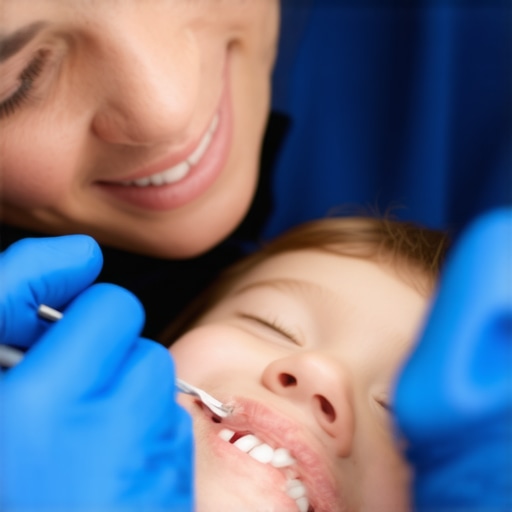
I remember the moment vividly — my child’s face suddenly looked different when she smiled, and it hit me like a lightning bolt. Could something be wrong? For months, I had overlooked her crowded teeth and her tendency to breathe through her mouth during sleep, dismissing these as normal childhood quirks. But that day, I realized these could be signs of a deeper issue that needed attention. It was a lightbulb moment that prompted me to dive into the world of early orthodontic assessments.
If you’re like me, you might wonder whether your child’s dental development warrants an orthodontic check before they even turn seven. The truth is, catching alignment issues early can make a world of difference — not just for their smile, but for their overall health. Today, I want to share how you can spot the first signs that your little one might need a professional evaluation, and why acting early can save you both time and trouble down the road.
Why Early Checkups Matter More Than You Think
The notion that kids don’t need orthodontic assessments until their permanent teeth come in is a common misconception. In reality, **early evaluation can identify subtle problems before they become complex and costly to correct**. According to research published by the American Association of Orthodontists, approximately 20-25% of children have issues that benefit from early intervention, often before age seven. Early checks can guide jaw growth, prevent severe crowding, and even address habits like thumb-sucking that influence dental alignment.
During my own journey, I made a mistake I now advise parents to avoid — I waited until her teeth looked crooked before consulting a professional. That delay often complicates treatment, making it longer and more uncomfortable for the child. Instead, early screening sets the foundation for a smoother process, allowing orthodontists to implement growth modification techniques that work with your child’s natural development.
Are you noticing signs that your child might be developing issues early on? If so, earlier action could be the key to a healthier, happier smile. Now, let’s explore the specific signs that should prompt you to schedule that first orthodontic visit.
Assess Your Child’s Oral Habits and Appearance
Start by observing your child’s habits and physical signs. Notice if they breathe through their mouth excessively or have difficulty chewing. Look for signs like protruding teeth or misalignment when they smile naturally. I once caught my son’s habit of thumb-sucking during a casual moment, which could impact his dental development. Addressing these early signs prompts a consultation that can prevent future complications.
Schedule a Professional Evaluation Promptly
Book an appointment with an orthodontist if you observe any concerning habits or signs. Think of this step like tuning a musical instrument before a performance; early assessment ensures everything is aligned correctly from the start. When I took my daughter to her first evaluation at age five, the orthodontist identified a developing crossbite, allowing us to start growth-guiding appliances that made treatment easier later on. To find a qualified specialist, visit their contact page.
Conduct a Simple Home Dental Inspection
Use a flashlight and mirror to look inside your child’s mouth. Check for crowding, spacing, or teeth that are coming in crooked. Notice if there’s any difficulty with biting or if the palate looks unusually narrow. Remember, just like assessing a garden’s growth, a quick visual check can reveal early issues. This step is especially helpful if your child is nervous about visits; it empowers you to act quickly. For guidance, consider reading effective home dental practices.
Monitor Functional Signs Over Time
Pay attention to habitual behaviors like thumb-sucking, mouth breathing, or teeth grinding. These actions can be compared to neglecting a small leak in a pipe — if ignored, it can cause significant damage later. For instance, I kept an eye on my daughter’s mouth-breathing pattern and noticed it persisted beyond infancy. Early intervention, such as my orthodontist recommending a specific appliance, helped correct her posture and breathing, supporting proper jaw development.
Maintain Consistent Oral Hygiene and Visit Regularly
Good oral hygiene supports early detection and healthy development. Encourage daily brushing and flossing, and schedule ongoing checkups with your family dentist. Think of oral care like tending to a garden — consistent nurturing yields the best results. Avoid neglecting dental visits; routine checkups can catch subtle issues before they become complex. For more detailed routines, visit this resource.
Many individuals believe that daily brushing alone ensures complete oral health, but in my experience, this oversimplifies a complex system. For instance, a common misconception is that flossing isn’t essential; however, research indicates that regular flossing significantly reduces plaque buildup between teeth, preventing decay and gum disease. Another myth is that professional teeth cleaning can damage enamel; in reality, when performed correctly, cleanings are safe and vital for removing tartar that brushing can’t eliminate. An often-overlooked nuance is the role of dental crowns: some think they last forever, but studies show that, without proper maintenance, crowns can develop micro-leaks leading to decay beneath them. A trap I caution against is delaying addressing minor issues like chips or sensitivity, which can escalate into more expensive treatments if ignored. For seasoned dental enthusiasts, a sophisticated question arises: How does the material composition of crowns influence their long-term durability and compatibility with adjacent tissue? Evidence from the Journal of Prosthetic Dentistry suggests that zirconia crowns tend to outlast porcelain ones in high-stress molar regions. To deepen your understanding, I recommend exploring expert advice on crowns and teeth cleaning for lasting results, which emphasizes personalized care strategies. Remember, effective oral health isn’t just about routine; it’s about understanding these subtleties to prevent costly mistakes. Have you ever fallen into this trap? Let me know in the comments.Maintaining optimal oral health over the years requires more than just daily brushing and flossing—it demands the right tools, consistent routines, and strategic approaches. One of my go-to devices is the Sonicare ProtectiveClean electric toothbrush, which I personally use because of its oscillating brush heads that effectively remove plaque, especially in hard-to-reach areas where manual brushes often fall short. This device not only boosts my daily cleaning routine but also helps prevent tartar buildup that can lead to gum disease.
For managing crowns and other restorative work, I recommend investing in a water flosser, such as the Waterpik Oral Health Water Flosser. I find it invaluable for cleaning around dental crowns, implants, and braces because it delivers pulsating water jets that dislodge debris without risking damage to delicate restorations. Using this tool consistently can significantly extend the lifespan of crowns and prevent micro-leaks that breed decay.
When it comes to long-term results, integrating a high-quality whitening kit like AuraGlow LED Whitening System can aid in maintaining a bright smile, but it’s essential to combine this with proper routine care. Regular professional cleanings are also crucial; I schedule appointments every six months to stay ahead of potential issues. According to recent research, routine cleanings not only enhance aesthetic results but also contribute to overall wellness by reducing systemic inflammation linked to gum disease.
Looking ahead, I predict advancements in dental technology will continue to personalize and simplify maintenance routines. Innovations like tele-dentistry services will enable proactive monitoring, while AI-driven apps will remind us to replace toothbrush heads and schedule checkups.
How do I keep my crowns and restorations in top shape over time?
Consistent use of gentle interdental cleaning tools, routine dental visits, and avoiding hard or sticky foods can preserve your restorations longer. Be sure to follow your dentist’s advice on specific maintenance routines; for example, I consult detailed care instructions found here about crown maintenance to ensure optimal longevity. Regularly inspecting your dental work, much like checking a car’s fluids and filters, can prevent small issues from becoming costly repairs.
Don’t forget that integrating technology like electric toothbrushes and water flossers into your daily routine can dramatically improve your results. If you’re ready to take your dental maintenance to the next level, try using a water flosser daily—it’s become an essential part of my long-term oral health strategy. For additional guidance, check out this comprehensive resource and start experiencing the benefits today.
What My Experiences Taught Me That No Book Could
One of the biggest revelations in my journey was realizing that early orthodontic assessment isn’t just about teeth—it’s about setting a foundation for lifelong health and confidence. I learned that overlooking subtle habits like mouth-breathing or thumb-sucking can quietly undermine a child’s development, reminding me to stay vigilant and proactive.
Another lesson was the importance of trusting experts who see patterns we, as parents, might miss. My initial hesitation to seek early intervention delayed ideal treatment, emphasizing that timely professional evaluations can prevent more complicated issues later. It’s a lesson in listening closely, because sometimes the smallest signs carry the biggest weight.
Finally, I discovered that personal involvement in dental care—like simple home inspections and encouraging good habits—empowers us to act decisively. This proactive stance not only benefits my family’s oral health but also nurtures a sense of shared responsibility and confidence in managing wellbeing.
Tools and Resources That Elevated Our Routine
One resource I found invaluable is the detailed guidance on home dental practices. It demystifies effective routines that suit busy families. Additionally, books like latest oral health guidelines keep me informed about current best practices and innovations.
I also rely on high-quality tools such as electric toothbrushes and water flossers—these devices have transformed our daily routines, making maintenance easier and more thorough. Their proven efficacy gives me peace of mind, knowing we’re doing everything possible to support lifelong smiles.
Lastly, I trust our regular dental checkups, guided by expert advice that emphasizes prevention over treatment—because understanding what to look out for and acting early is truly priceless.
Feeling Inspired to Begin or Improve Your Family’s Dental Journey
Your child’s smile is a gateway to confidence and health that lasts a lifetime. Embracing early assessments and fostering open conversations about oral health can create habits that serve them well into adulthood. Remember, small steps today lead to significant benefits tomorrow—so start now, and see how your family’s dental story can flourish. Have you identified a habit or sign in your child that you plan to address soon? Share your experiences below—your story might just inspire another parent to take that crucial first step.