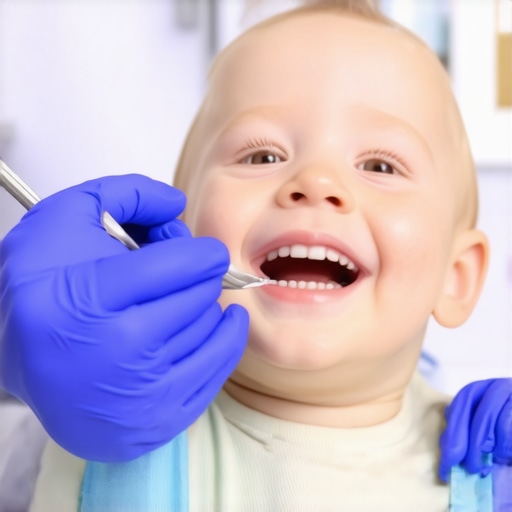
I remember the moment clearly—my toddler was crying inconsolably after waking up from a nap, and I noticed a small dark stain on her lower front tooth. Panic set in. Was something wrong? Had I missed signs of decay early on? That experience opened my eyes to a crucial aspect of my child’s health I hadn’t paid enough attention to: dental care from an early age.
Many parents believe that dental visits aren’t necessary until a child’s teeth have fully emerged or until problems appear. But the truth is, scheduling your child’s first dental appointment before their first birthday can prevent issues before they become painful or costly. Today, I want to share why early dental care is so essential and how it can save you worries down the line.
Why Starting Dental Visits Early Sets the Foundation for a Healthy Smile
Childhood is a critical time for developing healthy habits and catching potential problems early. Visiting a pediatric-focused dentist or family dentist who understands infant oral health can help you learn about proper cleaning techniques and spotting early signs of dental issues, like cavities or enamel defects. Plus, these early visits can build your child’s comfort with dental care, reducing future anxiety. It’s a mistake I made early on to assume that baby teeth don’t matter because they’ll fall out anyway. But experts emphasize that early dental visits can actually prevent early childhood cavities, which are now more common than many realize. According to the CDC, approximately 1 in 5 children aged 5 to 11 years have at least one untreated cavity, and early habits play a role.
If you’re wondering whether your child is at risk or if a dental visit is worth it, I encourage you to consider the long-term benefits. Early assessment can reveal issues like improper feeding habits, teething troubles, or even early signs of more complex problems, such as a misaligned bite.
Is It Really Necessary When Baby Teeth Are Temporary?
Absolutely. Many parents worry, “Won’t a check-up be unnecessary because their teeth are just going to fall out anyway?” That’s a common misconception. While baby teeth do eventually fall out, they serve important roles—helping your child chew, speak, and hold space for incoming permanent teeth. Neglecting their health can lead to pain, infection, or overcrowding issues later. Moreover, early visits give your dentist a chance to spot and address problems like decay caused by habits such as thumb-sucking or bottle-feeding.
I admit, I once thought I could just watch and see. But I learned the hard way that waiting too long to see a dentist can mean missing out on preventive care. Early intervention can often save you from more invasive procedures later, like crowns or root canals. If you’re interested in the specifics of early childhood dental health, check out resources like [this article](https://periodontistcare.com/why-some-children-get-cavities-despite-perfect-brushing-habits).
The next step is knowing what to do to prepare your little one for this first visit and making it as stress-free as possible. But first, let’s address some common fears parents have about taking their toddlers to the dentist.
Set Up a Friendly Environment Before the Visit
Start by talking to your child about the upcoming appointment in simple, positive words. Use stories or books about going to the dentist to reduce anxiety. For example, I once read my son a story about a brave little shark who loved visiting the dentist, which helped him feel more comfortable. Ensure the environment at home is calm, avoiding negativity or fear around dental visits. Familiarity reduces stress and helps your child view dental care as a normal part of health maintenance.
Choose the Right Dental Professional
Opt for a pediatric dentist or a family dentist experienced with children. Research their background and reviews, and ask if they have child-friendly procedures. During my first appointment, I found a dentist who specializes in kids and knows how to make the experience fun. They often have colorful offices, toys, and TV screens, which distract children during examinations. This choice establishes trust early and sets a positive tone for future visits.
Prepare Your Child for What to Expect
Explain the process using simple language. Describe that the dentist will check their teeth like a friendly explorer and might count or gently touch their mouth. Demonstrating a dental check on a stuffed animal can make the real visit less intimidating. I used a mirror to show my son what the dentist would see, which demystified the process. Knowing what to expect helps reduce fear of the unknown.
Practice Good Oral Hygiene Habits at Home
Encourage your child to brush with a soft-bristled toothbrush and a pea-sized amount of fluoride toothpaste twice daily. Make it a game by singing a song or using a timer to ensure brushing lasts two minutes. I turned toothbrushing into a race against a clock, which made the routine fun. Additionally, limit sugary snacks and drinks, as these can lead to cavities even if brushing is good. Remember, early habits lay the groundwork for healthy teeth and reduce the likelihood of decay, which can lead to painful procedures like crowns or fillings.
Focus on Nutrition and Habits
Supply healthy snacks rich in calcium and vitamins to strengthen teeth. Avoid constant snacking on sticky or sugary foods, which can cause plaque buildup and cavity formation. Teach your child not to suck on bottles or pacifiers with sweet liquids for extended periods; this habit can lead to early decay. A micro-story: When my niece started sipping water after meals rather than juice, her teeth remained healthier, and she experienced fewer visits for cavities.
Manage Your Own Anxiety and Model Confidence
Children pick up on parental emotions. Stay calm and positive about the dental visit. If you exhibit confidence, your child is more likely to feel secure. Share your own experiences or reassure them with phrases like, “The dentist is my friend who helps keep teeth strong and shiny.” During one appointment, I held my child’s hand and talked through the process, which made him feel supported and brave. Remember, your attitude influences how your child perceives dental care.
Use Creative Distraction and Rewards
Bring along a favorite toy or distraction like a small stuffed animal. Offer praise or a sticker after the appointment to associate dental visits with positive reinforcement. For example, I told my son he was a superhero for facing his fears, and he proudly showed off his sticker. These small steps can significantly reduce anxiety and foster a positive attitude towards future visits.
While most people understand the basics of brushing and flossing, there are subtle misconceptions and advanced pitfalls that can significantly impact your dental health. A common myth is that frequent brushing alone ensures cavity prevention; however, overbrushing can erode enamel and lead to increased sensitivity, as highlighted in recent studies. Many believe that dental crowns are purely for cosmetic fixes, but in reality, choosing the right crown material, like zirconia over porcelain, can greatly enhance durability and function, especially for patients who grind their teeth. Another overlooked aspect is the importance of cleaning the hidden spots in your mouth, such as the lingual surfaces and interdental spaces, where plaque accumulation can go unnoticed despite regular brushing. External experts note that neglecting these nuances can lead to unexpected decay and periodontal issues. Concerning family dentistry, a frequent mistake is delaying adult-specific treatments, assuming children’s dental habits suffice. But, proactive assessments, including monitoring for early signs of enamel breakdown or emerging bite issues, are crucial for lifelong health.
What advanced signs indicate that your dental restorations may be failing before noticeable symptoms appear?
Research shows that microleakage at the margins of crowns can harbor bacteria, leading to recurrent decay despite good oral hygiene. Being aware of subtle indicators such as minor temperature sensitivity or slight discoloration around restorations can save you from more invasive procedures later. This emphasizes the importance of regular, comprehensive check-ups with a dental professional who is trained to spot these hidden issues early. So, next time you think your dental routine is foolproof, consider whether these nuanced mistakes might be undermining your efforts. Remember, understanding these hidden aspects of oral health can make all the difference in maintaining a truly healthy smile. Have you ever fallen into this trap? Let me know in the comments.Maintaining a healthy smile over the long term requires more than just regular brushing and flossing; it demands the right tools and a disciplined approach to care. One of my favorite investments is a high-quality electric toothbrush, such as the Oral-B Genius series, which provides superior plaque removal and has timers to ensure proper brushing duration. Unlike manual brushes, these devices help maintain consistent technique, especially on tricky areas like the lingual surfaces where plaque often hides, as explained in a recent dental hygiene study. Additionally, investing in a water flosser, like the Waterpik Nano, simplifies interdental cleaning and is highly effective at dislodging debris from hard-to-reach spots, making it perfect for daily maintenance.
In my experience, dual-action floss—combining floss picks with traditional floss—ensures thorough cleaning and reduces the risk of overlooked plaque buildup. Consistency is crucial; I schedule a weekly deep-cleaning with dental-specific tools like interproximal brushes or soft picks to target areas around crowns and bridges, which are more susceptible to plaque accumulation. Regular use of these tools can significantly prolong the lifespan of restorations and prevent decay beneath crowns, a common issue often linked to neglect of hidden spots.
As technology advances, so does the precision of at-home dental care. Ultrasonic toothbrushes equipped with sonic technology promise deeper cleaning, especially when combined with professional-grade whitening or remineralization pastes like CPP-ACP, which help strengthen enamel in vulnerable areas. Looking toward the future, I predict an increased integration of smart devices that monitor oral health in real time, providing immediate feedback and personalized recommendations.
How do I keep my dental restorations working effectively over time?
Proper maintenance begins with daily vigilance—avoiding abrasive toothpaste that can wear crowns, for example—and scheduling regular professional check-ups. During those visits, ask your dentist about using tools like air polishing devices, which effectively clean the margins of crowns and prevent recurrent decay. Remember that crowns, especially zirconia ones, are durable but require attentive care to prevent fractures or misalignment. For instance, avoiding sticky, hard candies and being cautious during contact sports can extend their lifespan, according to the American Dental Association.
One advanced tip I recommend is applying fluoride varnish at home or during routine visits to reinforce the enamel around crowns and natural teeth. This simple measure can prevent microleakage and decay under restorations, as detailed in peer-reviewed research published by the Journal of Dental Research. Incorporate this into your maintenance routine, and you’ll be taking a significant step toward ensuring your restorations and teeth stay healthy for the years ahead.
Try adding a fluoride rinse or varnish application into your nightly routine to experience the benefits firsthand. Regular use of your chosen tools, combined with professional advice, can keep your smile working perfectly for a lifetime.
The Hardest Lesson I Learned About Oral Health, Teeth Cleaning, Family Dentistry, Crowns
One of my biggest realizations was understanding that small daily habits can have enormous impacts on long-term dental health. I used to think that visiting the dentist annually was enough, but I learned that consistent at-home care and early prevention are crucial to avoid costly procedures later on.
My Essential Toolkit for Maintaining Your Smile
Investing in a high-quality electric toothbrush and a water flosser transformed my routine. These tools, combined with regular check-ups, ensure I tackle plaque effectively and reach those hidden spots where decay lurks. I trust brands like Oral-B and Waterpik because I’ve seen firsthand how they improve oral health over time.
Your Future Starts with Small Steps Today
Now is the perfect moment to prioritize your dental well-being. Remember, a healthy smile isn’t just about aesthetics; it’s tied to overall health and confidence. Start incorporating better habits, choose the right tools, and schedule that first early visit if you haven’t already. Your future self will thank you for it.