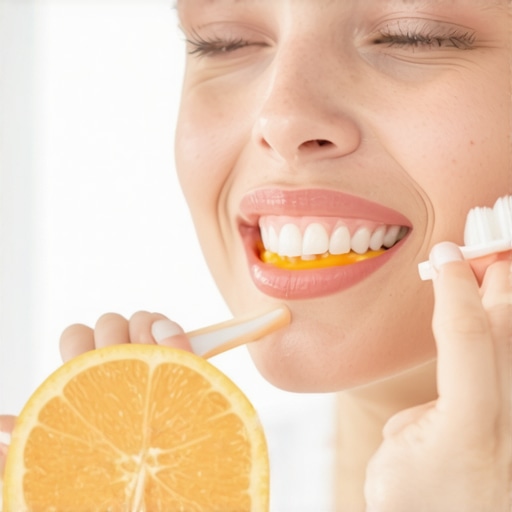
It was a morning just like any other, until I took that first sip of orange juice and suddenly felt a sharp sting in my teeth. I had always brushed my teeth right after breakfast, but that day I realized something was wrong. A weird sensitivity, a little dull ache—like my smile had betrayed me. That lightbulb moment hit hard: I had been doing it all wrong.
The Hidden Danger of Immediate Brushing After Citrus
Many of us don’t give a second thought to brushing right after eating, especially with the quick rush of busy mornings. But when citrus fruits like oranges, grapefruits, or lemons are involved, that immediate scrub can do more harm than good. Citrus is rich in acids that soften your enamel—the protective outer layer of your teeth. Brushing while these acids are still present can actually scrub away the weakened enamel, making your teeth more sensitive and prone to decay. Research shows that brushing immediately after consuming acidic foods can lead to increased enamel erosion, which is a key factor in tooth sensitivity and cavities.
Have you ever felt that burning or tingling sensation after enjoying citrus and then brushing? You’re not alone, and it’s a common mistake I see many people make.
Timing Your Brushing for Maximum Protection
Immediately brushing after consuming citrus can harm your enamel because acids soften your teeth’s protective layer. Instead, wait at least 30 minutes to allow saliva to neutralize acids. During this time, sip plain water to rinse away residue and stimulate saliva production. I once forgot this tip during a busy morning, brushed right after an orange, and ended up with heightened sensitivity for days. Since then, I make it a habit to rinse and wait.
Select the Right Oral Hygiene Tools
Use a soft-bristled toothbrush and fluoride toothpaste to gently clean teeth without abrasive damage. Electric toothbrushes with pressure sensors ensure you don’t brush too hard. I personally upgraded my brush and noticed less gum irritation and preserved enamel. Regularly replacing toothbrush heads every three months maintains cleaning efficacy and prevents bacterial buildup.
Incorporate Enamel-Reinforcing Practices
Integrate products containing fluoride or calcium phosphate to strengthen enamel. Consider mouth rinses designed for acid wear protection, especially if citrus is a staple in your diet. I began using a fluoride rinse twice daily and saw a reduction in sensitivity. Additionally, avoid acidic snacks before bedtime, as they can linger and increase erosion risks overnight.
Schedule Professional Cleanings and Check-Ups
Visit your dentist regularly for thorough cleaning and evaluation. They can apply sealants or fluoride treatments that act as a barrier against acid attacks. During my last visit, my dentist applied a fluoride varnish, boosting my enamel’s resistance. Don’t wait until sensitivity worsens; routine check-ups can catch early signs of enamel erosion.
Monitor Your Eating Habits and Dietary Choices
Be mindful of consuming acidic foods and drinks. Use a straw for citrus juices to minimize contact with teeth. After enjoying a citrus snack, rinse your mouth with water and wait before brushing. I found that reducing the frequency of citrus intake and combining it with calcium-rich foods supports oral health. Remember, moderation is key to maintaining a resilient smile.
Consider Restorative Solutions for Weakened Teeth
If enamel erosion has progressed, consult a professional about crowns or bonding options to protect vulnerable teeth. Crowns, like those explained here, can restore function and aesthetics when decay or erosion is significant, helping you regain confidence in your smile. For more details on restorative options, visit this guide on dental crowns.
Many patients assume they know the basics of dental care, but even seasoned individuals often fall prey to nuanced misconceptions that can compromise their oral health. Contrary to popular belief, scheduling semiannual cleanings alone isn’t enough; the quality of daily routines and overlooked practices play a crucial role in long-term dental success. For example, many think that using any toothbrush is sufficient, but the type of brush—particularly soft-bristled and electric models with pressure sensors—makes a significant difference in preventing gum recession and enamel wear.
Are Softer Brushes Always Better for Your Gums?
While soft-bristled brushes are universally recommended, some believe that brushing harder cleans better. This is a misconception; applying excessive force can damage gums and wear down enamel. The key is gentle, thorough cleaning—something that electric brushes with built-in pressure controls can facilitate, as discussed in [this comprehensive guide](https://periodontistcare.com/why-soft-bristled-brushes-are-the-only-ones-that-should-touch-your-gums).
Another common myth revolves around crowns and their maintenance. Many patients think that once a crown is placed, it requires no additional attention. However, neglecting proper cleaning and follow-up can lead to decay beneath the crown, compromised aesthetics, and even failure of the restoration. Visiting your dentist regularly and understanding [how crowns can transform your confidence](https://periodontistcare.com/how-crowns-can-transform-your-dental-confidence) is vital for longevity.
Why Do Some People Underestimate the Impact of Oral Hygiene Routine Nuances?
It’s easy to overlook subtle habits, such as oral rinses, flossing techniques, or the timing of brushing after acidic foods. For instance, brushing immediately after citrus consumption can erode enamel faster if you don’t wait at least 30 minutes for saliva to neutralize acids. Incorporating enzymatic mouth rinses or calcium phosphate products can reinforce enamel, but many skip these options, unaware of their benefits. According to research published in the *Journal of Dental Research*, these supplementary practices can significantly reduce the risk of decay and sensitivity if integrated properly.
Overlooking the importance of professional cleanings and assessments is another pitfall. Routine cleaning isn’t just about removing plaque; it’s an opportunity to detect early signs of issues like micro-leaks under crowns or gum recession. Regular visits ensure that advanced problems are caught before they escalate, highlighting the importance of a comprehensive [family dentistry focus](https://periodontistcare.com/family-dentistry-focus-building-a-lifetime-of-healthy-smiles).
In summary, countless individuals get caught in the trap of believing that basic routines are enough. The truth is, paying attention to the nuances—such as brush type, timing post-acidic foods, and professional evaluations—can make a substantial difference. Do you know if your current habits are aligned with the latest expert insights? Take a moment to review your routine, and don’t hesitate to seek professional guidance to optimize your dental health. Have you ever fallen into this trap? Let me know in the comments.Maintaining your oral health long-term requires more than just regular flossing and brushing; it involves leveraging the right tools and adopting effective routines. I personally swear by electric toothbrushes with pressure sensors, such as the Philips Sonicare ProtectiveClean, because they ensure gentle yet comprehensive cleaning, reducing gum recession and enamel wear. These devices automatically stop pulsating if you apply excessive force, empowering me to clean effectively without damaging my gums. Additionally, I incorporate interdental brushes like TePe’s small-sized options to reach tight spaces between teeth where traditional floss may miss, ensuring deeper plaque removal and reducing decay risk over time.
Regular professional cleanings are essential, but the tools used during these visits can influence the longevity of your restorations and natural teeth. I suggest discussing with your dentist the application of fluoride varnishes or sealants that reinforce enamel, especially if you consume acidic foods frequently. These treatments form a protective barrier, making your teeth more resilient against acid attacks, as highlighted in [this expert guide](https://periodontistcare.com/maintaining-your-dental-crowns-dos-and-donts-for-best-results).
Looking ahead, advancements in bio-ceramic restorations and laser-assisted cleaning techniques promise even better protection and ease of maintenance. These innovations are improving patient outcomes by enabling less invasive procedures with more durable results. So, I recommend experimenting with an electric toothbrush equipped with smart features—you’ll be surprised at how much easier consistent cleaning becomes. Keep your tools updated and your routine deliberate to maximize long-term results. For personalized advice on maintaining your crowns or general oral health, don’t hesitate to visit our [contact page](https://periodontistcare.com/contact-us).
Over the years, I’ve learned that maintaining a healthy smile is an ongoing journey packed with nuances many overlook. The most profound lessons often come from unexpected realizations, like understanding how the timing of your brushing routine can dramatically impact your enamel’s longevity. Small adjustments, such as waiting 30 minutes after consuming citrus, can preserve your teeth’s natural resilience. This insight transformed my approach and prevented unnecessary sensitivity. Another revelation was the importance of selecting tools that fit your unique needs—soft-bristled electric brushes with pressure sensors have become game changers in gentle yet effective cleaning. Embracing fluoride and calcium-rich products has also fortified my enamel, making my teeth more resistant to acids. Moreover, consistent professional check-ups serve as an invaluable safety net, catching issues early before they escalate. Remember, even minor habits in your diet and daily routine hold significant sway over your oral health in the long run. Never underestimate the power of education and proactive care in sculpting your smile’s future. If you’re curious about how these small but impactful habits can transform your dental routine, exploring expert resources can provide further clarity and motivation.