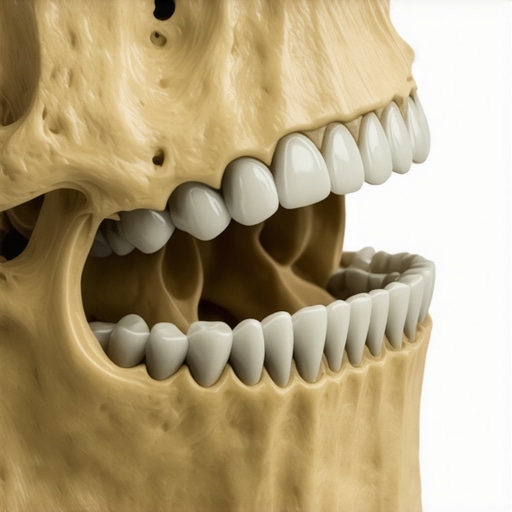
Ever had a moment where you’re enjoying a meal, and suddenly your jaw makes that annoying clicking sound? It’s not just embarrassing—it can be downright uncomfortable. I remember the first time I noticed it during a family dinner. I was biting into a crisp apple, and out of nowhere, that unmistakable click echoed in my jaw. For days, I dismissed it as a minor annoyance, but soon I realized it was more persistent than I thought. That lightbulb moment made me realize: this isn’t normal—and it’s something worth paying attention to.
Understanding Why Your Jaw Clicking Is More Than Just a Nuisance
Many folks brush off jaw clicking as harmless or just part of aging. But let me tell you—it’s often a sign that something isn’t quite right with your temporomandibular joint (TMJ), which connects your jaw to your skull. If ignored, it can lead to discomfort or even more serious issues down the line. Early on, I made the mistake of thinking it would go away on its own, only to find that the clicking worsened and affected my ability to chew comfortably. That’s when I started digging into what causes it and, more importantly, how to fix it.
Is Jaw Clicking Actually Something to Worry About?
Honestly, I get skepticism when I talk about this. Many people believe it’s just a normal part of aging or occasional stress. But persistent clicking can be a red flag for TMJ disorders or misaligned bites. Research shows that untreated TMJ issues can even impact your overall oral health, leading to teeth wear or headaches. The key is catching it early—just like I did—before it evolves into chronic pain or dental damage.
One mistake I made early on was neglecting proper oral habits, like ignoring the importance of balanced jaw movements and avoiding stress-related habits such as teeth grinding. I neglected to visit a professional, which could have given me targeted relief sooner. If you’re facing a similar problem, don’t wait until it becomes something more serious. Instead, consider consulting with a family dentist or specialist who understands TMJ health. You might find helpful tips on how crowns can help fix bite issues. Now, let’s look at simple steps to begin addressing this unwelcome clicking and reclaim your comfort during meals.
Step Into a Consistent Oral Care Routine
My journey started with realizing that neglecting regular brushing and flossing was a mistake. I dedicated myself to brushing twice daily and flossing every night, which helped reduce plaque buildup that could worsen TMJ issues. Think of it like cleaning a greasy pan: the more you scrub, the less residue remains, preventing problems from escalating.
Incorporate Targeted Teeth Cleaning Practices
Next, I adopted effective home practices by using interdental brushes and fluoride rinses, which are like precision tools for maintaining hard-to-reach spots. Regular use of these tools can prevent tartar accumulation around crowns and natural teeth. For detailed techniques, review these teeth cleaning secrets.
Schedule Professional Dental Cleanings
After a few months, I booked a professional cleaning with my dentist. Think of this like servicing your car—over time, stubborn deposits form that home cleaning can’t remove. During the appointment, the hygienist used ultrasonic scalers to gently remove plaque and tartar, especially around my crowns. This process is crucial because residual buildup can contribute to TMJ discomfort and clicking. Remember, regular visits are vital; I scheduled mine every six months, aligning with recommended dental visits.
Maintain and Protect Your Crowns and Restorations
Since I have crowns, I learned to care for them with specific products and routines. Using proper crown maintenance prevents them from chipping or loosening, which could worsen my jaw issues. I avoided abrasive toothpaste and used the right toothbrush—soft-bristled—to prevent damage.
Strengthen Your Daily Oral Habits
Regularly performing oral health routines, like tongue scraping and gentle gum massage, can reduce inflammation and alleviate jaw tension. I added these steps based on insights from daily strengthening practices. Consistency turned out to be key—just like training a muscle: the more you work it, the stronger it gets.
Practice Stress Management to Reduce Bruxism
Stress often triggers jaw clenching and teeth grinding, worsening clicking sounds. I started practicing mindfulness and breathing exercises, which are akin to giving my jaw a break after a stressful day. Using techniques like gentle jaw stretches or applying warm compresses helped relax the muscles, reducing tension that contributes to TMJ symptoms.
Monitor Your Symptoms and Adjust Accordingly
Lastly, I stayed vigilant about my symptoms. If clicking worsened or I experienced pain, I consulted my dentist promptly. Keeping track of these changes is like tuning a musical instrument—small adjustments can make a significant difference in harmony.
Illustration showing proper oral hygiene techniques, including brushing, flossing, and crown care.
When it comes to dental crowns and family dentistry, many people harbor misconceptions that can lead to costly mistakes. One prevailing myth is that crowns are a permanent fix that requires no special maintenance. In reality, without proper care, crowns can chip, loosen, or even cause further decay if not maintained correctly. Regularly referencing resources like crown maintenance tips, can help extend their lifespan and preserve your oral health.
Another misconception is that once you have a crown or veneer, your natural teeth no longer need diligent cleaning. However, neglecting thorough oral hygiene can lead to gum disease around the restoration, jeopardizing your entire smile. Using effective home practices, as outlined in family-level teeth cleaning tips, can prevent such issues.
Advanced patients often ask if teeth whitening procedures affect crowns. While some crowns can stain or discolor differently, modern ceramic crowns are resistant to staining, but it’s crucial to understand their properties before any whitening treatment. Consulting your dentist about how crowns respond to whitening ensures you avoid surprises.
Delving deeper, a common pitfall is believing that professional cleanings are only necessary when there’s visible plaque or decay. In fact, regular professional cleanings are vital for maintaining hygiene around crowns and preventing hidden bacteria buildup that can cause inflammation or even crown failure.
From an expert perspective, many underestimate the importance of individualized oral health routines tailored to restorations and family dental needs. For example, using products designed specifically for crowns can make a significant difference in long-term success.
Overlooking the significance of proper tools is another sneaky mistake. For instance, using a hard-bristled toothbrush may seem effective but can actually damage crowns and gums. Opting for soft-bristled options and gentle techniques, as advised in recommended oral hygiene practices, preserves your investments in dental restorations.
In the end, aligning your practices with professional guidelines and understanding the nuances can save you from unnecessary repairs or discomfort. Have you ever fallen into this trap? Let me know in the comments.
How do I maintain my crowns and dental restorations over time?
Proper maintenance of crowns and restorations isn’t just about daily brushing—it’s about using the right tools and methods to ensure longevity. I personally swear by an ultra-soft manual toothbrush combined with an electric interdental cleaner that gently reaches between teeth. The electric cleaner provides consistent, targeted strokes that reduce plaque buildup around crowns without risking damage, especially crucial as crowns can be more vulnerable to abrasive wear. Additionally, employing water flossers, like the Waterpik, has revolutionized my routine; it efficiently removes debris around restorations where traditional floss sometimes misses. It’s essential to follow your dentist’s advice but supplement it with these tools for optimal results.
The importance of professional check-ups and specialized cleaning techniques
Regular professional cleanings are key. I schedule mine every six months, focusing on deep cleanings that remove tartar and bacteria lurking beneath the gumline. During these visits, I request ultrasonic scaling, which is effective in clearing deposits around crowns and bridges without harming the actual restorations. This technique, supported by research in professional dental cleaning protocols, ensures that my restorations stay secure and functional.
Investing in technology for long-term results
Modern tools like laser-assisted cleaning assist in maintaining gum health around crowns, reducing inflammation, and preventing recession. I’ve incorporated laser treatments into my routine after consulting with specialists via their expert advice. These advanced techniques decrease the risk of damaging the crown material and help spot potential issues early. The trend is moving toward minimally invasive procedures that prolong the life of restorations—it’s not just about fixing problems but maintaining them proactively.
Future of dental maintenance and personalized care
The future is heading toward smart dental devices that monitor plaque accumulation and alert you when it’s time for a check-up. I predict that with developments in AI and IoT, we’ll have toothbrushes linked directly to your dental provider, sending real-time data for personalized advice. To stay ahead, I recommend trying high-tech dental tools like sonic toothbrushes with app integration. They provide superior cleaning power while tracking your habits, ensuring your crowns and restorations stay in excellent condition for years to come.
Once you’ve adopted these advanced tools and techniques, you’ll notice longer-lasting results and fewer visits for repairs. For tailored advice, don’t hesitate to reach out to your dental professional. Regular assessments combined with cutting-edge tools can truly make a difference in maintaining your oral health and dental investments for the future.
The Hardest Lesson I Learned About Crowns and Oral Care
One of the most eye-opening experiences was realizing that even the best crowns need diligent care. I once thought that a crown was a set-it-and-forget-it solution, but neglecting routine cleaning and checkups led to unexpected issues. That lightbulb moment taught me that restorations are an investment requiring ongoing attention, just like natural teeth.
How I Discovered the Power of Personalized Dental Routines
After struggling with recurring discomfort, I started working closely with my family dentist to create a tailored maintenance plan. Incorporating tools like soft-bristled brushes and interdental cleaners made a significant difference. This experience underscored that a one-size-fits-all approach doesn’t cut it—personalized routines are key to longevity and oral health.
The Myth That Could Cost You Your Smile
I used to believe that professional cleanings were only necessary when visible plaque was present. Turning that misconception around saved me from costly repairs. Regular deep cleanings, especially around crowns and restorations, are crucial. Investing in consistent professional care is an act of self-respect that pays off in confidence and health.
My Miraculous Turnaround with Modern Tools and Expert Advice
Adopting advanced cleaning devices like sonic toothbrushes and laser-assisted therapies, guided by my dentist’s recommendations, transformed my oral health. These innovations highlighted that embracing technology and expertise can dramatically extend the lifespan of crowns and restorations. It’s empowering to know that proactive care now can prevent problems before they start.
Real Talk: Why Your Family Dentistry Routine Matters More Than You Think
Lastly, I learned that ongoing education and staying informed about best practices—like referencing trusted resources—are the backbone of lasting oral wellness. Your routine isn’t just about shiny teeth; it’s about sustaining your entire smile for years to come. Celebrate small victories in your daily habits, and remember: your dental health is a lifelong journey, not a one-time fix.