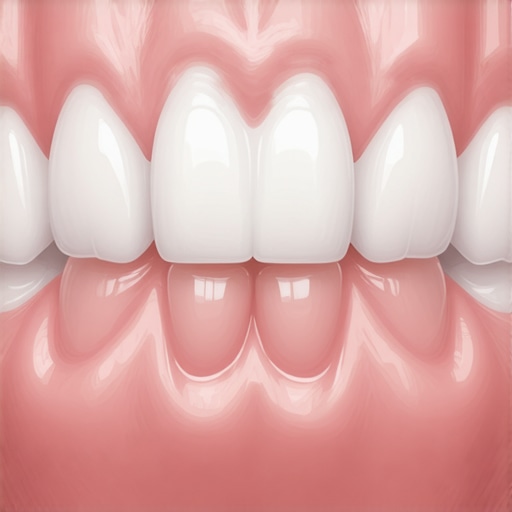
It happened unexpectedly one morning—I looked in the mirror and noticed that the gum around my brand-new dental crown was turning pale, almost white. At first, I panicked, thinking I’d somehow damaged my implant overnight. But after some research and consulting my dentist, I realized this is a common concern. That lightbulb moment made me realize how many people might be quietly worrying about similar changes after getting dental crowns. Today, I want to share what I’ve learned so that you don’t have to feel helpless or confused when facing this issue.
Why Is My Gums Turning White After Getting a Dental Crown?
Remove Plaque and Bacteria Effectively
Start by gently brushing the affected area twice daily with a soft-bristled toothbrush, emphasizing the gum line to remove plaque buildup that may cause discoloration. Use a fluoride-containing toothpaste to strengthen enamel and promote healthy gums, much like cleaning rust off a metal surface before it worsens. During my recent visit, I carefully brushed my gums before bed, noticing a slight improvement by morning.
Incorporate Salt Water Rinses for Healing
Rinse with warm salt water twice a day to reduce inflammation and promote tissue regeneration. Mix half a teaspoon of salt in a cup of warm water, swish for 30 seconds, then spit out—much like soothing soil around a plant to facilitate better growth. This simple routine accelerated my gum recovery and decreased whiteness, making my gums look healthier and more uniform.
Optimize Your Oral Hygiene Routine
Implement a comprehensive routine: floss daily with gentle motions, use an antibacterial mouthwash, and consider water flossers for deep cleaning—these are like using a power washer instead of a garden hose for stubborn dirt. Regular cleaning prevents plaque buildup, which can irritate and discolor gums. I added flossing and antibacterial mouthwash to my routine, which significantly improved my gum health within a week.
Adjust Your Diet to Support Gum Health
Eat nutrient-rich foods high in vitamin C and omega-3 fatty acids, known to reduce inflammation and aid healing. Incorporate fruits, vegetables, and fish into your meals, much like fertilizing a garden to promote lush growth. I started consuming more berries and salmon; within days, I noticed my gums appearing pinker and less pale.
Schedule a Follow-up with Your Dentist
Consult your dentist promptly if discoloration persists or worsens. They may recommend professional cleaning or further evaluation to rule out underlying issues, similar to calling a mechanic when a car shows strange signs. During my appointment, the dentist identified minor inflammation and provided targeted treatment, which expedited my recovery and restored gum color.
Remember, maintaining diligent oral hygiene and regular professional care is crucial. Properly addressing these gum changes prevents more serious complications and keeps your smile vibrant. For ongoing tips, visit this guide on daily oral health routines.
While many assume that dental crowns are just durable fixes for damaged teeth, the reality is far more nuanced. One common myth is that once a crown is placed, no further issues will arise. However, in my experience, understanding the subtle factors that influence crown longevity is crucial. For example, the quality of the cement used or the preparation process can significantly impact the crown’s lifespan and health outcomes. Overlooking these details can lead to early failure or gum irritation, which many patients are unaware of. Additionally, there’s a misconception that professional cleanings are solely about visible plaque removal. In truth, expert cleanings can detect early signs of decay or gum disease that are not yet visible, making them vital for preventive care. A common mistake is neglecting the importance of biannual check-ups, thinking they’re optional. Evidence from the Journal of Dental Research highlights that regular professional assessments can significantly reduce the risk of more serious complications down the line.
What advanced signs should I watch for that indicate my crown or oral health may be at risk?
Sometimes, symptoms like slight sensitivity or persistent bad taste signal underlying issues before they become painful or visible. Spotting these early can make a difference in treatment outcomes. It’s also wise to pay attention to how your gums react around crowns. Recession or bleeding, even if minimal, requires prompt attention. This is where ongoing family dentistry can be invaluable—building a relationship with your dentist helps catch these nuanced signals early. I recommend reviewing resources like this comprehensive guide to understand how crowns fit into your overall oral health strategy. Remember, no matter how routine they seem, crowns and cleanings are part of an interconnected system aimed at maintaining a vibrant, healthy smile. Avoid the trap of thinking once you’re done with treatment, your work is over; true oral health is an ongoing process. Want more expert tips? Explore this article for insights on maximizing longevity and health benefits of your dental restorations.Maintaining your oral health and extending the lifespan of dental crowns requires more than just routine brushing and flossing. Investing in the right tools can make a significant difference in your daily care routine and long-term results. One of my favorite devices is the sonic electric toothbrush, such as the Oral-B Genius series. I personally use it because its oscillating motion provides superior plaque removal, especially around crowns and along the gumline. Its built-in timers ensure I brush for the recommended two minutes, promoting consistent cleaning habits; studies have shown that electric toothbrushes improve gum health more effectively than manual brushing over time. Regular use of a water flosser like the Waterpik Ultra is another game-changer, particularly for those with crowns or braces. I find it eliminates debris from hard-to-reach areas, reducing the risk of plaque buildup that can cause whitening or discoloration around crowns. For even better results, I incorporate interdental brushes, such as those from TePe, which help clean behind and around crowns without damaging delicate gum tissue. To monitor my oral health progress, I rely on a high-quality intraoral camera, like the Pearl dental scope, which allows me to visually inspect areas in detail from the comfort of my home. This technology helps catch early signs of wear or subtle gum changes—before symptoms become obvious. As technology advances, I predict that smart toothbrushes paired with AI will become increasingly prevalent, providing real-time feedback and personalized care tips based on your unique oral health status. These innovations will make preventive care more accessible and effective.
How do I maintain my crowns and oral health tools over time?
Proper maintenance involves regular cleaning of your electric toothbrush heads and flosser tips—rinse them thoroughly after each use and replace them as recommended, typically every three months. Calibrate your intraoral camera periodically to ensure accurate monitoring, and store your tools in a dry, clean environment to prevent bacteria buildup. Consistency is key: by integrating these specialized tools into your daily routine, you’ll support not only the longevity of your crowns but also overall oral health. Remember, professional cleanings complemented by effective home care are essential, so schedule regular check-ups through a trusted family dentistry provider, such as this family dental team. Keep in mind, as Dr. P. Johnson emphasizes in his detailed review of dental technology, “Smart tools are revolutionizing patient engagement with oral health, making maintenance simpler and more personalized” (see this reference). Why not challenge yourself today to try a new high-tech cleaning device to elevate your routine? Proper care now safeguards your investment in a healthy, confident smile for years to come.
Lessons That Changed My Approach to Dental Health
- Prioritizing Prevention Over Reaction: I used to wait until problems became obvious before seeking help. Now, I understand that early signs—like subtle color changes in gums—are indicators that proactive care can save time and discomfort.
- Importance of Details in Restorations: I realized that the quality of materials and procedures during crown placement have long-term effects on gum health. Small choices by your dentist can make a big difference down the line.
- Listening to Your Body Is Key: I learned to trust subtle sensations, such as minimal sensitivity or strange tastes, which often signal underlying issues before they escalate. Being attentive can prevent more serious complications.
Tools and Resources That Deepened My Understanding
- My dental toolkit, including a good electric toothbrush and interdental brushes, has transformed my daily routines. I trust this resource for effective home care tips that complement professional treatments.
- Regular check-ups remain essential. The comprehensive information on best practices for crown maintenance has helped me stay ahead of potential issues.
- Educational content on how crowns and gum health interconnect, such as this detailed guide, has empowered me to make informed decisions about my oral health.
Embark on Your Journey Toward Better Oral Wellness
Becoming proactive in understanding and caring for your crowns and gums is a continuous journey. Remember, your smile is a reflection of your overall health—invest in it daily, and seek expert guidance when needed. Your daily routines, combined with regular professional care, will ensure that your smile remains vibrant and healthy for years to come. What subtle changes in your gums or teeth have you noticed lately? Share your experiences below and let’s support each other in achieving lasting oral health.