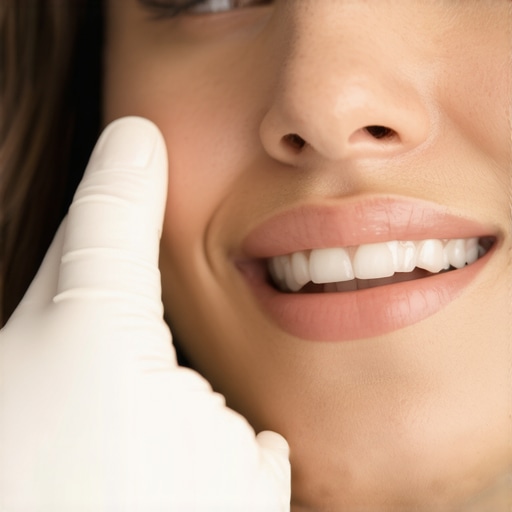
Ever experienced that sudden jolt of pain when sipping something cold or hot right after getting a dental crown? I remember the first time I noticed my teeth tingling and throbbing, thinking I had made a mistake or maybe needed another dental appointment. That lightbulb moment made me realize—sensitivity after a crown isn’t just common; it can be managed effectively with the right approach.
Why Sensitivity Happens and Why It Matters
Sensitivity after a crown isn’t just an annoying side effect—it’s your body’s way of signaling that something’s not quite right. When a dental crown is placed, it sometimes causes temporary nerve irritation or exposes tiny dentinal tubules, leading to heightened sensitivity. Although it’s often temporary, ignoring it can lead to discomfort lasting longer than necessary or even more serious issues down the line.
Understanding how to manage this sensitivity is crucial, especially since it can interfere with your daily routine—hot coffee, cold drinks, even breathing in cold air can become a source of discomfort. Proper care not only alleviates pain but also ensures your crown functions flawlessly for years. I promise, there are simple, practical steps I’ve learned along the way that can transform your experience.
Have You Faced This Problem?
If you’ve recently received a crown and are grappling with tooth sensitivity, you’re not alone. Many people underestimate how manageable this discomfort can be with a few adjustments and the right information.
Early in my own journey, I made a key mistake—using abrasive toothpaste that worsened the sensitivity. It’s a common trap! For more reliable advice, I recommend checking out expert tips on crowns and teeth cleaning. These insights helped me adapt my routine and preserve my crown’s longevity while keeping discomfort at bay.
Next, I’ll walk you through specific strategies to soothe your nerves and keep your mouth healthy. Because surviving the initial sensitivity phase is achievable—and well worth the effort.
Master Your Oral Routine for Faster Relief
Start by switching to a soft-bristled toothbrush—imagine brushing like you’re petting a delicate kitten, gentle but effective. I once used a medium toothbrush after my crown placement, which worsened my sensitivity. That’s when I changed to soft bristles and noticed improvement within days. Use gentle, circular motions to avoid irritating the nerve endings further.
Choose the Right Dental Products
Opt for toothpaste formulated for sensitive teeth—these contain ingredients like potassium nitrate that block nerve signals. I experimented with several brands before finding one that reduced my discomfort. Remember, abrasive toothpastes can scratch your crown’s surface and exacerbate sensitivity, so check labels carefully.
Adjust Your Eating and Drinking Habits
Limit exposure to extreme temperatures; avoid hot coffee or icy ice cream immediately. I found that drinking lukewarm water was much more comfortable during this period. Chewing on soft foods and cutting larger bites can prevent unnecessary pressure on the crown. This is especially crucial during the initial healing phase, as the nerve is still recovering.
Utilize Desensitizing Agents
Applying a desensitizing gel or fluoride varnish recommended by your dentist creates a protective barrier around the crown. I applied a small amount after each brushing, which significantly decreased my discomfort. Consult your dental provider before use to ensure the product suits your situation.
Explore Gentle Remedial Techniques
Warm saltwater rinses can soothe irritated tissues—mix half a teaspoon of salt in eight ounces of warm water. I did this twice daily, noticing a calming effect on my gums and nerves. Avoid using alcohol-based mouthwashes, as they can dry out tissues and worsen sensitivity.
Seek Professional Advice Promptly
If sensitivity persists beyond a few days or worsens, contact your dentist—don’t wait until discomfort becomes unbearable. I learned this the hard way when I ignored persistent pain, which later revealed a minor nerve inflammation that needed professional intervention. Regular check-ups and following your dentist’s guidance are key to maintaining long-term crown health.
Incorporating these actionable steps provides immediate relief while supporting your oral health. Remember, patience paired with proper care accelerates the healing process, turning a sensitive situation into a manageable one.
Many people believe that regular brushing and flossing alone guarantee perfect dental health, but in my experience, this overlooks nuanced factors that can make or break your oral wellness. For instance, the myth that deeper cleaning isn’t necessary if you brush daily is widespread, yet professional teeth cleaning goes beyond surface plaque removal to target hidden deposits that home routines can’t reach. If you’re unsure, check out the importance of professional cleanings for overall oral health. An often-overlooked advanced mistake is ignoring the importance of proper crown maintenance; many mistakenly think a crown is a set-it-and-forget-it solution, but improper care accelerates wear and potential micro-leaks, leading to sensitivity or decay underneath. The misconception that crowns last forever is only partially true; studies show that with proper maintenance, crowns can last over a decade, but neglect shortens their lifespan considerably (see tips for longevity). Curious about subtler aspects? Think that all dental crowns are alike—yet, materials like zirconia outperform traditional porcelain in resistance to chipping and wear, especially for back molars where forces are greatest. Knowing which crown material suits your lifestyle can extend your smile’s durability. Additionally, many assume that teeth whitening is universally safe; however, overuse, especially of peroxide-based products, can weaken enamel or cause sensitivity—a nuance addressed by expert advice on whitening safety. This highlights a crucial point: understanding the advanced intricacies of dental materials and procedures helps you avoid costly mistakes. For instance, some believe that DIY whitening kits are as effective as professional treatments, but studies reveal that improper use can damage enamel or lead to uneven results (safe whitening practices). Recognizing the differences among these misconceptions empowers you to make informed decisions and maintain a healthy, confident smile. Have you ever fallen into this trap? Let me know in the comments.
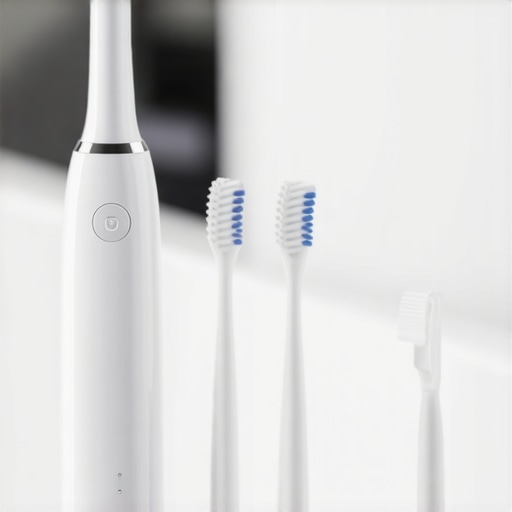
Maintaining the health of your crowns, ensuring thorough teeth cleaning, and keeping your family’s smile vibrant require more than just routine brushing. Investing in the right tools and adopting effective methods can significantly boost your oral health’s longevity. One of my go-to equipment choices is an ultrasonic toothbrush, which utilizes high-frequency vibrations to remove plaque more efficiently than manual brushes, especially around crowns and bridges where bacteria tend to hide. I personally use the Oral-B iO Series because it combines smart technology with gentle yet effective cleaning, helping me avoid micro-leakage issues that can compromise crowns over time.
What Equipment Keeps My Smile in Top Shape?
Beyond a quality electric toothbrush, I rely heavily on interdental brushes—small, fine brushes designed to clean between teeth and around crowns without damaging the enamel or the crown material itself. I prefer the Tepe Interdental Brushes because their slim design allows me to clean hard-to-reach spots without applying excessive pressure. Regular use of interdental brushes prevents plaque buildup that can lead to decay beneath crowns, which is often overlooked in daily home routines.
Another practical tool I’ve incorporated is a water flosser, such as the Waterpik Sonic-Fusion. It combines flossing and brushing, streamlining my routine and reaching areas that traditional floss can’t always access efficiently. As studies suggest, water flossers are especially excellent for maintenance around crowns and bridges, reducing the risk of inflammation or gum recession around these restorations. Consistent, gentle use of such tools can extend your crown’s lifespan significantly.
Is Your Family’s Dental Routine Future-Ready?
Looking ahead, digital tools are transforming family dentistry. Apps that monitor brushing habits, like BrushDJ, motivate kids (and adults!) to brush longer and more effectively. Similarly, some clinics now offer smart toothbrushes that sync with your mobile device, providing real-time feedback and personalized advice. I foresee these innovations becoming standard, making dental health more engaging and precise. Implementing these tools now can help you spot issues early, such as signs of crown wear or early cavities, leading to preventive care rather than expensive repairs later.
How do I Maintain Tools and Techniques over Time?
Keeping your tools in prime condition is essential. Regularly replace toothbrush heads, typically every three months, to prevent bacteria buildup. Clean interdental brushes by rinsing with hot water after each use, and store your water flosser in a dry, clean environment. Additionally, stay updated with new advancements in oral health technology—what’s cutting-edge today may be outdated tomorrow. Following reputable sources like expert advice on crowns and teeth cleaning can help you leverage the latest techniques for lasting results. I encourage you to try a professional-grade sonic toothbrush with smart features—it might just revolutionize your daily routine and ensure your crowns and natural teeth remain healthy for years to come.
The Unexpected Lessons That Transformed My Dental Journey
One of the most eye-opening lessons I learned was the importance of patience and consistent care. Early on, I expected my sensitivity to vanish overnight, but I discovered that it often requires a steady, gentle routine and a bit of time. Recognizing that my nerves needed time to recover prevented me from unnecessary worry and helped me stay committed to my oral health.
Another insight was the underestimated power of small daily habits. Using a soft-bristled toothbrush and desensitizing toothpaste became game-changers. These tiny adjustments compounded over days, leading to significant relief. It taught me that big improvements often stem from simple, consistent actions, especially in dental care.
I also realized that proactively seeking professional advice can save you from prolonged discomfort. When my sensitivity persisted, my dentist’s prompt intervention and tailored recommendations made all the difference. This experience reinforced that expert guidance is invaluable—don’t wait for discomfort to escalate before consulting your dentist.
Tools and Resources That Changed My Perspective
My go-to resource has been expert tips on crowns and teeth cleaning. Trusted and evidence-based, their advice helped me understand the nuances of crown maintenance and the importance of professional cleanings. Additionally, I integrated tools like the water flosser and interdental brushes, which enhanced my daily routine and kept plaque at bay in hard-to-reach areas. Books and credible online guides provided deeper insights into the science behind materials like zirconia, helping me make informed choices about my dental restorations.
Staying informed about innovations like smile makeovers with crowns or advances in sensitive teeth treatments empowered me to be proactive in my dental health journey.
Embrace the Future of Dental Wellness—Today
Taking charge of your dental health is a journey worth embracing. Small, mindful steps—like choosing the right toothpaste, investing in effective tools, and seeking professional advice—can lead to a lifetime of confident smiling. Remember, your proactive efforts now will pay dividends later, ensuring your crowns and natural teeth stay healthy and beautiful for years to come.
What has been the most surprising discovery in your dental routine? Share your story below and let’s learn together!