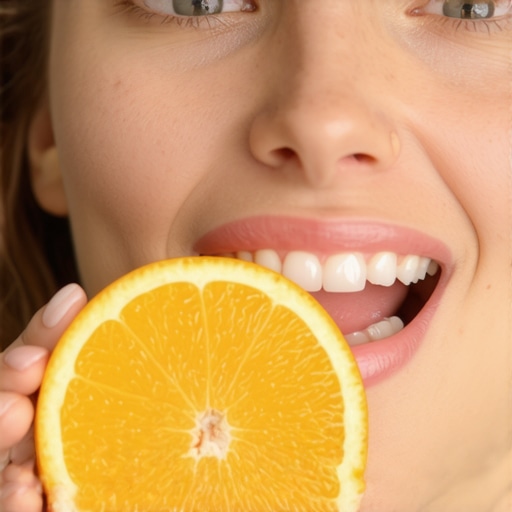
It was a morning like any other, and I had just unwrapped a juicy, tangy orange for breakfast. Eager to get rid of that slimy, sticky feeling on my teeth, I grabbed my toothbrush without a second thought—and instantly regretted it. My teeth felt more sensitive, and I sensed a strange, almost burning sensation. That lightbulb moment hit hard: I had made a classic mistake that many people do without realizing the consequences. Have you ever experienced that sharp twinge after brushing right after enjoying citrus? Well, you’re not alone, and today I’m here to help you avoid that annoying pain.
Understanding the Real Reason Behind Citrus and Sensitive Teeth
The problem begins with the acidity of citrus fruits like oranges, lemons, and grapefruits. These foods contain citric acid, which softens and temporarily erodes the enamel, the hard protective layer on your teeth. When you brush immediately after consuming such acidic foods, you essentially scrub away the softened enamel, leading to increased sensitivity and vulnerability to cavities. I learned this the hard way early in my dental journey, thinking I was being diligent about oral hygiene, only to realize I was doing more harm than good.
It’s important to recognize that enamel erosion isn’t just about tooth sensitivity; over time, it can lead to severe dental issues, including the weakening of crowns and restorations—like the ones described in caring for crowns. So, how do you protect your smile without sacrificing cleanliness?
In this post, I’m going to share practical tips rooted in research and my personal experience, guiding you through a simple, effective oral health routine. We’ll explore why timing matters and how to maintain a bright, sensitive-free smile in the long run.
Is Waiting to Brush Really Worth the Hype?
Many initially dismiss this advice, thinking it’s just a small detail. But trust me, overlooking this step can lead to increased dental sensitivity, stained teeth, and even early enamel wear. I used to neglect this rule, and the result was a spicy, uncomfortable feeling whenever I brushed after citrus fruits. It wasn’t until I adopted a simple waiting period that my teeth felt healthier, and my smiles brighter.
If you’re tired of that painful zing or worried about long-term enamel health, sticking to this tip could make a noticeable difference. Ready to learn exactly when and how to brush for optimal results? Let’s dive into the practical steps you can start implementing today.
Timing Your Brush for Maximum Benefits
After enjoying that zesty orange, give your teeth a break before brushing—wait at least 30 minutes. This pause allows saliva to neutralize acids and re-harden enamel, making your brushing more effective and gentle. I once hurried to brush immediately after an orange, only to feel that sharp sensitivity spike. Waiting made a difference, leaving my teeth feeling comfortable and protected.
Adopt a Gentle Brushing Technique
Use a soft-bristled toothbrush held at a 45-degree angle to your gums. Light, circular motions are key—avoid scrubbing which can wear down enamel, especially on softened surfaces post-acid exposure. I learned this when my gums felt tender after aggressive brushing; switching to gentle circles made my gums healthier and my teeth less sensitive.
Choose the Right Dental Products
Select a toothpaste formulated for sensitive teeth to help reinforce enamel. Consider a fluoride rinse to strengthen vulnerable areas. I personally switched to a sensitivity toothpaste after noticing discomfort, and over time, my sensitivity diminished. For comprehensive guidance tailored to veneers or crowns, reviewing caring for crowns can be beneficial.
Incorporate Proper Flossing Habits
Floss daily with gentle, careful motions, aiming to remove debris without damaging delicate gum tissues. Flossing not only prevents cavities but also keeps gums healthy—key if you have restorations. A messy flossing attempt once caused minor bleeding, but mastering gentle technique improved my gum health and reduced sensitivity.
Schedule Regular Dental Cleanings
Visit your dentist every 6 months for professional cleanings and check-ups. Regular cleanings remove stubborn plaque and tartar that brushing alone can miss, especially around crowns and bridges. I noticed my overall oral health improved significantly when I committed to these visits, observing fewer sensitivity episodes and healthier gums. For more on maintaining dental restorations, see dos and don’ts for crowns.
Be Mindful of Dietary Choices
Limit acidic foods and drinks, or rinse with water afterward to reduce enamel erosion. When I reduced citrus intake and rinsed afterward, I experienced less lingering sensitivity. Remember, combining proper timing with diet and gentle oral care builds a resilient, healthy smile that endures over time.
While many believe dental crowns are a quick fix for damaged teeth, there’s more beneath the surface that many overlook. For instance, a common misconception is that once a crown is placed, it requires minimal upkeep. In reality, neglecting proper care can lead to micro-leaks and eventual crown failure. Many assume that aggressive brushing benefits restorations, but the truth is, using a stiff toothbrush can damage the cement seal around crowns, increasing the risk of decay underneath. Additionally, there’s a widespread myth that professional cleanings are solely for tooth appearance. However, regular cleanings profoundly impact overall oral health by removing biofilm that can harden into tartar, which even good oral hygiene can’t eliminate, as detailed in [this comprehensive guide](https://periodontistcare.com/the-impact-of-regular-teeth-cleaning-on-overall-oral-wellness).
A nuanced mistake often made in family dentistry is underestimating the importance of individualized care. Each family member’s oral health needs differ, especially when dealing with restorations or orthodontics. For example, children with emerging permanent teeth require tailored cleaning techniques to prevent cavities and misalignment, not just adult routines. This is why understanding the difference between routine cleaning and targeted gum therapy is crucial, discussed thoroughly [here](https://periodontistcare.com/the-difference-between-a-standard-cleaning-and-a-gum-therapy-session).
Many people overlook the importance of maintaining a consistent home-care routine that complements professional treatments. Using the right tools—like soft-bristled brushes and interdental cleansers—can make a significant difference in preventing early wear of crowns and preserving natural tooth structure. As emphasized in expert advice on [effective home practices](https://periodontistcare.com/teeth-cleaning-secrets-effective-home-practices-for-family-dental-health), neglecting these details can set the stage for more invasive procedures down the line.
Now, for the advanced reader: Have you ever wondered why some restorations seem to last longer despite similar care? The answer lies in understanding material science and the technician’s skill during placement—factors often overlooked by patients. For instance, zirconia crowns are more resistant to chipping, but their longevity also depends on proper bonding and occlusion management, as explored in [this article](https://periodontistcare.com/why-zirconia-crowns-are-more-resistant-to-chipping-than-traditional-porcelain). Neglecting these subtleties can inadvertently accelerate wear or cause discomfort.
In the end, achieving optimal oral health isn’t just about brushing twice a day—it’s about understanding the hidden nuances that influence long-term success. Regularly reviewing your care routine and consulting with your dentist about these advanced factors can prevent costly issues and preserve your smile’s vitality. Think you might be missing some of these key points? Let me know in the comments. Can you spot any other common misconceptions about crowns and family dental care? Exploring these deeper layers helps us all make smarter choices for our oral health.Maintaining your dental health over time requires more than just regular brushing and flossing; it involves using the right tools and methods that support the longevity of restorations and overall oral wellness. One indispensable instrument I personally rely on is the **electric toothbrush with a timer and pressure sensor**. Unlike manual brushes, these devices ensure consistent, gentle cleaning, preventing over-brushing that can damage crowns or sensitive gums. I particularly recommend models like the **Oral-B Genius** series because their oscillating-rotating technology effectively disrupts plaque without excessive force, while the built-in timers encourage the two-minute rule that aligns with professional advice. Additionally, the pressure sensors alert me if I’m brushing too hard, which can lead to gum recession or wear on restorations. For family members, especially children, I opt for **kid-specific electric brushes** with animated timers, making routine brushing engaging and ensuring compliance with oral health standards.
When it comes to supplementary tools, **interdental brushes** and **water flossers** have revolutionized my approach to maintaining interdental spaces around crowns and braces. I prefer the **Waterpik** models because they deliver pulsating streams of water that dislodge debris more thoroughly than traditional floss, especially in hard-to-reach areas—this is crucial for avoiding micro-leaks beneath crowns, as discussed in this article. As for routine cleaning, I use **ultrasonic plaque removers** at home monthly, which vibrate at high frequencies to loosen calculus before professional cleanings—saving me time and enhancing the effectiveness of dental visits.
For software, tracking your oral health routine with apps like **MySmilePlan** or **Brush DJ** helps me stay disciplined and monitor progress, especially when managing multiple family members’ needs. These apps send reminders, log daily habits, and even prompt questions for discussions during dental visits, making long-term maintenance a team effort.
Looking ahead, I predict that **smart toothbrushes integrated with AI** will become commonplace, capable of analyzing brushing patterns, detecting issues like early cavities, and providing personalized advice remotely. This technology could dramatically improve preventive care, shifting focus from reactive treatments to proactive management.
### How do I keep my tools effective and my routine consistent?
Every few months, I replace toothbrush heads and interdental brushes to prevent bacterial buildup and maintain cleaning efficiency. Regularly sterilizing my tools with **UV sanitizers** further ensures hygiene and longevity. Additionally, I schedule my professional cleanings every six months without fail, which can be crucial in preventing micro-leaks around crowns and ensuring restorations stay secure, as emphasized in this guide. Incorporating these tools and habits has helped me preserve my smile’s health and aesthetics.
I urge you to try upgrading your brush to an electric model with built-in sensors and timers today. It might just be the small step that yields big results over years of dental wellness, especially if you have crowns or restorations. Remember, consistent use of effective tools coupled with professional care is the best strategy for keeping your teeth and restorations in optimal shape for the long haul.
The Hardest Lesson I Learned About crowns,teeth cleaning,oral health,family dentistry
One of the most profound realizations I had was that even the best restorative work like crowns can fail if I neglect proper maintenance. I once believed that a crown was a ‘set-it-and-forget-it’ solution, but I discovered that micro-leaks and decay often stem from overlooked home-care habits. That lightbulb moment made me appreciate daily routines and professional care equally.
3 Myths About crowns,teeth cleaning,oral health,family dentistry That Held Me Back
Early misconceptions included thinking that crowns didn’t require special attention or that professional cleanings weren’t necessary if I brushed regularly. Busting these myths revealed that tailored techniques and regular check-ups are crucial, especially for preserving crowns and overall family dental health.
What Experts Won’t Tell You About crowns,teeth cleaning,oral health,family dentistry
Some insights that professionals don’t always highlight include the importance of using gentle tools, understanding material science behind restorations, and customizing routines for each family member’s specific needs. Learning these nuances has empowered me to make informed decisions and avoid unnecessary repairs, as detailed in this resource.