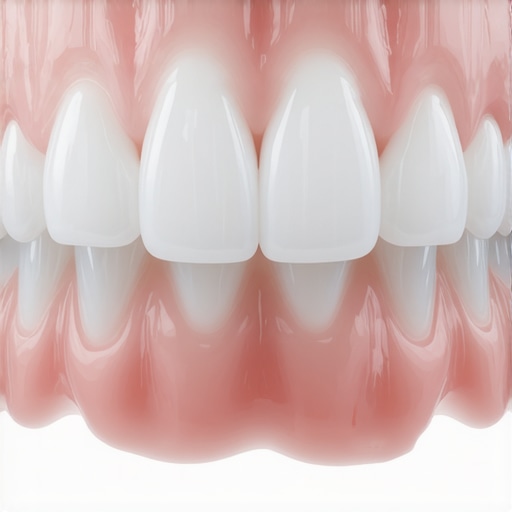
It happened to me during a morning mirror check—I’d noticed a strange, nearly see-through quality at the edges of my teeth. At first, I thought it was just the lighting or maybe a trick of my eyes, but the translucency persisted. That lightbulb moment made me realize: this isn’t just a cosmetic issue; it’s a sign that something more nuanced is going on with my dental health. If you’ve ever caught yourself examining your smile in the mirror and wondered why your teeth look so fragile or glassy at the bottom, you’re not alone. Many people experience this translucent appearance, especially around the edges, and it can be as unsettling as it is confusing.
So, why does this happen? And more importantly, what can you do about it? Today, we’re diving into the real reasons behind this common phenomenon and sharing practical, honest advice from someone who’s been through it. Spoiler alert: understanding the cause is the first step toward restoring your confidence and maintaining your oral health.
The Hidden Causes Behind Translucent Tooth Edges
Is Your Tooth Enamel Wearing Thin?
Enamel is the hard, protective outer layer of your teeth. Over time, factors like harsh brushing, acidic foods, or even teeth grinding can erode this outer shell, exposing the more translucent dentin beneath. I made a mistake early on—assuming gentle brushing was enough—only to realize I was unknowingly contributing to enamel wear. If you’re concerned about this, check out [how to maintain your dental crowns](https://periodontistcare.com/caring-for-crowns-essential-tips-for-longevity-and-shine), since crowns often mimic natural enamel and require special care.
Did you know that studies show enamel erosion can be accelerated by frequent consumption of acidic beverages? According to a reputable source, “Acidic foods and drinks can dissolve the mineral content of enamel, leading to increased translucency and sensitivity” (American Dental Association). Recognizing this is crucial because once the enamel is gone, it can’t be regenerated naturally.
Sunken Gums and Recession
Gum recession is another sneaky culprit. When gums pull away from your teeth, they expose the more translucent root areas, making your teeth appear longer or more fragile. I used to ignore minor gum bleeding, thinking it was no big deal, but it silently signaled the start of recession. Preventing or managing this condition is essential; learn more about how [family dentistry](https://periodontistcare.com/family-dentistry-focus-building-a-lifetime-of-healthy-smiles) can help. If recession becomes severe, it might even require professional treatment to protect your roots.
Understanding these underlying causes can be eye-opening. But knowing the reasons is just the beginning. Next, we’ll explore tried-and-true steps you can take to improve your smile’s health and appearance—because everyone deserves to feel confident about their teeth.
Strengthen Your Enamel with Proper Oral Hygiene Techniques
Start by brushing gently twice daily with a soft-bristled toothbrush. I once tried a vigorous scrubbing with a hard brush, leading to more enamel wear. Instead, I switched to soft brushes and learned to use circular motions, akin to polishing a delicate piece of jewelry, which preserved my enamel. Remember, overbrushing is like sanding down wood—it damages the surface. For targeted cleaning, use fluoride toothpaste, which helps remineralize weakened enamel, making your teeth less translucent over time.
Adjust Your Diet to Minimize Acidic Exposure
Cut back on citrus, soda, and sports drinks. Think of your enamel as glass—acidic drinks are like spilled vinegar, slowly etching away the surface. I began drinking water instead of soda and replaced citrus fruits with less acidic options like bananas. Drinking through a straw reduces contact with your teeth, acting like a shield that diverts damaging liquids. Incorporating dairy, like cheese and yogurt, supplies calcium and phosphates that aid remineralization, strengthening your enamel’s defense.
Practice Effective Teeth Cleaning at Home
Use dental floss daily to remove plaque between teeth. I used to neglect flossing, leading to plaque buildup that exacerbated translucency. When I started flossing carefully (like threading a needle), I noticed less buildup and healthier gums. Additionally, incorporate mouth rinses with fluoride or remineralizing agents. These create a protective layer on your teeth, similar to a sealant that blocks acid attacks and prevents further wear.
Address Gum Recession Immediately
If gums have receded, consult your dentist promptly. During my recession, I experienced increased translucency, but a professional cleaning and targeted treatments (like gum grafts) can halt progression. Regular professional cleanings—akin to servicing a car—remove tartar that brushing alone can’t handle, especially in hard-to-reach areas. Find out more about how [professional cleaning impacts your oral health](https://periodontistcare.com/the-impact-of-regular-teeth-cleaning-on-overall-oral-wellness) and supports enamel preservation.
Consider Restorative Options for Severe Damage
When enamel loss becomes significant, options like dental crowns can restore function and appearance. I opted for crowns after my enamel was severely worn—think of them as armored shells that protect the underlying tooth. Learning about [how crowns can transform your confidence](https://periodontistcare.com/how-crowns-can-transform-your-dental-confidence) helps you understand their role in safeguarding your teeth. Proper preparation, including thorough cleaning and shaping, ensures a snug fit that prevents further deterioration.
Maintain Regular Dental Check-Ups
Visit your dentist every six months for professional assessments. During my routine visits, the dentist used specialized tools to detect early signs of wear—much like a mechanic inspecting a vehicle before major issues arise. Early intervention can prevent minor problems from escalating into visible translucency or tooth damage. Professional applications of fluoride varnishes or sealants provide an extra shield against erosion and recession.
Stay Consistent and Patient with Your Efforts
Restoring your smile’s integrity won’t happen overnight. Like nurturing a plant, your efforts compound over time. I committed to daily practices and saw gradual improvement in my enamel’s appearance. Remember, combining home care with professional guidance offers the best results, so stay proactive and attentive to your oral health routine. For detailed routines, explore [oral health tips every family should follow](https://periodontistcare.com/oral-health-tips-every-family-should-follow-in-2025) to keep your teeth resilient.
Many people believe they understand dental crowns and proper oral hygiene, but in reality, misjudgments and myths can lead to advanced problems. For example, some think that once a crown is placed, no further maintenance is necessary, but experts advise consistent care to maximize its lifespan. Contrary to popular assumptions, aggressive brushing doesn’t clean better; it can actually damage your natural enamel and your crown’s surface, increasing translucency and sensitivity. I’ve seen cases where patients neglected professional cleanings, thinking daily flossing sufficed, only to discover tartar buildup caused decay beneath crowned teeth. Additionally, a common myth suggests that teeth whitening can be safely combined with crown use, but whitening agents don’t affect crowns, leading to mismatched shades over time. An advanced mistake many overlook is ignoring gum health; even healthy-looking crowns can suffer from underlying recession if gum disease persists—proper family dentistry focus makes a difference in prevention.
What is the real impact of neglecting maintenance routines on crown longevity and overall oral health?
Studies show that neglecting routine checkups and cleanings accelerates wear and decay, ultimately risking failure of restorations and natural teeth. The key is understanding that crowns, like natural teeth, thrive on meticulous hygiene and regular professional assessments—otherwise, hidden problems may escalate unnoticed, leading to costly repairs. Remember, effective home practices like gentle brushing and interdental cleaning, combined with professional guidance, can extend the life of your dental investments. Don’t fall into the trap of complacency; your smile deserves proactive attention. For strategies on maintaining your crowns and ensuring comprehensive oral health, explore [how crowns can transform your confidence](https://periodontistcare.com/how-crowns-can-transform-your-dental-confidence) and the importance of consistent [family dentistry habits](https://periodontistcare.com/family-dentistry-focus-building-a-lifetime-of-healthy-smiles). Stay vigilant, and your smile will reward you for years to come. Have you ever fallen into this trap? Let me know in the comments.When it comes to keeping your dental crowns and oral health in top shape, having the right tools and routines makes all the difference.
Invest in a High-Quality Electric Toothbrush
I personally swear by the Oral-B Genius series because it provides superior plaque removal with gentle yet effective bristles, ensuring your natural teeth and crowns are cleaned thoroughly without causing damage. Its built-in timers also prevent overbrushing, which can erode enamel over time. Remember, consistent use of a quality electric toothbrush can extend the lifespan of your crowns and preserve your smile’s brightness.
Use Floss Picks Designed for Crowns
Not all floss is created equal. I recommend floss picks with a stiff edge for cleaning beneath crowns, especially in hard-to-reach areas. They help dislodge plaque and prevent decay that could undermine your restorations. Paying attention to interdental cleaning is crucial, so choose a tool that fits comfortably between your teeth and around crowns. Proper flossing, combined with regular interdental brushes, can significantly reduce the risk of gum disease and peri-implantitis, which may threaten both natural teeth and crowns.
Incorporate a Remineralizing Mouth Rinse
A fluoride or hydroxyapatite-based mouth rinse repeatedly helps strengthen enamel and build resistance against acids. I have seen remarkable results with the Biotène Dry Mouth Oral Rinse, especially in individuals prone to dry mouth, which often accelerates enamel erosion. Using this daily helps maintain a healthy environment in your mouth, supporting the longevity of your crowns and natural teeth alike. And it’s straightforward to integrate into your routine—just swish after brushing and flossing.
Schedule Regular Professional Cleanings
No tool beats the experienced touch of your dental professional. I make it a point to visit the dentist every six months, where they can perform deep cleanings, professional polishing, and apply fluoride treatments as needed. These visits catch early signs of wear or gum recession that self-care might miss. Additionally, professional cleanings help remove tartar buildup around crowns, preventing decay underneath and around the edges. Regular checkups are preventive gold for both crowns and natural tooth integrity.
Plan for Future Trends: Smart Oral Health Devices
Looking ahead, I predict that integration of Bluetooth-enabled brushing and monitoring apps will become standard. These devices will provide real-time feedback on brushing techniques and even detect early signs of gum disease or demineralization. For now, I recommend using the tools I’ve listed above consistently, but keep an eye on emerging tech. As the American Dental Association notes, “Digital health tools are revolutionizing preventative care and patient engagement” (ADA). Don’t shy away from trying a smart toothbrush with app connectivity—your future self will thank you.
How do I maintain my crowns and oral health over time?
It’s vital to adopt an integrated approach: use the right tools daily, schedule regular professional cleanings, and stay informed about new innovations. Implementing these steps will help your crowns last longer and keep your smile healthy for years to come. For a comprehensive guide on maintaining your crown and maximizing its lifespan, explore [maintaining your dental crowns](https://periodontistcare.com/maintaining-your-dental-crowns-dos-and-donts-for-best-results). Embrace these habits today—your smile deserves it!
What I Wish Someone Told Me About Crowns and Family Dentistry
Transitioning to a life with dental crowns was a revelation—my biggest lesson was that even perfect restorations require consistent care, not just once-in-a-while checkups. I used to believe that crowns were ‘set and forget,’ but regular professional cleanings and attentive home routines are essential to prevent translucency and damage. I learned that neglecting minor gum issues can lead to recession, exposing the fragile roots and reversing my progress. These insights transformed my approach, making me realize that maintaining your oral health is an ongoing journey, not a one-time fix.
Seeing my smile shift from concern to confidence reaffirmed that education is power. The simple act of choosing the right tools, like a quality electric toothbrush and floss picks designed for crowns, made a significant difference. I discovered that understanding the ‘why’ behind professional advice empowers you to stay committed—whether it’s scheduling regular visits or adjusting diet habits to protect enamel. These lessons are my personal treasures, guiding me to a healthier smile every day.
Tools and Tips That Still Inspire My Routine
My go-to resources include trusted tools like the teeth cleaning techniques from experts, which remind me that gentle, consistent habits beat harsh scrubbing. I also rely on comprehensive guides like the maintenance tips for crowns to ensure longevity. For staying informed on latest trends, I follow reputable dental blogs and subscribe to updates from trusted dentistry professionals. These tools reinforce that ongoing education and smart choices are key to preserving your natural teeth and crowns alike.
Your Smile’s Future Starts Today
Every time I reflect on my dental journey, I feel inspired to encourage others to take proactive steps. Remember, your commitment to consistent care and informed decisions can prevent translucent edges, gum recession, and other common issues. Don’t wait for problems to appear—invest in your oral health now, and enjoy a confident, radiant smile for years ahead. The potential for lasting change is in your hands, and your future self will thank you for taking action today.
Have you ever struggled with maintaining your crowns or managing gum health? Share your experiences below and let’s support each other on the path to resilient, beautiful smiles.