
I remember the moment vividly—biting into my favorite crunchy apple only to feel a strange, unfamiliar sensation in my mouth. It wasn’t pain, but a weird sensitivity that made me second-guess every bite thereafter. That lightbulb moment made me realize how crucial the foods I choose after getting a new dental crown truly are. Without proper care, I was unknowingly risking my investment and my comfort.
Overcoming the Food Dilemma After Getting a Dental Crown
If you’ve recently received a dental crown, chances are you’ve thought about what to eat, worry about damage, or wonder if you’re doing everything right. Trust me, I’ve been there. It’s not just about chewing or tasting—your dietary choices directly influence the longevity of your crown and your overall oral health. The good news? You don’t have to feel restricted or confused anymore. Today, I’ll share the secrets I’ve learned from personal experience and expert advice to help you navigate this new phase with confidence.
Is This New Food Situation Really Worrying? The Truth You Need to Hear
Honestly, I made a common mistake early on—being too eager to rush back to normal eating habits, unknowingly putting my crown at risk. That impatience cost me a few uncomfortable days and extra visits to the dentist. It’s incredible how tiny choices, like sticking to soft foods initially, can make a huge difference. If you’ve felt unsure about what to eat or worried about damaging your crown, know that your cautious approach now will pay off. For more detailed guidelines on maintaining your crown, check out this expert article.
So, why does this matter so much right now? Because the foods you eat in these early days influence not just the lifespan of your crown but also your comfort and confidence. Think of it as laying a solid foundation for a beautiful, functional smile. Over the next sections, I’ll walk you through the best foods to enjoy and avoid, backed by real-world advice and science. Ready to restore your smile with less worry? Let’s dive into the practical tips that will keep you smiling confidently and comfortably after your dental crown.
.
Master Your Oral Hygiene Routine for Crown Longevity
Think of your dental crown as a delicate garden ornament—beautiful but vulnerable if not cared for properly. Regular and effective cleaning is essential. Start by choosing a soft-bristled toothbrush and a non-abrasive toothpaste to gently sweep away plaque without scratching your crown. I once tried a new, overly firm brush and ended up with minor gum irritation, reminding me why gentle tools matter. Make brushing a twice-daily habit, paying special attention to the gumline around your crown to prevent gum recession and decay.
Deepen Your Cleaning Skills for Lasting Results
Learn Effective Flossing Techniques
Flossing around a crown requires precision. Use a gentle sawing motion to slide floss beneath the gumline without snapping it. I remember fumbling at first, nearly tearing the floss, but with patience, I mastered a careful approach—turning flossing from a chore into a quick, effective ritual. For added protection, consider using interdental brushes or water flossers, which can reach tight spaces that traditional floss might miss. Regular flossing not only removes food particles but also helps prevent decay at the crown’s margins.
Incorporate Antimicrobial Rinses
Rinses with antibacterial properties help reduce bacteria that cause plaque and inflammation. I started using a hydrogen peroxide-based rinse after brushing, noticing fresher breath and healthier gums over time. Just be sure not to overuse and follow your dentist’s recommendations, as excessive rinsing can affect natural enamel and tissues. Incorporating this step into your routine boosts overall oral health and shields your crown from early decay.
Adjust Your Dietary Habits for Crown Preservation
Crucial to your success is avoiding foods that can damage or stain your crown. Think of hard candies, ice, or sticky caramel as tiny wrecking balls; they can chip or dislodge your restoration. I learned this the hard way when I bit into a chewy caramel, feeling a painful click that made me nervous. Stick to soft, non-sticky, and non-acidic foods—think mashed potatoes, yogurt, and cooked vegetables—especially during the initial healing phase. These choices minimize stress on your crown and support tissue healing.
Schedule and Prepare for Routine Checkups
Regular visits to your dentist act as a health check on your investment. A professional cleaning involves more than surface polishing—your dentist will examine your crown for microleaks, chips, or decay, and verify the bite’s alignment. I once went six months without seeing my dentist and ended up with a tiny crack I hadn’t noticed, leading to costly repairs. Prepare by noting any sensitivity or discomfort, and bring your questions. Consistent checkups maintain your crown’s integrity and catch issues early before they escalate.
Utilize Proper Oral Health Tools for Daily Care
Replace your toothbrush every three months, just like you refresh your tools for optimal performance. Consider electric toothbrushes with timers to ensure thorough cleaning coverage—I’ve found they help me keep a consistent routine. Use fluoride toothpaste to strengthen natural enamel around your crown, preventing decay. Regularly clean your tongue, as bacteria hide there, contributing to bad breath and plaque buildup. These small but impactful steps are the backbone of a resilient, healthy smile.
Remember, your dental crown isn’t just a cosmetic upgrade; it’s a functional component that requires dedicated care. Mastering these techniques ensures your investment lasts longer and keeps your smile confident. For deeper insights into maintaining your crown, check out this detailed guide.
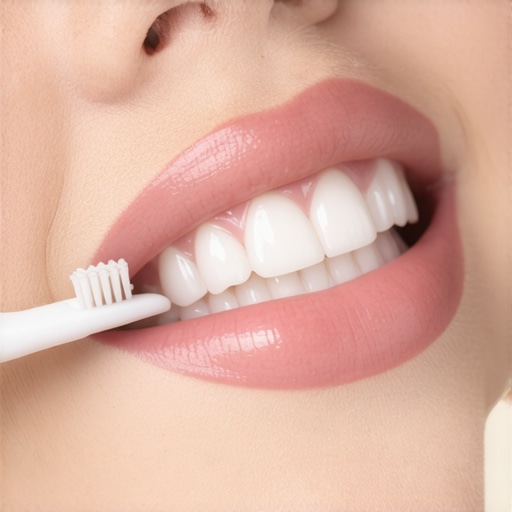 Many assume that regular brushing and flossing are enough to ensure optimal oral health, but there’s more beneath the surface. A common misconception is that brushing vigorously removes more plaque, yet in reality, overzealous brushing can damage gum tissue and enamel, increasing sensitivity and recession. Proper technique, gentle yet thorough, is the real key, as detailed experts highlight in studies on effective home practices for family dental health. Additionally, family dentistry often emphasizes that individual behaviors, like inconsistent floss use or neglecting tongue cleaning, undermine overall oral wellness. When it comes to crowns, many believe they cannot develop issues over time; however, micro-leaks and decay under crowns are insidious problems that often go unnoticed without specialized assessment. Understanding advanced issues requires attention to subtle signs and regular professional checkups. This leads us to a critical trap: thinking that a shiny, clean appearance confirms health. Scientific evidence shows that plaque bacteria can thrive unseen, causing gingivitis or even systemic issues linked to oral inflammation. For example, a study published in the Journal of Periodontology confirms the connection between plaque buildup and heart disease risk. Hyper-focus on superficial cleanliness may blind you to these hidden dangers. So, how can you avoid these pitfalls? Firstly, incorporate gentle brushing with a soft-bristled brush, focusing on technique rather than force. Secondly, use interdental brushes or water flossers to reach tricky areas, especially around crowns and appliances. Thirdly, adopt a comprehensive routine that includes tongue cleaning and antimicrobial rinses, which can significantly reduce bacterial load. Finally, schedule routine dental evaluations to catch microleaks or early decay signs. Have you ever fallen into this trap? Let me know in the comments. Remember, your daily habits lay the groundwork for lifelong oral health — so go beyond basic brushing and flossing to truly protect your smile.
Proper maintenance of your oral health, especially with dental crowns, requires the right tools and techniques. Over the years, I’ve tested various equipment to ensure my routine is both effective and efficient. One of my go-to items is the Oral-B iO Series electric toothbrush. Its oscillating-rotating technology coupled with smart pressure sensors helps me avoid overbrushing, which can damage gums and compromise crowns. The built-in timers guarantee I brush for the recommended duration, ensuring thorough cleaning without excess effort.
For interdental cleaning, I highly recommend the Waterpik Aquarius Water Flosser. Unlike traditional floss, its pulsating water stream can reach into tight spaces around crowns and braces, removing plaque more effectively. I personally find it easier to use daily, especially after meals, reducing the risk of microleakage under crowns. Regular use of an interdental cleaner like this has been shown to decrease gingivitis and preserve the health of both natural teeth and restorations according to expert advice.
In addition, routine use of antimicrobial rinses such as Listerine Total Care or a hydrogen peroxide-based solution prevents bacterial buildup. I make it a point to rinse daily after brushing and flossing, which significantly improves gum health around my crowns and natural teeth. Remember, tools are only effective if used correctly; I suggest investing a few minutes each day in technique to maximize results.
How do I maintain these tools over time?
Maintaining your dental tools ensures their longevity and continued effectiveness. Replace your electric toothbrush head every three months; I set a reminder on my phone to stay disciplined. Clean your water flosser reservoir weekly with vinegar or mild soap, and inspect the device’s nozzles regularly for buildup or mold. Disinfect antimicrobial rinse bottles every few days to prevent bacterial contamination. These small habits prolong the life of your tools and prevent the buildup of harmful bacteria, safeguarding your investments in dental health highlighted in recent dental research.
Looking ahead, I believe that smart dental devices with app connectivity and real-time monitoring will become the norm, providing personalized feedback and reminders to keep your routine on track. For now, investing in high-quality tools and maintaining them diligently is the best strategy for long-term success.
Try integrating the Waterpik Aquarius Water Flosser into your daily routine this week—it may seem like a small change, but its impact on your oral health, especially around crowns, can be profound. Consistent, effective maintenance today lays the foundation for a healthier smile tomorrow. For more detailed guidance on caring for crowns, don’t forget to visit this expert page.
The Unexpected Turns That Taught Me About Crown Care
Throughout my journey with dental crowns, I often underestimated how small habits could make a huge difference. The most eye-opening lesson was realizing how easily a seemingly innocent snack or neglecting routine checkups could jeopardize my investment. These personal revelations underscored the importance of consistent, mindful care—lessons I wish I had embraced sooner.
Tools and Resources That Changed My Routine
Investing in high-quality tools truly transformed my oral health. The electric toothbrush with timers and the water flosser became my everyday essentials, offering both efficiency and peace of mind. Additionally, trusted resources like expert advice helped me navigate complex decisions, ensuring my crown remained pristine and durable.
Fuel Your Passion for a Healthy Smile
Remember, your dental crown is an investment in your confidence and health. Every mindful choice you make today—be it avoiding sticky candies or scheduling routine checkups—pays off in longevity and comfort. You have the power to maintain that radiant smile for years to come. Ready to take the next step? Explore our comprehensive guide to crown care and start your journey to a healthier, happier smile today.