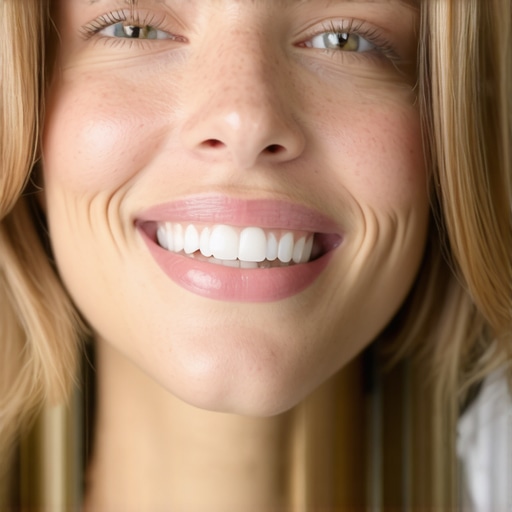
It was a moment of frustration during my morning routine that made me realize I needed to seriously rethink my approach to teeth whitening. My gums were receding, giving my smile a worn-down appearance, and traditional whitening methods just didn’t seem to be working—or worse, they seemed to make things worse. I remember looking in the mirror, feeling self-conscious every time I smiled, wondering if there’s a safe way to brighten my teeth without aggravating my receding gums.
Why Whitening with Receding Gums Is More Complex Than It Seems
One thing I learned early on is that whitening teeth when gums are receding isn’t a one-size-fits-all deal. It’s crucial to understand that receding gums expose more of the tooth root, which isn’t covered by enamel and can be sensitive or even painful when exposed to typical whitening products. This means that many over-the-counter solutions can cause discomfort or damage if not chosen carefully. The good news? There are tailored routines and professional guidance that can help you achieve a brighter smile safely.
Is Over-the-Counter Whitening Actually Worth the Hype?
Initially, I thought I could just pick up a popular whitening kit and go. Big mistake. I didn’t realize that some whitening agents are too harsh for sensitive or receding gums. I made the mistake of skipping professional advice and ended up with increased sensitivity and minor gum irritation. Learning from that, I turned to expert-approved methods, like visiting a family dentist well-versed in gum health and whitening strategies. For more insights, check out [family dentistry tips](https://periodontistcare.com/family-dentistry-focus-building-a-lifetime-of-healthy-smiles). Remember, a little professional guidance can save you a lot of discomfort later. Now, I focus on routines that prioritize gum health while gently whitening my teeth—something I’ll share in the next sections.
Choose the Right Dentist for Your Needs
Start by finding a dentist experienced in gum health and cosmetic procedures. Schedule a consultation to discuss your concerns about receding gums and whitening options. A professional assessment will help you identify safe treatments, avoiding harsh chemicals that can worsen gum recession. For trusted guidance, visit family dentistry tips.
Opt for Gentle Whitening Methods
Instead of over-the-counter kits, consider professional whitening treatments designed for sensitive or receding gums. Dentists may recommend alternatives like custom-fitted whitening trays with lower-concentration agents, which minimize sensitivity. Remember, patience is key; gradual whitening reduces risk and preserves gum integrity. I once tried a DIY kit without proper guidance and ended up with increased sensitivity—so I learned the importance of professional advice.
Focus on Enhancing Oral Hygiene Routine
Daily brushing and flossing are your foundation. Use a soft-bristled toothbrush and gentle abrasive toothpaste suitable for sensitive gums. Incorporate interdental brushes or water flossers to reach tricky spots. Regular cleaning prevents plaque buildup that can exacerbate gum recession. Check out teeth cleaning secrets for more tips. Consistency pays off, and I found that a gentle approach keeps my gums healthy while slowly brightening my smile.
Incorporate Targeted Treatments
Professional procedures like laser whitening or desensitizing treatments can be tailored for your condition. These options often cause less discomfort and are safer on sensitive tissues. Before any treatment, ensure your dentist performs thorough cleaning and examines your gums. This step ensures no underlying issues could worsen with whitening. During my last visit, the dentist used a gentle laser method, and I appreciated how painless and effective it was. For more on crown and cleaning procedures, see expert advice on crowns and teeth cleaning.
Consistent Maintenance and Follow-up
After whitening, maintain your results with regular professional cleanings. Periodic visits help monitor gum health and prevent further recession. Avoid stain-causing foods and drinks, like coffee or red wine, to prolong your brighter smile. Using protective measures, such as a straw, can help too. I schedule biannual cleanings, which keep my gums healthy and my whitening last longer. Learn more about maintaining dental crowns at caring for crowns.
Even seasoned dental patients often fall prey to misconceptions about oral health, leading to less-than-ideal outcomes. One widespread myth is that aggressive brushing is the key to healthy teeth; in reality, overbrushing can erode enamel and damage gums, especially when coupled with incorrect technique. Experts emphasize that gentle, circular motions with a soft-bristled toothbrush are far more effective and safer, as detailed in professional guidelines on proper brushing habits. Another common mistake is neglecting the importance of oral biofilm removal—people often think that flossing alone guarantees plaque control, but studies show that interdental cleaning with water flossers or interdental brushes can be significantly more effective for people with wider gaps or recession.
Why Do So Many Dentists Still See Repeat Cavities Despite Good Hygiene?
Advanced research indicates that factors like saliva composition, enamel porosity, and even genetic predispositions play powerful roles in cavity risk, beyond simply brushing and flossing routines. For instance, individuals with low salivary flow are more susceptible to decay, yet they might not realize that hydration and saliva-stimulating products can be vital components of cavity prevention. Moreover, recent studies have shown that some commercial toothpaste ingredients may contribute to enamel erosion if used excessively or improperly. For an in-depth look at how diet, genetics, and microbiome influence oral health, consider exploring this comprehensive article on oral health influencers. Moving beyond basic practices, understanding these nuanced factors can be the difference between simply maintaining your teeth and truly optimizing your oral wellness.
Many people overlook the significance of regular professional evaluations. Routine dental visits are not just about catching cavities early but also about identifying signs of gum disease, systemic conditions with oral manifestations, or even nutritional deficiencies. I often see patients who believe that once their teeth look clean, they are fully healthy—this can be a dangerous misconception. For example, routine cleanings do more than polish your teeth; they help in preventing unseen issues that could lead to more complex problems down the line.
When it comes to crowns and restorative work, many assume that once placed, they’re maintenance-free. In fact, failing to follow the correct crown care routine can cause early failure or sensitivity. Cryptic as it sounds, some patients don’t realize that the type of material used, oral hygiene practices, and dietary choices all impact the longevity of crowns. Plus, composite resin or porcelain surfaces can accumulate plaque if not cleaned properly, undermining both aesthetics and function.
Let’s confront a final misconception: that family dental visits are just for children. In truth, regular checkups form the backbone of lifelong oral health, regardless of age. Family dentistry isn’t only about convenience; it’s about fostering preventive habits early and catching issues before they become costly or painful. To set a solid foundation, check out this guide on comprehensive family dental care. Remember, proactive care can save you from the trap of reactive, expensive treatments in the future. Have you ever fallen into this trap? Let me know in the comments.Maintaining a healthy smile over the long term requires more than just good intentions; it demands using the right tools and adopting effective routines. Personally, I rely on electric toothbrushes with oscillating-rotating heads, such as the Sonicare DiamondClean, because their proven superior plaque removal helps keep my gums healthy even with a hectic schedule. I’ve found that manual brushes, while effective if used correctly, often fall short in reaching those tricky areas around crowns and gumlines. Investing in a water flosser like the Waterpik Aquarius has transformed my interdental cleaning, gently flushing out debris and reducing inflammation—especially beneficial for those with recession or bridges where traditional flossing can be challenging. For consistency, I incorporate an ultrasonic scaler at-home device, guided by professional advice, which vibrates at high frequency to dislodge plaque without damaging sensitive tissues. As my dental professional emphasizes, “regular use of ultrasonic technology enhances biofilm disruption beyond manual brushing” (see https://periodontistcare.com/understanding-the-role-of-crowns-in-modern-smile-makeovers).
In terms of products, I select desensitizing toothpaste like Sensodyne Pronamel for daily use—its potassium nitrate formula calms nerve endings exposed by erosion or recession. Meanwhile, professional-grade whitening kits, applied cautiously, can maintain brightness without damage when supervised by your dentist. Looking ahead, the trend is shifting toward smart toothbrushes that sync via Bluetooth to apps, providing real-time feedback and ensuring optimal technique—making routine maintenance both easier and more effective. As we move into the future, I predict that integrating artificial intelligence into oral health devices will enable personalized, adaptive care, catching issues early before they become costly.
How do I keep my tools effective over time?
It’s crucial to replace your toothbrush head every three months, and clean your water flosser no less than weekly according to manufacturer instructions. Maintaining these devices according to a professional-developed routine ensures their efficacy and prolongs their lifespan. Additionally, scheduling regular professional cleanings acts as a vital check-up point, catching early signs of wear or recession and adjusting your routine as needed. For those relying on crowns or implants, following specific guidance—like the detailed tips at maintaining your crowns—is essential to preserve your investment. Remember, technology alone isn’t enough; consistent application and periodic professional oversight are key to enduring results. Try establishing a weekly habit of inspecting your tools and updating them as recommended; it makes a significant difference in your oral health journey.
Lessons That Changed My Approach to Dental Care
One of the most eye-opening lessons I learned is that patience and personalized treatment plans are essential when dealing with receding gums. Quick fixes often lead to setbacks, and understanding my unique oral landscape helped me avoid unnecessary discomfort and damage.
Another insight was recognizing the importance of consistent, gentle routines over aggressive, shortcuts. Gentle brushing and mindful flossing, combined with professional guidance, made a significant difference in my long-term oral health.
Finally, I discovered that only by embracing a holistic view—considering diet, hydration, and regular check-ups—could I truly maintain not just a bright smile but also healthy gums that support it.
Tools and Resources That Transformed My Journey
The first game-changer for me was investing in a high-quality electric toothbrush like the Sonicare DiamondClean, which consistently outperforms manual brushing—especially for sensitive and receding gums. For professional advice, I rely on reputable websites such as oral health tips for families and expert guidance on crowns and cleaning, which offer practical, research-backed insights.
Additionally, I found that a water flosser like the Waterpik Aquarius helps me maintain interdental cleanliness with ease, preventing issues that could worsen gum recession. Educational books on holistic dental health, such as “The Dental Diet,” have also helped me understand the link between nutrition and oral integrity.
Your Smile’s Future Starts Today
Remember, every small step toward gentle, mindful oral hygiene and professional care adds up. Your healthy, confident smile is within reach—embark on this journey with patience, knowledge, and support. Don’t wait for problems to escalate; your best smile begins with the choices you make today.
What have you found most challenging when trying to protect your gums while whitening your teeth? Share your experiences below—I’d love to hear your story!