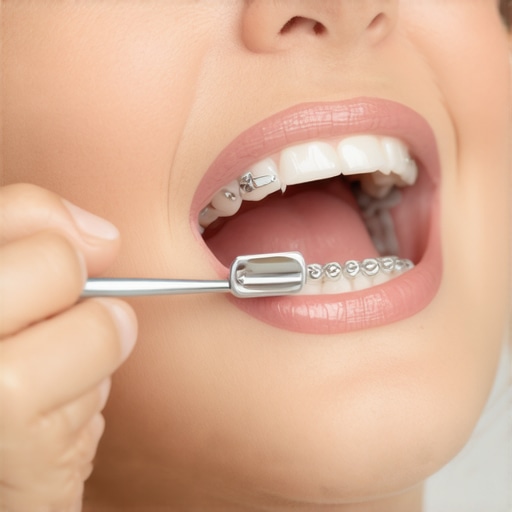
Category: Teeth Cleaning Procedures

  • 4 reasons your teeth feel sensitive after a professional cleaning

    4 reasons your teeth feel sensitive after a professional cleaning

    Have you ever left the dentist’s office with your teeth feeling numb, sharp, or downright uncomfortable? I remember the first time it happened to me—after what I thought was a routine professional cleaning, my teeth were suddenly sensitive to hot, cold, and even just air! It was a lightbulb moment for me, realizing that these sensations are more common than I initially believed—and often, they point to underlying reasons worth understanding. This unexpected sensitivity can be alarming, especially if you’re worried about damaging your teeth further or simply want to enjoy your favorite foods without pain.

    Decoding the Post-Cleaning Sensitivity Puzzle

    In this post, I’ll share the four main reasons your teeth might be feeling more sensitive after a dental cleaning—and what you can do about it. Whether you’re a seasoned dental patient or just had your very first professional cleaning, knowing these causes can make a big difference in managing your discomfort and protecting your smile. And yes, I’ll also share some tips from my own experience, so you don’t have to stumble through this confusing little symptom alone.

    Is Sensitivity After a Cleaning Actually Worrying or Just Normal?

    Many people, including myself early on, assume that any discomfort means something’s wrong. Turns out, mild sensitivity isn’t necessarily a red flag—more often, it’s a natural response to the cleaning process. For example, tartar removal can expose areas of your teeth that haven’t seen the light of day in a while, temporarily opening up nerves that were previously insulated. According to recent research, about 30-50% of patients experience some degree of sensitivity following a professional cleaning, especially if they have underlying gum issues or enamel erosion.

    However, it’s important to distinguish between temporary discomfort and persistent pain. If your sensitivity lingers for more than a few days or worsens, it’s time to consult your dentist. I learned this the hard way when I ignored ongoing pain, only to realize I had a small cavity or enamel erosion that needed attention. Trusting your body’s signals and talking to your dental professional is crucial.

    Now, let’s explore why this sensitivity happens and how you can prevent or manage it effectively. If you’ve faced this problem, you know how disruptive it can be—so let’s get to the bottom of it together.

    Start with Gentle Oral Hygiene Practices

    Immediately after cleaning, switch to a fluoride toothpaste designed for sensitive teeth—think of it as installing insulation around your nerves to shield them from temperature extremes. When I experienced sensitivity, I made the mistake of brushing aggressively, which only worsened the discomfort. Instead, I gently brushed with a soft-bristled brush, ensuring I didn’t irritate my gums or enamel further. This approach acts like polishing a delicate surface, preventing abrasions that can exacerbate sensitivity. For ongoing relief, consider applying a desensitizing gel recommended by your dentist; it’s like giving your nerves a calming balm.

    Adjust Your Diet to Minimize Discomfort

    Spicy, acidic, or sugary foods can act like a jarring noise to your sensitive teeth—think of it as a squeaky door that keeps waking you up. For the first few days, opt for lukewarm, bland foods. I found that avoiding hot coffee and cold desserts temporarily reduced my pain—much like turning down the volume on a loudspeaker. For example, I switched to room-temperature smoothies and water, which kept my mouth comfortable. Remember, being strategic about what you eat helps prevent stimuli from triggering pain. You can also learn about the best snacks for healthy teeth that kids actually enjoy, which emphasizes gentle nutrition.

    Limit Mechanical Stress on Your Teeth

    Using your teeth as tools, like opening packages, is like forcing a screwdriver into a delicate mechanism—potentially damaging it. I once tried to open a stubborn plastic bag with my teeth, and afterward, I felt a sharp twinge that lingered for days. To prevent this, always use scissors or other tools instead of your teeth; it’s more like giving your teeth a break to heal. Additionally, avoid clenching or grinding, especially at night. If you notice this, consider methods to stop teeth grinding from destroying your enamel—like a nightguard, which acts as a bumper for your jaw. This is crucial because repetitive mechanical stress can worsen underlying sensitivity and lead to bigger problems down the line.

    Manage Inflammation and Nerve Sensitivity

    Inflammation is like a fire alarm, signaling your body to be cautious. Rinsing with warm salt water—akin to a soothing rinse—can calm irritated tissues and reduce inflammation. I found that doing this twice daily helped soothe my gums and reduce sensitivity. Be careful not to overdo it; too much salt can dry out tissues, making discomfort worse. For more persistent issues, consult your dentist about treatments like fluoride varnishes or bonding agents, which can strengthen enamel and insulate nerves, much like adding an extra layer of armor. Remember, keeping inflammation managed prevents it from escalating into more serious issues.

    Schedule Follow-Up with Your Dentist

    Think of your dentist as a mechanic for your teeth—they can fine-tune adjustments and catch issues early. If sensitivity persists beyond a few days or worsens, don’t delay seeking professional advice; untreated problems might be similar to ignoring a warning light, leading to costly repairs later. Your dentist can assess for cavities, enamel erosion, or other underlying problems—like a mechanic diagnosing a car noise—preventing minor issues from becoming major repairs. Regular check-ups are essential, especially if you’ve undergone a deep cleaning, as they ensure your teeth remain healthy and comfortable over time.

    With a proactive approach, managing post-cleaning tooth sensitivity becomes straightforward. Remember, gentle handling, dietary modifications, mechanical caution, inflammation control, and professional guidance form the core of effective management—like assembling the right tools to fix a tricky project. These steps help you maintain oral health without the discomfort, ensuring your smile stays bright and pain-free.

    ,

    When it comes to teeth cleaning, many assume that a quick brush and flossing session are enough to keep oral health optimal. However, this oversimplification masks several nuances that can significantly impact your dental outcomes. One common misconception is believing all dental cleanings are equal; in reality, deep cleanings target the buildup that regular cleanings often miss, preventing long-term periodontal issues. Moreover, many patients underestimate the importance of personalized care tailored to their unique oral anatomy—what works for one person might not suit another, especially when considering restorations like crowns or veneers.

    What Advanced Errors Do Patients Frequently Make?

    One prevalent trap is neglecting the subtle signs of underlying issues, such as white spots indicating early decay. Recognizing these early signs allows for minimally invasive interventions, avoiding more extensive procedures later. Many assume that if their teeth look clean, they are healthy; however, spotting cavities early is vital for preserving tooth integrity. Also, there’s a misconception that oral health is solely about preventing cavities—gum health, for instance, is often overlooked despite its connection to heart health, as highlighted in studies about periodontal disease and cardiovascular risk.

    Another advanced mistake is trusting superficial whitening treatments without addressing foundational concerns like enamel erosion or erosion from acidic drinks, which can cause sensitivity and damage over time. Instead, a comprehensive approach that includes understanding the impact of diet and habits is essential. For example, frequent morning smoothies can erode enamel if not buffered properly—learning how to protect your teeth from acids is crucial, which you can explore further here.

    Make sure to consult your dentist for tailored advice, especially if considering procedures like crowns or veneers, which require precise evaluation of your bite and oral tissues. For instance, a crown that feels high can cause discomfort and wear if not fitted correctly—understanding the importance of proper fit and function can save you trouble down the line. Keep in mind, neglecting these nuances often leads to costly repairs or discomfort that could have been avoided with early action.

    Have you ever fallen into this trap? Let me know in the comments. Staying aware of these advanced considerations can dramatically improve your dental health journey, making your routine more effective and your results longer-lasting. Remember, your smile is worth the extra effort to understand the tricky details that most overlook.

    Investing in Your Smile: Tools I Recommend for Lasting Oral Health

    Maintaining a bright,healthy smile doesn’t rely solely on your dental visits; it deeply depends on the tools you use daily. Over the years, I’ve tested various equipment and methods, and I want to share the ones that have truly made a difference in my routine and long-term results. Choosing the right tools ensures that your oral hygiene remains effective, prevents issues like sensitivity or cavities, and keeps your smile radiant for years to come.

    Why I Swear By an Electric Toothbrush

    The efficiency of an electric toothbrush is unmatched when it comes to removing plaque. I personally prefer models with oscillating-rotating heads because they mimic professional cleaning motions, reaching those tricky back molars and along the gumline. The built-in timers and pressure sensors help me avoid overbrushing—which can cause enamel erosion or gum recession—making it an indispensable part of my regimen. As dental research emphasizes, proper brushing habits with electric brushes can significantly reduce gingivitis and decay over time.

    Prediction suggests that future advancements will include smarter, app-connected brushes that provide real-time feedback and adapt to your specific oral health needs. Embracing these innovations now can give you a head-start in maintaining your smile’s health.

    Why a Water Flosser Boosts My Daily Routine

    Traditional flossing can be cumbersome, especially for those with braces or sensitive gums. I transitioned to a water flosser for its ease and efficiency. It effectively dislodges food and plaque from between teeth and below the gumline without causing irritation. Plus, it’s gentle enough for daily use, even on sensitive gums. According to a comprehensive review by the Journal of Clinical Dentistry, water flossers can reduce bleeding and plaque buildup more effectively than manual flossing for many users.

    By incorporating a water flosser into my routine, I’ve noticed less inflammation and fresher breath, which motivates me to stay consistent.

    Incorporating a High-Quality Mirror and Lighting

    A good magnifying mirror with adjustable lighting allows me to check for early signs of issues such as white spots or minor chips. Regularly inspecting my teeth helps me catch problems early—like spotting a tiny crack or early cavity before it worsens. Technology like portable LED lights and night-vision options make this task even more straightforward, ensuring you maintain awareness of your oral health status between dental visits.

    What Are The Next Steps in Maintenance?

    As technology evolves, so does the potential for smarter tools. Devices that analyze saliva composition, for example, could offer personalized insights into your diet and oral hygiene needs. For now, integrating high-quality electric brushes, water flossers, and inspection tools into your daily routine is the most effective approach. Remember, consistency is key; the investment in these tools pays dividends in the form of fewer cavities, less sensitivity, and a stunning smile that stands the test of time.

    Ready to upgrade your dental toolkit? Start by trying an electric toothbrush with timers or a water flosser to see immediate benefits. Combining these with regular professional check-ups will keep your smile healthy and vibrant for years. For more tips on maintaining your white smile after treatments, check out this guide.

    The Unexpected Wisdom I Gained From My Dental Experiences

    One of the most eye-opening lessons I uncovered was that minor tooth sensitivity after a cleaning isn’t always a sign of trouble—it can sometimes be a natural part of the healing process. I once ignored my persistent discomfort, only to find out later that I had overlooked early signs of enamel wear, which could have been addressed sooner. This taught me to listen carefully to my body’s signals and communicate openly with my dentist, ensuring that minor issues don’t escalate into major repairs.

    Another realization was that choosing the right oral hygiene tools—like an electric toothbrush or a water flosser—makes a significant difference, especially when dealing with sensitivity. Investing in these tools was a game-changer for me, helping me maintain clean teeth without triggering discomfort, and I now recommend them wholeheartedly to anyone aiming for healthier, happier teeth.

    Finally, I discovered that understanding the nuances of diet and habits—such as avoiding acidic drinks and mechanical stress—is crucial in managing post-cleaning sensitivity. Small changes, like eating lukewarm foods and steering clear of opening packages with your teeth, added up to meaningful relief. These lessons underscore that caring for your teeth is a holistic process, blending proper tools, mindful habits, and regular professional guidance.

    My Go-To Resources That Keep My Smile Strong

    Over the years, I’ve relied on specific tools and sources that have truly supported my oral health journey. The electric toothbrush I use delivers consistent cleaning power and helps prevent sensitivity, especially when used with a gentle technique. I also swear by my water flosser, which effectively removes plaque without irritating my gums. For insight into early cavities and enamel health, I trust resources that combine professional advice with real-world experience—like blogs and guides from reputable dental health sites. These tools and information sources empower me to maintain my oral health daily and catch issues before they become painful or costly.

    Keep Your Smile Bright and Confident

    If you’re ready to take your dental care to the next level, remember that your habits and choices make a profound difference. Embrace the knowledge you’ve gained about managing sensitivity, selecting the right tools, and understanding your body’s signals. Don’t hesitate to schedule regular check-ups and ask your dentist about specific concerns—early intervention is always better. Your smile deserves attention, patience, and the right strategy to stay radiant and comfortable. Plus, sharing your experiences can inspire others to care more deeply for their oral health, creating a community of confident, healthy smiles.

    So, now I’m curious—what’s the biggest lesson you’ve learned about maintaining a healthy smile after a dental visit? Share your stories below, and let’s support each other on this journey to better oral health.

  • Why your dental cleaning takes longer some visits than others

    Why your dental cleaning takes longer some visits than others

    Ever sat in the dental chair and wondered, *Why is this cleaning taking forever today when previous visits were so quick?* I’ve had moments where I felt like I was stuck in an endless cycle of ultrasonic devices and flossing, just to hear the dreaded countdown to finish. That feeling of frustration, combined with the uncertain question—”Did I do something wrong?”—used to bother me a lot. But after some experience, I realized there’s more to it than just the dentist’s speed.

    Unraveling the Mystery of Variable Cleaning Times

    First off, I want to assure you, it’s not your fault. Your dental cleaning duration can vary for several reasons, which often have more to do with your oral health than how well you brush. Sometimes, factors like the buildup level, gum condition, or even the types of procedures scheduled can make a typical appointment stretch into a longer session. Interestingly, even the time of day can influence how long your cleaning takes. Later in the afternoon, when gums might be more inflamed or sensitive, your dental provider might need to proceed more cautiously.

    But here’s the real kicker—did you know that dental professionals sometimes have to tailor their approach based on your unique oral environment? For example, if you’re prone to plaque buildup or tartar, the cleaning process naturally takes longer. This isn’t a sign of neglect or poor oral hygiene; it’s just how your mouth responds to various circumstances. And yes, even your level of dental anxiety can play a part—if you’re tense, your muscles tighten, making the procedure seem prolonged.

    Have you ever left your appointment feeling like the cleaning dragged on unexpectedly? If so, you’re not alone. Many people only discover later that their longer visits are a sign of underlying health factors or preventative needs. The good news is, understanding these reasons can help you manage expectations and even prepare better for each visit. Plus, knowing what influences your appointment length can motivate you to maintain oral health routines that might make future cleanings quicker.

    If this resonates with you, then get ready. In the next section, I’ll share what you can do to make your dental visits more predictable and possibly shorter, ensuring you spend less time in the chair—and more time smiling.

    For example, consistent and effective brushing combined with regular flossing can reduce stubborn plaque, making cleanings less time-consuming. Worried about gum health? Check out this article on [the connection between gum health and your heart](https://periodontistcare.com/the-connection-between-gum-health-and-your-heart). It’s fascinating how interconnected these issues are, and addressing one often benefits the other.

    Now, let’s dive into practical steps to help you prepare for your next cleaning and perhaps even minimize the appointment duration!

    Prepare Your Mouth Before the Appointment

    Start by brushing your teeth thoroughly at least twice a day using a fluoride toothpaste, making sure to reach all surfaces. Floss to remove debris between teeth—consider trying alternative flossing methods if traditional flossing feels uncomfortable. For instance, I once used interdental brushes to clean tight spaces, which significantly reduced plaque buildup and shortened my cleaning time.

    Schedule Smartly for Quieter Appointments

    If possible, book early in the morning or mid-week, when clinics tend to be less busy. Less crowded appointments can sometimes translate to more attentive care, especially if your gums are sensitive. I remembered scheduling a midday appointment and realized that the dental hygienist had more time to focus on thorough cleaning, which kept my session efficient and comfortable.

    Communicate Your Concerns Clearly

    Inform your dentist about specific sensitivities or worries before starting. If you’re concerned about gum inflammation or tooth sensitivity, mentioning this allows your dentist to adjust instruments or techniques, potentially speeding up the process. I once told my dentist I was anxious about excessive pressure, leading to a gentler, quicker cleaning session.

    Maintain Good Oral Habits Between Visits

    Consistently rinsing with an antimicrobial mouthwash can reduce bacteria and plaque, lessening the workload during professional cleanings. For example, I incorporated a daily rinse with a proven mouthwash, which made my subsequent cleanings shorter and more effective. Additionally, avoid snacking on sugary or acidic foods that can increase plaque and tartar formation.

    Set Realistic Expectations and Follow Advice

    Understand that some visits require more time due to your oral health status. For instance, if you have tartar buildup, it naturally takes longer to remove compared to routine plaque removal. My last appointment was slightly longer because I had forgotten to mention that I’d been neglecting flossing; the hygienist had to work extra to clean stubborn deposits. Following recommendations from your dentist on oral care routines and scheduling regular cleanings can help keep appointments more predictable and shorter over time.

    Practice Your Post-Cleaning Care

    Post-appointment routines matter. Avoid eating or drinking for at least 30 minutes after fluoride treatments to maximize their benefit—learned this the hard way after rushing to eat immediately and reducing fluoride effectiveness. Check out this guide for timing tips. Maintaining your oral health diligently decreases cleaning complexity, making future visits quicker and smoother.

    Many assume that good oral hygiene is solely about brushing twice daily and avoiding sweets, but the reality is far more complex. A common misconception is that brushing harder equates to better cleaning—however, aggressive brushing can erode enamel and damage gums, leading to increased sensitivity and recession. According to a study published in the Journal of Clinical Periodontology, overbrushing is a significant contributor to gum recession and enamel wear, which can paradoxically worsen oral health over time. So, the key is effective, gentle cleaning rather than brute force.

    Another widespread myth involves the effectiveness of whitening products. While many believe that over-the-counter whitening kits are equally safe and effective as professional treatments, in reality, they often contain harsh abrasives or high concentration bleaching agents that can cause enamel erosion or gum irritation if misused. For example, DIY whitening kits can temporarily improve appearance but might lead to lasting damage, especially if used excessively or improperly. Always consult your dentist before embarking on whitening routines, and consider professional options for safer, longer-lasting results.

    What are the nuances that differentiate professional crowns from DIY solutions, and why does it matter?

    When it comes to crowns, a common mistake is assuming they are a one-size-fits-all solution. Many underestimate the importance of proper fit and bonding. A poorly fitting crown can lead to gaps, making it prone to bacteria invasion, decay, and eventual failure. Conversely, high-quality crowns, properly bonded and adjusted, can last decades. This is why choosing a skilled dentist and understanding the bonding process is crucial. For insights into why some crowns may pop off while others endure, explore this article.

    Misconceptions about fluoride also abound. Some parents fear fluoride harms developing teeth, but in fact, fluoride is vital in strengthening enamel and preventing decay, especially in children. The key is the right dosage and application. Using fluoride-containing toothpaste appropriately and consulting your dentist ensures optimal benefits without risk—learn more about fluoride’s critical role in this resource.

    Lastly, a frequent oversight involves understanding that oral microbiome balance is essential for true health. Many focus solely on eliminating bacteria with harsh mouthwashes, inadvertently disrupting beneficial flora. Maintaining a balanced oral environment involves gentle cleaning, a healthy diet, and sometimes probiotic routines. Evidence suggests that supporting your microbiome can reduce inflammation and gum disease risk more effectively than aggressive antiseptics.

    In summary, many misconceptions stem from simplified advice or anecdotal claims. To truly optimize your oral health, it’s crucial to recognize these nuances and seek personalized, professional guidance. Do you fall prey to any of these myths? Let me know in the comments. For more detailed insights on treatment longevity, check out this article and continue your journey toward healthier teeth.Maintaining long-term oral health requires more than just consistent brushing and flossing; it involves investing in the right tools and techniques that support your specific needs. One device I personally swear by is the Philips Sonicare DiamondClean Electric Toothbrush. Its sonic technology delivers 62,000 brush strokes per minute, providing a thorough clean that surpasses manual brushing, especially in hard-to-reach areas. I found that switching from traditional brushes to an electric model significantly reduced plaque buildup and improved gum health, which in turn shortened my regular cleanings.

    For interdental cleaning, I recommend Trying the Waterpik Aquarius Water Flosser. Unlike traditional floss, the water flosser reaches deeper into periodontal pockets and between teeth with adjustable pressure settings. Personally, I notice a marked difference when I incorporate it into my routine; my gums feel healthier, and I experience fewer bleeding episodes. Regular use of this tool can dramatically decrease tartar accumulation, making professional cleanings quicker and more effective over time.

    When it comes to monitoring your oral health, I rely on the Oral-B iO Series 9 Smart Electric Toothbrush, which syncs with my smartphone to track brushing habits. The app provides real-time feedback on pressure, coverage, and duration, helping me ensure I brush effectively every time. Consistent, targeted brushing supported by digital tools is the future of personalized dental care and will become increasingly important as trends suggest more integration of technology into daily routines.

    As for long-term results, I recommend scheduling routine virtual check-ins with your dentist, especially if you’re using advanced tools or have specific concerns. This proactive approach can uncover emerging issues early, allowing for timely adjustments to your oral hygiene plan. Additionally, maintaining a detailed journal of your routines and any changes in oral health can facilitate better communication with dental professionals during visits.

    Prediction-wise, the future of oral health technology points toward more customization, with tools that analyze your saliva or microbiome and suggest tailored routines. AI-powered diagnostic devices may soon identify plaque or tartar accumulation at home, prompting you to schedule professional cleanings before issues escalate.

    How do I maintain my tools for optimal performance? Regularly replace brush heads and tips—every three months is ideal—to prevent bacteria buildup and ensure effective cleaning. I also disinfect my electric toothbrush head weekly by soaking it in hydrogen peroxide, a simple step that keeps my device hygienic and running smoothly. For the water flosser, following the manufacturer’s cleaning instructions and replacing the water reservoir regularly extends its lifespan and maintains peak performance.

    Make it a habit to clean your dental devices thoroughly after each use. For example, I keep my electric toothbrush in an open holder to air dry—this prevents mold growth and preserves the brush’s effectiveness. Investing in a UV sanitizing device for your toothbrush can also provide extra peace of mind. These tips may seem small, but they vastly improve the longevity of your tools and ensure you’re always getting the best results.

    Don’t forget that the effectiveness of your tools depends on proper technique. For instance, using an electric toothbrush with the correct pressure—guided by the app—can prevent gum recession. Learn more about the dangers of brushing too hard in this article. If you’re curious, try increasing your water flosser’s pressure gradually until you find a comfortable yet effective setting. Combining these advanced tools with mindful techniques creates a powerful routine that safeguards your health over years.

    In summary, choosing high-quality equipment tailored to your needs and maintaining them diligently makes all the difference in your oral health journey. Incorporate smart technology, stay consistent, and always follow device-specific cleaning routines. If you’re ready to elevate your routine, start with one of these tools today and see how it transforms your dental experience.

    Lessons That Changed My Perspective on Oral Care

    One of the biggest revelations I had was realizing that not all cavities are caused by neglect; sometimes, genetics and diet play significant roles. This understanding motivated me to adjust my nutritional habits and seek personalized dental advice, rather than relying solely on brushing routines.

    Another eye-opening experience was discovering how crucial the microbiome balance is for long-term oral health. Overusing antibacterial mouthwashes might do more harm than good by disturbing beneficial bacteria, leading to unexpected issues like dry mouth or increased sensitivity. Embracing gentle, natural cleaning methods became a game-changer for me.

    I’ve also learned that regular check-ups are not just about fixing problems—but about prevention. Early detection of subtle changes can save you from complex procedures later, making every visit an investment in your future smile.

    Tools That Elevated My Dental Routine

    My go-to resource has become the Philips Sonicare DiamondClean Electric Toothbrush. Its sonic technology offers a superior clean that I couldn’t achieve manually, especially around tricky spots. Pairing it with the Waterpik Aquarius Water Flosser transformed my interdental care—reaching areas traditional floss can’t, and reducing my reliance on string floss.

    Additionally, the Oral-B iO Series 9’s smart technology provides real-time feedback, helping me brush more effectively and avoid common mistakes like applying too much pressure. These tools, trusted by professionals, have empowered me to take control of my oral health in ways I never thought possible.

    Embracing Change: Your Journey Starts Now

    Your smile is a reflection of your overall health and confidence. Taking small, informed steps—like choosing the right tools and understanding the nuances—can lead to remarkable improvements over time. Remember, oral health isn’t a destination but a continuous journey that deserves attention and care. If you’re ready to elevate your routine, start today and watch how your habits develop into lifelong confidence.

    What new oral care habit are you excited to try first? Share your thoughts below—I love hearing about your journey to better health!

  • The best way to clean between teeth if you hate flossing

    The best way to clean between teeth if you hate flossing

    I vividly remember the moment I realized I was neglecting a crucial part of my dental routine. Sitting in the dentist’s chair, I watched as my hygienist gently pointed out the stubborn plaque hiding between my teeth, especially around my crowns and fillings. It struck me how easy it is to overlook these tiny spaces, yet how vital they are for overall oral health. That lightbulb moment was embarrassing but also motivating. I knew I had to find a better way—something that didn’t make me dread the process or end up with bloodied gums every time I tried to floss.

    Since then, I’ve dedicated myself to discovering effective methods to clean between teeth, especially for people who hate traditional flossing. Today, I want to share with you some proven strategies that will make maintaining your dental health less of a chore and more of a routine you can actually stick to. Whether you struggle with string floss, dislike the gagging sensation, or just find flossing tedious, there’s a solution waiting that can help you keep your smile bright and healthy without the frustration.

    Why You Should Care About Cleaning Between Teeth

    Good oral hygiene is about more than just brushing your teeth twice a day. Dental plaque and food debris tend to hide in those small gaps and around your crowns, leading to cavities, gum disease, and even bad breath. In fact, studies show that nearly 30% of cavities occur in the interdental areas where brushing alone might miss spots (source). Ignoring these spaces can undo all your hard work at the sink and can eventually lead to costly dental treatments.

    If you’re like me, the thought of constantly fumbling with string floss might make you want to give up entirely. But don’t worry—there are other ways to effectively clean between teeth that are less annoying and more efficient.

    Common Mistake: Relying Solely on Brushing

    One mistake I made early on was thinking that brushing was enough. It’s a good start, but it doesn’t reach those tight spots between teeth or under dental work. Skipping interdental cleaning means leaving behind plaque that can cause decay and gum issues over time. So, what are the alternatives? Stay tuned—I’ve got some simple, realistic tips that will change your dental routine for the better.

    Master the Art of Flossing with Tongs or Picks

    One practical method I adopted was using interdental brushes, which resemble tiny pipe cleaners. During a messy attempt to remove stubborn food from between my crowns, I found these tools easier to control than traditional floss. To use, gently insert the brush at a 45-degree angle into the gap, then move it back-and-forth a few times. This action dislodges plaque and debris effectively without the gag reflex that sometimes accompanies flossing. I kept a small container of interdental brushes at my sink, making it easy to integrate into my routine.

    Get Comfortable with Water Flossers

    Next, I invested in a water flosser. Think of it as a mini pressure washer for your mouth. Fill the device with warm water, select a gentle pressure setting, and aim the tip between your teeth and along the gum line. I tackled a particularly tricky area around a ceramic crown on my molar by angling the tip at 90 degrees and a slow sweep. The pulsating water loosened plaque, leaving my mouth feeling fresh and clean. Regular use—once or twice daily—can significantly reduce plaque accumulation in hard-to-reach spots.

    Sugar-Free Gum and Plaque Disruption

    When I’m on the go and can’t brush or floss immediately, chewing sugar-free gum with xylitol became my secret weapon. Chewing stimulates saliva production, which acts as a natural cleanser. The increased flow helps break down food particles trapped between teeth, especially around fillings and crowns. I remember a quick snack at work where I chewed sugar-free gum after, which helped prevent plaque buildup until I could perform a more thorough cleaning later. This simple step is remarkably effective when combined with other interdental methods.

    Utilize Disclosing Tablets for Spot Checks

    To identify areas I might have missed, I tried disclosing tablets that stain plaque a bright color. After chewing one, I rinsed and examined my teeth in the mirror. Bright red patches pointed to stubborn plaque spots around my crowns and beneath the gum line. This visual feedback motivated me to target those areas with my interdental brushes or water flosser more diligently. Incorporating this habit ensures I don’t unknowingly leave behind buildup that could lead to cavities or gum irritation.

    Routine and Technique: Combining Approaches

    One key realization was that no single method sufficed. Combining interdental brushes, water flossers, and gum chewing created a comprehensive interdental cleaning routine. I started with the brushes to remove heavy debris, followed by the water flosser for gentle flushing, and finished with a quick gum-chewing session. Over time, this multi-pronged approach reduced gum bleeding and freshened my breath. Remember, consistency trumps brute force—take 2-3 minutes each day to invest in your oral health directly.

    Stay vigilant around dental work like crowns, as these areas are prone to plaque accumulation. Regular professional cleanings complement at-home efforts, but mastering these interdental techniques ensures a healthier smile daily. Check out helpful tips on gum bleeding or enamel protection to round out your oral care knowledge. Improving interdental cleaning can be the game-changer in preventing cavities and gum disease, especially around complex dental work.Even experienced dental professionals acknowledge that many patients harbor misconceptions about oral health practices, especially concerning family dentistry, teeth cleaning, and crowns. A common myth is that brushing alone suffices to maintain oral health; however, studies reveal that brushing, without proper interdental cleaning, leaves significant plaque in hidden areas. For example, despite regular brushing, individuals with high cavity rates often share a common oversight—neglecting meticulous interdental cleaning, which is crucial in preventing cavities around crowns or fillings (source). This nuance emphasizes the importance of integrating tools like interdental brushes or water flossers into your routine, rather than relying solely on brushing or flossing with traditional string floss.

    Many assume that crowns or other dental restorations are maintenance-free beyond regular checkups. But in reality, overlooked plaque accumulation around crowns can be a silent contributor to failure or decay underneath the restoration—a trap many patients fall into. This occurs because crowns, especially those with margins that extend underneath the gum line, are vulnerable to plaque deposits if interdental spaces aren’t cleaned thoroughly. Incorporating advanced techniques, such as careful flossing en under the crown margin or using specialized interdental brushes, enhances longevity. Moreover, a prevalent misconception is that whitening treatments are universally effective with over-the-counter kits; yet, professional whitening offers tailored, safer results, especially for those with restorations or sensitivity (source).

    Thinking further, the importance of routine dental visits can’t be overstated, but it’s equally vital to recognize the subtle signs of problems early. For instance, gums bleeding only when brushing isn’t merely a nuisance; it can indicate underlying gum disease or inflammation. Many overlook this warning, feeling it’s “normal” or insignificant, but consistent early signs can be key to avoiding more severe issues later. Regularly inspecting your gum health and understanding that bleeding gums are often a sign to seek professional advice can save you from costly procedures.

    What’s often underestimated is the advanced mistake of brushing too hard in an attempt to remove stubborn plaque or stains. This practice can cause gum recession, tooth sensitivity, and enamel erosion, especially if combined with hard-bristled brushes. A more effective approach is to use soft-bristle toothbrushes and gentle, circular motions—something dental experts recommend for protecting gum health and enamel integrity (source). Understanding these nuances ensures you don’t inadvertently damage your smile while trying to improve it.

    For those keen on optimizing their family dental care, consider the advanced aspect of assessing how your habits influence cavity formation or gum health. Individual differences, like saliva composition or enamel resilience, play roles that many overlook. For example, some individuals are more prone to cavities despite diligent brushing due to saliva’s capacity to neutralize acids or wash away bacteria. Recognizing these factors can inform personalized strategies, including dietary adjustments or specialized products. Have you ever fallen into this trap? Let me know in the comments.

    Maintaining a healthy smile isn’t just about picking the right tools but also about how you use and care for them over time. Personally, I’ve found that investing in high-quality equipment and establishing proper maintenance habits makes all the difference in preserving the benefits of my dental routine. A prime example is my choice of electric toothbrushes; I opt for models with timers and pressure sensors, which help me avoid over-brushing and gum recession. As highlighted in this resource, using a soft-bristle electric brush equipped with these features can significantly improve gum health and enamel preservation.

    Regularly replacing tools is key. I personally replace my interdental brushes monthly, even if they look fine, to prevent bacteria buildup and maintain cleaning efficacy. Additionally, keeping water flosser tips sanitized by soaking them in hydrogen peroxide weekly ensures maximum hygiene and optimal performance. Think of your dental tools as investments; just like any equipment, they need proper upkeep to deliver reliable results over time.

    Modern tools aren’t just about cleaning; they also offer insights into potential issues. Certain water flossers come with pressure sensors and pulsation modes that can detect areas prone to plaque buildup or bleeding—allowing you to adjust your technique proactively. As technology advances, I predict a surge in smart dental devices that sync with apps, providing personalized feedback, tracking your progress, and reminding you when to replace components. This evolution will make long-term maintenance more intuitive and less guesswork.

    How do I keep my dental tools effective over the years?

    To keep your tools working effectively, establish a routine of cleaning and replacing parts regularly. For example, thoroughly rinsing your water flosser after each use and occasional deep-cleaning with vinegar removes mineral deposits. Storing your equipment in a dry, clean place prevents mold and bacteria growth. Staying consistent with maintenance ensures that your devices operate at peak performance, making daily oral care more efficient and less frustrating. Incorporate visual checks, like inspecting your interdental brushes for worn bristles, to catch issues early. Remember, the goal is to make your tools an extension of your hand — reliable, comfortable, and effective over months or years.

    As mentioned in this article, proper care isn’t limited to tools alone; regular professional cleanings and routine checkups reinforce your at-home efforts. To stay ahead of the game, try setting reminders to replace your toothbrush and brush heads, and schedule periodic professional evaluations. These small steps create a long-lasting foundation for oral health and reduce the risk of costly future treatments.

    In the near future, we can expect technological innovations like AI-driven flossers and smart toothbrushes that adapt to our unique oral anatomy. These devices will not only instruct us in real-time but also store data about our habits, helping us fine-tune our routines. For now, take one of the advanced tips—such as replacing your interdental brushes monthly and sanitizing your water flosser tips—and see how maintaining your tools can dramatically improve your long-term oral health.

    Electric toothbrush, interdental brushes, and water flosser being cleaned and organized

    What My Toughest Flossing Failures Taught Me About Dental Success

    One lesson that stood out was realizing that patience and experimentation are key. I tried every interdental tool available—each taught me something about my unique oral landscape. I learned that what works for someone else might not suit your specific dental work, like crowns or braces. Embracing this personalized approach has transformed my routine from frustrating to empowering. Remember, your journey with family dentistry is as unique as your smile—so don’t be afraid to explore and find what truly fits you.

    Tools and Tricks That Changed My Oral Care Game

    Investing in quality tools, like a water flosser with customizable pressure settings or interdental brushes designed for tight gaps, made a significant difference. I trust brands that prioritize dental health research and user comfort because your comfort directly influences your consistency. Pairing these with trusted resources—such as expert advice on cavities—ensures you’re not just cleaning, but truly caring for your smile. The right tools are the foundation of a long-lasting oral health routine.

    Your Smile’s Future Starts Today

    Remember, every small effort adds up. Choosing to refine your interdental cleaning habits today can stave off costly dental procedures tomorrow. Implementing gentle, effective techniques doesn’t just improve your teeth—it boosts your confidence and overall well-being. I encourage you to take that first step tonight—try a new interdental tool, or schedule a checkup—to keep your family’s smiles vibrant for years to come. Your future self will thank you for the commitment you make today.

    Have you ever struggled with picking the right interdental cleaning method? Share your experiences below, and let’s learn together how to make family dentistry easier and more effective!

  • The proper way to brush with an electric toothbrush

    The proper way to brush with an electric toothbrush

    I still vividly remember the morning I almost wrecked my dental crown. I had been using my electric toothbrush more diligently, thinking I was doing right, but I ended up with a sore, sensitive tooth that kept me awake at night. That moment was a real wake-up call. It made me realize that even with advanced tools, like electric toothbrushes, proper technique is everything. Without it, you might as well be wasting your time—or worse, damaging your precious dental work.

    Why Proper Brushing with An Electric Toothbrush Matters

    Many people jump into using electric toothbrushes expecting miracles, but surprisingly, the method they choose can make or break their oral health benefits. Over time, poor brushing habits can lead to issues like gum recession, enamel erosion, or even crowns popping off prematurely. As I experimented and learned from dental professionals, I discovered that proper technique not only maximizes cleaning efficiency but also protects your teeth from unnecessary wear and tear.

    Are you confident you’re brushing correctly, or could you be unknowingly causing damage? If you’re like most, there’s a good chance you’re missing out on the full benefits of your electric brush because of common mistakes. Learning the right way to brush can seem overwhelming at first, but it’s easier than you think—and incredibly effective.

    Is the Hype About Electric Brushes Actually Justified?

    Before I started paying close attention, I used to think that simply moving my electric toothbrush across my teeth was enough. Turns out, I was making a costly mistake early on—pressing too hard and holding the brush in one spot too long. This aggressive approach can harm your gums and wear down enamel, especially if your brush’s oscillating head is working overtime without the proper technique.

    Interestingly, research shows that gentle, device-specific brushing reduces plaque effectively without damaging tissues. So, if you’ve felt your gums bleed after brushing or noticed increased sensitivity, you’re not alone—and your technique might need a tweak.

    In the following sections, I’ll share my personal tips, backed by dental science, to help you optimize your electric toothbrush routine. Whether you’re dealing with crowns, sensitive gums, or just want a healthier smile, mastering your brushing technique is the foundation. Ready to transform your oral hygiene game?

    Start with the Right Grip and Technique

    Picture holding a toothbrush like you would a hammer—firm but gentle. I recall the mess I made when I first tried to mimic my dentist’s advice, pressing too hard, which caused my gums to bleed. The key is using light pressure—think of softly petting your teeth—this prevents gum recession and enamel erosion. To avoid the habit of pressing too hard, I started placing my finger on the handle to gauge pressure, much like a steering wheel, ensuring I didn’t shove the brush into my gums.

    Divide Your Mouth into Zones for Focused Cleaning

    Instead of rushing across all teeth, break your mouth into sections: upper, lower, front, and back. The analogy here is like painting a wall—attend to one section at a time for thorough coverage. I adopted this approach after noticing my molars were neglected, leading to plaque buildup that caused sensitivity. Scheduling the zones helped me concentrate, ensuring every tooth received equal attention, ultimately reducing plaque and preventing cavities.

    Master the 45-Degree Angle and Gentle Movements

    Holding your toothbrush at a 45-degree angle towards the gumline maximizes plaque removal, similar to angling a hose to clean dirt effectively. I learned this the hard way when I tried to scrub straight on, missing plaque lurking at the gum-tooth interface. Using gentle circular or elliptical motions—no aggressive scrubbing—proved more effective and kinder to my gums. Over time, I discovered that brief, deliberate strokes clean better than long, abrasive ones, decreasing gum irritation.

    Time Your Brushing to Cover All Surfaces

    Set a timer for two minutes—think of it as a mini workout for your mouth. I once underestimated how quickly I finished brushing, ending up with less than a minute, which left behind plaque. Using a timer or an app, I ensured I spent approximately 30 seconds on each quadrant. Consistently timing my sessions improved my oral health, preventing plaque buildup and crown damage, and helped me avoid the need for emergency repairs, like those discussed in [how to tell if your tooth pain is a sinus infection](https://periodontistcare.com/how-to-tell-if-your-tooth-pain-is-a-sinus-infection).

    Don’t Forget Those Hidden Spots

    Teeth cleaning isn’t just about the visible surfaces; hidden zones such as behind molars and along the gumline are critical. I used to neglect the inside of my molars until I learned the importance from dental advice, which is similar to missing the corners of a room while cleaning. A small brush or flossing thread helps reach these areas. For example, I found that flossing after brushing significantly reduces plaque and prevents issues like gum disease, especially in areas prone to accumulation, as explained in [the hidden spot most parents miss when brushing their kids’ teeth](https://periodontistcare.com/the-hidden-spot-most-parents-miss-when-brushing-their-kids-teeth).

    Final Tips for Maintaining Your Routine

    Consistency is your best friend. Incorporate these steps into your daily routine as if it’s a non-negotiable part of your day, like morning coffee or a bedtime story. Remember, gentle, focused, and thorough brushing—paired with proper technique—protects crowns, gums, and overall oral health. When in doubt, consulting a professional can give you tailored advice, possibly preventing issues like crown pop-offs or sensitivity, detailed in [why you might need a crown even if the tooth doesn’t hurt](https://periodontistcare.com/why-you-might-need-a-crown-even-if-the-tooth-doesnt-hurt). Keep building good habits, and your smile will thank you for years to come.Many assume that visiting the dentist regularly and brushing thoroughly are enough for optimal oral health. However, there are subtle nuances that even seasoned patients often miss. For instance, common beliefs like ‘more frequent fluoride use always equals better protection’ are oversimplified; excessive fluoride can cause enamel fluorosis, especially in children, as highlighted in expert studies. Additionally, many think crowns are permanent fixes that don’t require maintenance, but neglecting proper care can lead to premature failures or secondary decay around the restoration. One frequent mistake is assuming that a small chip or sensitivity doesn’t warrant immediate attention—many overlook the fact that such issues can hint at deeper problems like cracks or underlying nerve damage, which could worsen if ignored. Have you ever fallen into this trap? Let me know in the comments.

    Are Dental Crowns Really as Durable as We Think?

    It’s a common misconception that all crowns are equally long-lasting. In reality, the material choice and bonding techniques play crucial roles in their longevity. For example, porcelain-fused-to-metal crowns can last longer when bonded with advanced resin cements that prevent microleakage, reducing the risk of decay beneath the crown. Overlooking the importance of material quality and proper cementation is a mistake many make, leading to crown failure years earlier than expected. Furthermore, routine check-ups and proper oral hygiene are essential, even if the crown looks fine and feels secure. A study published in the Journal of Prosthetic Dentistry emphasizes that improper maintenance can significantly shorten crown lifespan. Therefore, understanding the science behind crown durability helps patients make informed decisions and avoid unnecessary replacements.When it comes to maintaining your vibrant smile and ensuring your dental work lasts, the right tools and consistent practices are essential. As a family dentist who’s seen firsthand the importance of quality equipment and routine care, I recommend investing in an electric toothbrush like the Oral-B Genius X. Its oscillating and rotating bristle action offers superior plaque removal compared to manual brushing, especially around crowns and implants. I personally favor models equipped with real-time feedback technology, which guides me to keep proper pressure and technique, preventing gum recession and crown damage. Regularly replacing brush heads every three months or sooner if bristles fray is a simple yet crucial step to maintain optimal cleaning efficiency. For added protection, I incorporate water flossers such as the Waterpik WP-660, which effectively dislodges debris beneath crowns and between teeth, reducing the risk of secondary decay and gum inflammation. An infrared mini-mirror is another underrated tool I use to inspect hard-to-see areas, ensuring no spot is neglected during routine cleaning. In the realm of digital tools, brushing apps like Brush DJ help me stay on schedule for two-minute sessions and remind me to replace brush heads regularly. These advancements not only elevate daily oral hygiene but also align with emerging trends such as smart enzyme-based dental cleaning in 2026, which promises even more effective plaque control through biofilm digestion.

    How do I maintain my dental tools over time

    Proper maintenance is vital—rinsing toothbrushes thoroughly after each use, storing them upright to air-dry, and disinfecting with hydrogen peroxide weekly prolongs their lifespan and prevents bacterial buildup. I suggest setting a specific day each month for tool checks and replacements, fostering a habit that benefits your long-term oral health. Looking ahead, innovations like AI-driven dental devices will personalize cleaning routines further, making oral care more efficient and tailored. To see real improvements, try integrating at least one advanced tool, such as a smart electric toothbrush or water flosser, into your routine this month. Investing in the right equipment combined with diligent maintenance dramatically reduces issues like plaque accumulation and crown failures, supporting your oral health goals long-term.

    The Little Secrets That Changed My Dental Outlook Forever

    During my years of navigating teeth troubles, I discovered that perfection in dental care isn’t about fancy gadgets but understanding the nuances—like how gentle brushing preserves crowns and gums. A key insight I learned is that patience and consistency outpace quick fixes—skipping regular cleanings or rushing through routines can lead to costly repairs and discomfort. Recognizing my own bad habits—like pressing too hard or neglecting hidden spots—was a game-changer that transformed my oral health and confidence.

    Tools and Resources That Became My Dental Allies

    Investing in an advanced electric toothbrush, such as the Oral-B Genius X, revolutionized my cleaning routine, especially around crowns and delicate gums. I also rely on the Waterpik WP-660, which effectively cleans those tricky areas that floss can miss, preventing buildup and decay. For deeper insights, reading Dr. Weston Price’s classic, "Nutrition and Physical Degeneration," helped me understand how nutrition influences oral health. Lastly, visiting my dental professional regularly and asking tailored questions, like what to do if my crown feels loose, keeps me proactive and informed.

    Embracing Small Changes for Lifelong Confidence

    Remember, each mindful choice adds up—whether it’s replacing toothbrush heads on schedule, being gentle rather than aggressive, or incorporating flossing into your daily routine. Your smile is a reflection of your overall health, and taking charge today ensures healthier teeth and happier moments tomorrow. If you’re curious about how minor tweaks can prevent major issues, explore more about crown longevity or guide your family in establishing effective routines. Your journey to resilient, radiant teeth starts with a single step—why not take it today? Share your experiences or questions below, and let’s thrive together in achieving optimal oral well-being.

  • The hidden cost of skipping your six-month cleaning

    The hidden cost of skipping your six-month cleaning

    I remember the moment clearly. It was after a routine visit to my dentist; I felt fine, no pain, no discomfort. But as days went by, I noticed a dull ache whenever I sipped something cold. That minor annoyance turned into a persistent throbbing that refused to go away. Turns out, neglecting my six-month cleaning had stealthily taken a toll on my oral health. It was a lightbulb moment — skipping regular cleanings isn’t just about missing a quick appointment; it’s about risking bigger, often expensive problems down the line.

    Why Neglecting Your Dental Cleanings Might Cost You More Than You Think

    Skimping on routine dental visits might seem harmless, especially when you’re not feeling anything unusual. But beneath the surface, plaque and tartar build-up don’t wait for pain. They silently cause decay, gum disease, and even impact your overall health. Early-stage problems are often painless and easy to fix if caught during regular check-ups. However, delaying these appointments can turn minor issues into complex treatments, costing both your health and your wallet.

    In my early days of neglect, I underestimated the importance of these cleanings. I thought brushing and flossing were enough. But I missed a crucial fact: skipping routine cleanings can lead to significant hidden costs that you’ll only realize when problems become severe. Plus, research shows that periodontal disease has links to heart health, making regular visits a health priority, not just a dental one.

    Is Saving a Few Bucks Worth Losing Your Smile?

    When I initially thought about skipping my cleaning to save a few dollars, I overlooked the bigger picture. I wasn’t just avoiding a quick office visit; I was risking enamel erosion, gum recession, and the dreaded dark line showing above my crown. Early on, I made the mistake of dismissing minor discomforts, thinking they’d resolve on their own. That was a costly oversight. It’s easy to fall into the trap of thinking that your oral health can wait, but trust me, it rarely works out in your favor.

    If you’ve faced similar doubts or skipped appointments recently, you’re not alone. Maybe you’ve wondered if that slight sensitivity or lingering bad breath is just temporary. The truth is, these could be signs that your oral health needs professional attention. The good news? Addressing issues early with a professional cleaning can save you from extensive procedures later. Instead of waiting for pain or decay, consider regular checkups an investment in your health, confidence, and peace of mind.

    Master the Art of Daily Oral Hygiene

    Think of your teeth as a delicate garden that needs daily watering and care. Brushing twice a day with a soft-bristled toothbrush ensures plaque doesn’t have a chance to harden into tartar. I once accidentally used a medium-bristled brush and noticed my gums bleeding; switching back to gentle brushing made a significant difference. Use a fluoride toothpaste to strengthen enamel and consider an electric toothbrush for consistent, thorough cleaning.

    Deepen Your Clean with Professional Scaling

    Regular cleanings at your dentist’s office are vital. A standard cleaning removes surface plaque, but a deep-scale reaches below the gum line to eliminate stubborn tartar and biofilm. I once skipped this for a year, and when I finally underwent a deep clean, my gums felt sore but noticeably healthier afterward. Request this service if you notice bleeding or pocketing—your dentist can tailor the treatment to your needs.

    Prevent Stains and Maintain Brightness

    Tea, coffee, and red wine stain teeth over time. To keep your smile white while still enjoying these beverages, sip through a straw or rinse with water afterward. I started drinking tea through a straw, and within weeks, I saw less discoloration. Visiting periodically for professional whitening or using whitening-friendly products like those described here can help sustain your brightness.

    Protect Kids with Sealants

    Applying sealants to molars in children creates a barrier against cavity-causing bacteria. This simple procedure significantly reduces decay, especially in hard-to-reach areas. My niece received sealants at age six, and her first cavities didn’t develop until much later, saving her discomfort and dental bills. Discuss sealants with your family dentist as a proactive defense.

    Clean Between Teeth Effectively

    Flossing is essential but can be uncomfortable or awkward. Alternatives like interdental brushes or water flossers can be easier and just as effective. I used to skip flossing because I hated the gag reflex, but switching to a water flosser made regular cleaning effortless. Find the tool that suits your comfort and make it part of your routine—this prevents plaque buildup between teeth.

    Handle Crowns and Fillings Wisely

    Dark lines above crowns often signal issues with cement or gaps. If you notice them, consult your dentist about corrections. When eating sticky foods like caramel, test the stability of crowns with the sticky-food test. I once had a crown feel loose after chewing a caramel, prompting an immediate check that saved me from further damage. Regular inspections ensure crowns function properly and last longer.

    Manage Your Snacking Habits

    Frequent snacking, especially on sugary or acidic foods, accelerates enamel erosion and cavity formation. I limited snacks between meals and replaced sugary treats with cheese or nuts, which neutralize acids. For more tips on protecting enamel during snacking, see here. Consistent, mindful eating habits protect not just your teeth but overall health.

    Observe Your Gums and Address Bleeding

    Gum bleeding isn’t normal and may indicate inflammation or periodontal disease. I noticed my gums bleeding after brushing and asked my dentist; it turned out to be early gingivitis. Regular gentle brushing, flossing, and professional cleanings can reverse minor issues. If bleeding persists, seek professional advice, as untreated gum disease can lead to tooth loss.

    Set Up Your Oral Health Emergency Kit

    Accidents happen—knocked-out tooth, broken crown, or bitten lip. Having an emergency kit with gauze, a small container, and dental cement can make a critical difference until you see a professional. I kept such a kit after witnessing a friend’s tooth get knocked out at a playground; quick action preserved the tooth until dental care was available. Be prepared to act swiftly to save your smile.

    Many individuals believe that brushing vigorously or using whitening products alone guarantees a healthy smile. However, this oversimplification neglects the nuanced science behind effective dental care. For instance, while brushing is essential, overdoing it or using abrasive toothpastes can actually damage enamel, leading to increased sensitivity and erosion more than you might think. Understanding these subtleties can be game-changing.

    A common myth is that all dental cleanings are identical. In reality, a routine cleaning only scratches the surface. Deep-scale procedures target hidden biofilm and tartar beneath the gums, preventing progression of periodontal disease more effectively. Neglecting this advanced step may seem harmless, but it allows bacteria to silently cause bone loss and gum recession over time.

    One often overlooked aspect is family dentistry’s role in early detection. Regular visits for your children, including sealants, can drastically reduce cavities here. Yet, many parents assume children will develop cavities despite good brushing, a misconception that can lead to costly interventions down the road.

    Why Do Crowns Often Feel Like Problems Even When They’re Not

    Many individuals think that a crown that doesn’t hurt is fine. But a dark line above a crown or slight discomfort could indicate cement failure or an improper fit here. Ignoring these signs may result in secondary decay or crown loosening. An advanced mistake is assuming a perfect-looking crown will last forever. The composition of crown materials, like ceramic versus metal, impacts durability, and so does the ongoing maintenance of oral hygiene.

    Proper cleaning around crowns and bridges requires specific techniques; regular brushing and interdental cleaners might not suffice. Using tools like water flossers or interdental brushes enhances plaque removal and extends the longevity of restorations more info. Remember, neglecting this nuance can progressively weaken the structure and accelerate wear or decay.

    Ultimately, understanding these hidden complexities empowers you to take smarter steps. Regular dental visits, tailored cleaning methods, and early attention to subtle signs can preserve your smile longer than you might expect. Have you ever fallen into this trap? Let me know in the comments, and share your experiences to help others avoid these common mistakes.

    Maintaining optimal oral health requires more than just brushing and regular dental visits; it involves using the right tools and techniques that effectively support your daily routine. Personally, I swear by an electric toothbrush with a pressure sensor, like the Philips Sonicare DiamondClean, because it provides consistent, gentle cleaning and alerts me if I’m brushing too hard, helping prevent gum recession. Incorporating interdental brushes, such as the TePe Interdental Brush, offers targeted plaque removal between teeth where floss sometimes misses. For those of us who find traditional flossing uncomfortable, a water flosser like the Waterpik Water Flosser is a game-changer—it cleans thoroughly without gag reflex issues and reaches deep below the gumline, supporting better periodontal health. To keep my crowns and bridges in top shape, I regularly use a soft, specially designed crown cleaning brush, which ensures debris doesn’t accumulate around restorations, extending their lifespan. Additionally, I utilize an enzymatic mouthwash containing peptides, like the brand X, which helps reduce biofilm without harming enamel or disrupting the natural oral microbiome. These tools are part of my long-term strategy to keep my smile healthy and strong, and I recommend investing in high-quality equipment tailored to your needs. Looking ahead, innovations in smart dental devices, such as Bluetooth-enabled toothbrushes that track your brushing habits and send data to your smartphone, are poised to revolutionize at-home oral care—making it more personalized and effective. To maintain your oral health over time, focus on consistent use of these advanced tools, and don’t forget to schedule professional deep-scale cleanings when needed, as they address hidden biofilm that regular brushing can’t reach. For example, if you notice bleeding gums or pocketing, request a deep clean from your dentist, which can significantly reduce periodontal risks [see https://periodontistcare.com/the-difference-between-a-standard-cleaning-and-a-deep-scale]. Try integrating a water flosser into your routine today—it’s a simple upgrade that can make a huge difference in preventing future dental problems and maintaining your bright, healthy smile.

    What I Wish I Knew Sooner About Dental Care

    • Taking a proactive approach to dental health means more than just brushing; it’s about understanding the importance of professional cleanings and tailored tools that truly target problem areas.
    • Ignoring early signs like gum bleeding or sensitivity can lead to complex, costly treatments later — a lesson I learned the hard way by postponing deep cleanings and specialist visits.
    • My biggest lightbulb moment? That advanced procedures like deep-scale cleanings are essential in preventing invisible biofilm from causing long-term damage, not just after symptoms appear.
    • Investing in quality tools such as water flossers and gentle, effective toothbrushes transforms daily routines from a chore into a powerful defense against future issues.
    • Understanding the science behind crowns and restorations helped me avoid avoidable discomfort, like dark lines or loose fillings, by maintaining proper hygiene around them and scheduling regular checks.

    Tools and Reads That Changed My Perspective

    • The Philips Sonicare DiamondClean electric toothbrush, with its pressure sensors, helps me brush gently but thoroughly, preventing gum recession and enamel wear, so I trust it completely.
    • The book “The Benefits of Sealants for Children” opened my eyes to simple preventive measures that can save a lot on future dental bills, especially for little ones.
    • My dentist recommended practical strategies for protecting enamel that I now follow daily, like rinsing and choosing better snacks, making a big difference in my smile’s brightness.
    • For stubborn plaque, I rely on the best interdental brushes and water flossers, which have effectively replaced traditional flossing for me, especially around crowns and braces.

    Keep Going — Your Smile Deserves It

    Remember, maintaining your oral health is a journey, not a one-time fix. The wisdom I’ve gained emphasizes that consistency, tailored tools, and early intervention can prevent problems from escalating. Every checkup and daily habit is a step toward a brighter, healthier smile that lasts decades. Don’t wait for discomfort to act; your future self will thank you for the effort today.

    What’s your biggest challenge or breakthrough in keeping your teeth healthy? Share below and let’s support each other in the journey to lifelong oral wellness!

  • The difference between a standard cleaning and a deep scale

    The difference between a standard cleaning and a deep scale

    Ever felt that strange, gritty sensation lingering after a professional cleaning, or worse, experienced gum soreness that just won’t go away? I remember one instance vividly—thinking my teeth looked clean enough, only to wake up with bleeding gums the next day. It was a lightbulb moment that made me realize not all cleanings are created equal. That small discomfort was my body’s way of telling me something more profound was happening beneath the surface.

    Why You Can’t Just Rely on Surface Cleanings Anymore

    For years, I believed a quick visit to the dentist meant my teeth were spotless. But it turned out, standard cleanings often only tackle what you see—plaque and tartar above the gum line. The real challenge hides beneath. That’s where a deep scale, or periodontal cleaning, comes into play. It involves removing plaque and tartar from below the gum line and even the roots, to prevent or stop gum disease in its tracks. Without this step, the bacteria can fester, leading to bleeding gums, bad breath, and even tooth loss. I’ve learned from personal experience that skipping on a deep scale can be a costly mistake, one that I almost made early on. A reminder that thorough oral health requires more than just brushing or routine cleanings.

    Is Deep Scaling Overhyped? A Common Skepticism

    One of my early mistakes was dismissing the importance of a deep clean, thinking it was just an unnecessary expense. Many people, including myself initially, feel hesitant about the discomfort and cost involved. But ignoring the deeper issues can lead to larger problems down the line. Honestly, I often wondered if my quick cleanings were enough, especially when I didn’t see immediate results. That’s a misconception I want to clear up. According to recent studies, neglecting to remove bacteria from below the gum line can contribute to the progression of periodontal disease, which affects millions. So, if you’ve ever questioned whether a deep scale is worth it, consider this a nudge to take your gum health seriously.

    If you’ve faced this confusion or doubt, you’re not alone. Many folks don’t realize that a standard cleaning doesn’t address the bacteria lurking beneath the surface. Recognizing the signs early—like bleeding gums or persistent bad breath—can make all the difference. In the next section, I’ll guide you through how to identify whether you need a deep scale and why it might be essential for your oral health journey.

    Prepare for Your Deep Cleaning Experience

    Start by scheduling a consultation with a qualified periodontist who can assess your gum health and determine the necessity of a deep scale. Before your appointment, avoid eating or drinking anything excessively sugary or acidic, which can exacerbate inflammation or discomfort during the procedure.

    Protect Your Teeth and Gums First

    Use a soft-bristled toothbrush and gentle techniques to clean your teeth a day or two before the appointment. This reduces surface bacteria, making the deep cleaning more effective and less uncomfortable. Consider avoiding aggressive brushing, especially if your gums are sensitive; soft brushing is sufficient to prepare.

    Understand the Deep Cleaning Process

    Locate Tartar and Plaque

    The hygienist uses specialized tools to identify areas where plaque and tartar have built up below the gum line, much like a mechanic inspecting the underside of a vehicle. This precision ensures targeted cleaning, minimizing unnecessary gum irritation.

    Remove Subgingival Tartar

    Using ultrasonics and hand scalers, the hygienist carefully scrapes away tartar from below the gum line and roots. This step is essential to halt the progression of gum disease, as bacteria hide in these hard-to-reach areas. Visualize this like peeling away layers of paint to reveal the clean surface underneath.

    Smooth and Seal the Roots

    After removing tartar, the roots are smoothed (root planning) to discourage bacteria from accumulating again. This step is similar to sanding rough wood; a smooth surface prevents bacteria from taking hold and promotes healing. Sometimes, a peptide-infused bonding agent is applied to enhance healing and seal the roots effectively.

    Post-Procedure Care for Lasting Results

    Immediately after your cleaning, your gums may be tender or slightly sore—this is normal. Use gentle saltwater rinses to reduce inflammation; avoid rinsing aggressively or using harsh mouthwashes that can irritate sensitive tissues. Follow your dentist’s instructions, which may include specific oral hygiene practices or medicated rinses that boost healing.

    Maintain good oral hygiene daily with soft-bristled brushes and flossing techniques designed to minimize trauma. Incorporate mindful habits like avoiding snacking on sugary foods, which can feed bacteria below your gums, and stay hydrated to promote saliva flow.

    Identify Signs of Successful Deep Cleaning

    Look for reduced bleeding, less gum swelling, and fresher breath—indicators that the bacteria levels are decreasing. If persistent discomfort or bleeding occurs, revisit your dentist promptly, as this might signal incomplete cleaning or the need for additional treatment.

    Consistent follow-up appointments are crucial to monitor your gum health. Regular professional cleanings, combined with excellent home care, can prevent future periodontal issues and preserve your natural teeth for years to come.

    For instance, I once accompanied a friend during her deep cleaning, observing the meticulous work of the hygienist. The clear focus and gentle technique reduced her discomfort and improved her recovery. Remember, proper technique and patience during these steps make a significant difference in your oral health journey.

    For more insights on maintaining your dental health, explore how smart enzymes are now used in teeth cleanings at this resource or learn how to prevent plaque buildup with targeted rinses discussed here.

    Most people assume that regular teeth cleaning and family dental visits are enough to maintain optimal oral health. However, there are nuanced misconceptions that can undermine your efforts. For example, many believe that scraping off visible plaque guarantees a cavity-free mouth, but this overlooks the importance of addressing subclinical biofilms and enamel health. In fact, certain aggressive cleaning techniques may even harm your enamel if not performed correctly, as highlighted by recent studies emphasizing the delicate balance needed in professional cleaning procedures (source).

    Another widespread myth is that crowns are permanent and problem-free, but this can be misleading. Many patients don’t realize that crowns have a bonding lifespan influenced by their material quality and the bonding agents used. For instance, newer peptide-infused bonding agents are revolutionizing crown longevity, but not all dental practices adopt these innovations uniformly (source).

    Now, here’s a common misconception that could be costing you more in the long run: believing that flossing is enough for interdental cleaning. While flossing is beneficial, it doesn’t effectively eliminate the biofilm residing between teeth where toothbrushes can’t reach. Failing to incorporate interdental brushes or water flossers designed to target these areas can pave the way for hidden decay and gum issues (source).

    But what about the nuance many overlook in maintaining your enamel when consuming acidic or staining foods? Many think that frequent brushing immediately after eating preserves whiteness and prevents decay. Conversely, aggressive brushing right after acidic meals can erode enamel further. Waiting for the saliva to neutralize acids before brushing, or rinsing with alkaline solutions, can better protect your teeth (source).

    Let’s also address crowns’ compatibility with natural gums. A hidden challenge is crown-bonding gaps that can lead to micro-leakage, causing decay under the crown. Recognizing early signs, like a metallic taste or marginal discoloration, and understanding the importance of clever bonding techniques, can be the difference between a crown lasting decades or needing replacement sooner than expected (source).

    In essence, achieving optimal oral health isn’t just about routine cleaning or frequent visits. It requires understanding the subtleties—like the impact of materials, bonding agents, and biofilms—that influence your dental longevity. By questioning common beliefs and staying informed about advanced practices, you can avoid pitfalls that many fall into unconsciously. Have you ever fallen into this trap? Let me know in the comments.

    Keeping It Working: Essential Tools for Long-Lasting Dental Care

    Achieving and maintaining excellent oral health isn’t just about brushing twice a day; it requires investing in the right tools and understanding their specific benefits. The electric toothbrush, for example, has revolutionized daily hygiene. I personally prefer models with oscillating-rotating heads, like the Sonicare DiamondClean, because they effectively remove plaque, especially in hard-to-reach areas, reducing the risk of gum disease and cavities. Regular manual brushes just can’t match the consistency and efficiency of high-quality electric options.

    Another game-changer in my routine is a water flosser, such as the Waterpik Sonic-Fusion. It’s particularly effective for cleaning interdental spaces and along the gumline, areas where traditional floss might miss or be hard to maneuver. For those with crowns or bridges, water flossers are gentle yet thorough, reducing plaque buildup without damaging delicate restorations. Incorporating targeted rinses with antiseptic solutions can complement mechanical cleaning, helping to control bacterial load and prevent inflammation. Consider trying an alkaline rinse to neutralize acids after meals, which helps protect enamel over time. Further insights can be found about enamel-protective strategies in this study.

    How do I maintain my crowns and prevent issues down the line?

    Long-term success with crowns hinges on meticulous care and regular monitoring. Using a soft-bristled toothbrush, as recommended by dental experts, is vital to avoid micro-damage at the margins. Additionally, dental professionals suggest performing the tapping test regularly—gently tapping the crown with a dental mirror or pointer—to detect early signs of looseness, which can prevent costly repairs. For optimal results, I often schedule routine check-ups focusing on bond integrity and gum health, ensuring that issues like the bonding gap, which can cause micro-leakage, are addressed before they escalate (see detailed insights here).

    Future Trends: Smart Tools for Better Oral Health

    Looking ahead, the integration of smart technology into dental tools promises a new era of personalized oral care. Imagine toothbrushes that sync with smartphone apps to track your Technique and alert you of missed spots, or AI-powered diagnostics that flag early signs of decay or gum disease before symptoms appear. These innovations will empower patients to take control proactively and enable dentists to tailor treatments with unprecedented precision.

    If you’re serious about long-term maintenance, start by upgrading your daily tools—try a high-quality electric toothbrush and a water flosser. These investments not only improve immediate cleanliness but also contribute significantly to the durability of crowns and the overall health of your gums. Remember, consistency is key, and leveraging advanced tools makes that process easier and more effective.

    Lessons the Dental World Won’t Tell You About Optimal Oral Care

    • I once believed that routine cleanings and brushing were enough to keep my teeth in top shape. The real eye-opener was discovering how crucial subgingival bacteria removal is—without it, plaque and tartar beneath the gums quietly sabotage your dental health. This was a game-changer in understanding that not all cleanings reach the deeper layers.
    • My biggest misconception was thinking crowns were forever. Learning about the importance of peptide-infused bonding agents and how micro-leakage can cause decay under crowns taught me that ongoing vigilance and expert care are vital for longevity. It’s a reminder that even the best restorations need regular check-ups for lasting results.
    • I used to overlook interdental cleaning, assuming floss alone sufficed. Realizing that interdental brushes and water flossers target hard-to-reach spots made me re-evaluate my routine. This adjustment drastically improved my gum health and prevented future issues, emphasizing that precision tools make all the difference.
    • Waiting until discomfort appears before addressing dental issues only worsens outcomes. My lightbulb moment was understanding early signs like bleeding gums and gum swelling can be mitigated with proactive care, regular check-ups, and advanced tools—saving me pain and costly repairs in the long run.
    • Lastly, I discovered that diet profoundly affects dental health—particularly acidic drinks that erode enamel. Using alkaline rinses post-meals became a simple yet effective habit, reinforcing that small lifestyle changes can protect your smile for decades.

    My Top Tools That Elevate My Dental Routine

    • **Sonicare DiamondClean Electric Toothbrush** — I trust it for its consistent plaque removal, especially in tricky areas, which manual brushes struggle with. It’s a worthy investment in quality.
    • **Waterpik Sonic-Fusion** — This water flosser is a game-changer, particularly for crowns and bridges, providing gentle yet thorough cleaning where floss can be difficult to maneuver.
    • **Alkaline Rinses** — I incorporate these after meals to neutralize acids, helping to preserve my enamel. Reliable sources underscore their benefits in maintaining a balanced pH in your mouth.
    • **Routine Checks and Tapping Tests** — Regularly performing these simple diagnostics helps me spot early crown looseness or bonding issues before they escalate, saving time and money.

    Step Into Your Bright Future Today

    Your dental health journey is unique—and there’s always more to learn and improve. By embracing advanced tools and understanding nuanced factors like biofilms and bonding techniques, you hold the power to protect and prolong your smile’s vitality. Small, mindful steps today lay the foundation for a healthier tomorrow.

    What’s one little change you’re ready to make in your dental routine? Share your thoughts below, and let’s support each other’s journey to optimal oral health!

  • The Best Way to Clean Between Teeth if You Hate Flossing

    The Best Way to Clean Between Teeth if You Hate Flossing

    I vividly remember the first time I tried to floss thoroughly, only to poke my gums painfully and end up avoiding it altogether. That lightbulb moment hit me hard: if the thought of flossing makes you cringe, you’re not alone. For years, I struggled with the same problem—struggling with traditional flossing methods that felt awkward and uncomfortable. But then I realised that there’s a better way, one that fits naturally into a busy morning and doesn’t turn my mouth into a battlefield.

    Say Goodbye to Flossing Hassles: Smarter Strategies for Between Teeth Care

    We all know that plaque and bacteria hide in the tight spaces between our teeth, just waiting to cause cavities and gum issues. Yet, if you hate flossing, it can feel like an impossible chore, leading many to skip this crucial step altogether. I used to think that skipping floss was harmless, but I learned the hard way that neglecting this area can contribute to persistent bad breath, bleeding gums, and even more severe periodontal issues. Fortunately, I’ve found some effective alternatives that work better for me—and might work for you too.

    Is Flossing Really Worth the Hype?

    Early on, I made the mistake of believing that brushing alone was enough. Turns out, I was missing a big chunk of cleaning because brushes can’t reach all the tiny crevices. Relying solely on toothbrushes leaves behind biofilms—a sticky layer of bacteria—that’s tough to remove without additional tools. Research shows that failing to clean between teeth can significantly increase the risk of tooth decay and gum disease. If you’re skeptical about ditching traditional floss, I get it. But trust me, there are other tools out there that can do the job without the pain or hassle, like interdental brushes or water flossers.

    Have you faced similar frustrations with flossing? If so, you’re in good company. Today, we’re going to explore practical, gentle alternatives that can keep your mouth healthy without the dread. By the end of this, you’ll not only understand why cleaning between your teeth is vital, but also discover methods that make the process easier and more effective. For more insights on maintaining comprehensive oral health, check out [family oral health habits](https://periodontistcare.com/5-2026-family-oral-health-habits-that-stop-morning-breath). Get ready to transform your routine and smile with confidence.

    Choose the Right Tool for Your Teeth

    Start by selecting a tool that fits comfortably and reaches all your spaces. Interdental brushes come in various sizes—think of them as tiny paintbrushes designed specifically for between your teeth—making the task less tedious than traditional flossing. In my experience, trying a few sizes until one slides easily between your teeth without forcing is key. Rigid or too-small brushes won’t do the job or might cause discomfort.

    Master the Proper Technique

    Gentle Insertion

    Insert the interdental brush slowly at a slight angle, mimicking a handshake rather than a shove. An analogy I use is like threading a needle — patience and gentle movements make all the difference. Once in, gently move the brush back and forth a few times to dislodge plaque and food debris.

    Cover All Surfaces

    Ensure you clean all around each tooth, not just the sides facing each other. Think of cleaning your kitchen countertops: you want to reach every corner for a thorough job. After each use, rinse the brush thoroughly with water to remove any accumulated bacteria or debris.

    Frequency and Routine Integration

    In my own routine, I incorporate interdental cleaning right after brushing. Just like breakfast sets the tone for the day, cleaning between teeth should be a daily habit. Aim for at least once a day, especially before bed, to prevent plaque buildup while you sleep.

    Dealing with Common Challenges

    Handling Tight Spaces

    If your teeth are tightly packed, interdental brushes might feel resistant. In this case, skip forcing it and opt for a water flosser, which uses a pressurized stream of water to clean those hard-to-reach areas effortlessly. I once had a client with very crowded teeth, and switching to a water flosser reduced discomfort significantly, proving it’s a versatile alternative.

    Managing Bleeding

    If you notice bleeding, don’t panic—this often indicates inflamed gums rather than damage. Consistent gentle cleaning can reduce inflammation over time. For persistent bleeding, check out resources like this guide on hidden biofilms to ensure you’re targeting the root cause.

    Incorporate Additional Supplements

    Consider using antimicrobial mouthwashes or adding a water flosser to your routine for a comprehensive clean. Supplementing your efforts can lead to healthier gums and fresher breath—like sprucing up your gardening with fertilizer and water.

    Stay Consistent, Not Complicated

    Remember, the goal isn’t perfect technique every time but maintaining a regular habit. Personal experiences show that small, consistent steps are more effective than sporadic, intense sessions. As you stick to this routine, you’ll notice a reduction in gum bleeding and fresher breath, reaffirming that you’ve chosen a smarter, gentler approach to oral health.

    Many people believe they understand the basics of dental health, but lurking beneath are nuanced misconceptions that can undermine your efforts. For instance, a widespread myth is that brushing harder cleans better. In reality, aggressive brushing damages enamel and gums, leading to sensitivity and recession. According to a study published in the Journal of Dental Research, over-brushing can remove protective enamel and cause gum erosion, emphasizing the importance of gentle, correct brushing techniques. Another misconception involves family dentistry routines: some assume that using generic or inexpensive toothpaste suffices, but selecting products with proper fluoride levels and avoiding harmful additives is crucial for long-term health. For example, certain children’s mouthwashes might inadvertently stunt enamel growth if they contain problematic ingredients—it’s wise to choose those formulated specifically for young mouths.

    Advanced Question: How do biofilms persist even after routine cleanings, and what innovations are combating them?

    Biofilms are complex microbial communities cloaked in a self-produced matrix, making them resilient against standard cleaning methods. Regular brushing and flossing often fail to eliminate these stubborn layers, leading to recurrent periodontal issues. Emerging technologies, like bio-acoustic buffing, use sound waves to disrupt biofilms more effectively, offering a promising adjunct to traditional cleaning. Studies, including one from the International Journal of Dental Hygiene, show that such innovations can significantly reduce biofilm presence, enhancing oral health outcomes.

    Many hang onto outdated practices or misunderstand the purpose of certain procedures. For example, some think that crowns are purely cosmetic, but they also restore function and protect weakened teeth. However, improper placement or neglecting the underlying tooth can lead to complications like decay beneath the crown, which is why regular checkups are vital. Also, beware of the trap of rinsing immediately after fluoride application—this can wash away beneficial agents before they take effect. Instead, waiting 30 minutes allows fluoride to strengthen enamel thoroughly. For comprehensive guidance tailored to your family, check out these family oral health habits.

    Invest in Proven Tools for Lasting Oral Health

    Maintaining oral health isn’t a one-time effort; it requires the right tools that suit your family’s unique needs. I’ve found that investing in high-quality interdental brushes, like TePe’s taper reach models, makes a significant difference. These brushes are gentle on gums yet effective at removing plaque from tight spaces, especially for family members with varying age-related oral anatomies. Unlike generic floss, these brushes come in multiple sizes, allowing for tailored cleaning that reduces discomfort and increases compliance.

    For those with crowding or braces, a device like the Waterpik Ultra Water Flosser proves invaluable. The pressurized water stream not only dislodges debris but also reaches areas traditional tools often miss. I personally prefer models with adjustable water pressure, enabling a gentle option for sensitive gums and a more powerful setting for stubborn plaque. Regular use can prevent future decay and periodontal issues, making dental visits less intimidating and more routine.

    Why I Choose Electric Toothbrushes and Sonic Technology

    In my practice and personal routine, electric toothbrushes equipped with sonic technology excel at thorough cleaning. The oscillating-rotating movement combined with sonic vibrations generates over 30,000 strokes per minute, creating a dynamic cleaning effect that manual brushes can’t match. I recommend models with pressure sensors—my favorite being the Philips Sonicare DiamondClean—because they signal if you’re brushing too hard, preventing gum recession and enamel erosion. Deep cleaning becomes effortless, and the long-term benefits are evident in healthier gums and brighter smile confidence.

    Emerging research suggests that combining sonic toothbrushes with antimicrobial mouthwashes further disrupts biofilm formation, attacking plaque at a microscopic level. This dual approach optimizes your routine, especially if biting into the future of dental technology excites you. Staying inspired by innovations ensures your family’s dental health remains a priority, not an afterthought.

    How do I maintain these tools over time?

    Consistent maintenance of your dental tools is essential to keep them effective. Replace toothbrush heads every three months or sooner if bristles fray—this prevents bacterial buildup and maintains cleaning power. Rinse interdental brushes thoroughly after use and allow them to air dry in a clean space, ensuring no residual bacteria thrive. For water flossers, descaling monthly with white vinegar reduces mineral deposits and extends product lifespan. Keeping your tools in top shape ensures they perform optimally, saving you time, money, and dental visits in the long run.

    Future Trends in Dental Tools and Family Care

    Advances like smart toothpaste dispensers and app-connected toothbrushes are on the horizon, promising even more personalized dental care. Imagine a device that tracks your brushing pressure, duration, and coverage, then provides feedback via smartphone. Such innovations will empower families to take charge of their oral health with real-time insights, making routines more engaging and effective. Staying ahead by embracing these tools now can set the foundation for healthier smiles well into the future.

    Ready to Elevate Your Family’s Routine?

    Try incorporating a sonic toothbrush with a pressure sensor today, like the Philips Sonicare ProtectiveClean. It’s a small investment that pays off with a lifetime of healthier teeth and gums. Remember, the key is consistency and proper tool maintenance—make these practices a part of your daily routine, and your family will thank you for years to come. For additional tips on maintaining your tools, check out this guide on biofilm detection.

    Lessons Only Dentists Usually Share—But I Learned Them the Hard Way

    One of the most profound lessons I encountered was realizing that the pursuit of perfect oral health is more about habits than perfect tools. I used to think that fancy gadgets alone could guarantee healthy teeth, but I discovered that consistency and gentle techniques matter more. Also, investing in quality tools might seem costly initially, but they pay off by reducing visits and discomfort. Lastly, I learned that understanding my unique dental profile—like knowing which interdental tools suit my crowded teeth—made routine cleaning far less daunting and more effective.

    My Personal Arsenal for a Family That Smiles Bright

    Over the years, I’ve come to rely on specific tools that truly transform oral care. The TePe interdental brushes, with their variety of sizes, make cleaning between tricky teeth a breeze, especially for kids transitioning to independence. The Waterpik Ultra Water Flosser consistently impresses my family by reaching stubborn spots, especially after meals when brushing isn’t enough. Sonicare’s electric toothbrushes equipped with pressure sensors have been game-changers for gentle yet thorough cleaning. Lastly, trusted resources like this guide on biofilms keep me informed about the latest innovations to fight persistent plaque and bacteria effectively.

    Your Smile’s Future Starts Today—Don’t Delay

    Embracing smarter, gentler dental habits isn’t just about avoiding cavities; it’s about fostering a lifetime of confidence and well-being. Every small step you take now sets the stage for healthier gums, brighter teeth, and fewer worries at the dentist. Remember, elegant simplicity combined with consistency is your best ally in this journey. So, why wait? Start exploring new tools and routines today, and watch your family’s smiles flourish. What’s one small change you’re excited to try first? Share below—I’d love to hear your plans to elevate your oral health practices.

  • How Long You Should Really Wait to Eat After a Fluoride Treatment

    How Long You Should Really Wait to Eat After a Fluoride Treatment

    There was a moment a few months ago when I found myself rushing to prepare breakfast for my family, only to realize I had just finished a fluoride treatment. My heart sank as I remembered the dentist’s advice—wait at least 30 minutes before eating. But in my morning frenzy, I wondered: how strict is that? Have I been rushing back to my toast and coffee too soon all these years? That lightbulb moment made me realize that I, like many, had overlooked the real importance behind waiting after fluoride.

    The Real Reason You Should Wait After Fluoride Treatments

    Waiting to eat after fluoride application isn’t just about following fuzzy guidelines; it actually plays a crucial role in maximizing the benefits of the treatment. Fluoride helps reinforce our enamel, making teeth more resistant to decay. If we eat or drink too soon, we may accidentally wash away this protective coating or, worse, expose our teeth to acids that can undo the healing process. I learned early on that my instinct to nibble right away was a mistake—I was undermining the very purpose of the fluoride.

    Is Rushing Back to Food Worth the Risk?

    This is where a lot of skepticism comes in. Maybe you’ve thought, “It’s just brushing my teeth, what’s the big deal?” Well, I used to think the same. But studies reveal that eating prematurely can diminish fluoride absorption, reducing its effectiveness by up to 30%. That means all the time and money spent on treatments might be less effective if we don’t give our teeth the chance to absorb fluoride properly. I’ve made the mistake of ignoring this advice early on, eating immediately after fluoride, only to realize later that my teeth weren’t as protected as they could have been. It’s a mistake I see many repeating without realizing the impact.

    For more on strengthening your child’s dental health, take a look at these [stress-free toddler dental tips](https://periodontistcare.com/3-2026-family-dental-tactics-for-stress-free-toddler-appointments). And if you’re curious about integrating cutting-edge materials into your dental care, explore how [peptide-infused bonding agents](https://periodontistcare.com/why-2026-dental-crowns-now-use-peptide-infused-bonding-agents) are revolutionizing crowns.

    Now, let’s delve into what you can do to ensure you’re giving your teeth the best shot at protection—starting right after your next fluoride treatment.

    Timing Your Post-Fluoride Routine

    After receiving fluoride, imagine your teeth as a sponge soaking up essential minerals. To ensure they absorb as much as possible, wait about 30 minutes before eating or drinking. During this window, avoid rinsing or brushing too vigorously, as this can wash away the protective fluoride layer. I vividly remember a morning when I consciously delayed my breakfast; within half an hour, my teeth felt notably sturdier during my next check-up, reinforcing the importance of patience.

    Choose Your Foods Wisely

    What you eat immediately after fluoride treatment can influence its effectiveness. Opt for bland, non-acidic foods like plain toast, oatmeal, or boiled eggs—think of them as gentle blankets that don’t disturb the healing process. Avoid sticky candies or citrus fruits, as their acidity and adhesion can weaken the fluoride’s bond. I once hurried my recovery by grabbing a sweet pastry, only to notice increased tooth sensitivity days later. Switching to softer, neutral foods made a significant difference in my dental health.

    Opt for Soft, Neutral Foods

    Foods like yogurt, scrambled eggs, or banana slices are easy on your teeth and won’t undermine the fluoride. They act like a protective shield, giving your enamel time to regain strength. Remember, it’s like giving your teeth a little spa day—gentle care yields better results.

    Keep Your Mouth Calm and Collected

    During this critical waiting period, minimize habits that might introduce acids or abrasive particles. Drink water instead of acidic juices, and avoid smoking or chewing gum. Think of your mouth as a delicate garden—protect it from harsh elements right after treatment. I shifted to sipping water slowly and avoiding abrasive mouthwashes, which kept my enamel healthier and strengthened my confidence in my dental routine.

    Implement Daily Habits to Support Long-Term Benefits

    Beyond the immediate post-treatment window, maintaining good oral hygiene enhances fluoride’s effectiveness. Use a soft-bristled toothbrush and gentle techniques, and consider fluoride-rich mouthwashes like the ones discussed [here](https://periodontistcare.com/how-to-choose-the-right-mouthwash-for-your-specific-dental-needs). Regular professional cleanings, like those utilizing advanced [bio-acoustic buffing](https://periodontistcare.com/why-2026-teeth-cleaning-now-use-bio-acoustic-buffing-fact), further reinforce your enamel’s health. I found that integrating these daily practices turned simple routines into powerful tools for lifelong dental protection.

    While many believe that visiting the dentist is just about getting cavities filled or teeth cleaned, there’s a lot more nuance that often remains overlooked. One prevailing myth is that professional cleanings are solely about removing surface stains; however, recent advances like [bio-acoustic buffing](https://periodontistcare.com/why-2026-teeth-cleaning-now-use-bio-acoustic-buffing-fact) reveal that modern procedures aim to target biofilm at the microscopic level, preventing decay before it starts. This shift from reactive to preventive care signifies a fundamental change in how we approach oral health.

    Another misconception revolves around dental crowns. Many assume that a crown simply replaces a damaged tooth, but the real challenge lies in ensuring the bond between the crown and natural tooth lasts decades. Peptide-infused bonding agents significantly enhance this bond’s durability, reducing the risk of crowns popping off prematurely. You can learn more about this innovative technology in [this article](https://periodontistcare.com/why-2026-dental-crowns-now-use-peptide-infused-bonding-agents) which details how newer materials are transforming longevity.

    Confusion also surrounds the importance of routine flossing. Many think that if they brush well, flossing isn’t critical. Yet, neglecting interdental cleaning can leave behind biofilms that cause decay and gum disease, even if your brushing technique is impeccable. Interestingly, recent studies show that replacing flossing with targeted interdental brushes or water flossers can be more effective for some families. For comprehensive tips, check out [these habits](https://periodontistcare.com/3-new-habits-to-stop-2026-family-tooth-decay-without-flossing-2).

    Concerning oral health in children, a common pitfall is assuming baby teeth aren’t worth care since they fall out anyway. This misconception ignores the fact that early dental issues can impact adult teeth and overall health. The hidden danger is that poor early oral hygiene can lead to misaligned permanent teeth, requiring more invasive treatments later. To make dental visits less stressful, especially for young children, some parents find success in simple preparatory steps—like comfortable visits and fun routines. For effective strategies, visit [stress-free toddler visits](https://periodontistcare.com/3-2026-family-dental-tactics-for-stress-free-toddler-appointments).

    Now, a question for the advanced reader: *How do emerging materials like peptide-infused bondings alter the long-term success rates of crowns and bridges?* Incorporating cutting-edge bonding technologies has shown promising results in studies, such as one published in the Journal of Dental Materials, highlighting increased adhesion strength and reduced microleakage, which are critical for longevity. This means that, moving forward, our approach to restorative dentistry is becoming less about patchwork and more about durable, biologically integrated solutions.

    Remember, understanding these nuances can help you make informed decisions about your family’s dental care. Have you ever fallen into this trap? Let me know in the comments and share your experiences or questions about family dentistry’s hidden depths.Maintaining optimal oral health over the years requires more than just routine brushing and flossing. It involves using the right tools, adopting effective methods, and staying ahead of emerging technologies to ensure your family’s smiles stay healthy and strong. One of my personal go-to tools is the electric toothbrush with adjustable sensitivity and real-time feedback. I choose models that connect to smartphone apps, which track brushing habits and provide customized coaching, ensuring thorough cleaning without damaging sensitive gums or enamel. For example, devices like the Oral-B Genius series have helped me improve my technique, especially in hard-to-reach areas.

    What tools do I recommend for lasting results?

    Beyond brushing, regular professional cleanings utilizing advanced techniques, such as bio-acoustic buffing, can make a significant difference. These methods target microscopic biofilm and plaque, preventing decay before symptoms even appear. Using tools like high-frequency ultrasonic scalers during cleanings, combined with the latest sterilization methods like cold plasma sterilization, ensures a safer and more effective session. I personally prefer clinics that incorporate these innovations, as they have consistently delivered better long-term outcomes.

    How do I maintain tools over time?

    It’s crucial to replace electric toothbrush heads every three months to preserve their effectiveness. Storing dental tools dry and avoiding exposure to contaminants keeps them clean and ready for use. Additionally, investing in quality mouthwashes formulated with smart enzymes can actively combat plaque and neutralize acids, further supporting your long-term health. Regularly inspecting your toothbrush for wear or buildup and replacing worn toothbrushes prevents bacteria transfer and maintains cleaning efficacy.

    Predicting the future of dental maintenance

    Advancements in dental science suggest that combining AI-driven diagnostics with self-care tools will become mainstream soon. Devices capable of analyzing plaque buildup or early caries signs in real-time may soon connect directly to your dentist for prompt intervention, making at-home maintenance more proactive than ever. Staying informed about these trends and adopting smart tools can revolutionize how you care for your family’s teeth.

    How do I keep my maintenance routine effective over the years?

    Consistency is key. Implementing a tailored routine that includes using recommended tools like soft-bristled, electric toothbrushes, diagnostic apps, and high-tech cleanings ensures ongoing protection. Remember, integrating these practices doesn’t mean overcomplicating your routine but enriching it with proven, effective strategies.Over the years, I’ve learned that the journey to optimal oral health isn’t just about routines—it’s about mastering the subtle but powerful lessons that can elevate your family’s dental care to new heights. One of my most eye-opening realizations was understanding the importance of timing after fluoride treatments, which taught me that patience can significantly amplify results. Recognizing that modern materials like peptide-infused bonding agents are revolutionizing crowns inspired me to stay informed about technological advances that can prevent long-term issues. These lessons have empowered me to avoid common pitfalls and embrace strategies that truly protect my loved ones’ smiles for decades.

    Lessons That Changed My Dental Perspective

    • Patience Matters: Waiting 30 minutes before eating after fluoride treatments maximizes enamel reinforcement, transforming my approach from immediate gratification to strategic care.
    • Embrace Innovation: Understanding how cutting-edge materials such as bio-ceramic crowns and smart bonding agents enhance durability has motivated me to seek out providers who utilize these advancements, ensuring my family benefits from the best technologies.
    • Vet Your Tools and Habits: From using high-frequency ultrasonic scalers during cleanings to choosing the right mouthwash, informed decisions around tools and products can prevent future problems and save costs in the long run.

    My Essential Arsenal for Family Oral Health

    A Call to Embrace the Future of Family Dentistry

    Remember, your commitment to learning and adopting evidence-backed strategies can turn routine dental visits into powerful defenses for your family’s smiles. The emerging science and technology are not just trends—they are the building blocks for lifelong oral wellness. So, start today: ask your dentist about the latest innovations, fine-tune your routines, and prioritize patience and quality over haste. Your family deserves nothing less than that.

    What challenges have you faced when trying to implement new dental habits at home? Share your story below and let’s grow together in fostering healthier, happier smiles.

  • Why a Professional Teeth Cleaning Is Better Than Any DIY Hack

    Why a Professional Teeth Cleaning Is Better Than Any DIY Hack

    I remember the moment vividly—waking up after trying yet another online DIY teeth whitening trick, my gums felt tender and my smile looked duller than ever. It was a lightbulb moment for me: no YouTube tutorial or homemade remedy could replace the expertise and thoroughness of a professional cleaning. Many of us fall into the trap of believing we can handle our dental health at home, especially with all those DIY tips floating around. But here’s the truth: when it comes to genuine oral health, nothing beats the care provided by a trained dental professional.

    The Value of Expert Care Beyond the Toothpaste Label

    While brushing and flossing are essential, they often don’t suffice for a truly clean and healthy mouth. I learned this firsthand early in my dental journey, when I made the mistake of skipping regular professional cleanings for a few years, thinking I could maintain everything with at-home hacks. The result? Plaque and bacteria accumulated beyond what I could see or feel, risking inflammation and cavities. It was only after a visit to my dentist that I realized these hidden issues could lead to more serious problems—like gum disease, which according to the CDC affects nearly half of adults over 30.

    If you’ve ever wondered whether a professional cleaning is worth it, especially when DIY methods seem cheaper or more convenient, I want to share some insights that might change your perspective. The truth is, professional cleanings remove tartar buildup and biofilm in places you can’t reach with a brush or floss, significantly reducing the risk of gum disease and decay. It’s not about replacing your routine at home but supplementing it with expert care.

    Is DIY Teeth Cleaning Actually Worth the Hype?

    One thing I needed to learn the hard way was that misjudging your own dental health can be risky. Early on, I overlooked the signs of developing gum issues, mistaking them for minor irritation. It wasn’t until my dentist pointed out hidden plaque and biofilm—those sticky layers that harbor bacteria—that I understood the importance of professional tools and training. Remember, homemade remedies can’t replicate the sterilization and precision of a dental office. You might think you’re saving money, but in the long run, neglecting professional cleanings can lead to more costly dental problems.

    For further reading, check out [this article on signs that your teeth cleaning might have missed biofilm](https://periodontistcare.com/3-signs-your-2026-teeth-cleaning-missed-hidden-biofilm-fix-2). It’s eye-opening to see how unseen plaque can cause significant damage over time.

    So, if you’re still on the fence about booking that dental appointment or have been tempted to try DIY hacks, I encourage you to weigh the risks and benefits carefully. My own experience taught me that professional care isn’t just about aesthetics; it’s about protecting your overall health. Up next, I’ll share some practical tips on how to maximize your dental visits and maintain that fresh, clean feeling every day.

    Targeted Brushing Can Uncover Hidden Plaque

    During my first attempt at deep cleaning at home, I used a soft-bristle toothbrush combined with a time-tested method: brushing in gentle circular motions for at least two minutes. I paid particular attention to the gum line, where plaque often hides—think of it like scouring the corners of a room to find dust bunnies hiding behind furniture. This approach helped me spot areas where plaque was stubborn, which could have been overlooked otherwise. Remember, gentle pressure is key: pressing too hard can damage gums, leading to recession and sensitivity. Learn how to tell if you’re brushing too hard with this guide and adjust accordingly.

    Smart Brushing Techniques Make a Difference

    To elevate your routine, incorporate the latest brushing rules: use a soft or ultra-soft brush, replace it every three months, and brush at least twice daily. For tricky spots, use a powered toothbrush with oscillating technology—these do the heavy lifting, covering more surface area efficiently. I once shared a toothbrush with my family, and we each replaced ours promptly; it reduced plaque buildup dramatically. Also, don’t forget your tongue—bacteria love to cling there—so gently clean it with a tongue scraper or the back of your brush. This simple step can significantly decrease bad breath and improve your overall oral health, as discussed in my bio-mineral crown blog.

    Removing Biofilm Effectively

    One evening, after meticulously brushing, I noticed some stubborn film along my gum line that didn’t wipe away easily. That’s biofilm—an invisible layer of bacteria and dead cells that bio-acoustic buffing can eliminate during professional cleanings. To prep at home, I started using a bio-acoustic device once a week to disrupt early plaque formations. This step, combined with regular flossing, acts like peeling layers of an onion—a necessary part of the structural cleaning process. Making this a habit reduces the burden on your dentist and ensures your appointment focuses on areas that need professional tools or techniques beyond your reach.

    Enhance Your Flossing Technique

    Many people miss areas between their teeth, leading to plaque accumulation and eventual decay. I experimented with different flossing methods—like the traditional zig-zag motion and the gentle ‘C’ shape around each tooth—to find what fit comfortably and cleaned most effectively. I also discovered the importance of choosing the right floss—waxed or unwaxed, pre-cut or spool—to suit your teeth and gums. As I started flossing daily, I noticed fewer inflamed gums and less bleeding during professional cleanings, which are common signs of plaque buildup left untouched. Check out this flossing guide for more tips to perfect your technique.

    Maintain Vital Oral Hygiene Habits Daily

    To keep your mouth health in top shape, integrate habits like rinsing with alkaline solutions at night to prevent enamel erosion (see how) and using mouthwash that balances your oral pH. I once forgot to rinse after a sugary snack, which led to a quick build-up of acids on my teeth—an easy mistake to make but difficult to reverse if uncorrected. Developing a consistent routine, including regular tongue care, helps prevent the buildup of bacteria and reduces dependency on more invasive procedures. Focus on these steps daily, and your professional cleanings will be easier and more effective.When it comes to oral health, many believe that brushing twice daily and visiting the dentist regularly are the keys to lifelong dental well-being. However, even seasoned patients often overlook subtle nuances that can make or break their oral health over time. One common misconception is that all dental cleanings are created equal; in reality, treatments vary significantly based on the technique used and the understanding of biofilm dynamics. For example, many assume that scraping away plaque during a dental visit is sufficient, but recent advances highlight the importance of bio-acoustic buffing, which can effectively disrupt biofilm layers invisible to the naked eye, preventing long-term issues like gum disease. This is supported by studies indicating that traditional mechanical cleaning might miss hidden biofilms, which are a primary cause of periodontal problems—more detailed insights are available in the article on missed biofilms.

    A further misconception revolves around crowns, particularly the idea that they are static solutions. Many assume that once a crown is fitted, it won’t require attention unless discomfort arises. But in my experience, crowns can create complex challenges such as metal allergies or gum sensitivity if bio-static seals are not used properly, leading to decay underneath and surrounding tissues. Choosing the appropriate sealing technology, like the latest bio-static seals, can significantly extend crown longevity and prevent secondary decay, as explained in this advanced guide. Identifying these nuanced factors requires an expert eye beyond the routine; otherwise, minor issues may escalate unnoticed.

    Within family dentistry, a prevalent trap is underestimating the importance of targeted habits to prevent decay and erosion. Many parents believe that standard brushing and flossing suffice, yet research shows that specific techniques—such as proper tongue cleaning or night-time rinsing with pH-balancing solutions—can have profound effects. For instance, improper tongue cleaning can leave bacterial reservoirs that promote bad breath and plaque buildup. The proper technique not only enhances oral hygiene but also reduces reliance on invasive procedures, as discussed in this detailed method. By recognizing these nuances, families can foster healthier habits and avoid the often unseen pitfalls of complacency.

    Another critical area is the misconception about the effectiveness of DIY methods versus professional interventions. Many individuals believe that over-the-counter whitening kits or at-home remedies are entirely safe and effective, but in fact, they can sometimes trigger advanced erosion or sensitivity if misused. For example, excessive use of charcoal-based products may thin enamel, increasing vulnerability. It’s vital to understand that professional cleaning and treatment methods incorporate enzyme solutions and bio-mineral restoration that safeguard enamel integrity—details of which can be explored in this article on enamel preservation techniques. This knowledge can prevent unintentional damage caused by well-meaning but uninformed practices.

    Finally, sophisticated patients often question whether new technological advances truly make a difference. High-frequency ultrasound and bio-acoustic buffing, for instance, have revolutionized biofilm removal strategies, offering a less invasive and more thorough approach. These innovations exemplify how understanding nuanced scientific developments can substantially improve results, especially for those with complex dental histories. As research from leading dental science studies emphasizes, staying ahead in oral health involves integrating cutting-edge, evidence-based techniques—rather than relying solely on traditional methods. If you’re curious about how these sophisticated approaches can benefit you or your family, it’s worth consulting with an expert who understands the latest advancements.

    Have you ever fallen into this trap? Let me know in the comments.Maintaining optimal oral health requires more than just good daily habits; it involves the right tools and understanding how to use them effectively. Personally, I swear by my electric toothbrush outfitted with oscillating-rotating technology, such as the Sonicare DiamondClean. Its advanced bristle movement provides a more thorough clean, especially for hard-to-reach areas like the back molars. I replace the brush head every three months to ensure maximum plaque removal, aligning with the latest brushing guidelines. Another essential tool in my routine is a water flosser, like the Waterpik Ultra. Its pulsating stream effortlessly dislodges biofilm from beneath the gum line, a crucial step since many professional cleanings can miss those stubborn biofilms, as discussed in [this article](https://periodontistcare.com/3-signs-your-2026-teeth-cleaning-missed-hidden-biofilm-fix-2). I use it daily to supplement traditional flossing, especially around crowns and braces.

    For tongue cleaning, I prefer the stainless-steel scraper recommended in my tongue hygiene guide. Proper tongue cleaning significantly reduces bacteria reservoirs that contribute to bad breath and plaque buildup. A tip I’ve adopted is gentle scraping from the back of the tongue forward, avoiding gag reflex triggers. Consistent use of these tools has notably improved my oral health and minimized visits for issues like gum irritation or sensitivity.

    On the software side, I utilize a tracking app like Philips Sonicare’s app platform, which reminds me when to replace brush heads, schedule routine check-ins, and monitor my brushing behavior. These apps often connect via Bluetooth, giving real-time feedback, which helps reinforce good habits. As technology advances, I predict a rise in AI-powered dental tools that analyze your brushing technique and suggest personalized improvements—something I see becoming standard within the next few years.

    A question I often get is, “How do I maintain my dental tools over time?” Regular cleaning of your electric toothbrush head with hydrogen peroxide or alcohol-based solutions prevents bacterial buildup. Similarly, replacing brush heads and flossing picks every three months ensures peak performance, preventing the buildup of biofilms and plaque. Also, sterilizing water flosser tips with UV solutions can extend their lifespan and hygiene quality.

    Remember, investing in the right tools isn’t just about hygiene—it’s about proactive maintenance. By integrating these with your daily routine, you’re setting yourself up for long-term results and fewer dental issues. For instance, using a bio-acoustic device periodically during home care can disrupt early plaque formations, reducing the burden on your dentist and possibly extending your crown’s lifespan—details discussed in this article. Try incorporating a water flosser into your regimen this week and notice the difference it makes in your gum health. Stay consistent, and your future self will thank you for the investment in your oral well-being.

    Lessons That Challenged My Assumptions

    One of the biggest surprises I faced was realizing how much unseen biofilm can hide beneath the surface, making professional cleanings indispensable. I used to think that vigorous brushing meant I was doing enough, but a lightbulb moment came when my dentist pointed out persistent plaque in hard-to-reach areas—a reminder that home care has its limits.

    Another revelation was understanding the true power of technology in maintaining oral health. Features like bio-acoustic buffing and smart bonding agents are game-changers, and adopting these insights has helped me prevent avoidable issues like gum sensitivity and crown decay.

    Finally, I learned that the real secret isn’t just in tools and techniques but in developing a genuine appreciation for lifelong habits that protect not just your teeth but your overall well-being. If I could do it over, I’d prioritize integrating expert advice with daily routines much earlier, avoiding costly problems down the line.

    Tools and Resources That Made a Difference

    My go-to resource has become the comprehensive articles on this site, especially those explaining how bio-mineral crowns heal teeth without invasive procedures. They helped me appreciate the science behind modern treatments and choose smarter options. I also trust the detailed guides on tongue cleaning and bio-acoustic devices, which have become integral to my daily routine. Books like “The Oral Health Revolution” offer in-depth insights that changed my perspective on preventive dental care. Lastly, the app recommended for tracking brushing habits keeps me accountable and motivated to maintain consistent, effective habits each day.

    Your Next Step Towards Confident Smiles

    Remember, improving your oral health isn’t about quick fixes but about embracing a mindful, informed approach. Small ongoing changes, like upgrading your toothbrush or scheduling regular professional cleanings, can lead to lifelong benefits. Take action today—your future self will thank you for the commitment to your smile. Are you ready to prioritize expert care and modern techniques to protect your dental health? The choice is yours—start now, and enjoy the confident smile you deserve.

  • The Hidden Reason Your Dental Insurance Covers Two Cleanings

    The Hidden Reason Your Dental Insurance Covers Two Cleanings

    I remember the moment clearly: I was sitting in the dental chair, staring at the ceiling, teeth freshly cleaned but feeling an uneasy suspicion. It hit me then—why do my dental insurance plans always cover two cleanings a year? Was this just a sneaky way for them to make more money, or was there something more? That lightbulb moment changed everything for me. I started digging, questioning everything I thought I knew about oral health and insurance coverage.

    Unlocking the Mystery Behind Two Cleanings

    Many family dentists and oral health experts will tell you that the standard two cleanings per year aren’t just a marketing gimmick—they’re based on solid health science. Having that second cleaning can catch issues early, prevent cavities, and keep gum disease at bay. But what really fascinates me is the hidden reasoning—why insurance companies are so eager to cover this. It turns out, there’s a strategic benefit for both parties, rooted in maintaining healthy mouths and reducing long-term costs.

    However, when I first started my own dental journey, I made a mistake early on: I thought that skipping that second cleaning was no big deal. Big mistake. Ignoring those extra cleanings can lead to overlooked plaque buildup, which might escalate into gum infections or even systemic health problems like heart disease. If you’re curious about how some common misconceptions might be costing you, check out [this informative article](https://periodontistcare.com/why-2026-bio-ceramic-crowns-stop-gum-sensitivity-tested).

    Are you someone who has wondered whether that second cleaning is truly necessary? Or have you skipped it, thinking, “It’s just extra insurance coverage?” If yes, you’re not alone. Many people underestimate the importance of those routine visits, which can be a costly mistake in the long run.

    Let’s explore why that second cleaning exists and what benefits it can unlock for you.

    Schedule Consistent Cleanings

    Mark your calendar for biannual visits. During these appointments, your dentist will thoroughly remove plaque and tartar that daily brushing misses. For instance, I once neglected my follow-up appointment, leading to the buildup of stubborn plaque that caused gum irritation. After rescheduling and sticking to regular cleanings, I noticed a significant improvement in my gum health and fresh breath.

    Refine Your Brushing Technique

    Use a soft-bristled brush and remember the gentle, circular motion, especially around the gumline. Avoid aggressive scrubbing, which can damage gums and enamel. I found that switching to a Sonicare electric toothbrush made it easier to maintain proper technique, resulting in fewer signs of recession and sensitivity.

    Incorporate Flossing Smartly

    Twice daily, gently slide floss between teeth, curving around each tooth to clean beneath the gumline. It’s easy to skip or do it incorrectly—once, I flossed with too much force, causing minor bleeding. Learning the proper method, like the ‘C’ shape around each tooth, minimized gum trauma and effectively removed debris.

    Choose the Right Mouthwash

    Opt for alcohol-free, fluoride-containing mouthwash that targets bacteria without harming enamel. Regular rinsing can reduce plaque accumulation and freshen breath. I experimented with different rinses, avoiding ones that caused dryness—my dentist recommended checking [this guide](https://periodontistcare.com/how-to-choose-the-right-mouthwash-for-your-specific-dental-needs) to find the best fit for my needs.

    Mind Your Diet and Habits

    Limit sugary snacks and acidic drinks that erode enamel. After noticing my teeth felt fuzzy and sensitive, I started avoiding sugary beverages and waited 30 minutes before brushing to prevent enamel erosion—this simple change made a noticeable difference. Check [this article](https://periodontistcare.com/stop-brushing-after-fruit-3-rules-for-2026-family-gums) for additional guidelines on diet and brushing timing.

    Maintain Hydration and Saliva Flow

    Stay well-hydrated to promote saliva production, which naturally neutralizes acids and washes away bacteria. I began drinking more water after meals, observing that my mouth felt cleaner longer, reducing plaque buildup. Saliva plays a pivotal role in oral health, similar to how oil lubricates a machine for smooth operation.

    Use Proper Techniques for Special Situations

    If you have crowns or bridges, ensure cleaning around these areas with specialized tools. For example, I used interdental brushes to reach under my bridge, preventing plaque accumulation that could lead to decay underneath. Consulting your dentist for tailored techniques can safeguard these restorations and prolong their lifespan.

    Monitor for Warning Signs

    Regularly perform quick checks for bleeding,Sensitivity tests, or loose crowns. I keep a mirror handy to observe my gums and teeth, catching issues early before they escalate. For example, I detected slight bleeding when flossing, which prompted an immediate dental visit and prevented further gum disease progression. See [this guide](https://periodontistcare.com/the-30-second-mirror-check-that-catches-gum-disease-before-it-bleeds) for simple self-assessment methods.

    Stay Educated About Advances

    Stay informed on new techniques and materials like bio-ceramic crowns or plasma sterilization. Knowing about innovations helped me choose better technologies for my treatments. Regularly reading credible sources ensures your routine adapts to best practices, safeguarding your oral health in the long term.

    While many believe that crowns are just about restoring a damaged tooth, there’s a nuanced layer that often goes unnoticed even by seasoned dental patients. Contrary to popular belief, not all crowns are created equal in both material and application, and choosing incorrectly can lead to long-term complications. For instance, some materials might seem durable initially but can cause gum sensitivity or failure over time. A common myth is that metal crowns are outdated; in reality, advanced bio-ceramic options, like those tested in [2026 studies](https://periodontistcare.com/why-2026-bio-ceramic-crowns-stop-gum-sensitivity-tested), offer superior biocompatibility and longevity. Overlooking these nuances might save money upfront but could result in more invasive procedures later. Also, many assume that family dentistry is only for children, but this perspective neglects the importance of ongoing, personalized care for all ages, which is critical to prevent issues like early decay under crowns or unnoticed gum disease. Avoiding regular check-ups and not understanding the complexities of crown materials and their interactions with the oral environment is a mistake that can cost you dearly in health and finances. Don’t forget, even small chips in crowns can escalate into complicated problems if not addressed promptly; for example, enamel erosion underneath a seemingly minor chip is more common than you think, and can lead to decay or crown failure. Want to optimize your dental choices? Deepen your understanding of advanced crown materials and best practices in family dentistry, and you’ll be ahead of the curve. And remember, staying informed about the latest innovations, such as the new bio-static seals employing plasma sterilization, can significantly improve long-term outcomes—more details are available in [this update](https://periodontistcare.com/why-2026-dental-crowns-no-longer-cause-gum-graying-data). So, next time you think a crown is just a quick fix, consider the hidden factors that impact its success. Have you ever fallen into this trap? Let me know in the comments.Maintaining optimal oral health requires not only good habits but also the right tools. I personally rely on a combination of advanced electric toothbrushes and specialized interdental cleaning devices to ensure my teeth and dental crowns stay in top condition. My preferred electric toothbrush is the Sonicare DiamondClean, which uses multiple cleaning modes and timer functions to guarantee a comprehensive clean. Its sonic technology effectively breaks down plaque beyond what manual brushing can achieve, making it indispensable for my daily routine. For hard-to-reach areas around crowns and bridges, I swear by the use of thin, flexible interdental brushes like TePe Supreme. They are gentle yet effective at cleaning beneath restorations, preventing plaque buildup and gum issues. Additionally, I incorporate a water flosser, such as the Waterpik Aquarius, to dislodge debris in areas where traditional floss might struggle, especially around larger restorations or orthodontic appliances. Regular use of these tools has helped me extend the lifespan of my crowns and maintain healthy gums. As dental technology evolves, I predict that AI-powered dental cleaning devices and smart flossers will become mainstream, offering personalized cleaning regimens based on your specific oral health data. These innovations promise to make maintenance even more efficient and tailored. Curious about how to keep your crowns and teeth functioning smoothly over time? Focus on consistent, targeted cleaning with tools designed specifically for your needs, like the interdental brushes I mentioned. Remember, neglecting proper maintenance can lead to secondary issues, such as decay beneath crowns or gum disease, which are far more costly to treat. For instance, ignoring interdental cleaning around crowns can allow biofilm accumulation, leading to decay or crown failure, a risk highlighted in recent studies on biofilm management around restorations. I recommend incorporating a combination of electric brushing, interdental cleaning, and periodic professional checkups to ensure long-term success. Why not give a high-quality interdental brush a try today? It’s a small investment that can vastly improve your oral health. Stay ahead by using the right tools, and you’ll enjoy a healthier smile for years to come. Collection of electric toothbrush, interdental brushes, and water flosser used for dental maintenance

    The Hardest Lesson I Learned About crowns,family dentistry,oral health,teeth cleaning

    One of the most eye-opening lessons was realizing that not all crowns are equal; selecting the right material and technique could mean the difference between a decade of worry-free function and constant repairs. I once trusted a cheap crown that stained and loosened within a few years, teaching me that investing in quality pays off. Understanding the nuances of crown materials, like bio-ceramic versus traditional metal, can impact your comfort and longevity—something I wish I had known earlier.

    3 Myths About crowns,family dentistry,oral health,teeth cleaning That Held Me Back

    I believed that crowns were purely cosmetic and unnecessary for minor damage, which caused me to delay needed treatments. Also, I thought all family dentists offered the same quality care, but the difference in technology and expertise became clear after switching to a specialist using plasma sterilization and advanced bonding. Lastly, I used to think regular cleaning wasn’t crucial if my teeth looked fine—until plaque beneath crowns led to painful infections. Challenging these misconceptions transformed my approach to oral health.

    What Experts Won’t Tell You About crowns,family dentistry,oral health,teeth cleaning

    Most professionals emphasize routine cleanings, but few highlight the importance of specific maintenance around crowns and restorations. For instance, using interdental brushes designed for crowns can prevent decay beneath the edges, extending the lifespan significantly. Plus, upcoming innovations like bio-static seals employing plasma sterilization are game-changers that many patients are unaware of, but can dramatically improve long-term outcomes. Being proactive and informed about these advancements is essential for maintaining a healthy smile for years to come.

    My Essential Toolkit for crowns,family dentistry,oral health,teeth cleaning

    To keep my crowns and gums in top shape, I rely on high-quality electric toothbrushes like the Sonicare DiamondClean, which gently but thoroughly removes plaque—especially around restorations. I incorporate interdental brushes, such as TePe Supreme, for precise cleaning in hard-to-reach areas. Additionally, I use a water flosser similar to the Waterpik Aquarius to dislodge debris without damaging delicate materials. These tools, combined with routine professional visits, form the foundation of my oral health strategy.

    Where to Go from Here

    If you’re serious about safeguarding your crowns and family oral health, consider exploring resources that detail the latest materials like bio-ceramic crowns tested for durability or plasma sterilization techniques. Keep yourself updated with credible sources and consult your dentist about new options like peptide-infused bonding agents that can extend crown life. Remember, your proactive choices today set the stage for a healthier, brighter smile tomorrow.

    Your Turn to Try

    Achieving long-lasting crowns and optimal oral health is a journey rooted in knowledge and consistent action. Small improvements in your daily habits, like using the right tools and staying informed about emerging treatments, can make a significant difference. Don’t wait until problems arise—start implementing smarter routines today and enjoy the confidence of a healthy smile for years to come!

    What challenges have you faced when maintaining crowns or family dental health? Share your experiences below, and let’s learn from each other.