
I’ll never forget the morning I first noticed that tiny, dark speck on my daughter’s tooth. My heart skipped a beat. Was it a cavity hiding in the shadows, or just a stubborn stain? The panic hit me hard—I’ve been through enough dental visits to know that not every dark spot spells disaster, but the uncertainty? That’s the real headache.
The Moment of Realization
Suddenly, I realized how common this worry is among parents and adults alike. We spot something unusual in our mouths, and suddenly, every sip of coffee or bite of chocolate feels like a potential sign of doom. Trust me, I’ve been there, googling symptoms late into the night, convinced my dental health was on the line. And honestly? It’s enough to make you wish you had a dental degree just to interpret these little mysteries.
So, today, I want to share with you what I’ve learned from personal experience and expert advice about distinguishing between a cavity and a stain. Because knowing the difference isn’t just about avoiding unnecessary panic—it’s about catching actual dental troubles early, which can save you from pain and costly treatments later on.
Why Understanding Dark Spots Matters
Most people don’t realize that dark spots can be tricky. Some stains are harmless and can be removed with proper cleaning, while others indicate decay that needs immediate attention. The key is knowing what to look for—and that’s what I’ll guide you through.
Will I Be Able to Tell the Difference Myself?
This is the big question, isn’t it? When I first faced this dilemma, I mistakenly thought all dark spots were cavities, which led me to unnecessary panic and a trip to the dentist. Early on, I learned that rushing to conclusions without proper assessment can do more harm than good. That’s why understanding the subtle signs and knowing when to seek professional help is crucial.
If you’ve ever noticed a dark spot and wondered what it was, you’re not alone. And lucky for us, there are clear ways to tell the difference—methods that can save you stress and potentially prevent bigger issues down the line. Ready to arm yourself with some practical knowledge? Let’s dive into how you can distinguish between a stain and a cavity, so you can face that mirror with confidence.
Inspect the Color and Texture Carefully
Start by examining the dark spot with good lighting. A stain typically appears as a smooth, flat discoloration that matches the surrounding enamel color or is slightly darker. In contrast, a cavity often presents as a dull, rough area that might be slightly sunken or softer when you gently press on it with your tongue.
For example, I once noticed a dark patch on my molar after a coffee binge. Using this method, I observed it was flat and shiny—indicative of a stain, not decay. This quick check saved me an unnecessary trip to the dentist and allowed me to focus on polishing my teeth more thoroughly.
Use the Tooth Test with Caution
Gently Tap or Bite
Lightly tap the area with your toothbrush or fingernail. A stain won’t react, but a decayed area might feel different—softer or slightly rougher. Be cautious, as pressing too hard can cause discomfort or damage.
Once, I accidentally pressed too firmly on a dark spot, which caused some discomfort. Knowing this, I now use a gentle touch to distinguish the texture, avoiding further damage. If the spot feels soft or if I notice any sensitivity, it’s a sign to see a professional.
Observe Changes Over Time
Monitor the dark spot over a week. Stains tend to remain stable or fade slightly with regular brushing. Cavities can progress, becoming darker, larger, or causing sensitivity. Keeping track of these changes helps determine if professional evaluation is needed.
In a past experience, I marked a small stain with a pen and checked it daily. When it remained unchanged over a week, I felt reassured. But if it had expanded or become more sensitive, I knew it was time to visit my dentist.
Relate to Oral Hygiene Habits
Sometimes, dark spots are simply leftover plaque or surface stains from foods and drinks. Brushing with a high-quality, soft-bristled toothbrush and flossing meticulously can remove these superficial marks. Consider using whitening toothpaste or stain removers designed to combat surface discoloration.
For instance, I recently tried a whitening toothpaste, and the stain on my front tooth faded considerably after a few days of consistent use. This approach is effective for stains but won’t fix cavities, so knowing the difference is vital.
Recognize When to Visit Your Dentist
If the dark spot exhibits any of these signs—softness, roughness, size increase, or sensitivity—schedule an appointment promptly. A professional can perform tests like using an explorer or radiographs to confirm whether it’s a cavity requiring fillings or just a stain.
During my last check-up, my dentist used an explorer tool to gently test the area. It revealed no softness, confirming it was a stain. This step is critical to avoid missing serious decay that needs immediate attention.
Keep Up Regular Dental Visits
Consistent professional cleanings help remove stains and plaque, preventing confusion between superficial marks and decay. Remember, even if you keep your teeth spotless, some dark spots might still be cavities—regular exams are your best defense.
For example, I learned that even a flawless brushing routine doesn’t replace professional checks. So, aim for bi-annual visits to catch issues early and maintain oral health.
<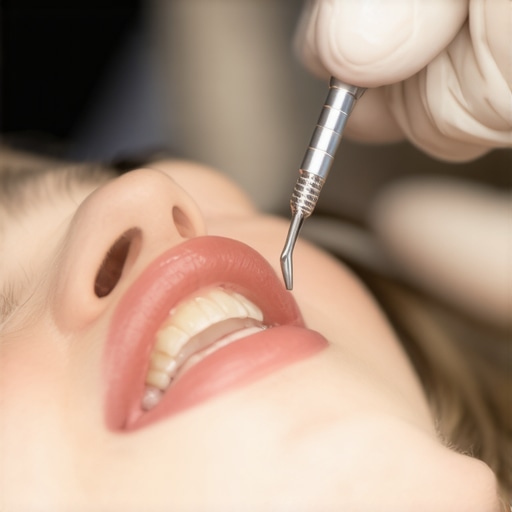 > Many assume that dental health is simply a matter of brushing twice a day and visiting the dentist annually, but this oversimplification can lead to costly mistakes. One common misconception is that all dental procedures, like crowns, are standardized, when in reality, material choice and technique dramatically influence longevity and function. For instance, some believe that any crown will do, but exploring options like zirconia crowns reveals significant differences in durability, especially for patients who grind their teeth—more info can be found at this detailed guide. An advanced mistake many overlook relates to the real cause of crown failure: nocturnal habits. The habit of grinding or clenching often escapes detection but can silently crack your restoration, especially if you’re unaware. Additionally, many underestimate how hydration affects oral health, particularly the common myth that mouthwashes alone are enough to freshen breath. The truth is that underlying gum issues often contribute more significantly to bad breath than surface remedies. This leads to an important question: How can a sophisticated consumer differentiate between superficial fixes and underlying problems? Paying attention to symptoms like persistent sensitivity or gum recession is critical, and regular professional assessments are key. Too often, patients ignore early signs of gum disease or enamel erosion, assuming they’re benign. For example, seasonal sensitivity can be an early warning of deeper issues that *regular* brushing and flossing miss. Be aware that aggressive brushing can also do more harm than good, leading to gum recession or worn enamel—precisely what experts warn against. So, what are the advanced mistakes you might be making without realizing? It’s easy to fall into the trap of neglecting the nuanced differences between surface stains and cavities, but understanding these distinctions can save both time and money. Remember, comprehensive oral health isn’t just about the surface but involves addressing habits, materials, and early signs of trouble. Have you ever fallen into this trap? Let me know in the comments.Maintaining optimal oral health requires more than just good brushing habits; it involves using the right tools and implementing effective maintenance strategies.
Invest in Quality Equipment
As someone deeply committed to family dentistry, I personally swear by a high-quality, electric toothbrush like the Sonicare DiamondClean. Its oscillating-rotating motion and gentle sonic vibrations provide superior plaque removal, especially in hard-to-reach areas. I use it twice daily, always ensuring I replace the brush heads every three months to maintain effective cleaning power. Regularly updating your toothbrush or brush head is crucial for preventing plaque buildup and avoiding unnecessary wear on your gums.
Incorporate Advanced Cleaning Devices
For thorough interdental cleaning, I recommend a Waterpik Ultra Water Flosser. Its pulsating streams easily dislodge debris from between teeth and below the gumline, areas often missed by traditional flossing. I personally find it invaluable for my family’s oral hygiene routine, reducing the risk of gingivitis and cavities around crowns and bridges. Keep in mind: using a Waterpik can significantly enhance the longevity of restorations by minimizing plaque accumulation that can lead to decay or periodontal issues.
Adopt Professional-Grade Supplements
After extensive research, I include a high-quality, antibacterial mouth rinse like Listerine Total Care in our daily routine. It helps reduce oral bacteria, strengthen enamel, and freshen breath. While over-the-counter options are sufficient for many, I opt for a professional-strength rinse periodically recommended by my dentist for long-term results—especially important for patients with crowns or sensitive teeth. Incorporating these supplements into your routine can significantly lower the risk of decay and gum disease, extending the lifespan of dental restorations.
Embrace Regular Professional Maintenance
Despite advances in home care tools, regular professional cleanings remain essential. Schedule biannual visits with your dentist to remove tartar, assess restorations, and catch early signs of issues like decay or gum disease. During these visits, I always request a detailed evaluation of crown fit and integrity, ensuring they remain sealed and functional. Remember, these appointments serve as the cornerstone of long-term oral health care, preventing small problems from escalating into costly repairs.
Look Ahead: The Future of Dental Maintenance
With technological innovations rapidly advancing, we can expect to see more integration of AI-driven diagnostics and smart toothbrushes that monitor brushing technique. These advancements will personalize care plans, helping families maintain their oral health more effectively over time. Staying informed about the latest tools and methods ensures you’re leveraging the best strategies for your family’s dental health.
How do I keep my dental tools working effectively over time?
Regularly cleaning your toothbrush and replacing brush heads, as well as calibrating advanced devices like water flossers, will ensure they perform optimally. Following manufacturer instructions and scheduling routine maintenance checks with your dentist can extend the lifespan of these tools. Additionally, staying educated via trusted resources, such as the American Dental Association, helps you make informed decisions that support long-term oral health.
One advanced tip I recommend trying is integrating a smart toothbrush that tracks your brushing habits and provides feedback via an app. According to the clinical review in the Journal of Dental Research, these digital tools can significantly improve plaque control and promote healthier gums (source). Give it a try and experience firsthand how technology can elevate your family’s dental maintenance routine.
As I reflect on my own journey with family dentistry and maintaining oral health, one lesson stands out vividly: never underestimate the power of subtle signs. Those tiny dark spots can hold a wealth of information, and recognizing their true nature can transform your approach to dental care. The real secret isn’t just about spotting a stain or cavity—it’s about understanding what your mouth is telling you and acting with confidence.
The Lessons My Mirror Taught Me About Oral Clues
- Not all dark spots are equal. Early on, I believed any discoloration was a sign of trouble. It took trial and error, along with expert advice, to realize that superficial stains often fade with better hygiene, while decay requires prompt professional attention.
- The importance of gentle probing. Using a soft touch to assess texture helped me distinguish a tough stain from a soft, decaying area. That small difference saved me unnecessary dental visits and anxiety.
- Monitoring makes a difference. Keeping an eye on the dark spot over time allowed me to see whether it remained stable or worsened—an invaluable tip that prevents reactive afterthoughts.
- Hygiene isn’t a cure-all. Regular brushing and flossing help, but they don’t replace periodic professional checkups. Knowing when to seek expert evaluation is critical for true peace of mind.
Tools That Changed My Approach
- Parenting & Preventive Visits: Starting dental visits early set the foundation for understanding my child’s oral health and recognizing early signs of issues.
- Durable Crown Choices: Knowing about materials like zirconia helped me make smarter choices about restorations, especially for my grinding family members.
- Nighttime Grind Prevention: Addressing nocturnal habits prevented hidden damage to my crowns and preserved my oral health.
Keep Moving Forward with Confidence
Remember, every small sign in your mouth is an opportunity to understand your oral health deeper. Trust your observations, utilize the right tools, and keep learning—your confident smile depends on it. Technology, combined with a proactive attitude, will continue to empower families like yours to make informed decisions. Let these insights motivate you to face each mirror check with clarity and control.
What’s the smallest dental sign you’ve ever ignored that turned out to be important? Share your experience below, and let’s learn from each other’s stories!
,