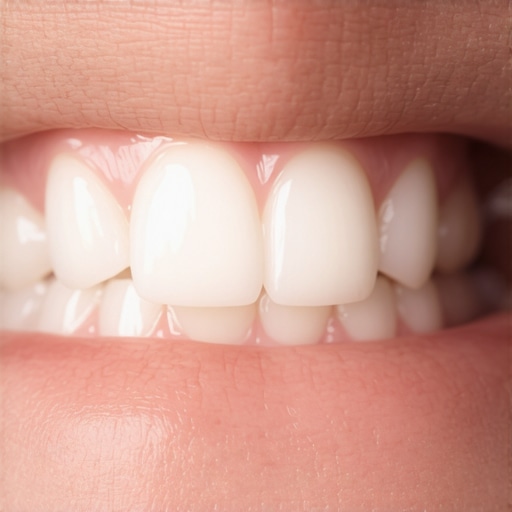
There was a morning not long ago when I caught a glimpse of my reflection and grimaced. My front teeth, which I usually take pride in, looked dull and yellowed — and I hadn’t even finished my coffee. That lightbulb moment hit me hard: no matter how diligent I was with brushing, the stubborn stains kept creeping in, especially on my front teeth. I realized I wasn’t alone in this struggle; many people face the same frustrating battle against unsightly stains that can make us feel self-conscious and less confident.
Why Are Your Front Teeth More Prone to Stains?
Our front teeth are what everyone sees first. They’re constantly exposed to everything we eat, drink, and sometimes even how we breathe. Over time, substances like coffee, tea, wine, or berries can leave residues that cling stubbornly, leading to discoloration. Plus, with age, the enamel—the protective outer layer of our teeth—gets thinner, making stains more visible. Interestingly, a study published in the Journal of Clinical Periodontology notes that dietary habits significantly influence the staining process, especially if oral hygiene isn’t up to par. That’s why I always say, prevention is better than cure, particularly when it comes to keeping our smile bright.
Early in my journey, I made a common mistake: I thought that brushing more often or harder would keep stains at bay. Spoiler alert—it’s not. Aggressive brushing can even weaken enamel, making stains easier to settle in. Once I learned this, I shifted my focus to smarter habits, like proper brushing techniques and diet adjustments, which made a world of difference. For more expert advice on maintaining your dental health holistically, check out this helpful guide.
Is Teeth Whitening the Magic Solution or Just Hype?
Many wonder if whitening treatments are the ultimate fix. While they can noticeably boost brightness, they don’t address the root causes of staining. Plus, some over-the-counter products can be abrasive or ineffective. In my experience, combining preventive measures—such as mindful eating, regular professional cleanings, and using gentle whitening as needed—creates sustainable results. Curious about how crowns and other restorations fit into this? They can sometimes stain differently, but there are ways to keep them looking fresh, too, like following these essential tips.
Before we explore specific strategies, ask yourself: Have you battled with stubborn stains that just won’t budge? If so, you’re not alone, and the good news is, there’s plenty you can do. Ready to dive into practical ways to keep your front teeth sparkling? Let’s get started!
Implement a precise brushing routine like a pro—you’ll need a soft-bristled toothbrush and fluoride toothpaste. Use gentle, circular motions for two minutes, covering all surfaces, especially the front teeth. I vividly recall the first time I dedicated myself to this; after a week, the stubborn coffee stains noticeably faded, boosting my confidence. Regular brushing acts as a barrier, similar to a shield protecting your enamel from the daily assaults of staining agents.
Flossing isn’t optional; it’s the secret weapon to remove plaque and debris between teeth where your brush can’t reach. I once skipped flossing for a day and noticed an increase in surface stains the next morning. When practiced consistently, flossing keeps your teeth smooth and less hospitable to stain-causing bacteria, akin to sweeping debris off a surface to keep it shiny.
Optimizing Your Diet and Beverages
Limit intake of staining drinks like coffee, tea, and red wine. Use a straw to minimize contact with front teeth—this simple trick is like placing a barrier that prevents liquids from settling on your teeth’s surface. I started using a straw during my morning coffee, and within days, I observed a reduction in new stains forming—think of it as diverting the stain-causing flow away from your smile.
Incorporate crunchy fruits and vegetables such as apples, carrots, and celery. They act like natural toothbrushes, scrubbing away surface stains and promoting saliva production, which neutralizes acids and helps remineralize enamel. Once, I snack on raw carrot sticks after coffee, and the counterintuitive cleaning effect surprised me. These foods serve as daily mini-cleaners embedded in your diet.
Professional Cleanings and Whitening Techniques
Set appointments with your dentist for professional cleanings every six months. Think of it as routine maintenance on your car—essential to remove tartar and deep stains that home care can’t eradicate. I recall visiting my dentist for a cleaning that instantly brightened my smile, and the effect lasted for months thereafter.
Use Gentle Whites at Home
Opt for non-abrasive whitening toothpastes and consider professional-grade whitening kits if staining persists. Always follow instructions meticulously—over-bleaching can damage enamel, much like overusing abrasive tools can etch glass. I tried a whitening pen once, applying it for five days; the results were subtle but noticeable without any sensitivity, proving that patience and moderation pay off.
Restorations and Their Long-Term Care
If you’ve invested in crowns or veneers, their maintenance is vital. They can stain differently, but regular cleaning with a soft cloth and avoiding stain-rich foods prolongs their shine. My recent experience with a porcelain crown taught me that soft, gentle cleaning combined with avoiding dark beverages significantly extends its aesthetic life. For specific guidance, check out these care tips.
Adopting these targeted actions ensures your front teeth stay bright and stain-free longer. Remember, consistency is key—small daily routines compound into big, lasting results, transforming your smile one step at a time. For more comprehensive advice, explore this guide and make your oral health a priority.Many believe that brushing more aggressively or frequently leads to better dental health, but in reality, overdoing it can damage enamel and gums, making the problem worse. This common misconception often results in sensitivity, recession, or even recession of gums, which can accelerate staining and decay. Moreover, some assume that professional cleanings alone are sufficient, overlooking the importance of daily habits and proper techniques. Critically, neglecting the nuanced differences between crowns and natural teeth can lead to premature staining or damage if not maintained correctly. For example, crowns benefit from gentle cleaning routines and avoid abrasive toothpaste, a detail many overlook. To truly optimize your oral health, understanding the complexities behind family dentistry routines and how restorations like crowns are affected is vital. Regularly scheduled visits are fundamental, but without proper home care tailored to your specific dental work, long-term results suffer. Curious about advanced nuances?
Why do some dental restorations stain differently despite regular care?
Studies reveal that materials like porcelain and composite resin used in crowns and veneers respond diversely to staining agents, emphasizing the need for specialized cleaning protocols. For instance, expert advice recommends gentle, non-abrasive cleaners for restorations, contrasting with the harsher pastes acceptable for natural teeth. Many overlook this detail, risking uneven discoloration or damage. Furthermore, misconceptions about the universality of oral hygiene products can be detrimental. Using whitening toothpaste on crowns won’t yield uniform results, and some products may even harm the material. Therefore, tailoring your routine based on your dental restorations is essential for longevity and aesthetics. Remember, effective oral care isn’t just about cleanliness—it’s about understanding the material’s nuances, avoiding common pitfalls, and customizing your practices. Have you ever fallen into this trap? Let me know in the comments.
How do I keep my dental routine effective over time?
Maintaining oral health doesn’t mean just brushing and flossing; it involves using the right tools that elevate your daily routine. One tool I rely on heavily is a **sonic electric toothbrush** like the Philips Sonicare ProtectiveClean. Its gentle yet thorough brushing action removes plaque more effectively, especially in hard-to-reach areas, compared to manual brushes. I personally appreciate the timers built in, which ensure I meet the two-minute brushing standard, endorsed by the American Dental Association. Additionally, replacing the brush head every three months is critical for maintaining optimal hygiene, as recommended by expert advice.
Another indispensable item is **ultrasonic dental scalers** for at-home use. While professional cleanings are essential, an ultrasonic scaler can help break up tartar between visits, keeping the surface smooth and resisting stains. I’ve been using the Waterpik Sonic-Fusion device, which combines water flossing with sonic brushing, providing a dual-action clean that boosts gum health and prevents stain buildup. Think of it as having a portable dental hygienist at your fingertips. Over time, these tools help reduce reliance on harsh whitening agents and extend the longevity of your restorations, like crowns or veneers. For those with crowns, gentle, non-abrasive cleaning tools are vital, as aggressive scrubbing can damage the restoration surface; learn more about maintaining crowns here.
In terms of software, using a **dental health app** like Brush DJ or MySmileFace helps remind me to stick to my routine and track my progress. These apps can integrate with devices and even provide educational content, turning routine care into an engaging activity. I find that staying consistent with these tools not only preserves my smile but also boosts my confidence in long-term maintenance. Looking ahead, the trend is moving toward **smart toothbrushes** with Bluetooth connectivity that give real-time feedback, helping users adjust technique immediately. This predictive evolution could drastically improve oral health outcomes if adopted widely.
What advanced tools can boost your long-term results?
For example, high-quality **light-curing whitening pens** like the AuraGlow offer precise application, allowing you to target stubborn stains in the comfort of your home. Their controlled delivery reduces the risk of overexposure and damage. Pairing these with regular professional cleanings enhances results significantly, as noted in professional guidance.
Switching to the right tools for your dental care routine isn’t just about immediate aesthetics—it’s about investing in a sustainable, low-maintenance smile. As technology progresses, I recommend experimenting with at least one advanced device, like a sonicare toothbrush or ultrasonic scaler, to see how it elevates your routine. You’ll find that consistent, smart use of these tools can delay the need for invasive procedures and preserve the shine of your crowns for years to come.
Lessons I Wish I Knew About Bright Smiles
- Understanding the true nature of staining helped me stop obsessing over brush quantity and focus on technique and diet, leading to long-lasting whitening effects.
- My biggest eye-opener was realizing that not all dental restorations respond the same way to cleaning routines—knowing material types can save money and preserve their shine.
- Real professional advice often goes beyond tips available online; my visits to the dentist provided tailored strategies that dramatically improved my oral health.
- Adopting smart tools like sonic toothbrushes and ultrasonic scalers transformed my daily routine, making maintenance easier and more effective.
- Consistency in habits beats occasional overhauls—regular care, small daily actions, and proper techniques create a smile that truly radiates confidence.