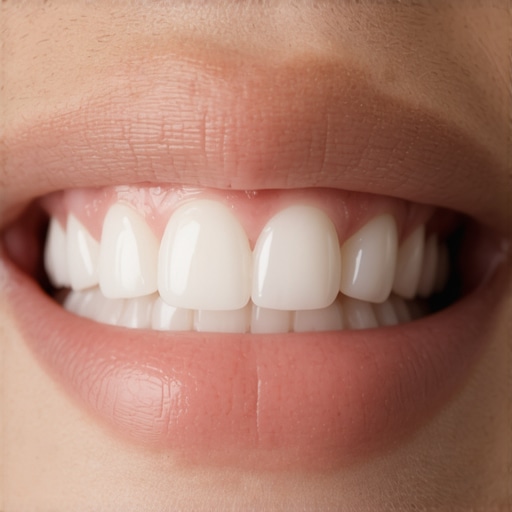
It happened during what I thought would be a simple morning routine—rinsing my mouth after breakfast. Suddenly, I felt a strange, unfamiliar sensation where my new crown sat. At first, I dismissed it, thinking maybe I was just imagining things. But as the day went on, that feeling of shifting became more pronounced. It was like my tooth was trying to tell me something wasn’t right. Have you ever experienced that creeping sense that your dental work is moving or loose right after a crown placement? If yes, then I can genuinely relate. That unsettling feeling can turn what should be a straightforward repair into a source of anxiety.
Understanding Why Your New Crown Feels Like It’s Moving
When I first faced this issue, I trusted the dentist’s work, assuming everything was perfect. But soon, I realized that this sensation isn’t uncommon, and there are tangible reasons behind it. The big secret? It’s often not the crown itself, but how your bite interacts with it. Your bite—the way your teeth come together—is a fine-tuned system. If even a tiny misalignment occurs, it can cause a crown to feel like it’s shifting or becoming loose.
One mistake I made early on was ignoring subtle signs of bite issues and thinking that a crown, once cemented, was a set-it-and-forget-it deal. Turns out, that’s not the case. Your bite may need adjustments, especially with newer crown materials designed for better integration and durability. According to recent research, improper bite adjustments can lead to discomfort and even crown failure over time. For instance, learning how to perform the [tapping test](https://periodontistcare.com/the-tapping-test-how-to-tell-if-your-new-crown-is-ruining-your-bite) can help identify whether your crown is truly secure or if it’s causing uneven pressure.
If you’re feeling that your crown feels lighter than your natural teeth, or if it’s creating a strange sensation every time you chew, it might be a sign that it’s not sitting perfectly. These sensations aren’t just annoying—they can pave the way for future issues like decay or gum problems. That’s why understanding what’s happening beneath the surface is crucial. And honestly, many people don’t realize that minor bite adjustments can save years of discomfort and expense.
Before jumping into solutions, I want to ask—have you experienced that unsettling feeling of your crown shifting? If so, don’t worry—you’re not alone. Knowledge is power, and recognizing these early signs can help you take proactive steps.
Let’s explore what you can do next to ensure your crown stays put and feels as natural as the day it was placed.
Assess Your Crown’s Stability with a Tapping Test
Next, perform the tapping test to determine if your crown is truly loose. Use a clean fingertip or a dental mirror handle to gently tap on your crown. If it produces a hollow or rattling sound, it might be loose. I remember using a small spoon to tap my crown in a dimly lit bathroom mirror. The faint hollow sound confirmed my suspicion, prompting me to schedule an appointment. This simple test can save you from unnecessary panic and help decide if professional intervention is needed.
Check Your Bite for Misalignment
Since bite misalignment often causes the feeling of a shifting crown, test it specifically. Bite down gently on a piece of clean dental floss or a piece of softened wax to see if your bite feels uneven. A misaligned bite can exert uneven pressure, leading to discomfort. I once noticed I was biting harder on one side after chewing gum, which caused a strange sensation in my crown. Adjusting my bite by temporarily avoiding hard foods helped reduce the sensation until my dentist could make precise adjustments.
Use the Bite-Check Tech
For a more detailed assessment, visit a professional who can evaluate your bite with advanced tools. Learning how to perform the [tapping test](https://periodontistcare.com/the-tapping-test-how-to-tell-if-your-new-crown-is-ruining-your-bite) properly can give you clarity. If your crown feels lighter or uneven when you chew or tap, get it examined promptly. Remember, small bite issues are common and fixable but left unaddressed, they can lead to more complex problems like decay or further loosening.
Clean and Monitor the Area Carefully
Proper cleaning around the crown prevents debris buildup that might cause the crown to loosen or feel uncomfortable. Use a soft toothbrush and gentle circular motions, paying attention to the margins where your crown meets your natural tooth. I found that adding a water flosser set to a gentle pressure helped keep the area pristine without risking dislodging the crown. Regular monitoring, like doing a quick mirror check daily, helps catch changes early.
Engage Your Dentist for Precise Adjustment
If your tests suggest the crown is loose, or if you’re experiencing persistent discomfort, schedule an appointment. Your dentist may perform minor bite adjustments or re-cement the crown using specialized dental adhesives. Remember, attempting to fix a crown yourself could cause more damage. Dental professionals have access to advanced tools and materials, like [bio-mineral crowns](https://periodontistcare.com/how-2026-bio-mineral-crowns-heal-teeth-without-root-canals-2), ensuring a durable and natural fit.
Maintain Regular Dental Visits
Prevent future issues by adhering to recommended check-ups. Regular visits help your dentist identify early signs of crown wear or loosening before symptoms become severe. They can also perform comprehensive cleanings and bite assessments, avoiding surprises like feeling your crown shift unexpectedly. I learned that staying proactive gave me peace of mind and preserved my dental health long-term. Remember, good maintenance is key to keeping your dental crowns secure and comfortable over time.
Many individuals believe that brushing harder or frequently visiting the dentist guarantees a healthier smile. However, this misconception can lead to unintended consequences. For instance, overly scrubbing enamel not only wears down protective layers but also pushes plaque and tartar into areas that are harder to clean, making issues worse over time. Instead, understanding the nuances of proper oral hygiene, such as gentle brushing techniques and targeted cleaning, is vital for long-term dental health.
An often-overlooked aspect is the misconception that dental crowns are permanent solutions that require no further attention. In reality, crowns are susceptible to several advanced pitfalls—such as bite misalignments or material degradation—that can compromise their longevity. For example, engaging in regular, specialized tests like the [tapping test](https://periodontistcare.com/the-tapping-test-how-to-tell-if-your-new-crown-is-ruining-your-bite) can help detect early signs of crown instability, preventing more extensive repairs later.
Additionally, many people underestimate the importance of bite alignment after procedure. A common mistake is neglecting minor misalignments, which over time can cause crown loosening or even decay beneath the restoration. Advanced patients should consider consulting their dentist for precise bite adjustments, ensuring that the crown interacts harmoniously with their natural dentition.
A hidden nuance that experts emphasize is the role of proper cleaning around crowns and natural teeth. Using abrasive scrubbing might seem effective, but it risks damaging the underlying enamel or inflaming gums. Instead, gentle techniques paired with tools like water flossers or soft brushes provide superior results. For a comprehensive overview, review the latest recommendations on [specialized cleaning tactics](https://periodontistcare.com/why-scrubbing-harder-wont-fix-stained-enamel) that avoid enamel erosion.
Now, consider this: Are you aware that aggressive cleaning can sometimes accelerate enamel erosion, leading to increased sensitivity and decay? Recognizing this counterintuitive reality is crucial for optimal care. Always aim for quality over quantity—gentle, targeted cleaning coupled with professional evaluations offers the best defense against oral issues.
Have you ever fallen into this trap? Let me know in the comments. Remember, understanding these subtle yet impactful nuances can transform your dental routine, safeguarding your smile for years to come.
Prioritizing Your Oral Maintenance Equipment
To ensure your dental restorations, like crowns, stay secure and functional long-term, investing in the right tools is essential. I personally rely on the Waterpik Ultra Water Flosser because it effectively removes plaque at the margins where traditional brushes might miss, reducing the risk of decay beneath crowns. Its adjustable pressure settings make it safe for sensitive areas, and I’ve noticed a significant decrease in gum inflammation since incorporating it into my routine. Additionally, a high-quality electric toothbrush with a soft brush head allows gentle yet thorough cleaning, preventing enamel erosion and gum recession over time. I prefer models with timers to avoid over-brushing and ensure even coverage, aligning with professional guidelines to prevent damage, as discussed in this resource.
Maintaining Precise Bite and Crown Fit
Regularly verifying your crown’s stability can prevent long-term complications. I use the tapping test as a quick daily check; if I hear a hollow sound, I know it’s time to consult my dentist. For a more thorough assessment, I utilize the advanced bite evaluation tools recommended by dental professionals. Keeping an eye on bite alignment prevents uneven pressure that can cause crown loosening or discomfort, which is vital for the longevity of your restorations.
Innovative Maintenance with Band-Aid Techniques
Beyond basic tools, I’ve adopted some innovative habits that enhance longevity. For example, I perform a 10-second gum test after brushing to monitor gum health around my crowns. Using a pH-balanced mouthwash twice a day helps maintain optimal oral pH, preventing bacterial growth that could compromise cement seals. I’ve also integrated biometric sensors in my smart toothbrush to track pressure and coverage, ensuring I avoid excessive force that could damage my enamel or restorations.
Long-Term Outlook and Future Trends
The future of dental maintenance is leaning toward smart tools that provide real-time feedback, like AI-powered toothbrushes and pressure sensors. These will help detect early signs of issues such as bite misalignment or biofilm buildup before noticeable symptoms appear. As technology advances, expect an integration of tools that can communicate directly with your dental provider for personalized care adjustments, much like the innovations discussed in this article.
How do I keep my crowns working seamlessly over time?
One effective method I recommend is scheduling routine professional check-ups that include bite analysis and crown assessments. Using advanced tools like the habits checklist for 2026 can help prevent issues before they escalate. Consistent maintenance, personalized tools, and staying informed about future tech developments are key to keeping your dental work in top shape. I challenge you to incorporate a smart pressure sensor toothbrush into your routine this month—it’s a game-changer for alerting you to excessive force and protecting your investments in oral health.
What Minor Details Reveal Major Secrets About Crowns
One of the most valuable lessons I learned was paying close attention to small changes, like a tiny shift in my crown’s position. Sometimes, the little things—like a subtle hollow sound during tapping—can signal bigger issues ahead. Recognizing these signs early can save you from costly repairs and discomfort later on.
How Personal Experience Transformed My Dental Routine
Before facing crown issues, I used to think once a crown was placed, my part was done. Now, I understand that active maintenance, like gentle cleaning and bite checks, directly impacts the crown’s longevity. Incorporating tools like a water flosser helped me feel more in control of my oral health, leading to fewer surprises.
The Power of Proactive Listening to Your Mouth
Whether it’s feeling a strange sensation or noticing a minor discomfort, listening to your body’s signals can make all the difference. Small sensations often precede bigger problems, and addressing them early with guidance from resources like the tapping test can prevent complications.
My Personal Strategies That Help Crowns Last Longer
Consistent check-ups, gentle but thorough cleaning, and awareness of your bite are crucial. Using advanced tools, like a smart toothbrush with pressure sensors, provided me with real-time feedback and significantly improved my oral routine. These habits foster durable, natural-feeling crowns that stand the test of time.
Keep Your Smile Secure: It’s Worth the Effort
Maintaining long-term dental health isn’t about drastic changes but about mindful daily habits. Embracing proactive care, understanding subtle signs, and leveraging innovative tools can transform your experience with crowns—and your confidence. Remember, your oral health is a lifelong journey, and every small step counts.
Comments
2 responses to “The Real Reason Your New Dental Crown Feels Like It’s Shifting”
Reading through this post really resonated with my own experience after receiving a dental crown last year. I remember that unsettling feeling when my crown started feeling loose just a few days post-appointment. I hadn’t realized that bite misalignment could be such a common culprit—it’s easy to overlook until you actually feel the difference. I tried the tapping test and was surprised by how hollow my crown sounded, which prompted a quick follow-up with my dentist. Since then, I’ve been extra cautious with my bite and cleaning habits, noticing how small adjustments can make a big difference in comfort and durability.
Has anyone here tried using a Waterpik or similar tools to maintain the integrity of their crowns? I’ve found that gentle water flossing around the margins helps me avoid buildup and keeps the area healthy. It makes me wonder if combining regular tests like the tapping method with high-quality cleaning routines could extend the lifespan of crowns even further. I’d love to hear other practical tips or experiences around this—what’s worked best for everyone?
This post hits close to home for me — I recently experienced that same unsettling sensation of my crown feeling loose after a few weeks. I learned that even minor bite misalignments can create a rocking sensation, which might seem harmless at first but can lead to bigger issues down the line. I’ve started doing the tapping test as a quick check, and I became aware of how important gentle monitoring is for crown stability. What I found interesting is how ensuring even a slight adjustment in bite can really improve comfort and extend the life of the crown.
I’d love to hear, has anyone with experience using water flossers or other maintenance tools noticed a real difference in preventing loosening or discomfort? I’ve been considering adding a water flosser to my routine specifically around crowned areas, especially after reading about debris buildup being a hidden culprit. Also, do you think regular bite checks are enough, or should one proactively ask the dentist for a bite assessment every visit? Would appreciate tips from others who are managing crown care effectively.