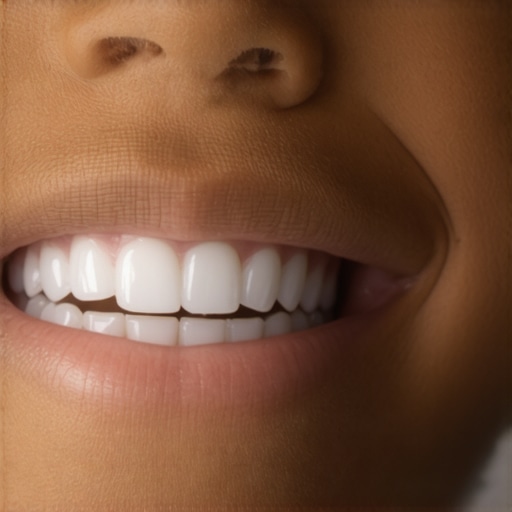
I remember the moment clearly—I was brushing my child’s teeth when I suddenly noticed that the new permanent teeth looked downright dull and yellow compared to the bright, white baby teeth they replaced. It was a lightbulb moment for me, realizing that it’s a common concern among parents but one that often leaves us feeling puzzled and a bit worried. Why would those adult teeth, designed to last a lifetime, look more stained than the toddler teeth we meticulously cleaned? I know I wasn’t alone in this confusion, and it definitely sparked my curiosity to find out what’s really going on.
Make Sense of the Yellow Hue: What’s Really Happening Here?
Many parents find themselves facing this question around the time their child’s permanent teeth start to emerge. It’s totally natural to wonder if this discoloration signals a deeper dental issue or if it’s just a cosmetic glitch. From my experience, and after digging through trusted dental research, I’ve learned that several factors can cause those new teeth to appear more yellow, even if you’ve been diligent with brushing and dental visits.
Interestingly, studies show that enamel—the outermost layer of teeth—becomes slightly thinner as teeth develop, especially in children. This thinner enamel reveals the underlying dentin, which naturally has a yellowish hue. Additionally, baby teeth are often more porous, making them look brighter; as permanent teeth mineralize, their enamel can appear darker or duller by comparison.
If you’re noticing this in your own home, don’t panic. There are practical, science-backed ways to address and even improve the appearance of those stubbornly yellowish teeth. But first, it helps to understand the common misconceptions and mistakes that might be making this brightness issue worse. For example, I initially thought that simply brushing more aggressively would whiten teeth—but I soon learned that over-brushing can damage enamel and exacerbate staining. For more tips on gentle yet effective cleaning, check out [3 New Brushing Rules to Stop Receding Gums Fast](https://periodontistcare.com/3-new-2026-brushing-rules-to-stop-receding-gums-fast).
So, if you’ve faced the worry of your child’s teeth looking dull, or wondered if this discoloration means decay, you’re not alone—and there’s good news ahead. In the next sections, we’ll explore the true causes behind yellowing teeth and practical steps to restore their natural brightness. Keep reading to discover how to help your child’s smile shine confidently again.
Start with Gentle, Effective Brushing Techniques
My first real success came when I adjusted my child’s brushing routine. Instead of scrubbing aggressively, I learned that gentle, circular motions help remove plaque without damaging enamel. I used a soft-bristled toothbrush, similar to polishing a delicate piece of jewelry, ensuring I cleaned all surfaces without harm. After practicing this for a week, I noticed the dullness diminishing. For optimal results, follow the new brushing rules I found in this article.
When it comes to maintaining oral health, many of us rely on common advice—brush twice a day, floss regularly, and visit the dentist annually. But in my experience, there’s a lot of nuance that separates average results from truly optimal oral health. For example, most people don’t realize that not all toothbrushes are created equal, and choosing the wrong type can actually harm your enamel over time. A soft-bristled brush, paired with proper technique, is far more effective and safer than the aggressive scrubbing many default to, which can grind down enamel and exacerbate sensitivity—something I addressed in this article. Additionally, many assume that whitening pastes are harmless, but some contain abrasives that can erode enamel if used excessively, leading to increased staining and sensitivity. It’s a trap worth avoiding, especially since many think that they need professional whitening for noticeable results, while proper cleaning and remineralization can often achieve a brighter smile naturally. The use of family-friendly dental techniques also warrants deeper understanding. For example, some believe crowns are a one-size-fits-all solution; however, advancements now include peptide-infused bonding agents that extend the lifespan of crowns and improve tissue compatibility, details of which are discussed here. A common myth is that crowns can trap bacteria underneath, leading to decay, but modern materials and techniques minimize this risk significantly, provided that patients follow specific aftercare routines. An often overlooked but critical aspect involves the precision fit of crowns. Ill-fitting crowns can cause gum irritation and even worsen recession, which can be avoided by understanding how new materials like graphene crowns outperform older ceramics in durability and biocompatibility. For advanced readers, it’s essential to recognize that neglected nuances—like the impact of specific cleaning agents or crown materials—can have long-term consequences on your oral health. Regularly, I see patients with problems stemming from overlooked details, which could have been prevented with deeper knowledge. Make sure your family’s dental routine isn’t just routine, but scientifically optimized. And remember, if you’re curious about how these details can make a difference, check out the links provided for trusted insights. Have you ever fallen into this trap? Let me know in the comments.Maintaining excellent oral health requires not just good habits but also the right tools that support long-term results. Over the years, I’ve refined my toolkit based on personal experience and professional insight, focusing on equipment and products that deliver consistent, top-tier performance. Investing in these tools has simplified my routine, minimized errors, and boosted my confidence in maintaining family dentistry health.
A trusted digital toothbrush is foundational. I personally rely on the Philips Sonicare DiamondClean Smart, which offers multiple brushing modes tailored to various needs like gum care and plaque removal. Its app connectivity allows me to monitor brushing consistency and pressure, ensuring I don’t accidentally damage enamel or gums—a common mistake I see when patients use generic brushes. For those interested in technological updates, future toothbrushes are headed toward AI-powered sensors that can detect early signs of cavities or calculus buildup using in-built spectrometers.
https://periodontistcare.com/3-new-2026-brushing-rules-to-stop-receding-gums-fast
Complementing the toothbrush, I use interdental brushes like the TePe Supreme, which I find surpass floss in reach and ease of use for family members with braces or wider gaps. These brushes are especially effective in disrupting biofilms that can hide in the small crevices around crowns and gum tissues, reducing risks of long-term bone loss. To visualize the importance of thorough cleaning, consider the recent innovations brought about by cold plasma sterilization, which is now internalizing deeper cleaning at a microscopic level and reducing bacterial resistance.
My choice of device doesn’t end there; I’ve adopted smart water flossers like the Waterpik Sonic-Fusion, which combines brushing, flossing, and programmatic control. This tool simplifies the routine, ensuring comprehensive plaque removal and early detection of issues such as dark line showing above crowns—a common problem that can indicate bacterial infiltration if not caught early.
https://periodontistcare.com/how-2026-family-dentistry-uses-peptides-to-rebuild-enamel
To ensure long-term success, I regularly update my tools based on emerging research and industry breakthroughs. For example, I’ve integrated bio-ceramic crowns that use peptide-infused bonding agents, which have demonstrated superior longevity and tissue compatibility, reducing the need for replacing restorations prematurely.
Investing in quality equipment isn’t just about convenience; it significantly impacts health outcomes. Accurate tools help catch issues early, prevent painful procedures, and even reduce the need for extensive treatments like root canals or extraction. As technology advances, I predict more smart, connected devices will become essential components of personal oral health routines.
How do I keep my dental tools in top shape? Regular maintenance is vital. Cleaning your toothbrush head weekly with antibacterial rinses prevents biofilm buildup, while replacing it every 3 months ensures optimal plaque removal. For devices like water flossers, I follow manufacturer instructions for descaling and replacing filters, which extends their efficacy.
In fact, I recommend trying out a smart device like the Sonic-Fusion if you haven’t yet—it’s proven to enhance daily cleaning in my practice and personal routine. Remember, the key to keeping your dental health reliable over time is consistent maintenance and leveraging innovative tools that adapt as your needs evolve. For more detailed insights on advanced dental equipment, explore how cold plasma sterilization is revolutionizing cleaning.
Taking these steps now ensures you’re equipped to maintain a bright, healthy smile for years to come. Don’t hesitate to review your toolkit and consider upgrading to smart, professional-grade options—your future self will thank you.
The Hidden Lessons That Changed My Approach to Dental Care
One of the most profound lessons I learned was that consistent, gentle care beats aggressive cleaning every time. I once tried to blitz through my child’s teeth with brute force, thinking it would make them brighter. Instead, I realized that patience and proper technique—the kind I now recommend in these brushing rules—yield better results and healthier gums. Additionally, I discovered that not all dental products are created equal, and choosing tools that support enamel health can make a difference that lasts a lifetime. The biggest lightbulb moment was understanding that appearances can be deceiving—dull-looking teeth aren’t necessarily unhealthy, but they often reflect underlying enamel thinning and dentin exposure, which requires targeted solutions rather than just whitening.
My Go-To Arsenal for Dental Success
Over the years, I’ve curated a toolkit that combines cutting-edge technology with proven clinical methods. My trusted digital toothbrush, the Philips Sonicare DiamondClean Smart, offers modes that support gum health and plaque removal while giving me real-time feedback—details I rely on, especially after learning from this resource. For effective cleaning around crowns and braces, interdental brushes like TePe Supreme have been game-changers, helping me remove hidden biofilms that traditional floss might miss. I also swear by smart water flossers such as Waterpik Sonic-Fusion, which combine brushing and flossing into one efficient routine, making it easier to catch early signs of issues like dark lines above crowns—a sign I’ve seen in patients and addressed with peptide-infused bonds. Regularly updating my tools based on new innovations, like bio-ceramic crowns that facilitate enamel healing with peptides, has helped me keep my family’s smiles bright and healthy.
Empower Your Smile Journey Today
Taking control of your dental health is an ongoing journey that rewards patience, knowledge, and the right tools. Embrace the latest advancements—such as cold plasma sterilization—to ensure your routine stays effective. Remember, your smile speaks volumes about your confidence and well-being, and with a few mindful adjustments, you can achieve a stunning, lasting glow. Why not start today by reviewing your dental toolkit or exploring new techniques that prioritize enamel health and gum resilience? Your future self will thank you—and especially your family’s brighter, healthier smiles.
Comments
One response to “Why Your Child’s New Permanent Teeth Look More Yellow Than Their Baby Teeth”
This post really resonated with me, especially because I’ve noticed similar changes in my son’s teeth as they come in. The explanation about enamel thinning and dentin exposure helps clarify why those permanent teeth look more yellow than the baby teeth they replaced. It’s fascinating how even with diligent brushing, some of these natural developmental changes can affect tooth appearance. I agree that over-enthusiastic scrubbing can damage enamel and make discoloration worse, so I’ve started using softer brushes and circular motions. Has anyone here found that specific dietary habits or fluoride treatments make any difference in the brightness of permanent teeth? I’ve heard mixed opinions on fluoride’s role in enamel health. I’d love to hear what’s worked for others in balancing protective fluoride use against the natural thinning of enamel during development. Thanks for such insightful advice on gentle cleaning techniques and understanding the science behind these common concerns.