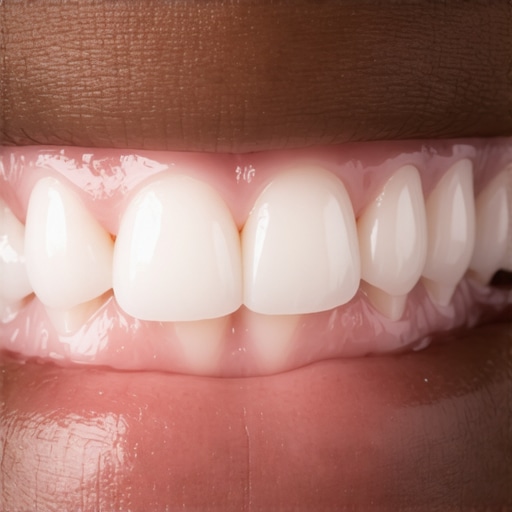
Ever looked in the mirror after getting your braces taken off and suddenly noticed those pesky white patches on your teeth? I remember the moment vividly — it felt like a punch to the gut. I had worked so hard for that perfect smile, only to be greeted by the dreaded white spots. Turns out, I wasn’t alone. Many people face this puzzling and frustrating issue, and learning about its causes can be a real eye-opener.
Why Do White Spots Appear After Braces?
White spots on teeth after orthodontic treatment are more common than you’d think. These spots, technically known as decalcification lesions, are areas where the enamel has begun to lose minerals. Often, they’re linked to plaque buildup around brackets and wires during braces, which can produce acids that erode the enamel if not properly cleaned. This process can leave your teeth looking less than their best, even when your smile is perfectly aligned.
Understanding this common problem can genuinely change how you approach your oral care routine post-braces. It’s not just about aesthetics; these spots can sometimes develop into cavities or other dental issues if left unchecked. That’s why I want to share what I’ve learned from personal experience and expert advice, to help you avoid the pitfalls I inadvertently fell into.
Have you noticed white patches on your teeth after your orthodontic journey? Or maybe you’re worried about the long-term effects of these spots? You’re not alone, and the good news is that with the right knowledge, you can effectively prevent and treat them.
But before we dive into practical prevention tips, let’s tackle the skepticism many have: “Are these white spots really all that serious?” It’s a valid concern, especially since some assume they simply fade away over time or aren’t worth bothering about.
Is the Hype About White Spots Overblown?
I used to think that these patches were harmless or a normal part of getting braces off. I made the mistake of ignoring them initially, thinking they would disappear naturally. That was a big mistake. Over time, I realized that if caught early, these spots can be minimized or even reversed with proper care. Expert advice confirms that early intervention makes a significant difference—more on that later.
If you’re feeling overwhelmed or unsure about what steps to take next, don’t worry. There are straightforward ways to combat these spots, and I’ll walk you through them. For now, understanding the root causes and being vigilant with your oral hygiene can save you from more extensive issues down the line. To reinforce your knowledge, I recommend reading more about the role of crowns and other restorative options that can help fix long-term damage [here](https://periodontistcare.com/understanding-the-role-of-crowns-in-modern-smile-makeovers). Now, let’s get into what you can do today to protect and restore your smile.
Maintain a Rigorous Oral Hygiene Routine
Start by brushing thoroughly at least twice a day using a soft-bristled toothbrush. Focus on cleaning around brackets and wires with gentle, circular motions to remove plaque effectively. Incorporate an interdental brush or floss threader to reach between teeth and under wires, preventing plaque buildup that contributes to white patches. I remember spending extra minutes meticulously cleaning my smile after every meal, which significantly reduced the white spots over time. For additional guidance, check out this comprehensive oral health routine.
Use Fluoride Products Smartly
Apply fluoride toothpaste daily to reinforce enamel strength. Consider using a fluoride rinse after brushing to enhance mineralization in vulnerable areas. At one point, I started rinsing with a fluoride solution every evening, noticing a gradual whitening of the spots. Fluoride acts like a patching agent for your enamel, similar to how a family dentist applies sealants to protect high-risk areas. For best results, follow expert advice on fluoride application from this resource.
Limit Stain-Causing Foods and Drinks
Reduce consumption of sugary, acidic, or pigmented items like soda, coffee, and dark berries during your recovery. Think of your teeth as a delicate paintwork; frequent exposure to stains can set the white patches into darker stains. I learned this the hard way when my evening coffee stained the enamel around my braces, making the white spots stand out more. Drinking through a straw or rinsing your mouth afterward can help minimize staining. For a deeper understanding of diet’s impact, see this guide on family-friendly dental habits.
Schedule Professional Teeth Cleaning
Visit a dental professional at least every six months for professional cleaning. Dentists use specialized tools to remove plaque and tartar hidden in narrow spaces, especially around orthodontic appliances. During my cleaning session, the hygienist used ultrasonic scalers, which not only cleaned but also invigorated my enamel’s surface. These cleanings ensure that no residual plaque remains to produce acids that cause decalcification. To maximize your care, follow these effective home-based cleaning secrets combined with professional visits.
Consider Restorative Treatments if Needed
If white spots persist or worsen, consult a dentist regarding options like microabrasion, bleaching, or even placing dental crowns for severe cases. Think of crowns as a protective roof over damaged homes; they shield the tooth and restore appearance. When I noticed stubborn patches, professional whitening and microabrasion helped significantly, restoring my smile’s natural shine. Learning about how crowns can dramatically improve dental confidence is essential, as explained here.
Stay Consistent and Patient
Reversing white spots takes time—be persistent with your improved routine and don’t get discouraged. In my experience, consistency was key; after several months of diligent care, the white patches diminished noticeably. Remember, your teeth respond to treatment like a loyal team working together, and patience yields results. If you’re unsure about next steps, reliable guidance from your dentist can make all the difference, as outlined here.
While many people think they understand dental crowns and family oral care, the reality is often more nuanced than popularly believed. A frequent mistake is assuming all crowns are equally durable; in fact, material choice and placement technique significantly influence longevity and performance. Contrary to the myth that crowns are only for aesthetics, they serve critical functional roles, like protecting weakened teeth from further damage, which can be overlooked if one isn’t well-informed.
What Advanced Factors Should I Consider Beyond Basic Dental Crowns?
Elements such as proper occlusion, underlying bone health, and custom fit are vital for success, yet many overlook these aspects, leading to complications down the line. Expert insights highlight that a crown’s success isn’t just about its immediate appearance but how it integrates with your entire oral ecosystem. Neglecting regular maintenance can accelerate wear or trigger secondary issues like gum recession, undermining long-term results. For those serious about their oral health, understanding these hidden nuances can make all the difference. Furthermore, many underestimate the importance of comprehensive family dentistry. It’s not merely about treating cavities but about fostering habits and preventive measures tailored to each age group, which reduces the need for invasive procedures later. Regular professional teeth cleaning, for example, might seem straightforward, but choosing the correct cleaning protocol and tools according to individual needs ensures optimal results. Interestingly, some believe that at-home care can replace professional cleanings entirely. While daily routines are essential, studies indicate that professional cleanings remove tartar and plaque stubbornly hidden deep between teeth and beneath gums, which home methods can’t thoroughly address. This emphasizes the importance of understanding the true scope of a thorough oral health routine. Finally, a common misconception is that oral health is isolated from overall wellness. Yet, emerging research links periodontal health with cardiovascular conditions, diabetes management, and even cognitive health. Ignoring subtle signs like gum bleeding or sensitive teeth can lead to broader health implications. The key takeaway? A well-rounded approach, combining expert professional care and informed daily practices, is fundamental. To explore effective strategies, check out this guide on crowns in modern dentistry. Stay proactive, and don’t let misinformation hold you back from achieving your healthiest smile. Have you ever fallen into this trap? Let me know in the comments.Maintaining a healthy smile over the years requires more than just good habits; it hinges on using the right tools and strategies rooted in proven methods. To ensure your crowns, family dentistry routines, and oral health stay in top shape, I personally rely on specialized equipment and software that make long-term management feasible and effective. For example, I highly recommend investing in a high-quality electric toothbrush, such as the Oral-B Genius series, which I use daily because of its superior plaque removal capabilities and built-in timers that ensure thorough cleaning. Regular flossing is also essential, and I prefer a water flosser like the Waterpik Aquarius; its targeted pulsating water jets can access hard-to-reach areas around crowns and braces, promoting healthier gums. Incorporating these tools into your routine can significantly reduce the risk of plaque buildup and white spots, prolonging the life of restorative work and improving overall oral health.
How do I maintain my dental tools effectively over time?
Regularly replace toothbrush heads every three months and clean your water flosser according to manufacturer instructions to prevent bacterial build-up. Keep electronics charged and store them in dry, clean places to maximize lifespan. Additionally, using software like Philips Sonicare’s app provides personalized feedback and tracks your brushing patterns, helping you identify areas for improvement. As the trend toward smarter oral health management grows, integrating these digital solutions can give you a proactive edge, enabling early detection of potential issues before they escalate. I predict that in the future, AI-driven platforms will offer personalized care plans based on real-time data from these devices, making maintenance even more precise and tailored to individual needs. Implementing these tools now not only enhances your daily routine but also ensures your long-term results, especially when combined with professional checkups. For expert advice on maintaining crowns and teeth cleaning best practices, I suggest reviewing this comprehensive guide.
The Hidden Lessons That Changed My Dental Journey
One surprisingly tough lesson I learned was the importance of early intervention. Ignoring white spots initially seemed harmless, but I realized that prompt care can prevent lasting damage. I also discovered that comprehensive family dentistry is a cornerstone of long-term oral health, not just routine cleaning. Additionally, I found that investing in quality tools like an electric toothbrush and water flosser transforms daily hygiene into a powerful defense against issues like decalcification. Finally, understanding the intricate role of crowns beyond aesthetics opened my eyes to their true lasting power in restoring confidence and function.
My Go-To Resources for Keeping Smiles Bright and Healthy
For practical advice grounded in science, I trust this detailed guide on crowns in modern smile makeovers—it’s helped me choose the right materials and understand their longevity. To maintain daily routines effectively, I rely on this comprehensive family oral health routine, which combines easy habits with expert tips. When it comes to restorative treatments, this resource on crowns boosting confidence offers invaluable insights. Lastly, for home care tricks that truly work, I recommend these effective cleaning secret strategies.
Your Smile’s Next Chapter Starts Today
Embrace the journey of nurturing your oral health and restoring confidence, one step at a time. With the right knowledge and tools, you can prevent issues from becoming hurdles and enjoy a radiant, healthy smile for years to come. Remember, your commitment today paves the way for a brighter tomorrow—so why not start implementing these tips now? What small change will you make today to care better for your crowns, family dentistry routines, or overall oral health? Share your plans below and let’s grow stronger together!”}# Answer in the create_posts format.}#END#}“`json
{