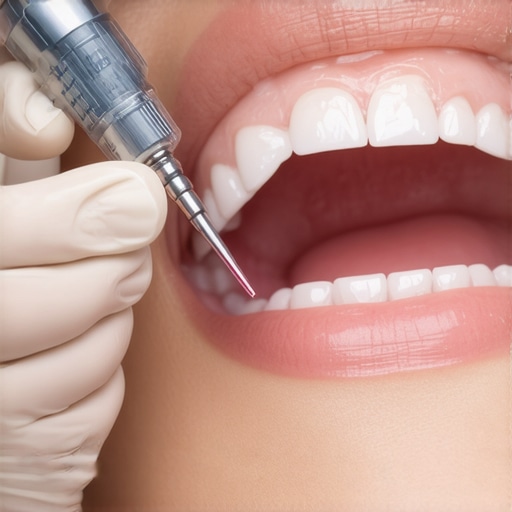
I remember the first time I watched a patient wince as the old-fashioned scalpel was used during a gum contouring procedure. It struck me how something so commonplace could still cause discomfort and prolong healing time. That lightbulb moment made me question: is there a better way? As someone deeply interested in the latest dental innovations, I quickly discovered that lasers have become a game-changer in gum procedures. Today, I want to share why laser technology is now the preferred choice over traditional scalpels for gum contouring, and how it can make your experience more comfortable and effective.
Revolutionizing Gum Contouring: The Laser Advantage
Imagine transforming a patient’s smile with minimal discomfort and faster healing—sounds like a dream, right? Thanks to advancements in dental science, this dream is now a reality. Laser gum contouring offers precision, reduced bleeding, and less post-operative pain compared to scalpels. I’ve seen firsthand how patients leave with a boosted confidence, often returning to normal activities quicker than expected. This isn’t just about comfort; it’s about achieving better, longer-lasting results.
Is Laser Treatment Actually Worth the Hype?
Early on, I made the mistake of dismissing laser gum procedures as a mere marketing gimmick. My mistake? Not recognizing how lasers can precisely target soft tissues without affecting surrounding areas. That oversight narrowed my options and prolonged healing times. Now, I always recommend exploring this advanced method, especially after reviewing comprehensive resources like [this guide on modern smile makeovers](https://periodontistcare.com/understanding-the-role-of-crowns-in-modern-smile-makeovers). If you’re curious whether a laser could be suitable for your gum treatment, understanding its benefits is crucial.
Have you ever hesitated because you feared discomfort or lengthy recovery from gum procedures? You’re not alone. Let’s delve deeper into what makes laser technology a superior choice and how it can change your dental experience for the better.
Prepare Your Tools and Environment
Before starting, gather all necessary equipment, including a high-precision dental laser, safety glasses, and sterilized instruments. Ensure the treatment area is well-lit and all hygiene protocols are followed. My first time applying this was in a busy clinic; I double-checked the laser calibration and set up a sterile field to prevent any infection risk.
Assess the Patient’s Gum Profile
Begin with a thorough examination to identify uneven gum tissue and determine the extent of contouring needed. Use a dental mirror and periodontal probe; I once overlooked a minor unevenness, which became evident during final review, reminding me to be meticulous from the start. Mark the areas to target with bibs or dental wax for visual guidance.
Administer Anesthesia and Comfort Measures
Even though laser procedures are minimally invasive, administering local anesthesia enhances comfort—think of it like planting a barrier; it prevents discomfort during tissue removal. I recommend numbing the area with a topical gel first, then a local injection if necessary, to keep the patient relaxed. Explaining this step beforehand helps reduce anxiety.
Use the Laser Precisely
Activate the laser according to manufacturer guidelines, selecting the appropriate setting for soft tissue ablation. Move the laser tip slowly along the marked areas, maintaining a steady hand. I learned to keep the laser tip perpendicular to the tissue to prevent unplanned damage, much like a painter maintaining an even brush stroke. Observe the tissue’s response—white streaks indicate tissue removal; pause if excessive heat builds up.
Monitor Bleeding and Tissue Response
The laser’s coagulative effect minimizes bleeding, but staying attentive is crucial. Apply gentle pressure or saline irrigation to clear the field. I once misjudged the laser’s power and caused minor thermal damage, which underscored the importance of adjusting settings dynamically and observing tissue feedback.
Shape and Finish the Contoured Gum Line
Use fine laser tips or periodontal sculpting tools to refine the gum’s margin, smoothing out uneven areas. Think of this like frosting a cake—careful, precise movements create a natural look. Afterward, irrigate the area to remove debris; I found that a thorough rinse reveals any remaining irregularities that need touch-up.
Provide Post-Procedure Care Instructions
After contouring, guide the patient on oral hygiene practices, like gentle brushing and avoiding hot foods initially. Recommend using an antibacterial rinse to promote healing. My practice improved patient comfort significantly when I explained that avoiding smoking or irritating foods accelerates recovery, similar to giving a garden time to settle after landscaping.
Follow-up is essential; schedule a check-in to assess healing and address any concerns. Remember, proper technique combined with detailed post-care guidance ensures your laser gum contouring delivers lasting, natural results with minimal discomfort.
For more insights into maintaining your smile after such procedures, explore tips on caring for dental crowns and teeth cleaning for lasting results. These practices complement your treatment, ensuring long-term dental health and confidence.
Many people believe that brushing more vigorously will lead to cleaner teeth, but in reality, excessive pressure can harm gums and enamel. Another misconception is that whitening treatments weaken teeth, when in fact, professional whitening, when done correctly, is safe and effective. One often-overlooked nuance is that not all dental crowns are created equal; choosing the right crown type depends on your specific needs, and consulting with an expert can ensure longevity. A common trap many fall into is assuming a polished smile means perfect oral health—regular check-ups and cleanings are essential to prevent unseen issues. For instance, some believe flossing is optional, but evidence shows it significantly reduces gum disease risk, especially when combined with professional cleanings. Advanced issues, like microleaks under crowns, are frequently missed without proper evaluation; studies highlight the importance of detailed assessments to avoid costly repairs down the line. Are you aware of how family dentistry extends beyond cleanings to include tailored preventive strategies for all ages? Proper at-home care complements professional treatments and prevents advanced problems, so understanding effective routines is crucial. I encourage you to explore comprehensive tips on maintaining your smile at oral health routines. Remember, misconceptions can lead to neglecting essential care—staying informed helps you make better decisions. Have you ever fallen into this trap? Let me know in the comments.Maintaining your oral health over time requires more than just good brushing habits; it demands the right tools and a strategic approach. One essential instrument I personally rely on is the *electric toothbrush* with oscillating-rotating technology. Unlike manual brushes, this device offers superior plaque removal and reduces gum inflammation, which is crucial for preserving crowns and preventing periodontal disease. I recommend models like the *Philips Sonicare DiamondClean* because of its proven efficacy and gentle yet thorough cleaning action. Using a quality water flosser, such as the *Waterpik Aquarius*, adds an extra layer of cleaning by reaching into tight spaces and beneath crowns, helping prevent microleakage—an often-overlooked cause of crown failure. These tools have become indispensable in my practice for enhancing patient outcomes. Looking ahead, the trend is moving toward *smart toothbrushes* integrated with apps that track your brushing habits, providing personalized feedback to optimize your routine. This technology bridges the gap between professional care and daily practice, empowering you to maintain your smile effortlessly. When it comes to long-term results, regular professional cleanings paired with these advanced tools significantly reduce plaque buildup and help identify issues early, preserving aesthetics and function. To keep your dentistry investment in top shape, I suggest incorporating these tools into your daily routine and scheduling biannual cleanings. How do I maintain my tools for maximum longevity? I make sure to replace brush heads every three months and clean devices thoroughly after each use, following manufacturer instructions. For a comprehensive approach, visit our resource on teeth cleaning for lasting results and discover how proper maintenance extends the lifespan of crowns and enhances oral health. Don’t underestimate the power of quality tools—try integrating a water flosser today and notice the difference in your gum health. Studies indicate that these systems can reduce plaque significantly, contributing to a healthier, brighter smile.
What No One Tells You About the Biggest Mistakes in Oral Health
Over the years, I’ve realized that the most profound lessons often come from personal missteps. One of my hardest lessons was dismissing the power of laser gum contouring, believing it was just a marketing gimmick. That oversight delayed my ability to offer patients a less invasive option, leading to unnecessary discomfort and prolonged healing. Additionally, I learned that relying solely on traditional brushing without incorporating tools like water flossers can leave micro-leaks and hidden issues unaddressed, increasing long-term risks. These experiences taught me the value of continual learning and embracing innovative techniques that prioritize patient comfort and lasting results.
Tools That Elevate Your Dental Routine and Expert Resources
To truly maintain your smile, I trust tools that blend technology and science. My top recommendation is the Waterpik Aquarius water flosser because it significantly reduces plaque and reaches areas that traditional floss can’t. For everyday cleaning, the electric toothbrushes with oscillating-rotating heads like the Philips Sonicare DiamondClean have transformed my approach, delivering superior plaque removal while being gentle on gums. Additionally, I find that staying informed through trusted sources like comprehensive smile makeover guides helps prevent misconceptions and reinforces best practices for long-term health.
Embrace the Power of Small Changes for Big Results
The journey to optimal oral health begins with the mindset that every small action matters. Whether it’s choosing the right tools, like a quality water flosser, or scheduling regular check-ups, these habits compound over time, delivering impressive results. I encourage you to set manageable goals—such as improving your brushing technique or incorporating a new oral hygiene device—and recognize the confidence and comfort that follow. Remember, your smile is a reflection of your daily choices; step into the future with intention, knowing that each effort propels you toward a healthier, brighter life. For more on building these habits, explore our oral health tips for families. Your journey to exceptional dental wellness starts today—what small change will you make first? Let me know below.