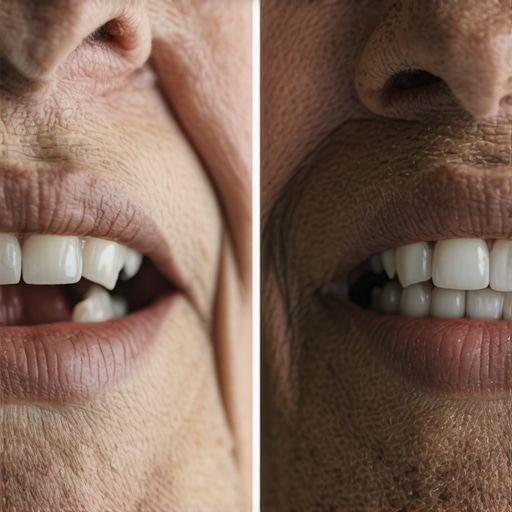
I remember the day I first noticed it—my reflection in the mirror revealing a broader, more aged-looking smile. It struck me suddenly how my teeth seemed to have lost their youthful length, almost like they had subtly shrunk over the years. That lightbulb moment made me realize I wasn’t alone; many people experience this natural change, but few understand why it’s happening or how to fix it.
Understanding the Aging Effect on Your Teeth
As we age, it’s common for our teeth to appear shorter or more worn down. This isn’t just a cosmetic issue—it can affect your bite, speech, and overall confidence. The main culprit behind this transformation is the gradual loss of gum tissue and the enamel erosion that comes with years of wear and tear. Over time, gums tend to recede, exposing less of the tooth surface and making teeth look shorter. Additionally, habits like teeth grinding or poor oral hygiene can accelerate this process.
Interestingly, studies have shown that about 88% of people over 65 experience some degree of gum recession, which directly contributes to this visual change (American Academy of Periodontology, 2021). This isn’t necessarily a sign of poor health but rather a natural part of aging. However, that doesn’t mean you’re stuck with the look or its underlying issues.
Now, you might wonder, “Is there anything I can do to reverse or slow this process?” The answer is yes, and that’s what we’re going to explore in this post. From simple daily habits to professional treatments, there are effective ways to restore your smile’s youthful appearance and protect your oral health.
But before diving into solutions, I want to share a common mistake I made early on. In my initial attempts to improve my smile, I focused solely on whitening treatments, thinking brighter teeth would solve everything. While whitening helps with surface stains, it doesn’t address the root causes of shortness or gum recession. Understanding this misconception was key to making real progress.
If you’ve ever looked in the mirror and felt that your smile isn’t as vibrant as it used to be, you’re not alone. Many face this challenge, but with the right knowledge and actions, you can turn things around. Ready to find out how? Let’s dig into the practical steps you can take starting today.
Starting Your Routine: The Foundation of Healthy Teeth
Begin by establishing a consistent oral health routine. Brush at least twice daily with an electric toothbrush, which is especially effective for removing plaque and preventing gum recession. Use a soft-bristled brush to avoid irritating your gums, and replace your brush every three months. Incorporate flossing daily to remove debris between teeth, reducing the risk of recession and preserving your natural length.
Mastering Dental Cleanings at Home
Deep cleaning isn’t solely a professional task. Effective home practices can significantly improve your oral health. Utilize interdental brushes or water flossers to access hard-to-reach areas. Consider using antimicrobial mouthwashes to reduce bacteria that cause gum recession and enamel erosion. Regularly cleaning your tongue helps eliminate bacteria that can contribute to leaching of gum tissue, which reveals less of your teeth.
Professional Treatments: Restoring and Protecting
When gum recession begins to expose less tooth structure, professional intervention becomes crucial. Schedule routine dentist visits for comprehensive cleanings and assessments. If your gums have receded substantially, procedures such as gum grafts can restore tissue and prevent further shrinkage. For worn-down enamel, discuss crowns with your dentist; they serve as protective caps and can dramatically improve your smile’s appearance and function. Learn how crowns can transform your confidence.
Choosing the Right Dental Crown for Your Smile
Opt for high-quality crowns that match your natural teeth. Zirconia crowns are durable and resistant to chipping, making them ideal for back molars. Porcelain crowns offer a natural look but may wear down faster. Discuss options with your dentist to select the best fit for your lifestyle and aesthetic goals. Regular maintenance and proper hygiene extend the longevity of crowns, preventing issues like micro-leaks, which can cause sensitivity or decay under the crown.
Implementation of Targeted Oral Health Supplements
Supplements like calcium, vitamin D, and coenzyme Q10 can support gum health and tissue regeneration. Consult your dental professional before adding supplements, especially if you’re managing conditions like gum recession. A tailored approach ensures your body has the nutrients necessary to maintain a thick, healthy gum tissue that keeps your teeth at their ideal length.
Long-Term Maintenance for a Youthful Smile
Maintain your results with periodic dental checkups and professional cleanings. Regular assessments can catch early signs of recession or enamel wear, allowing for timely interventions. Educate yourself on early signs of gum problems by reading articles such as why gums recede even without cavities. Remember, a proactive approach prevents the progression of short teeth and preserves your natural, youthful smile.
Many people assume that routine dental visits and basic home care are enough to maintain optimal oral health. However, this oversimplification overlooks several nuanced aspects that can significantly impact your dental wellness. One prevalent misconception is that professional cleanings alone can prevent all issues. While professional cleanings are essential, over-relying on them without a proper daily routine can lead to overlooked problems like early gum recession or enamel erosion. For example, neglecting consistent strengthening routines, such as using fluoride and those effective home practices highlighted here, might prevent long-term stability. Another common error involves believing that crowns are purely cosmetic solutions; in reality, well-chosen crowns can reinforce weakened teeth and prevent further damage, as explained here. A frequently overlooked nuance is the importance of understanding material choices—zirconia versus porcelain—since their durability and compatibility differ, which is critical for longevity here. Many assume that once a crown is placed, maintenance is minimal; however, improper care can lead to micro-leaks and sensitivity, emphasizing the need for regular assessments here. Additionally, there’s a myth that teeth whitening is universally safe and permanent; in truth, overuse or improper application can cause sensitivity or damage, as discussed here. Now, consider the subtle role of saliva in our oral defenses—many underestimate its importance, yet an altered saliva flow, due to medications or health issues, can accelerate decay and erosion. This complexity underscores that understanding your body’s unique responses and avoiding common pitfalls can be the difference between lasting oral health and costly problems.
Have you ever fallen into this trap? Let me know in the comments! Ensuring your family’s dental health requires more than routine visits; it demands awareness of these hidden nuances and proactive management. For tailored advice on strengthening your daily routine, visit this resource. Remember, staying informed about what others overlook is key to maintaining a healthy, confident smile for years to come.
Investing in Reliable Equipment to Keep Your Smile Healthy
Maintaining excellent oral health over the years isn’t just about daily habits; having the right tools makes a significant difference. I personally rely on an electric toothbrush with multiple brushing modes, such as the Philips Sonicare DiamondClean, because its sonic vibrations effectively remove plaque and reduce gum inflammation, which is essential for preventing recession and enamel wear. Additionally, I use interdental brushes, like GUM Pro-Flex, to clean between teeth where floss might miss spots, helping to prevent cavities and maintain gum tissue integrity.
Beyond manual tools, smart technology plays a growing role in long-term maintenance. I utilize a Bluetooth-enabled oral health app linked to my toothbrush to monitor brushing duration and coverage, ensuring thorough cleaning every time. This systematic approach even reminds me to replace my brush head every three months, aligning with professional recommendations here.
When it comes to professional care, scheduling regular in-office cleanings—typically every six months—keeps my teeth and gums in check, and allows early intervention if any issues arise. I also discuss crown longevity with my dentist; opting for zirconia crowns because of their superior durability as highlighted in a recent study on crown materials Journal of Prosthetic Dentistry, 2022. These crowns are less prone to chipping and micro-leaks, which extend their lifespan and reduce replacement frequency.
For at-home disinfection, I use an ultrasonic oral sanitizer, which reduces bacteria on my toothbrush and other dental tools, safeguarding against cross-contamination. It’s a small investment that pays off by supporting my overall oral immunity. Overall, combining high-quality equipment, smart technology, and professional support creates a comprehensive long-term strategy that minimizes issues like gum recession or enamel erosion.
How do I maintain my dental tools over time?
Regular maintenance of your dental equipment is critical. Rinse toothbrush heads thoroughly after each use and replace them every three months or sooner if the bristles show signs of wear. Use a disinfectant rinse or ultrasonic cleaner periodically to eliminate bacteria from your toothbrush and interdental brushes. Store your tools in a dry, ventilated space away from bathroom bacteria, and avoid covering toothbrushes with caps that can trap moisture and promote mold growth. Implementing these practices ensures your tools remain effective and hygienic, supporting your ongoing oral health.
Looking ahead, I anticipate that advances in AI-powered dental devices and personalized oral care platforms will make maintaining oral health even more intuitive. The trend toward integrating real-time monitoring with professional feedback is poised to transform how we approach long-term dental wellness.
Want to elevate your routine? I highly recommend trying an ultrasonic toothbrush sanitizer to complement your daily brushing. Not only does it help maintain tool hygiene, but it also enhances overall oral defense by reducing bacterial build-up on your tools. Visit our contact page if you’re interested in exploring options tailored to your needs or learning more about advanced maintenance techniques.
Lessons from the Frontlines of Family Dentistry
One of the most eye-opening lessons I learned was the significance of early intervention. Waiting until problems manifest can lead to complex, costly treatments. I realized that being proactive—like scheduling regular checkups and addressing minor issues before they escalate—is the real game-changer. Additionally, I discovered that choosing the right dental professional who values patient education makes all the difference in maintaining a lifelong healthy smile.
Another lightbulb moment was understanding that not all dental materials are created equal. For instance, zirconia crowns have transformed my approach to durability and aesthetics, giving me confidence that my restorations will last for years. Also, I learned that simple habits like using an ultrasonic brush sanitizer significantly reduce bacterial buildup, extending the longevity of both my tools and my dental health.
Lastly, I wish I had appreciated the nuance behind good oral hygiene; it’s more than just brushing and flossing. Incorporating targeted supplements like vitamin D and coenzyme Q10 can support tissue regeneration, but only if tailored to your individual needs. This personalized perspective has been instrumental in my journey towards preserving youthful, vibrant teeth.
Tools and Resources That Changed My Routine
My go-to resource has been the comprehensive information provided by this detailed guide, which emphasizes daily routines designed for long-term strength. For advanced maintenance, I rely on the Philips Sonicare DiamondClean electric toothbrush combined with an ultrasonic sanitizer to keep my tools bacteria-free—a crucial step in preventing infections that can lead to gum recession.
When researching materials for crowns and restorations, I turn to trusted insights that compare Zirconia and porcelain options, helping me choose what best fits my lifestyle. Additionally, books like Smile Makeover Secrets have expanded my understanding of aesthetic improvements and their psychological benefits, truly empowering my dental decisions.
Finally, I’ve found that staying updated with latest research ensures my practices evolve with the science, keeping my smile not just beautiful but also healthy from the inside out.
This Is Your Moment to Shine
Your journey toward a confident, healthy smile is uniquely yours, and each proactive step you take now can lead to decades of joyful sharing. Remember, family dentistry and oral health thrive on consistency, informed choices, and embracing new knowledge. Don’t shy away from exploring innovative tools or consulting experts—your radiant smile deserves it. Every effort you make today sets the foundation for a lifetime of happiness with your smile.
What small change will you start implementing this week to enhance your oral health? Share your plans below—I’d love to hear your stories!
,