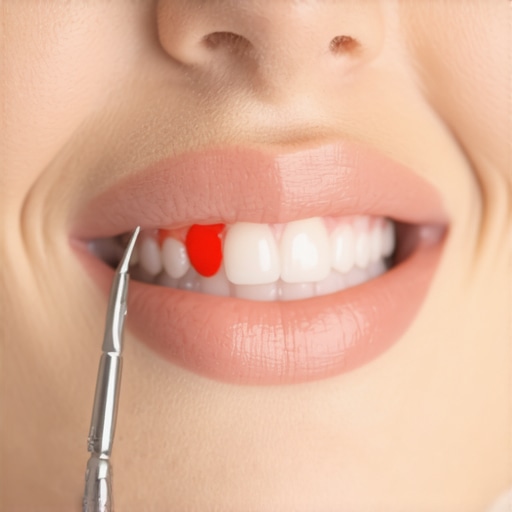
I vividly remember the first time I sat in that dental chair, anxiously awaiting my turn for a professional whitening. When the procedure was over, I expected my teeth to look sparkling white and feel strong. Instead, I was greeted with a sharp, almost shocking sensitivity every time I sipped my morning coffee or breathed in the cold air outside. It was a lightbulb moment for me—realizing that whitening, while effective, can leave your teeth more vulnerable than you might think.
Understanding the Sensitivity That Comes Post-Whitening
This sudden increase in sensitivity isn’t just a minor inconvenience; it’s a common experience for many. The reason lies in how whitening treatments work—they temporarily break down stains in your enamel, revealing a brighter smile. But this process can also make your enamel more porous, allowing heat, cold, sweet, or acidic foods to reach nerves more easily, resulting in that uncomfortable, sensitive feeling.
And here’s a crucial detail: if you’re not careful, you might make some classic mistakes, like immediately consuming very hot or cold drinks or neglecting proper post-treatment care. Early on, I made the mistake of ignoring the importance of gentle oral routines, which only worsened the sensitivity. Over time, I learned that with the right strategies, you can enjoy your whitening results without the discomfort.
Is Post-Whitening Sensitivity Actually Worth the Hype?
One skepticism I’ve often heard is whether the temporary discomfort is justified by the dazzling results—and honestly, I used to wonder the same. It’s natural to worry about whether you’re doing more harm than good. Rest assured, if managed correctly, this sensitivity is usually only temporary. In fact, some studies suggest that with proper care, the risk of permanent damage or increased sensitivity can be minimized significantly (source). The key is understanding what causes this sensation and how to address it effectively.
Let’s explore what mistakes I made early on and how you can avoid them, ensuring your whitening journey is both beautiful and comfortable. If you’ve ever experienced this sensitivity and wondered whether it’s normal or something to worry about, keep reading—I’ve got practical tips that can help you protect your teeth and enjoy your brighter smile.
Start with Gentle Oral Care
Switch to a soft-bristled toothbrush and use a toothpaste formulated for sensitive teeth. I remember the first time I did this; my gums felt less raw after a few days. Gentle brushing reduces trauma to enamel and gums, which can exacerbate sensitivity. Remember, aggressive brushing is like scrubbing a delicate surface—counterproductive.
Implement Desensitizing Products
Use products containing potassium nitrate or stannous fluoride. These ingredients help block nerve pathways or reinforce enamel, respectively. I applied a desensitizing toothpaste before bed, and noticeable relief appeared within a week. Consistent use is key; skipping days resets any progress made.
Adjust Your Diet Smartly
Avoid very hot, cold, acidic, or sugary foods immediately post-whitening. I learned this the hard way—taking tiny sips of lukewarm water instead of iced coffee helped my teeth recover faster. Think of your teeth like a sponge: they absorb less when treated gently and with care.
Practice Proper Timing
Wait at least 48 hours after whitening before indulging in staining or irritating foods. I set reminders to prevent accidental consumption. This pause allows enamel to recover and reduces sensitivity episodes.
Maintain Consistent Oral Hygiene
Regular gentle cleaning prevents plaque buildup, which can worsen sensitivity. I started flossing gently and avoiding abrasive mouth rinses, which made my gums healthier and less reactive.
Incorporate Professional Guidance
Schedule follow-up visits with your dentist to assess your recovery. They can recommend treatments like fluoride varnishes or bonding agents for added protection. Trust me, a quick check-up saves many uncomfortable days.
Use Custom Molds or Desensitizing Trays
Ask your dentist about custom trays filled with desensitizing gel. I used a tray at night, and it created a barrier protecting my enamel from temperature swings. It was a mess initially but worth the effort for relief.
Avoid Mechanical Stress on Teeth
Refrain from habits like nail-biting or teeth grinding, which can worsen sensitivity. Wearing a nightguard if you grind helps distribute forces evenly, reducing enamel wear and nerve irritation.
Monitor and Adapt Your Habits
Track your sensitivity levels and note which foods or activities trigger pain. This personal data helps you adapt routines to avoid discomfort, much like fine-tuning a delicate machine.
Leverage At-Home Remedies Carefully
Some suggest oil pulling or rinsing with saltwater, but consult your dentist before trying these. I tried saltwater rinses, which slightly eased soreness but shouldn’t replace professional treatments.
Stay Consistent and Patient
Healing takes time. I reminded myself that patience, coupled with careful practices, would eventually restore comfort. Rushing or neglecting these steps risks prolonging sensitivity and undermining your whitening efforts.
While many believe that brushing twice daily and visiting the dentist regularly suffice for maintaining healthy teeth, the reality is far more nuanced. A common misconception is that all dental procedures, especially teeth cleaning and crown placements, are straightforward. However, overlooking the subtle complexities can lead to long-term issues. For instance, many assume that professional cleanings alone prevent gum disease, but regular teeth cleanings are just part of a comprehensive oral health strategy that includes personalized home care and periodic assessments.
Why do some crowns last longer than others even if placed by the same dentist?
This is an advanced question that reveals a common oversight: not all crowns are created equal. The material, design, and routine care significantly influence longevity. For example, zirconia crowns, which don’t chip like porcelain, require specific maintenance to ensure durability. Patients often neglect the importance of proper oral hygiene around crowns, leading to micro-leakages or decay underneath. Furthermore, habits like teeth grinding can drastically reduce crown lifespan, emphasizing the need for protective measures like nightguards, especially in cases of bruxism.
Many assume that replacing a crown is a simple fix once it shows signs of discomfort. But I learned that proactive monitoring with tools like checking for micro-leaks can save a lot of trouble. Detecting issues early ensures that minor repairs are sufficient, avoiding costly replacements. This illustrates the importance of understanding the microscopic details of crown integrity, which most patients overlook.
Another common myth is that good brushing habits alone prevent cavities. While essential, they don’t address the lingering effects of acid erosion—especially if one consumes frequent acidic drinks. Here, many underestimate the value of buffer technologies in toothpaste or professional fluoride applications that strengthen enamel proactively. As experts highlight, integrating these nuances can make a tangible difference in long-term oral health.
Similarly, family dentistry isn’t just about scheduling regular visits. It requires tailored strategies, considering each family member’s unique risks and needs. For example, children with early signs of molar incisor hypomineralization need different preventive approaches compared to adults with receding gums. This personalized care is often underappreciated but pivotal for preventing complex issues down the line. For insights on building a comprehensive family dental plan, check out families’ long-term oral wellness.
In summary, the depth of knowledge required for effective dental care goes beyond surface-level practices. It involves understanding material science, micro-level issues like micro-leaks, and personalized preventative strategies. Recognizing these nuances can transform your approach from reactive to proactive, ensuring lasting oral health. Have you ever fallen into this trap? Let me know in the comments.
Staying on top of your oral health requires not just good habits but also the right tools that support and enhance your routine. Over the years, I’ve found that integrating specific equipment and technology can make a tangible difference in preserving your smile, especially when managing crowns, teeth cleaning, or family dental care. These aren’t just gadgets; they are strategic allies in your oral health journey.
Invest in an Electric Toothbrush with Pressure Sensors
For personalized and effective cleaning, a high-quality electric toothbrush with built-in pressure sensors, like the Oral-B Genius series, has been invaluable. It alerts me when I’m brushing too hard—a common culprit for gum recession or enamel wear—and encourages gentler, more thorough cleaning. This technology ensures I remove plaque efficiently without risking damage, which is especially crucial around crowns or sensitive areas. Regular use of such devices can significantly reduce long-term issues like micro-leaks under crowns or early tooth decay.
Adopt Water Flossers for Family Cleaning
Traditional flossing can be time-consuming and sometimes ineffective, especially for those with braces, bridges, or crowns. I personally rely on a water flosser, such as the Waterpik Cordless Precision, to complement my daily oral hygiene. This tool effectively removes debris and bacteria from hard-to-reach places, reducing the risk of gum disease and prolonging the lifespan of restorations. For families, it simplifies daily routines, making oral health maintenance more manageable for everyone.
Use a Mouthwash Enhanced with Fluoride and Potassium Nitrate
Addressing sensitivity and strengthening enamel are ongoing concerns. I recommend a mouthwash like ACT Restoring, which contains fluoride to remineralize teeth and potassium nitrate for nerve desensitization. Incorporating this step ensures that even after your brushing and flossing, your mouth receives extra protection against acid erosion and sensitivity—both vital for long-term crown and tooth health. Regular use expedites recovery from whitening treatments and maintains the integrity of your enamel.
Incorporate UV-C Sanitizing Devices
Beyond mechanical tools, UV-C sterilizers for toothbrushes and dental appliances have gained popularity. I personally use a UV-toothbrush sanitizer to eliminate residual bacteria after cleaning. While some skeptics question their efficacy, credible studies, such as those published by the CDC, suggest UV-C light can significantly reduce microbial presence, keeping your toothbrush and trays hygienic over time. This step is particularly beneficial if you’re managing multiple family members or dealing with immunocompromised individuals.
Predicting where this trend is headed
Future advancements will likely focus on integrating these devices into smart home systems, allowing for real-time monitoring and personalized feedback via smartphone apps. AI-driven diagnostics could guide users on optimal brushing times and techniques, transforming oral hygiene from routine to proactive care. As technology continues evolving, staying updated and investing in these smart tools will be essential for those committed to long-term dental health.
How do I maintain my dental tools over time?
Proper maintenance extends the life and effectiveness of your equipment. For electric toothbrushes, replace brush heads every three months and clean the base regularly according to manufacturer instructions. Water flossers should be descaled monthly to prevent mineral buildup. UV sterilizers need periodic bulb replacements and should be kept clean to ensure optimal sanitation. Regularly inspecting and replacing worn components ensures these tools continue to perform correctly, which is crucial for ongoing oral health—and especially pertinent when caring for crowns or preventing distant problems from escalating.
For a thorough understanding of how to keep your dental tools effective, check out expert advice on maintenance tips for crowns. Noticing signs of wear or malfunction and acting promptly can prevent future complications and save costs in the long run.
Ready to elevate your oral hygiene? Begin by upgrading to a pressure-sensitive electric toothbrush and see how it transforms your routine. Remember, using the right tools consistently can truly be game-changing for your dental longevity. Don’t neglect the power of technology—you might find it easier to maintain your smile than ever before.
Lessons That Changed the Way I Care for My Teeth
- Rapid recovery from sensitivity is possible if you embrace gentle habits early—don’t wait until discomfort becomes unbearable. Taking small steps like switching to a soft-bristled toothbrush and using desensitizing pastes was a game-changer for me.
- Consistency beats quick fixes. Regular maintenance with your dentist, combined with thoughtful at-home routines, creates a protective shield for your enamel that lasts well beyond the initial whitening.
- My biggest breakthrough was realizing that understanding the micro-level details, such as micro-leaks around crowns, can prevent long-term complications. Educating myself opened doors to better decisions and longevity in my dental work.
Tools That Became My Dental Allies
- Electric toothbrush with pressure sensors: It taught me to brush effectively without damaging my gums or enamel, especially around restorations. Technology truly enhances daily care.
- Water flosser: Reaching those tricky spots around crowns and bridges made my routine both easier and more thorough, reducing gum inflammation and sensitivity.
- Fluoride and potassium nitrate mouthwashes: Fortifying my enamel nightly helped me recover from prior whitening sensitivity and maintain a strong, healthy smile.
- UV-C toothbrush sanitizers: My confidence in hygiene increased, knowing my tools were free from residual bacteria—crucial when managing multiple family members’ oral health.
Lighting the Path Ahead
Remember, safeguarding your smile requires a blend of knowledge, the right tools, and patience. Embrace continuous learning about your dental health, stay curious about innovative treatments, and don’t hesitate to seek professional guidance when needed. Your future self will thank you for the commitment you make today to keep your teeth resilient and radiant.
What steps are you planning to take next in your dental care routine? Share your thoughts below—I’d love to hear about your journey towards a healthier smile!