I’ll never forget the moment I realized my child’s persistent mouth breathing was more than just a habit—it was shaping the very structure of her jaw. It was late at night when I noticed her snoring loudly, her mouth agape, while she slept. That visual stuck with me, making me wonder—how can something so seemingly simple as breathing through the mouth have such a profound impact on a child’s development? I wasn’t alone in this concern; many parents overlook this quiet sign, dismissing it as just a phase or a minor issue. But the truth is, mouth breathing isn’t harmless. It can lead to misaligned jaws, altered facial growth, and even long-term dental problems.
Understanding Why Your Child Might Be Breathing Through Their Mouth
Typically, children breathe through their noses, which act as natural filters and humidifiers. When nasal passages are blocked—due to allergies, enlarged adenoids, or habitual mouth breathing—kids often resort to breathing through their mouths. This adaptation might seem harmless initially, but over time, it becomes a significant concern. Mouth breathing can change the normal development of the jaw and face, leading to elongated faces, narrowed jaws, and even crowded teeth. Early intervention can make a substantial difference, possibly preventing more serious issues down the line. If you’re noticing that your child frequently breathes through their mouth, it’s worth exploring the underlying cause and seeking professional advice.
Is Mouth Breathing Really That Serious? Or Am I Overreacting?
Admittedly, I made the mistake of dismissing my child’s mouth breathing as a phase, assuming it would pass with time. However, this early oversight delayed the opportunity for preventive care. According to research, mouth breathing in children can contribute to abnormal facial growth patterns, affecting their bite and overall oral health (source). Recognizing signs early—such as chronic nasal congestion, mouth dryness, or snoring—can help you make informed decisions and consult with specialists like family dentists or orthodontists. Addressing the root issue early can lead to better long-term outcomes, and that’s where understanding the role of treatments like dental crowns or regular teeth cleaning comes into play. But more on that later—first, let’s look at some common fears parents might have about tackling this issue.
Have you ever felt overwhelmed or unsure if mouth breathing is something to worry about? You’re not alone. Many parents worry about making the right choices or fears of invasive procedures. My goal is to guide you through what to look for and reassure you that solutions are available. Recognizing this problem and acting early can significantly influence your child’s facial development and overall health. Now, with this understanding, let’s dive into practical steps you can take to help your child breathe better and promote healthy jaw growth.
Assess Your Child’s Breathing Patterns
Start by observing your child’s breathing habits during the day and night. Notice if they breathe through their mouth persistently or gasp for air, especially when asleep. I once watched my son as he slept, seeing his mouth wide open—an indicator that nasal passages might be blocked. Document these observations to discuss with a pediatrician or family dentist, which can lead to tailored interventions.
Identify and Eliminate Obstructions
Clear nasal congestion is often the root cause of mouth breathing. Use saline nasal sprays or gentle nasal irrigation to reduce blocked passages. Avoid irritants like smoke or strong scents in your home. When I helped my daughter with nasal sprays, her breathing improved noticeably within days, making her more comfortable and reducing mouth breathing during sleep.
Seek Professional Evaluation
Schedule an appointment with a family dentist or ENT specialist for a comprehensive assessment. They might examine the size of adenoids or tonsils, or check for structural issues. Remember, early diagnosis can prevent long-term facial and dental issues. During my visit, the ENT confirmed enlarged adenoids, leading to a minor procedure that significantly improved my child’s nasal airflow.
Implement Breathing Exercises and Postural Changes
Encourage your child to practice nasal breathing consciously during the day. Simple exercises like closing one nostril and inhaling through the other help strengthen nasal passages. Additionally, promote good posture—standing and sitting upright prevents tongue and jaw positioning that favors mouth breathing. I introduced fun breathing games with my daughter, which increased her awareness and naturally shifted her breathing habits.
Utilize Tongue Posture Techniques
Teach your child to keep their tongue resting against the roof of their mouth. This natural position supports proper jaw growth and airway space. Using a mirror, I helped my son see his tongue placement daily, gradually retraining his muscle habits. Consistency is key; over weeks, this improved his oral posture and reduced mouth opening tendencies.
Adopt Dental and Orthodontic Strategies
Visit a family dentist for regular check-ups to monitor facial development. Dentists may recommend specific appliances or guidance to correct jaw alignment if necessary. Regular teeth cleaning, as outlined in family dental tips, ensures overall oral health and detects early signs of misalignment. I learned that early intervention with a palate expander minimized the need for more invasive treatments later.
Consider Dental Crowns or Orthodontics When Appropriate
If dental issues like crowded teeth or misaligned jaws persist, professionals might consider crowns or orthodontic devices to guide proper growth. For instance, dental crowns can restore earlier damaged or malformed teeth, providing a proper biting surface. To maximize longevity, follow caring tips for crowns. When I had a crown placed on a permanent molar, I was diligent with cleaning and regular check-ups, which kept it functional for years.
Maintain Consistent Oral Hygiene and Regular Cleanings
Good oral hygiene prevents complications and ensures that any structural deviations are caught early. Invest in professional teeth cleaning at least twice a year, as this removes plaque and calculus that can contribute to airway obstructions. Remember, as detailed in regular cleanings, consistent maintenance is crucial for a healthy mouth and airway.
Integrate Routine Oral Care into Daily Live
Establish brushing and flossing routines that your child learns to enjoy. Use engaging tools like colorful toothbrushes or fun-flavored toothpaste. I turned brushing into a game for my kids, rewarding them for their regular efforts, which cultivated lifelong habits and improved their overall oral health—an essential part of supporting proper jaw and airway development.
Monitor Progress and Adjust Strategies as Needed
Keep track of improvements over weeks and consult professionals periodically. Adjust exercises or dental interventions based on development. Remember, patience and consistency are vital; I experienced some setbacks initially, but persistence led to noticeable improvements in my child’s breathing and facial structure. Small changes compound, guiding your child towards healthier habits and a more confident smile.
 Many people assume that regular teeth cleaning alone is sufficient to maintain optimal oral health, but recent research shows that the quality and timing of your cleanings, along with understanding the nuances of crowns and family dentistry, play a crucial role in long-term dental wellness (source). A widespread myth is that all dental crowns are the same; in reality, the choice of materials like zirconia or porcelain impacts durability and aesthetics, and improper care can lead to premature crown failure (tips for longevity). Many believe that family dentistry is merely about routine check-ups, but in practice, a comprehensive approach involves preventive strategies tailored to each family member’s age and risk factors, which significantly reduces the chance of cavities and gum disease (more details).
Investing in the Right Equipment
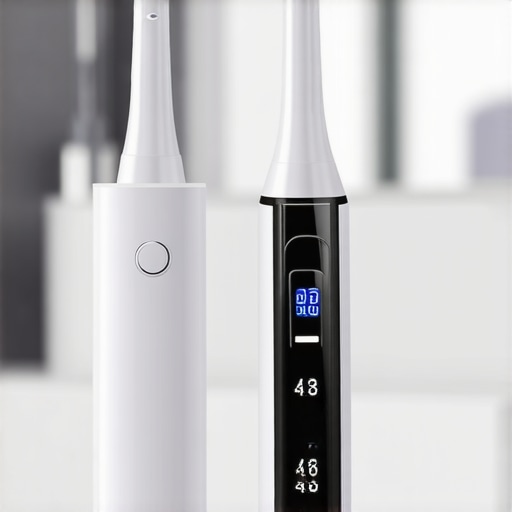
Maintaining optimal oral health over time requires more than just good brushing habits; it demands reliable tools that support your routine. My go-to device is the Oral-B iO Electric Toothbrush. I personally prefer it because its integrated pressure sensor prevents aggressive brushing that can damage gums and crowns (see why pressure control matters). Its oscillating-rotating technology is clinically proven to remove more plaque than manual brushes, which is crucial when managing crowns and learning new home care techniques.
Complementing the toothbrush, I use a Waterpik Water Flosser. This tool reaches areas traditional floss might miss, especially around crowns and bridges. Its pulsating stream effectively dislodges debris and promotes healthier gums. I integrate it into my nightly routine, ensuring comprehensive cleaning without damaging delicate restorations.
Smart Apps and Monitoring
Digital tracking apps like Brush Up help monitor brushing time, too, reminding me to adhere to the two-minute rule and alerting me to missed spots. These apps sync with my toothbrush, providing real-time feedback and building better habits. As we move towards more connected dental care, I predict that AI-driven apps will personalize routines further, adjusting based on wear patterns or plaque accumulation, making maintenance smarter and more effective.
Routine Scheduling and Professional Support
Consistent scheduling of professional cleanings is vital. Setting reminders through an online portal or calendar ensures I never miss an appointment. During these visits, my hygienist uses ultrasonic scalers to remove calculus safely—an essential step in preventing gum disease and prolonging the life of crowns (see how to care for crowns).
Preparing for Future Trends
I believe that 3D imaging and at-home diagnostic kits will become standard tools, empowering patients with detailed knowledge about their oral health. These innovations will make ongoing maintenance more personalized, helping catch issues early and reduce invasive procedures down the line. Staying abreast of technological advances ensures I can adapt my routine for maximum preservation and health.
How do I keep my dental tools effective over time?
Regularly replacing brush heads—every three to four months—or sooner if bristles fray is crucial. I also deep clean my electric toothbrush monthly by soaking it in isopropyl alcohol to prevent bacterial buildup. For devices like water flossers, thorough cleaning of nozzles and reservoirs prevents mold or bacterial growth. Investing in quality tools and maintaining them properly makes a significant difference in the longevity of crowns, the health of gums, and overall oral stability.
If you haven’t already, try upgrading to an electric toothbrush with pressure sensors and compatibility with monitoring apps. Conducting routine maintenance and utilizing advanced tools can mean the difference between reactive and preventive dental care, ultimately supporting your long-term smile health.
For more insights into effective cleaning practices, explore expert oral hygiene tips.