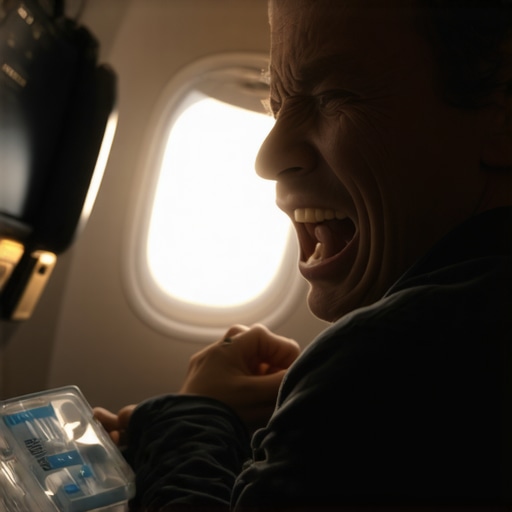
I remember the moment vividly—midway through a long international flight, I felt a sudden, sharp jolt in my mouth. My heart sank. It was that horrible sensation of a crown slipping loose, right when I least expected it. Panic started to creep in, and I thought, “No way do I want to deal with this thousands of feet in the air.” That lightbulb moment made me realize how unprepared I was for dental emergencies during travel.
Dealing with Dental Emergencies in the Air: Why It Matters
Sometimes, dental mishaps happen when you’re far from your usual dentist—cracked crowns, knocked-out teeth, or excruciating sensitivity can turn a pleasant trip into an ordeal. Being equipped with the knowledge of what to do can make all the difference between a manageable situation and a major disaster. And trust me, I learned this the hard way.
According to experts, nearly 33% of adults experience dental problems while traveling at some point in their lives. That statistic surprised me because most of us focus on packing sunscreen and passports, overlooking the importance of dental readiness. Properly handling these emergencies can not only save you money but also prevent long-term damage. If you’ve ever faced a dental wake-up call away from home, you know what I mean.
So, what’s the secret? It’s about preparation. Knowing how to respond swiftly and correctly can turn a potential dental disaster into a temporary inconvenience. Whether it’s a loose crown or a sudden toothache, I’ll guide you through practical steps to handle it confidently. Plus, I’ll share some personal tips I wish I had known earlier.
Are you curious about how to handle a dental emergency during your next trip? Or maybe you’ve already faced this challenge and want to be better prepared? Either way, keep reading—I’m about to share some essential advice that could save your smile on the go.
Let’s dive into the first crucial steps to taking control of dental emergencies mid-flight and ensuring your oral health stays intact, no matter where you are in the world.
Remove and Assess the Crown Carefully
When a crown becomes loose or falls out during travel, the first step is to locate it. Handle it gently, holding it by the edges to avoid contamination. Inspect for damages like cracks or chips, which can be better understood if you compare it to images available at this guide. If the crown is intact and clean, you may temporarily reseat it, but remember, this is a short-term fix.
Clean the Crown and the Tooth
Use mild soap or clean water to gently rinse the crown, removing any dirt or debris. Do the same with the tooth surface. Avoid using toothbrushes or toothpaste, which can be abrasive and cause further damage. If available, a small amount of dental cement or temporary dental repair kit from a pharmacy can help secure the crown temporarily. This is similar to using putty when fixing a broken piece of machinery—it’s only a stopgap until professional care can be obtained.
Make a Temporary Fix That Lasts
If you don’t have dental cement, over-the-counter temporary dental repair products can be extremely helpful. Apply as instructed and seat the crown over the tooth, pressing firmly. If you can’t reseat the crown properly, keep it safe in a clean container to show your dentist later. This method can be effective if done carefully, but do not attempt to modify the crown or tooth with unapproved substances, as this can cause damage.
Manage Pain and Prevent Further Damage
Over-the-counter pain relievers such as ibuprofen can help ease discomfort. Avoid chewing on that side, and stick to soft foods to prevent pressure on the area. If you’re experiencing swelling or persistent pain, it’s crucial to seek professional advice promptly. It’s like stopping a leak in a pipe; the damage can escalate if ignored.
Plan a Visit to a Dental Professional
Contact a local dentist as soon as you can. Use resources like this contact page to find a qualified provider. When booking, explain your situation clearly, mentioning the emergency with your crown. A professional can properly re-cement or replace the crown and assess for underlying issues, ensuring long-term health and confidence. Regular maintenance, like having a personalized dental checkup plan, is the best way to prevent such surprises.
Prevent Future Emergencies with Proper Care
Proper daily oral health routines can extend the life of your crowns and reduce emergencies. Regular flossing, brushing, and professional cleanings are essential. Additionally, consider discussing with your dentist about best practices for crown maintenance. Think of your dental crowns as investments—they require consistent care to provide lasting benefits. Knowing how to handle accidents swiftly ensures you’re prepared, but prevention is always better than cure.
Many people believe that regular teeth cleaning and maintaining good oral hygiene are sufficient for lifelong dental health, but in my experience, there’s a deeper layer of nuance that can make a real difference. One common misconception is that all dental procedures are equally beneficial and that more aggressive cleaning always leads to better results. However, overzealous cleaning can actually erode enamel or damage gums if not tailored properly. For example, aggressive brushing with a hard-bristled toothbrush might seem effective but can cause recession and sensitivity over time, which many fail to realize. According to a study published in the Journal of Periodontology, improper brushing techniques are a leading cause of gum recession among adults, yet often dismissed as minor issues. So, how do you distinguish between effective cleaning and harm? The secret lies in personalized oral health routines designed by your family dentist, who considers your unique mouth anatomy and health history. Furthermore, many assume that crowns or restorations require no special care beyond routine brushing, but neglecting specific maintenance can shorten their lifespan. Proper care, such as avoiding biting on hard objects and using appropriate cleaning tools, is crucial for longevity. Interestingly, many overlook the importance of considering the underlying causes of oral issues rather than just symptoms. For instance, persistent bad breath might not solely be due to poor hygiene but could indicate underlying issues like decay or gum disease that require more targeted treatment. This is where knowledge about crowns comes into play; understanding how to maintain them properly can prevent costly replacements. Visiting your dentist regularly and discussing these nuances can significantly impact your long-term oral health. I recommend reviewing expert advice on crowns and teeth cleaning for lasting results, which emphasizes tailored care over one-size-fits-all solutions. In essence, being aware of these subtle distinctions can help you avoid common pitfalls and preserve your smile better. Have you ever fallen into this trap? Let me know in the comments. Remember, proactive, customized care trumps generic routines when it comes to maintaining optimal oral health.Maintaining your dental crowns and overall oral health requires more than just regular visits to the dentist; it’s about equipping yourself with the right tools and knowledge to ensure longevity and optimal function. One of the most reliable investments is an electric toothbrush, specifically designed for sensitive teeth and crowns. I personally use the Sonicare DiamondClean, which offers superior plaque removal and gentle brushing, helping preserve my restorations and natural teeth alike. Its timer function encourages thorough cleaning, a feature I find indispensable for consistent oral hygiene.
In addition to brushes, having a high-quality dental mirror is vital for daily inspection. A mirror like the Orascop EZ-Mirrors allows me to check hard-to-see areas, catching early signs of plaque buildup or gum issues before they escalate. Combining this with a reliable interdental cleaner, such as floss picks with a built-in scraper, makes all the difference. I favor the GUM Soft-Picks because they are gentle yet effective, helping me maintain tight spaces around crowns and between teeth.
Long-term success in oral health also depends on using the right floss. I recommend waxed, shred-resistant floss like Glide Pro-Health, which glides smoothly between restorations and natural teeth, reducing the risk of dislodgment or damage. Regular use of these tools, along with a personalized oral health routine, can extend the life of crowns significantly.
Predicting future trends, I believe technological advancements will focus on smart dental devices, integrating sensors that monitor plaque levels and detect early signs of decay or crown issues. Imagine a toothbrush that reports its cleaning effectiveness to your smartphone, guiding you to areas needing extra attention—this evolution could revolutionize at-home care.
**How do I maintain my dental crowns and restorations over time?** The key is consistency. Routine cleaning with validated tools, opting for gentle brushing and interdental cleaning, and regular check-ups ensure long-term durability. For instance, visiting your dentist periodically helps identify and address wear and potential problems early, preventing costly repairs. I suggest having a personalized dental care plan, which includes professional cleaning twice a year, to stay ahead.
Another tip is to use products specifically formulated for crowns, such as the caring for crowns guide. This resource details proper techniques and products that can help maintain their shine and structural integrity.
If you’re serious about maximizing your crowns’ lifespan, consider professional advice on how to incorporate these tools into your daily routine effectively. And don’t forget—regular visits provide opportunities for your dentist to recommend advanced maintenance techniques tailored to your unique needs. Try integrating an ultrasonic cleaner into your routine; it can remove calculus and bacteria more effectively than manual brushing alone, a tip backed by clinical studies, such as those referenced in the Journal of Clinical Dentistry.**
Taking proactive steps now can save you money and discomfort later. Investing in the right tools and habits ensures your smile remains healthy, functional, and beautiful for many years to come. Are you ready to level up your dental care routine? Start with a quality electric toothbrush and see the difference it can make.
What I Wish I Had Known When Facing Dental Disasters Abroad
One eye-opening lesson I learned is that even the most routine dental procedures can turn into emergencies unexpectedly when you’re away from familiar care. Using a small dental repair kit and familiarizing myself with local resources beforehand would have saved me a lot of stress—and money—during my trip. Trust me, practical knowledge can be a game-changer in urgent moments.
Another realization was how skipping regular check-ups can lead to surprises on the road. Routine maintenance isn’t just about health; it’s about prevention. Having a personal plan for crown care and understanding warning signs helped me catch issues early, avoiding last-minute scrambling during travel.
Lastly, I discovered that staying calm and informed is half the battle. Knowing the difference between what can be temporarily fixed and what requires a professional made all the difference—especially when language barriers or unfamiliar clinics are involved. This insight transformed my approach to emergencies and made me feel more confident traveling.