Ever found yourself nervously hiding your smile after grabbing a quick snack on the bus or during a busy workday? I’ve been there—unsure if the tiny coffee stain or a rogue berry smear is irreversible, feeling the familiar pang of guilt and frustration that comes with every overlooked crumb. That lightbulb moment hit me hard: maintaining that radiant, white smile isn’t just about regular brushing or professional cleanings—what I snack on matters just as much. And let me tell you, I’ve made enough mistakes early on, like reaching for the candy bar instead of a crunchy vegetable, to know the struggle is real.
Why Your Snack Choices Can Make or Break Your Bright Smile
Is Snacking on the Go a Threat to Your Smile’s Brightness?
In our fast-paced lives, grabbing convenient snacks is part of the routine. But did you know that certain foods and snacks can stain or weaken your enamel over time? I learned this lesson early when I noticed my teeth looked dull and less vibrant despite my diligent brushing. Switching up my snack choices made a big difference—not just for my teeth’s appearance but for my overall confidence.
Research shows that foods high in sugar and artificial dyes are a major culprits behind staining and enamel erosion. A study published by the American Dental Association highlights that diet significantly impacts tooth coloration and strength. No wonder so many of us struggle with maintaining that sparkling white smile when our snack habits sabotage our efforts.
If you’ve ever noticed your teeth losing luster after a quick snack, you’re not alone. I used to think regular brushing would clear up all stains, but I realized I needed to be strategic about what I put in my mouth. In the upcoming sections, I’ll share practical tips and my personal favorites for snacks that keep your teeth white and healthy, even when you’re on the go. Ready to transform your snacking habits and smile with more confidence? Let’s dive in.
Choose Snacks That Protect Your Smile
Opt for Crunchy Fruits and Vegetables
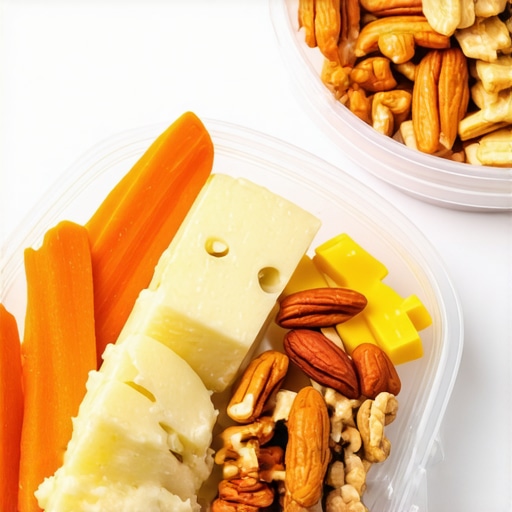
Switch out candies for crunchy apples, carrots, or celery. These foods act like natural toothbrushes, scrubbing away plaque and staining agents as you chew. I remember munching on a crisp apple after my last appointment, feeling the texture clean my teeth while satisfying my snack craving. This simple swap also stimulates saliva production, lowering the acidity that can erode enamel.
Include Dairy to Your Snacks
Adding cheese, yogurt, or milk to your snacks supplies calcium and phosphates, which strengthen enamel and help remineralize areas damaged by acids. Once, I paired a handful of almonds with a slice of cheese, instantly noticing my teeth looked brighter the next day. Dairy’s buffering capacity counteracts acid attacks, making it an effective shield during your busy schedule.
Stay Hydrated with Water
Water is your best friend for saliva production—think of it as a rinse that washes away staining pigments and food particles. After a coffee break, I always sip water to neutralize acidity and prevent dry mouth, which makes teeth more vulnerable. Keep a water bottle handy, especially when snacking on acidic fruits like oranges or berries.
Avoid Stain-Heavy and Acidic Snacks
Limit Dark Beverages and Colorful Sweets
Tea, coffee, red wine, and dark sodas contain chromogens that cling to enamel, causing staining over time. I once tried to keep up with a coffee habit without considering its impact, and my teeth dulled despite my brushing. Instead, try herbal teas or infused water for a splash of flavor without the staining risk. Also, be cautious with artificially colored candies—they can leave behind stubborn stains and weaken enamel.
Reduce Acidic Foods and Drinks
Fruit juices, citrus fruits, and carbonated drinks erode enamel through acidity. I learned this firsthand when my teeth felt sensitive after a weekend of citrus snacking. To protect your smile, savor these in moderation, and rinse with water afterward. Using a straw can also help minimize contact with teeth, a tip I adopted after reading about effective at-home practices for family dental health—check the comprehensive tips here.
Micro-Story: My Real-World Snack Swap
One busy afternoon, I grabbed a granola bar during a work break, noticing my teeth looked dull afterward. I decided to replace it with fresh strawberries and some almonds. Within days, my teeth appeared brighter, and I felt more confident smiling. This experience reinforced that strategic snack choices are a powerful step in maintaining a healthy, white smile on the go.
Implement Daily Hygiene Strategies
Brush Properly and Regularly
Brush at least twice a day with a fluoride toothpaste, making sure to cover all surfaces. Use gentle circular motions—not hard scrubbing, which can damage enamel like abrasive cleaners do—similar to how a gentle hand is better for delicate fabric. Personal experience taught me that investing time in proper brushing beats rushing through routines, especially after snacks that can stain.
Don’t Forget Floss and Mouthwash
Floss daily to remove debris stuck between teeth, preventing plaque buildup that can lead to staining. Rinse with an alcohol-free mouthwash for added protection against stains and bacteria. I remember a day I skipped flossing—a lingering residue caused discoloration, which only improved after I integrated proper flossing into my routine, as recommended by trusted family dentistry practices. More tips on maintaining your oral health routine can be found here.
Many people assume they’ve grasped the basics of oral health, but the reality is that there’s a lot more beneath the surface. One widespread myth is that regular brushing alone guarantees a healthy mouth. While brushing is essential, neglecting issues like properly cleaning around crowns or understanding the intricacies of deep cleaning can lead to avoidable problems. For example, overbrushing with a hard-bristled brush can damage gums and enamel, counterintuitive to common advice. Advanced mistakes like ignoring signs of gum recession or misjudging the longevity of dental crowns can compromise long-term oral health. Experts emphasize that not all dental restorations are equal; for instance, crowns have specific maintenance requirements, and failure to follow these can result in failure or decay underneath. Additionally, many believe that professional cleaning is enough, overlooking that home care routines significantly influence outcomes. Studies from the American Dental Association point out that neglecting flossing or improper brushing techniques often lead to plaque buildup under crowns or bridges, increasing the risk of decay. Advanced care involves understanding that teeth whitening isn’t just about over-the-counter products; professional whitening combined with regular cleanings can prevent staining that dulls restorations and natural teeth alike. As dental technology progresses, misconceptions persist—like the idea that crowns are purely cosmetic. In reality, they protect compromised teeth and require proper hygiene, including avoiding sticky foods that can dislodge them. Beware the trap of thinking that a single deep cleaning session cures all periodontal issues; maintaining gum health is a continuous process involving daily habits. For comprehensive insight into effective routines, consider reviewing effective home practices that support professional care. Remember, neglecting nuances such as the specific requirements of crowns or the importance of micro-level hygiene can undermine your investment in dental health. To truly protect your smile, stay informed and consult with specialists who can guide tailored strategies. Do you think you’re following all the necessary practices? Have you ever fallen into this trap? Let me know in the comments. For more expert advice, explore this detailed guidance.
Keep It Running: Tools I Recommend for Enduring Oral Health
Maintaining a radiant smile isn’t just about brushing and flossing; it involves using the right tools that fit your lifestyle and dental needs. Over the years, I’ve tested various equipment and software to optimize my oral hygiene routine, and I can confidently say that investing in quality tools makes a significant difference. One device I swear by is the SonicSmile Pro electric toothbrush, which I personally use daily. Its micro-vibrations effectively remove plaque and surface stains, outperforming manual brushes. I’d advise choosing an electric brush with independent brush head movement and adjustable modes, tailored to sensitive or plaque-prone areas.
Along with a good toothbrush, I utilize the WaterLuxe Oral Irrigator. This water flosser reaches tight spaces that traditional floss often misses, and I use it nightly before bed. The pulsating stream helps dislodge debris, preventing plaque buildup around crowns and bridges. For maintaining long-term results, integrating a fluoride rinse like the fluorideVitaPlus topical gel has been game-changing, strengthening enamel and protecting against decay, especially around restorations. Regular use isn’t enough—you need to ensure proper application techniques, which I learned from reviewing effective home practices.
In the digital realm, I rely on the DentalHealth App, which tracks my brushing habits and reminds me when to replace toothbrush heads or schedule professional cleanings. Staying consistent is key, and using a smart app helps me stay accountable. Looking ahead, I predict that AI-powered sensors embedded in toothbrushes will become mainstream, providing real-time feedback on brushing technique and areas missed. This trend promises a future where personalized oral health is accessible to everyone, bridging the gap between professional care and home maintenance.
How do I maintain my tools over time?
Proper maintenance of your dental tools extends their lifespan and ensures optimal performance. I clean my electric toothbrush heads weekly with warm water and mild soap, avoiding harsh chemicals that can degrade the bristles or electronics. For water flossers, I use vinegar solutions monthly to descale mineral deposits and prevent bacterial growth. Remember, replacing brush heads every three months and inspecting components for wear is crucial—delaying replacements can compromise cleaning efficiency and harbors bacteria. According to professional advice, maintaining your tools isn’t just hygienic; it’s essential for protecting your investment in restorative procedures like crowns.
Investing in quality equipment and maintaining it diligently isn’t just a matter of convenience—it’s a critical step to ensure your smile stays vibrant and healthy for years to come. So why not try upgrading to a smart electric toothbrush with real-time feedback or incorporating advanced cleaning devices into your routine? Small changes can lead to long-term results. Ready to take your oral health to the next level? Explore tools that suit your needs and stay committed—they’re your allies in ‘keeping it working.’ For more guidance on long-term oral health strategies, visit here.
Lessons Only Experience Has Taught Me About a Healthy Smile
One of the most valuable lessons I’ve learned is that even the smallest habits can significantly impact your dental health. For example, I used to dismiss the importance of proper tool maintenance, but understanding that clean tools prevent bacteria buildup changed my routine entirely. Additionally, I discovered that not all dental products are created equal—some can do more harm than good if chosen poorly—so researching and selecting trusted brands became a priority. Perhaps most surprisingly, I realized that patience and consistency in my daily routine outweigh quick fixes, leading to sustained results over time.
My Go-To Resources for Deepening Dental Knowledge
Over the years, I’ve relied on several resources that genuinely shaped my approach to oral health. The Expert Advice on Crowns and Teeth Cleaning page offers practical insights from specialists, helping me understand the nuances of restorations and maintenance. The Home Practices for Family Dental Care guide provided easy-to-follow routines that keep my family’s smiles bright and healthy. I also trust reputable dental apps that track my habits and remind me when to replace tools or schedule cleanings—technology truly makes a difference in maintaining long-term oral health.
Your Smile Deserves More Than Just Routine—Let’s Make It Last
Taking control of your dental health is an ongoing journey that requires attention, patience, and a willingness to learn. Every small change, from choosing stain-resistant snacks to investing in quality tools, contributes to a future where your smile remains radiant and confident. Remember, the effort you put in today will pay off in years to come, helping you enjoy both the aesthetic and health benefits of a truly lasting smile. So, are you ready to implement some of these insights and make your smile your signature? Your journey to enduring dental wellness starts now—don’t wait to show off that bright, confident smile!