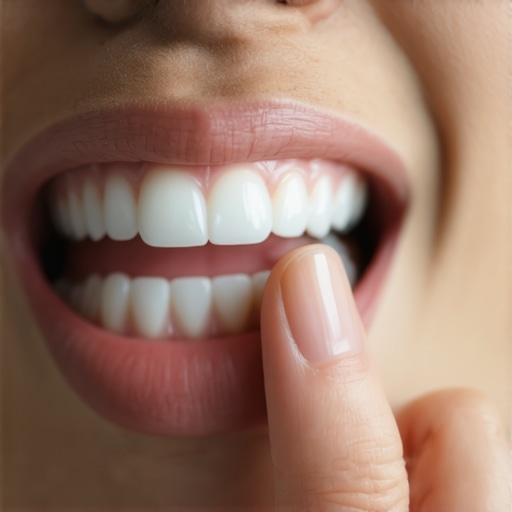
I remember the moment it clicked. Sitting in my bathroom mirror, toothbrush in hand, I noticed my gums felt wildly irritated—itchy, tender, and uncomfortable—despite having just come from my last dental appointment. It was a lightbulb moment that made me realize: this persistent discomfort wasn’t just annoying; it was a sign that something deeper was going on. That itchy feeling, happening between visits, became this nagging puzzle I had to solve.
If you’ve ever experienced similar sensations, you know how unsettling it can be. You brush, you floss, you rinse—yet that relentless urge to scratch your gums persists, making you wonder whether you’re doing something wrong or if dental issues are creeping in unnoticed.
Why Your Gums Keep Itching Between Dental Checkups
This pesky problem often stems from subtle shifts in your oral health, sometimes triggered by factors like irritation from dental restorations, overzealous brushing, or even minor infections. But here’s the thing—most people overlook the significance of plaque buildup, gum sensitivity, or improper cleaning techniques, and end up exacerbating the problem.
Early on, I made the mistake of dismissing these sensations as trivial, thinking they’d pass on their own. But ignoring them only led to more discomfort and, eventually, bigger dental issues like gum disease or recession. If neglected, this can cause long-term damage, which is why paying close attention to your oral environment is crucial.
It’s also important to recognize that persistent gum itching isn’t just a nuisance; it can be a warning sign of underlying issues that, if left unaddressed, could compromise your overall health. According to dental experts, untreated gum irritation can lead to serious conditions, including periodontal disease, which has been linked to heart disease and diabetes (source).
Understanding what’s causing this itchiness will help you take targeted steps to soothe your gums and prevent future problems. In the following sections, I’ll share practical, proven strategies that transformed my oral health and can do the same for you. Have you faced this problem before? If so, you’re not alone—let’s dive into how you can regain comfort and confidence in your smile.
Master Your Oral Hygiene Routine
Brush with Care and Technique
Start by using a soft-bristled toothbrush held at a 45-degree angle to your gums. Gently rotate the brush in circular motions rather than scrubbing aggressively—think of it as massaging your gums rather than scraping them raw. I once rushed through my brushing, thinking I was saving time, but it only increased irritation. Switching to gentle, methodical brushing reduced my gum itchiness significantly, and adhering to this technique daily will strengthen your gum tissue over time.
Use Fluoride-Rich Toothpaste
Choose a toothpaste formulated for sensitive gums and enamel protection. Fluoride helps remineralize your teeth and soothes irritation zones, reducing the urge to scratch. Remember to replace your toothbrush every three months or sooner if bristles fray, which maintains effective cleaning without unnecessary trauma.
Incorporate Proper Flossing Habits
Choose the Right Floss
Use dental floss designed for sensitive gums—preferably waxed or silk-like fibers that glide smoothly without tearing or pulling at gums. Pay special attention to areas around dental restorations or crowns, where gaps can trap plaque. For example, I found that my gums bled less and felt less itchy once I used floss specifically recommended for crowns, ensuring thorough cleaning without damage.
Technique Matters
Slip the floss gently between teeth, curving it around each tooth in a C-shape, and glide it softly beneath the gumline. Avoid snapping or forcing the floss, as this can cause micro-tears leading to irritation. Regular flossing removes plaque effectively, which underpin the inflammation causing itchiness.
Adjust Your Diet for Better Gums
Eat Anti-Inflammatory Foods
Incorporate foods rich in omega-3 fatty acids—like salmon, walnuts, and flaxseed—to reduce gum inflammation. Cutting back on sugary snacks and acidic drinks lessens plaque buildup, which can cause or worsen gum irritation. I noticed that after reducing my sugar intake, my gums felt calmer, highlighting the connection between diet and oral health.
Stay Hydrated
Drinking plenty of water keeps your mouth moist and helps wash away food particles and bacteria. Avoid mouth-drying alcoholic or caffeinated beverages which can exacerbate sensitivity. A simple trick I tried was carrying a water bottle everywhere; staying hydrated made my gums less itchy and more resilient.
Utilize Gentle Rinses and Supplements
Saltwater Rinse for Immediate Relief
Mix a teaspoon of salt into warm water and swish around your mouth for about 30 seconds. This natural rinse reduces inflammation, kills bacteria, and promotes healing. After a messy attempt at DIY rinsing, I found that doing this twice daily minimised gum soreness and itchiness.
Consider Natural Supplements
Taking vitamin C and D can improve gum healing and immune response. Ensure your diet includes citrus fruits, leafy greens, and fatty fish. I started supplementing with these nutrients, noticing a marked decrease in gum sensitivity and itchiness over a few weeks.
Routine Professional Maintenance
Schedule Regular Dental Check-Ups
Visit your dentist at least twice a year for professional cleanings and assessments. This proactive step prevents plaque buildup and catches issues early. During my last visit, the hygienist removed hardened plaque around my crowns, which directly correlated with less gum irritation between visits. Regular professional cleaning reinforces your daily routines and keeps your mouth healthy.
Ask About Specialized Cleanings
If you have crowns or sensitive areas, inquire about treatments tailored to your needs. Often, a family dentistry focus on building a lifetime of healthy smiles can provide personalized advice—like specific flossing tools or antimicrobial rinses—that target recurring problems. I learned this firsthand when my dentist recommended a special interdental brush for cleaning around my crown margins—making a noticeable difference in comfort and gum health.
Remember, persistent gum itching is a sign your oral environment needs attention. Adopting these steps with consistency will help you regain comfort and prevent more serious issues down the line. For comprehensive guidance on maintaining your entire family’s dental health, consider exploring family dentistry tips to ensure everyone’s smile remains bright and healthy.
While many believe they understand the basics of dental care, misconceptions about crowns, teeth cleaning, and overall oral health abound. One common myth is that once a crown is placed, it requires minimal maintenance—nothing could be further from the truth. Proper care involves more than just regular brushing; it includes understanding the specific needs of crowns, which can be prone to chipping or bacterial buildup if neglected. For example, using the wrong floss can damage the edges of crowns, leading to decay underneath—an often overlooked, yet critical, nuance here.
Another misconception is that professional cleanings are an optional luxury. In reality, routine cleanings are essential for preventing plaque accumulation around crowns and natural teeth. Overlooking this can result in tartar hardening, causing periodontal issues and rendering at-home routines ineffective. The “set it and forget it” mentality severely undervalues the importance of scheduled professional care here.
Advanced learners might ask: How do tiny details in daily habits influence the longevity of dental restorations and overall oral health? It turns out that subtle factors like choosing the right toothpaste for sensitive crowns or ensuring proper tongue cleaning can make a significant difference. For example, abrasive toothpastes can scratch surfaces of crowns over time, weakening their structure. Experts warn that neglecting such nuances accelerates degradation, leading to costly replacements here.
Furthermore, many underestimate the role of diet and lifestyle in maintaining dental integrity. Consuming highly acidic foods or smoking can erode enamel and damage crowns faster than expected. Recognizing these factors allows for a proactive approach—integrating dietary choices with daily oral hygiene routines enhances both health and function here.
Finally, family dentistry often gets boxed into superficial prevention, but its real power lies in personalized, nuanced advice that considers each patient’s unique risks. Regular visits with a knowledgeable practitioner help identify hidden problems early, ultimately safeguarding all your dental investments. Don’t fall for the trap of thinking that dental visits are only about cleaning—training your focus on the subtle signs of wear and potential decay is key here.
Are you aware of these hidden nuances, or have you fallen prey to common misconceptions? Share your experiences in the comments and let’s deepen our understanding of optimal oral health. Remember, mastering these details isn’t just for concerned patients; it’s essential for long-term success in dental care.
Keep It Working: The Tools That Make a Difference
Maintaining your crowns, teeth, and overall oral health requires more than just visiting the dentist regularly; it demands the right tools and techniques. I personally swear by specific equipment and methods that ensure my smile stays healthy and bright over the years. Investing in quality tools is an action that yields long-term results, preventing issues before they become costly repairs.
Choosing the Right Electric Toothbrush
For daily cleaning, I recommend an oscillating-rotating electric toothbrush equipped with a sensory timer. These models, like the Oral-B Genius X, provide consistent cleaning around crowns and natural teeth, removing plaque without damage, which is critical given the delicate margins of restorations. The sonic toothbrushes can also be effective, but I find the oscillating ones better at dislodging debris around crowns and brackets. An investment in quality electric brushes pays off by reducing your risk of decay or gum irritation over time.
Precision Flossing Tools
Traditional floss is good, but I prefer premium interdental brushes and water flossers for stubborn spots, especially around crowns. The specific floss for crowns and interdental brushes help me maintain the integrity of the margins, avoiding micro-tears or bacterial build-up. The Waterpik Aquarius is my favorite water flosser, offering pulsations that gently clean beneath crowns and between teeth, making maintenance easier and more thorough.
Smart Mouth Rinses and Supplements
Incorporating antibacterial rinses like Listerine Antiseptic helps control bacteria, especially if you have crowns prone to plaque accumulation. Additionally, I implement vitamin D and C supplements, supported by research such as from the National Institutes of Health, to support gum healing and immune response. These tools complement brushing and flossing, extending their benefits beyond daily routines.
Regular Professional Scanning Devices
My dentist uses intraoral scanners to precisely map my dental health, allowing early detection of issues around crowns or natural teeth. Seeing digital images of my mouth helps me understand where I need to focus more during home care. Modern scanning technology, like the TRIOS by 3Shape, is revolutionizing family dentistry by making observations more accurate and preventive care more effective. Consider asking your dentist about such innovations in your next visit.
Predicting the Future of Oral Maintenance Tools
Advancements like AI-powered intraoral cameras and smart toothbrushes integrated with app-based feedback are enhancing personal oral hygiene. These innovations will likely become standard, making it easier to monitor and maintain dental health in real-time, especially for busy families or those with complex restorations.
How do I keep my crowns and teeth working smoothly over time?
Consistent use of high-quality tools and adherence to targeted routines is key. Regularly replacing brush heads and flossing tools, following your dentist’s advice on product selection, and utilizing technology for monitoring can prevent minor issues from escalating. I encourage you to try an advanced interdental cleaning device like the specialized interdental brush designed for crowns—it’s been a game-changer in my routine and could be for you as well. Remember, tools alone won’t suffice—pairing them with consistent technique and professional advice ensures your smile stays in top shape for years to come.
The Hardest Lesson I Learned About Crowns and Oral Health
One of the most profound realizations in my dental journey was understanding that maintaining crowns and restorative work requires as much attention as my natural teeth. I once thought that once a crown was fitted, it was set for years, needing minimal care. But I soon discovered that neglecting specific cleaning techniques around crowns could lead to decay and failure, a lightbulb moment that changed my entire approach.
This lesson taught me the importance of tailored oral hygiene routines, especially for restorations. Proper flossing around crowns, choosing the right tools, and regular check-ups became non-negotiable habits. It’s a reminder that personalized care extends beyond basic brushing and makes a significant difference in long-term success.
My Top Picks for the Ultimate Family Dental Maintenance Arsenal
Over the years, I’ve curated a set of tools that truly enhance my family’s dental routines. My trusted electric toothbrush, like the recommended sonic models, delivers gentle yet effective cleaning tailored for crowns and sensitive areas. Interdental brushes specifically designed for crowns prevent micro-tears and make flossing around tricky restorations effortless.
Natural rinses, such as saltwater, and supplements like vitamin C bolster healing and immune defenses. Consistently revisiting trusted resources, including professional guidance on crown care, ensures my family’s oral health stays resilient against everyday challenges.
Rising to the Challenge of a Noisy, Sensitive Mouth
Having endured years of discomfort, I realize now that proactive, gentle habits make all the difference. Embracing advanced tools, staying educated, and fostering regular professional visits can transform dental anxiety into confident maintenance. The journey is ongoing, but every small step reinforces my commitment to a healthy, pain-free smile.
What about you? Have you discovered a simple routine or tool that dramatically improved your crown or cleaning experience? Share your story below and let’s support each other in achieving lasting oral health!