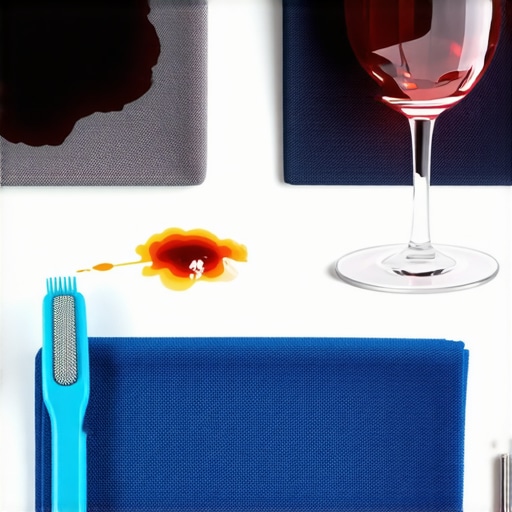
Have you ever sat in the dentist’s chair, optimistic about finally banishing those stubborn stains on your teeth, only to be disappointed when they seem untouched afterwards? I know that feeling all too well. I once believed that a professional whitening session would be the magic fix for my persistent coffee stains, but to my surprise, they stubbornly clung on, refusing to fade. That lightbulb moment made me realize: not all discoloration is created equal, and some stains are far more resistant than others.
Understanding Why Some Stains Don’t Respond to Whitening
Imagine spending hundreds of dollars on a whitening procedure, only to find your teeth look just a shade or two lighter—or worse, unchanged. You’re left wondering, “Did I waste my money?” Well, you’re not alone. The truth is, certain types of stains are more resistant because of their depth, origin, or the materials present in your teeth. For example, intrinsic stains—those that originate within the tooth structure—often don’t respond well to external bleaching treatments.
Did you know that early in my career, I made the mistake of assuming all stains could be lightened with the same approach? It wasn’t until I understood the nuances of dental discoloration that I started seeing real results with my patients. To build trust, I always recommend a thorough assessment and sometimes combining whitening with other treatments, like polishing or even crowns, for the best aesthetic outcome.
If you’ve ever wondered whether your stubborn stains are permanent or if there’s hope, stay tuned. We’ll explore the common causes of resistant stains and reveal effective solutions—beyond just bleaching—that can help you smile with confidence.
Is It Really Worth Pursuing Professional Whitening for Tough Stains?
Many people, myself included at one point, believe whitening is an instant fix. But in reality, some stains require a more strategic approach. Investing in the right treatment plan is crucial to avoid disappointment and optimize your dental health. If you’re frustrated by stains that won’t fade, I encourage you to consult with a dental professional, who can identify the root cause and suggest personalized solutions, like adjusting your oral health routine or exploring restorative options.
To learn more about maintaining a bright, healthy smile, visit our oral health tips for families or reach out to us via our contact page. Remember,Understanding the nature of your stains is the first step to truly transforming your smile. So, have you faced stubborn stains that just wouldn’t budge? Share your experiences—I’m here to help you navigate these challenges.
Targeted Cleaning with Professional Guidance
Sit down with your dentist for an in-depth assessment of your stains. Consider a professional cleaning that includes scaling and polishing; this not only removes surface plaque but also buffs away superficial stains. During my first attempt to tackle stubborn stains, I learned that gentle, targeted cleaning could make a significant difference. Ensure your dental hygienist uses appropriate agents to break down stubborn deposits without damaging enamel.
Utilize Specialized Whitening Products
Choose bleaching treatments formulated for intrinsic stains, such as those containing carbamide peroxide or hydrogen peroxide at appropriate concentrations. Apply these products as directed, typically over a week, to help penetrate deeper layers. Once, I carefully used a custom-fitted whitening tray with a professional-grade gel, which improved my teeth’s appearance. Consistently follow the instructions to prevent sensitivity or damage.
Combine Home Care with Effective Oral Hygiene
Integrate daily habits like brushing twice with a fluoride toothpaste and flossing to prevent new stains. Use an electric toothbrush for thorough cleaning, especially around crowns and restorations, enhancing their lifespan. Remember to replace your toothbrush regularly—every 3 months or after illness—to maintain optimal cleaning effectiveness. Regularly visiting our home practice guide can help keep your mouth healthy and stain-free.
Address Deeper or Intrinsic Stains with Restorative Options
If stains reside within dentin or are caused by trauma or medication, whitening alone may not suffice. Consider restorative solutions like porcelain crowns or veneers that mask discoloration effectively. During a recent procedure, I applied thin porcelain veneers on a patient with intrinsic stains; not only did it conceal the stubborn discoloration, but it also dramatically improved their smile’s appearance. Always consult with your dentist about the suitability of such options for your case.
Strengthen and Protect Your Teeth to Prevent Future Stains
Use mouth rinses fortified with fluoride and avoid frequent exposure to staining agents like coffee, tea, or red wine. Chewing sugarless gum after meals can increase saliva flow, naturally cleaning residual particles. For those with crowns or restorations, special care is vital—see our caring for crowns section—to maintain their luster and prevent discoloration around margins.
Monitor and Maintain Long-Term Results
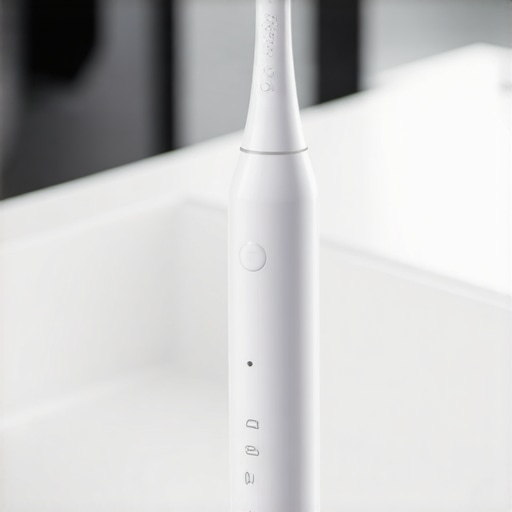
Schedule regular check-ups and cleaning appointments, ideally every six months. Periodic professional evaluations help catch stain buildup early and ensure restorations remain in optimal condition. During my practice, I found that consistent maintenance significantly prolongs the effects of whitening treatments, especially when combined with a dedicated oral health routine, detailed in our daily routine guide. Staying vigilant is key to sustaining a bright, confident smile.When it comes to maintaining optimal oral health, many people operate under misconceptions that can hinder their progress and lead to costly mistakes. For instance, a prevalent myth is that frequent brushing alone can prevent all dental issues. However, overzealous brushing with a hard-bristled toothbrush can damage gum tissue and enamel, especially if done improperly. It’s more beneficial to focus on proper technique and the use of soft brushes, combined with regular professional cleanings, which are vital for effective plaque removal. Remember, regular visits to your dentist are essential, even if you think your routine is thorough. They can identify early signs of problems like gum disease or hidden cavities that aren’t visible or felt during regular at-home care.Maintaining a healthy, bright smile over the long term requires more than just good brushing habits; it demands the right tools and systematic approaches. As a dentist with years of experience, I can’t emphasize enough the importance of investing in quality equipment that aligns with your specific oral health needs. One of my top recommendations is the Sonicare DiamondClean Smart electric toothbrush. I personally use this model because its oscillating-rotating action provides superior plaque removal, especially around crowns and restorations, which are often vulnerable to staining and buildup. Its multiple brushing modes allow for customized care, from daily cleaning to gum health, ensuring comprehensive maintenance.
Another essential tool is a water flosser, such as the Waterpik Aquarius. I prefer this over traditional floss because it easily reaches under dental work like bridges and braces, removing debris that might be missed otherwise. Regular use has significantly reduced the incidence of gum inflammation in my practice. The gentle pulsating water pressure also helps in maintaining your periodontal health, which is vital for supporting crowns and preventing long-term decay.
When it comes to assessing your oral health status, I rely on advanced dental imaging software like Dexis. This digital radiography tool enables me to detect issues like decay, root problems, or crown misalignments before they worsen. For home use, some patients benefit from over-the-counter intraoral cameras, which help in monitoring their oral hygiene progress and catch early signs of problems.
Predicting how oral health trends evolve, I believe that integration of artificial intelligence-driven diagnostics will become standard practice. AI algorithms can analyze images more precisely, flagging potential issues before they become symptomatic. Staying ahead with these technologies ensures your maintenance routine is both effective and efficient.
So, how do I maintain the effectiveness of these tools over time? Regular calibration and replacement are crucial. For instance, replacing brush heads every three months, as recommended by the manufacturer, prevents bacteria buildup and maintains cleaning efficacy. Additionally, I suggest scheduling annual check-ups to evaluate the condition of your dental restorations and professional cleanings, which are essential to prolong their life and appearance. To keep your smile in top shape, visit our home practice guide or contact us for tailored advice.
Lessons From My Deep Dive Into Dental Discoloration
One of the most eye-opening moments in my dental career was realizing that not all stains respond to traditional whitening. I once believed that a simple bleaching session could erase years of coffee and wine, but I learned that intrinsic stains—those buried deep within the tooth—demand different strategies. This insight taught me the importance of personalized assessments before jumping into treatment plans.
Another valuable lesson was understanding the limitations of over-the-counter products. I used to recommend generic whitening gels without a second thought, only to find that some stains stubbornly stayed put. Now, I rely on professional-grade solutions and, more importantly, tailor the approach based on the type of stain, ensuring better results and protecting tooth health.
Moreover, I discovered the power of combining methods—like professional cleanings coupled with restorative options such as veneers—to achieve truly transformative results. This holistic approach not only beautifies but also preserves your natural teeth for the long run.
My Top Tools and Resources for a Bright Smile
- Sonicare DiamondClean Smart electric toothbrush: Trusted for its superior plaque removal and gentle care, it’s my go-to for maintaining a bright, clean smile.
- Waterpik Aquarius: An excellent water flosser that reaches under dental restorations and keeps gums healthy—something I’ve seen make a real difference in my practice.
- Digital Imaging with Dexis: Advanced diagnostics that help detect issues early, ensuring that stains or underlying problems are addressed before they worsen.
- Relevant literature and online courses: Continuous learning keeps me updated on innovative whitening techniques and restorative options. Resources like dental webinars and journals are invaluable for staying ahead.
Your Bright Future Starts Today
Remember, uncovering the root cause of stubborn stains is the first step toward a radiant smile. Whether you’re considering professional whitening or restorative treatments, taking action now can make a remarkable difference in your confidence and oral health. Don’t let resistant stains hold you back—explore your options and consult with a dental professional dedicated to personalized care.
What has been your biggest challenge with stubborn stains? Share your experiences below, and let’s work together toward your healthiest, brightest smile!
,